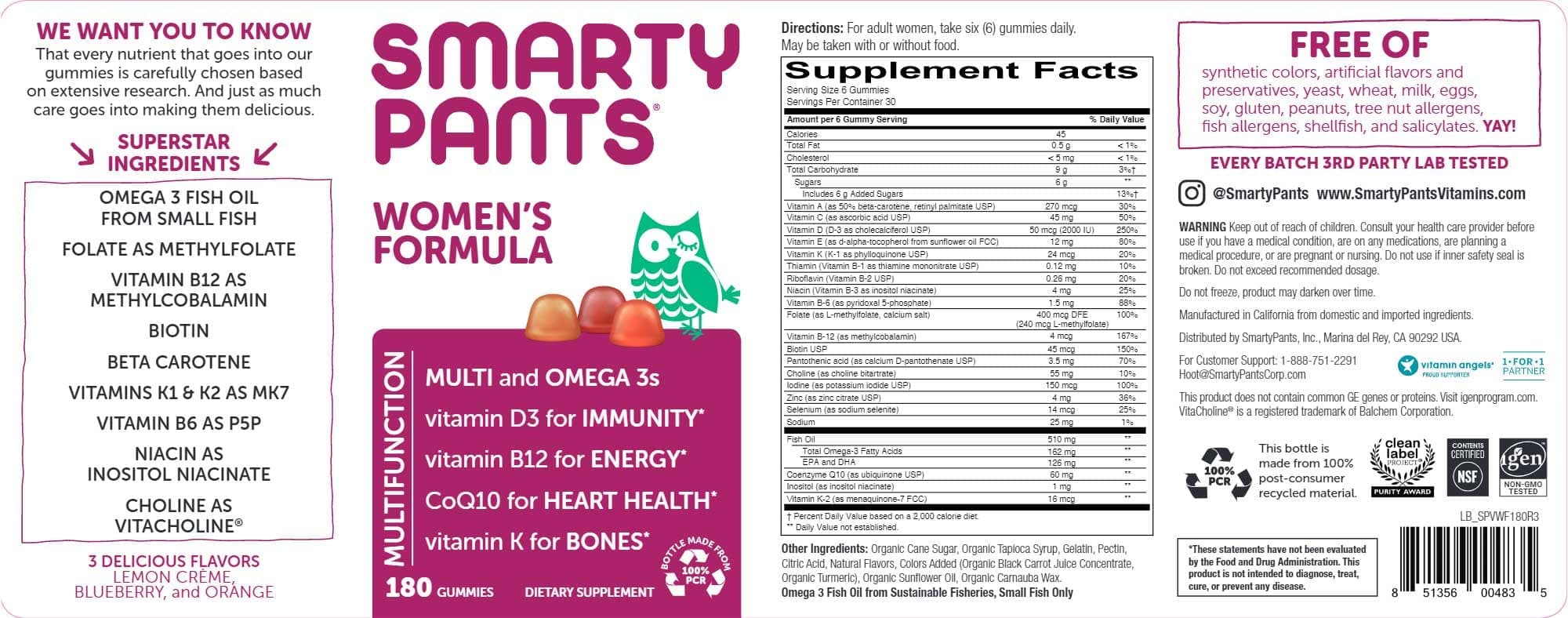
Natural Colors (Black Carrot Juice, Turmeric).
Natural colorants from black carrot (purple/red) and turmeric (yellow) that replace synthetic dyes in your supplement. Gives supplements natural purple, red, or yellow coloring without synthetic dyes.
Reviewed March 2026
- Category
- General
- Also filed under
- Natural coloring alternativeContains trace antioxidants
What Natural Colors (Black Carrot Juice, Turmeric) is, and what it does.
- Does it work
- Better than synthetic dyes, but don't expect health benefits from coloring amounts.
- How much to take
- Not applicable. These are colorants, not active ingredients.
- Time to feel it
- These set the colour and dissolve with the product. They are colour inputs at colour levels, not actives, so there is no onset to wait for.
- The first dose
- The capsule or powder looks the way it is meant to. These are colour inputs at colour levels, so nothing physiological is happening on day one.
- With regular use
- The colour holds or fades with heat, light and pH. At the amounts used for shade there is no nutritional contribution to accumulate, and none has been measured.
- How well tolerated
- Well tolerated. These are organic food ingredients used in tiny amounts.
- How it feels
- You see it rather than feel it. Turmeric can tint a powder's taste faintly and will stain a worktop, and neither of those is an effect on you.
- The overlooked benefit
- Black carrot anthocyanins are acylated, and those acyl groups shield the pigment core, which is why the purple holds up to heat and light better than most fruit colours.
The proof, claim by claim.
These words describe the research, not the molecule's worth. Research strength is how much work stands behind one claim, and it is never a product score.
- Natural alternative to synthetic dyes
- Health benefits from coloring amounts
Questions people ask about Natural Colors (Black Carrot Juice, Turmeric).
- Do these natural colors mean the supplement is healthier?
- Not really. It means the manufacturer avoided synthetic dyes, which is a nice choice but doesn't change the supplement's effectiveness.
- Can the turmeric in coloring provide anti-inflammatory benefits?
- No. Therapeutic curcumin doses are 500-2000mg. The amount used for coloring is maybe 1-5mg. That's a rounding error.
- Are synthetic dyes dangerous?
- Controversial. Some studies link certain synthetic dyes to hyperactivity in kids. The evidence isn't conclusive, but natural alternatives eliminate the debate entirely.
- Will this stain my teeth?
- Unlikely at these tiny amounts. If you chew turmeric capsules, maybe. But swallowing them whole? No.
- Why not just leave supplements uncolored?
- Consumer preference. People expect supplements to look a certain way. Uncolored vitamins can look unappetizing or inconsistent.
- Is organic certification important for colorants?
- It means no synthetic pesticides were used on the source crops. At coloring doses, the difference is negligible for your health, but it's a quality signal.
Why these belong in the same formula. Each row says what the basis is, from settled biochemistry through to a trial that measured the pair.
Curcuminoids are conjugated rapidly in the gut wall and liver, so most of an oral dose leaves as glucuronides. Piperine inhibits that conjugation step and raises plasma curcumin. This matters only where turmeric is present at an active dose. A colouring amount is far below that, so the pairing is a formulation note rather than a functional claim.
Curcumin has very low aqueous solubility and precipitates in gut fluid. Phospholipid complexes and lecithin dispersions keep it in a solubilised form long enough for micellar uptake. In a colour application the same chemistry is used to keep the pigment evenly dispersed rather than to raise absorption.
Turmeric oleoresin separates out of aqueous systems without an emulsifier. Lecithin lowers interfacial tension and holds the pigment as fine droplets, which also stabilises the colour against streaking. This is formulation practice, not a nutritional interaction.
Curcuminoids dissolve into triglyceride vehicles and are carried with dietary fat into mixed micelles. Medium-chain triglycerides give a low-viscosity carrier that disperses turmeric colour evenly. The effect on systemic exposure is meaningful only at active turmeric doses.
Anthocyanins and ascorbic acid co-degrade in aqueous systems through a radical-mediated route, and the pigment fades faster than it would alone. Black carrot anthocyanins are acylated, which slows but does not stop the loss. Formulators account for it by adjusting pH, packaging or the order of addition.
A vitamin C fortified beverage coloured with black carrot concentrate tends to lose colour intensity over shelf life faster than the same beverage without it. The pigment is the thing that changes, not the vitamin's activity. Colour loss is a cosmetic marker of degradation, not an outcome in the person drinking it.
Anthocyanins and curcuminoids both carry phenolic hydroxyls that chelate ferric iron and form poorly absorbed complexes. The effect scales with polyphenol dose, so colouring-level amounts contribute far less than a cup of tea would. Separating an iron supplement from large polyphenol loads is the usual way formulators handle it.
Curcumin is a pH indicator, and alkaline mineral fillers such as calcium carbonate raise local pH enough to redden the shade. Anthocyanins move the other way and turn blue-grey above neutral pH. A formulator picks the buffer system with both pigments in mind.
Carotenoid orange, curcumin yellow and anthocyanin red are combined to hit shades none of them reaches alone. Each pigment carries its own light and heat sensitivity, so the blend is set by stability as much as by hue. This is a manufacturing relationship rather than a physiological one.
Flavonols and anthocyanins sit in overlapping redox windows and can regenerate one another's oxidised forms in solution. That behaviour is measured in chemical assays and in isolated systems, not as a clinical outcome. At colouring levels the contribution to total dietary polyphenol intake is small.
Talk to a doctor before taking Natural Colors (Black Carrot Juice, Turmeric) if any of these apply to you: Amounts too small for health benefits, Turmeric can stain. These are flags to check first, not effects Natural Colors (Black Carrot Juice, Turmeric) is known to cause.
Not medical advice. Show the label to your pharmacist.What Natural Colors (Black Carrot Juice, Turmeric) actually does.
Black carrot's color compounds have an extra chemical group that shields their core structure, which is why the color holds up to heat and light better than most fruit anthocyanins do.
These color compounds shift with pH, appearing red in acidic conditions, nearly colorless near neutral, and blue-gray in alkaline conditions.
Turmeric's color comes from curcuminoids, compounds that are strongly fat-soluble, dissolve poorly in water, and get quickly conjugated once swallowed.
Curcumin itself behaves like a pH indicator, shifting from yellow in acidic and neutral conditions toward red-orange as the pH climbs.
Where Natural Colors (Black Carrot Juice, Turmeric) comes from.
The purple comes from concentrated black carrot juice and the yellow from turmeric extract. Both are food colours here, used at levels chosen for shade, not for a nutritional effect.
Made from a plant. What ends up in the capsule tracks the harvest, so batch testing and a stated marker matter more here than with a made molecule.
Daucus carota ssp. sativus var. atrorubens roots grown for pigment content, and Curcuma longa rhizome grown for curcuminoid content
Carrots are washed, milled and pressed to juice. Turmeric rhizome is dried, ground and extracted to an oleoresin
Carrot juice is reduced under vacuum at low temperature so the acylated anthocyanins survive. Turmeric oleoresin has residual solvent removed
Each stream is adjusted to a declared colour strength so batches match visually rather than by weight alone
Supplied as a liquid, or spray-dried onto a carrier and blended for dry applications
Getting Natural Colors (Black Carrot Juice, Turmeric) from food.
The whole-food sources on file. A supplement closes the gap, it does not replace dinner.
A gram-for-gram figure (how much of each you would eat to match a dose) will appear here once it is sourced and reviewed. This page will not print a number it cannot cite.
The forms it comes in.
The essence, in one line each.
- The authors review the bioactive constituents of culinary spices and herbs, turmeric among them, and their use in food applications.Narrative review. Mandal et al., 2023 (Applied Biochemistry and Biotechnology). PMID 36219334 ↗
- The authors survey the composition and nutritional profile of pseudocereal-based functional beverages, including the plant-derived ingredients used to build them.Narrative review. Vajdovich et al., 2025 (Foods). PMID 40565689 ↗
These are the studies our verdict leans on, chosen from the 2 we read for Natural Colors (Black Carrot Juice, Turmeric). The full linked list is below.
FDA Disclaimer: These statements have not been evaluated by the Food and Drug Administration. This information is for educational purposes only and is not intended to diagnose, treat, cure, or prevent any disease. Consult your healthcare provider before starting any supplement regimen.