89% of US adults
aged 19 and over consumed more than the recommended 2,300 milligrams of sodium a day, in a CDC analysis of 2009 to 2012 dietary survey data.
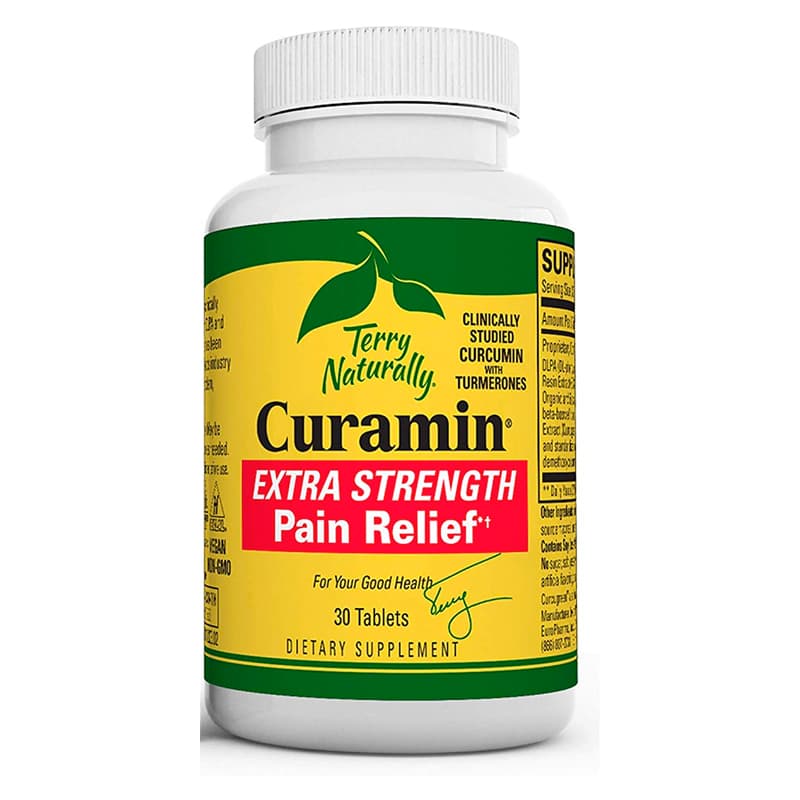
CDC Morbidity and Mortality Weekly Report, 2014Nattokinase is the lead active here, studied most for blood flow. In the 2,706 mg Proprietary Complex with three others, listed fourth. Curcumin is the most studied active here, with 14 human studies behind it, each one cited. Who it fits: for everyone, adults.
Verified by IngredientMDThe panel on the left is the one we evaluated, line by line.
All 5 actives checked against the clinical evidence: dose, form, and what the research actually shows.
Doses, ratios, and how the ingredients work together. That assessment is the verdict above: "Backed by human trials".
The verdict is public and identical whether or not a brand pays. A formula that does not clear the bar gets nothing.
Read by the engine against 2.1 million data points from clinical trials, PubMed and more than a hundred vetted sources. No individual reviewer is named or implied.
Cross-checked against 155 documented interactions for these actives.
Public health figures the engine matched to this formula's ingredients. Reported by their source, cited and dated, never written by the brand.
89% of US adults
aged 19 and over consumed more than the recommended 2,300 milligrams of sodium a day, in a CDC analysis of 2009 to 2012 dietary survey data.
CDC Morbidity and Mortality Weekly Report, 201457.6%
During 2017 to 2018, 57.6% of US adults aged 20 and over reported using a dietary supplement in the past 30 days.
CDC National Center for Health Statistics65.5% of US adults aged 20 to 64
had a blood cholesterol check by a health professional in the past 12 months in 2017, up from 58.0% in 2012, in the National Health Interview Survey.
CDC National Center for Health Statistics, 2019Fewer than 1 in 5 US adults
know their cholesterol or blood sugar numbers, according to a national survey fielded for The Ohio State University Wexner Medical Center in December 2023.
SSRS Opinion Panel Omnibus for The Ohio State University Wexner Medical Center, 20239% of US women
and 5% of US men are getting the recommended daily amount of dietary fibre, based on National Health and Nutrition Examination Survey data collected from 2013 to 2018.
American Society for Nutrition, 202159 to 66 days
was the median time it took adults to make a new daily health habit automatic across the studies a 2024 review pooled, with individuals ranging from 4 to 335 days.
Systematic review and meta-analysis, 202461% to 74%
About 61 to 74 percent of adults refilling a long-term medicine on their own stopped within a year, versus 33 to 44 percent on one set pickup day.
Cohort study, 2015Meta-analysis, 2022
Across 10 randomised trials, curcumin taken around hard exercise lowered creatine kinase by about 66 IU/L, reduced muscle soreness ratings and widened joint range of motion by about 6.5 degrees.
Phytotherapy ResearchMeta-analysis, 2024
Pooled trials found that Boswellia oleogum resin extracts improved knee joint comfort and physical function scores in adults with knee joint discomfort compared with placebo.
Phytotherapy research : PTRRandomised trial, 2023
A Boswellia serrata extract, an omega-3 based product, and their combination were compared for pain and function scores in people with joint discomfort during activity.
NutrientsRandomised trial, 2025
A standardised Boswellia serrata extract improved knee joint function scores and measures of cartilage morphology over the trial period compared with placebo.
Journal of the American Nutrition AssociationRandomised trial, 2023
A four-month trial of a nattokinase plus red yeast rice supplement reported blood fat measure changes versus placebo.
NutrientsSystematic review, 2026
An umbrella review found curcumin formulas eased knee pain and improved function scores in adults, most often using absorption-boosted versions.
Frontiers in medicineMeta-analysis, 2025
Pooling trials, curcumin supplementation was linked to small improvements in overall cognitive performance in adults.
Frontiers in nutritionMeta-analysis, 2025
In adults with raised blood sugar, turmeric or curcumin supplementation was linked to small reductions in body weight and waist circumference.
The paperRandomised trial, 2024
Across 9 trials in 712 adults, standardized boswellia serrata extract lowered pain scores by about 10.7 points and stiffness scores by about 5.5 points versus control, with one extract showing larger, unconfirmed, subgroup changes.
ExploreMeta-analysis, 2025
A network meta-analysis comparing nutritional supplements used for knee joint comfort, with curcumin among the compared entries and ranking uncertainty acknowledged by the authors.
NutrientsRandomised trial, 2025
A combined turmeric and Boswellia formulation reduced posture-related low back soreness and discomfort in adults compared with placebo, so the effect belongs to the combination rather than Boswellia alone.
Journal of back and musculoskeletal rehabilitationRandomised trial, 2025
A standardised combination of Boswellia serrata and Terminalia chebula extracts was assessed against a control for joint comfort and mobility measures.
Frontiers in NutritionRandomised trial, 2008
In adults with above-normal blood pressure, eight weeks of nattokinase lowered systolic blood pressure by about 5.5 mmHg and diastolic by about 2.8 mmHg compared with placebo.
The paperMeta-analysis, 2023
Pooling randomised trials, nattokinase supplementation was associated with small reductions in systolic and diastolic blood pressure and in LDL cholesterol, with the authors calling the trial pool small.
Reviews in cardiovascular medicineRandomised trial, 2021
A trial measured carotid artery wall thickness by ultrasound as its main endpoint over the supplementation period.
Clinical Hemorheology and MicrocirculationRandomised trial, 2019
In healthy adults, nattokinase lengthened collagen-epinephrine closure time, a laboratory measure of how quickly platelets plug a wound, while prothrombin time was little changed.
Food & functionRandomised trial, 2015
In 12 healthy young men, a single dose of nattokinase raised clotting-related blood markers and lengthened clotting time for hours.
Scientific reportsMeta-analysis, 2023
Pooling 66 randomised trials, curcumin or turmeric lowered C-reactive protein by about 0.58 mg/L, TNF-alpha by about 3.48 pg/mL and IL-6 by about 1.31 pg/mL, while IL-1 beta showed no detectable change.
CytokinePopulation figures from public health data. Context for the category, not a statement about any individual and not a claim about this product.
Each line below was derived from this formula's own record at the time of verification. Nothing here was written by the brand, and nothing can be added that the evidence does not carry.
Time-to-effect windows the engine read from the trial record. Each is a window a named study measured, cited and dated, never written by the brand.
A meta-analysis of randomised trials pooled nine trials for C reactive protein and 23 for high sensitivity C reactive protein in proinflammatory conditions. Pooled CRP fell by a weighted mean of 3.67 mg/L against placebo, and the subgroup analysis placed that fall in interventions running longer than ten weeks, with the high sensitivity CRP effect appearing in trials of ten weeks or less and at doses at or under 1,000 mg a day. An earlier meta-analysis of 19 trials in chronic inflammatory disease, with follow up of 4 to 16 weeks, found no significant change in CRP, hsCRP, IL-6 or TNF alpha. Heterogeneity was high across both reviews, and the measure is a blood marker rather than a symptom.
Windows measured in the cited trials. Context for how the active behaves over time, not a statement about any individual and not a claim about this product.
Four ingredients, from each one's own page.
When a shift in mood or alertness shows up, it tends to land inside the first week. A formal onset curve for the racemic mix has not been measured.
Before joint comfort scores start to move in trials, with most of the change landing between weeks four and eight.
Joint comfort and inflammatory markers are where the change is measured, so it shows up as a slow shift rather than a same-day effect.
Enzyme activity starts within hours of a dose. The circulation measures researchers follow move across roughly four to eight weeks of daily use.
How each ingredient usually behaves over time, from its own page on IngredientMD. General timing for the ingredient, not a measurement of this product.
What each form is, and where it fits in a formula. Measured findings carry the study that reported them.
The single naturally occurring enantiomer, typically produced by bacterial fermentation, which yields the L form directly
Descriptions of the form itself, read from the cited studies. Not a comparison between products and not a statement about any individual.
It is a tablet, so the amount per serving is fixed and it stores well.
Put an earned verification on your own product page.
These statements have not been evaluated by the Food and Drug Administration. This product is not intended to diagnose, treat, cure, or prevent any disease. This record is not medical advice. Always consult your healthcare provider before starting any supplement regimen.