Beta-Methylphenylethylamine.
This is the same synthetic stimulant as BMPEA under a longer name. It's a positional isomer of amphetamine that drives noradrenaline release, raising heart rate and blood pressure.
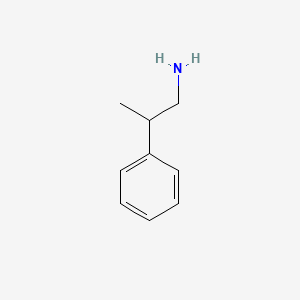 Compound
- Category
- Compound
What Beta-Methylphenylethylamine is, and what it does.
- Does it work
- It sits on the World Anti-Doping Agency prohibited list and is usually undeclared, so athletes and anyone tested at work need to know both spellings of it.
- How much to take
- No dose is on record for human use, and the 12 published records do not support inferring one. It's typically hidden inside a proprietary blend with no amount stated.
- Time to feel it
- Stimulants on this scaffold act within roughly half an hour to an hour orally. No study has timed this compound in people.
- The first dose
- Day one would follow the class pattern: a quicker pulse and higher blood pressure. That first day has not been documented for this compound in humans.
- With regular use
- Nobody has measured repeated daily intake in people. The known long-run consideration is the continued adrenergic load that this class of amine places on the circulation.
- How well tolerated
- The safety picture is the main story. Peripheral adrenergic activity lifts heart rate and blood pressure, and it turns up undeclared, so talk to a clinician before any exposure.
- How it feels
- Amphetamine-like amines are described as alerting and jittery, often with a pounding pulse. The subjective experience of this molecule has not been formally recorded.
- The overlooked benefit
- Knowing the naming is the practical win: hydrochloride salt, free base, BMPEA, or a plant name on the panel can all mean this one molecule.
The proof, claim by claim.
What these words mean
These words describe the research, not the molecule's worth. Research strength is how much work stands behind one claim, and it is never a product score.
- Indirect sympathomimetic displacement of noradrenalineNarrative review
- Raised heart rate and blood pressure as a class effectAnimal study
2 more claims
- Identity with beta-methylphenethylamineNarrative review
- Prohibited in sport under the stimulant classNarrative review
Why these belong in the same formula, 4 pairings
Why these belong in the same formula. Each row says what the basis is, from settled biochemistry through to a trial that measured the pair.
Caffeine acts on adenosine receptors and raises circulating catecholamines while this amine releases stored noradrenaline directly. The cardiovascular effects add. Products carrying the amine almost always carry caffeine as well, inside the same undisclosed blend.
Anhydrous caffeine delivers a fast, high peak, and pairing that peak with a noradrenaline releaser compresses two pressor effects into the same window. The result is a sharper heart rate and blood pressure response than either component alone. This is the most common real-world stack for this compound.
Green tea catechins inhibit COMT, the enzyme that clears noradrenaline. Combined with an amine that increases noradrenaline release, less gets cleared per unit released. The mechanism is characterised but the size of the effect in a person taking both has not been measured.
Rhodiola constituents have weak monoamine oxidase activity in enzyme assays. Stacking that with a releasing amine puts two inputs on the same transmitter pool. Reasoning here is mechanistic and points toward caution rather than pairing.
Nothing specific on file for Beta-Methylphenylethylamine. Match the label to the daily amount above, and tell your doctor what you take.
Not medical advice. Show the label to your pharmacist.What Beta-Methylphenylethylamine actually does.
This is just another name for the same molecule as beta-methylphenethylamine, a compound structurally very close to amphetamine, differing only in where one methyl group sits.
2 more mechanisms
Compounds with this structure work by pushing noradrenaline out of nerve storage sites and blocking its reuptake, which is why heart rate and blood pressure tend to rise with this class.
This compound is on the World Anti-Doping Agency's banned stimulant list, and because it's usually not disclosed on labels, an athlete could run into it without any warning.
Where Beta-Methylphenylethylamine comes from.
Same molecule as BMPEA, spelled the long way. A lab-made stimulant close in structure to amphetamine, usually hidden inside a proprietary blend under a plant name.
What this route gives you
Chemically synthesised. The molecule is identical to the one a plant or an animal makes, and building it deliberately means a known purity, a fixed dose and no crop contaminants. For several nutrients this is the only route that reaches a usable amount.
4 steps on record
Chemical synthesis from simple aromatic starting materials. No practical botanical source at the amounts detected in finished products.
Methylation at the beta carbon distinguishes it from amphetamine, which is methylated at the alpha carbon.
Isolated as the salt for stability and handling.
Enters products inside undisclosed blends, most often under Acacia rigidula labelling.
Neither the compound nor its dose is typically stated on the panel.
The forms it comes in.
1 more form
FDA Disclaimer: These statements have not been evaluated by the Food and Drug Administration. This information is for educational purposes only and is not intended to diagnose, treat, cure, or prevent any disease. Consult your healthcare provider before starting any supplement regimen.