Hydroxypropyl Methylcellulose.
The material that makes vegetarian capsule shells. That's its entire job. Forms the shell of vegetarian capsules. Dissolves in the stomach to release supplement contents.
Reviewed March 2026
- Category
- General
- Also filed under
- Vegetarian capsule materialControlled release coating
What Hydroxypropyl Methylcellulose is, and what it does.
- Does it work
- Not a health ingredient. It's the container for your supplement.
- How much to take
- Not applicable. It's the capsule shell (typically 80-120mg per capsule).
- Time to feel it
- No onset of its own. A capsule shell wets and opens in stomach fluid in minutes. A matrix grade is built to meter release out over hours instead.
- The first dose
- You swallow a capsule. It dissolves. Contents are released. Done.
- With regular use
- Nothing builds up. It isn't digested or absorbed, so month after month its contribution is a shell that opens on time or a matrix that meters release over hours.
- How well tolerated
- Well tolerated. FDA GRAS. Used in millions of products.
- How it feels
- Swallowing it feels like any capsule. There's no sensation from the shell itself, and whatever you notice belongs to the ingredients it carried.
- The overlooked benefit
- It holds much less water than a gelatin shell, which is why live cultures, enzymes and hygroscopic salts are usually put into hypromellose capsules.
The proof, claim by claim.
These words describe the research, not the molecule's worth. Research strength is how much work stands behind one claim, and it is never a product score.
- Vegetarian alternative to gelatin capsules
- May dissolve slower than gelatin
Questions people ask about Hydroxypropyl Methylcellulose.
- What's a veggie capsule made of?
- HPMC (hydroxypropyl methylcellulose), a modified plant fiber. It's the standard material for non-gelatin capsules.
- Is HPMC safe?
- Extremely. It's used in eye drops, pharmaceuticals, food, and supplements. It passes through your body without being absorbed.
- Are veggie caps as effective as gelatin caps?
- Yes. They dissolve slightly slower (20-30 minutes vs 10-20 for gelatin), but this rarely matters for supplement absorption.
- Is HPMC vegan?
- Yes. It's derived from plant cellulose with no animal products involved.
- Is hypromellose the same as HPMC?
- Yes. Hypromellose is just the shorter pharmaceutical name for hydroxypropyl methylcellulose. Same thing.
Why these belong in the same formula. Each row says what the basis is, from settled biochemistry through to a trial that measured the pair.
HPMC alone sets too slowly to strip cleanly off capsule dipping pins, so a small amount of gellan gum is added as the gelling aid that sets the shell on cooling. The two together are what makes a plant capsule shell manufacturable.
Carrageenan with a potassium salt is the older gelling system used to make HPMC capsule shells set on the pin. It performs the same structural job gellan gum does in newer shells.
Water-soluble HPMC is combined with insoluble ethylcellulose in film coats so that the soluble fraction dissolves away and leaves pores through the insoluble film. Adjusting the ratio sets how quickly the coat becomes permeable.
Lactose is the soluble filler blended into an HPMC matrix tablet, where it dissolves and creates channels through the hydrated gel layer. Its level is one of the main handles on release rate from that matrix.
At gram intakes both hydrate into a viscous solution that thickens gut contents, slowing gastric emptying and the rate at which dissolved sugars reach the mucosa. The viscosity contributions add, so the effect on transit is greater than either alone.
Psyllium and HPMC are both viscosity-forming soluble materials that hold water and thicken luminal contents. Taken together they raise viscosity further and slow the diffusion of dissolved nutrients toward the gut wall.
Plant sterols displace cholesterol from mixed micelles, while a viscous cellulose ether raises the diffusion barrier and lowers bile acid reabsorption. The two act at separate points of sterol handling in the small intestine.
Gelatin shells are animal-derived collagen hydrolysate. Hypromellose shells are plant-cellulose derived, which is why the stored claim calls HPMC a vegetarian alternative to gelatin capsules. Gelatin shells cross-link when exposed to aldehydes and can slow their own rupture over shelf life, while hypromellose does not carry that particular ageing route. A product uses one or the other, not both.
Pullulan is a fermentation-derived glucan shell with low oxygen permeability, which suits oxygen-sensitive fills. Hypromellose is the more common non-gelatin shell and takes gelling aids such as gellan gum. The two occupy the same slot in a formula and a manufacturer picks between them on barrier properties and cost.
Microcrystalline cellulose gives compression strength and bulk in a tablet core. Hypromellose supplies the binder or the release-controlling matrix around it. They come from the same feedstock but do different jobs. The pairing is standard tablet practice.
Magnesium stearate reduces friction at the punch and die faces so a tablet or capsule fill runs at speed. It is hydrophobic, so over-blending it can slow water reaching a hypromellose matrix and delay gel layer formation. Blend time is the control point, not the choice of ingredient.
Colloidal silicon dioxide breaks up particle bridging so a hygroscopic hypromellose blend flows evenly into a capsule or a die cavity. Without it, high-viscosity grades pick up moisture and bridge. This is settled processing practice.
Sodium alginate forms an ionic gel in acid conditions while hypromellose forms a neutral hydrated gel layer, so the two together produce a matrix whose behaviour changes less across a pH gradient. Formulators combine them for that reason. The behaviour is measured in dissolution testing rather than in people.
Xanthan is an anionic polysaccharide with high low-shear viscosity, useful for holding particles in suspension. With hypromellose it thickens a liquid or slows diffusion out of a tablet matrix. The combination is a rheology decision, not a nutritional one.
Hydroxypropyl cellulose lacks the methyl substitution that gives hypromellose its thermal gelation behaviour, so it stays soluble in hot water. Blending the two adjusts film flexibility and tack during coating. Each brings a different substitution pattern to the same job.
Titanium dioxide scatters light and makes a shell or coat opaque, which shields light-sensitive fills. Several jurisdictions have moved away from it as a food additive, so calcium carbonate, rice starch and iron oxides now appear in its place in hypromellose shells. The change is regulatory, not performance-driven.
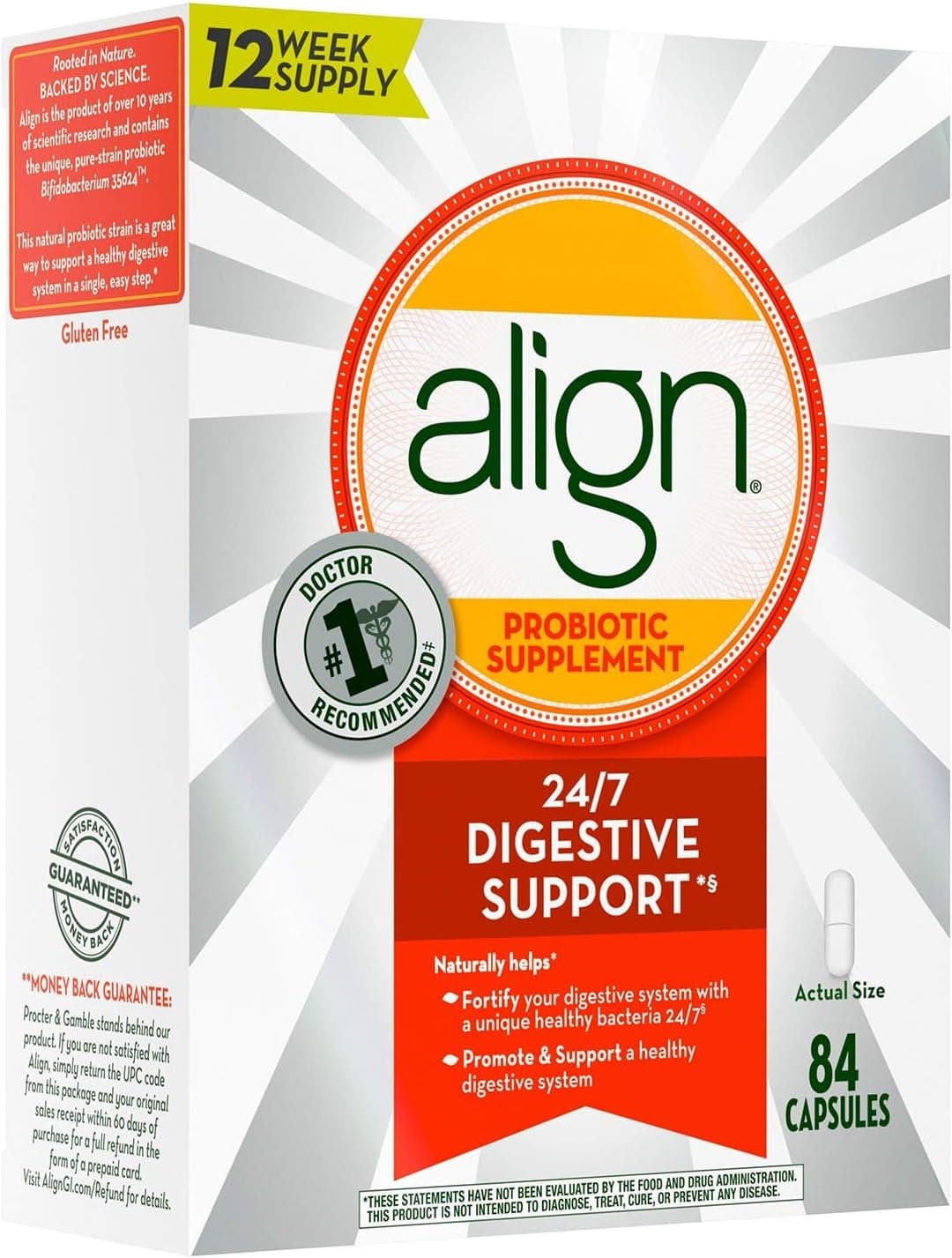
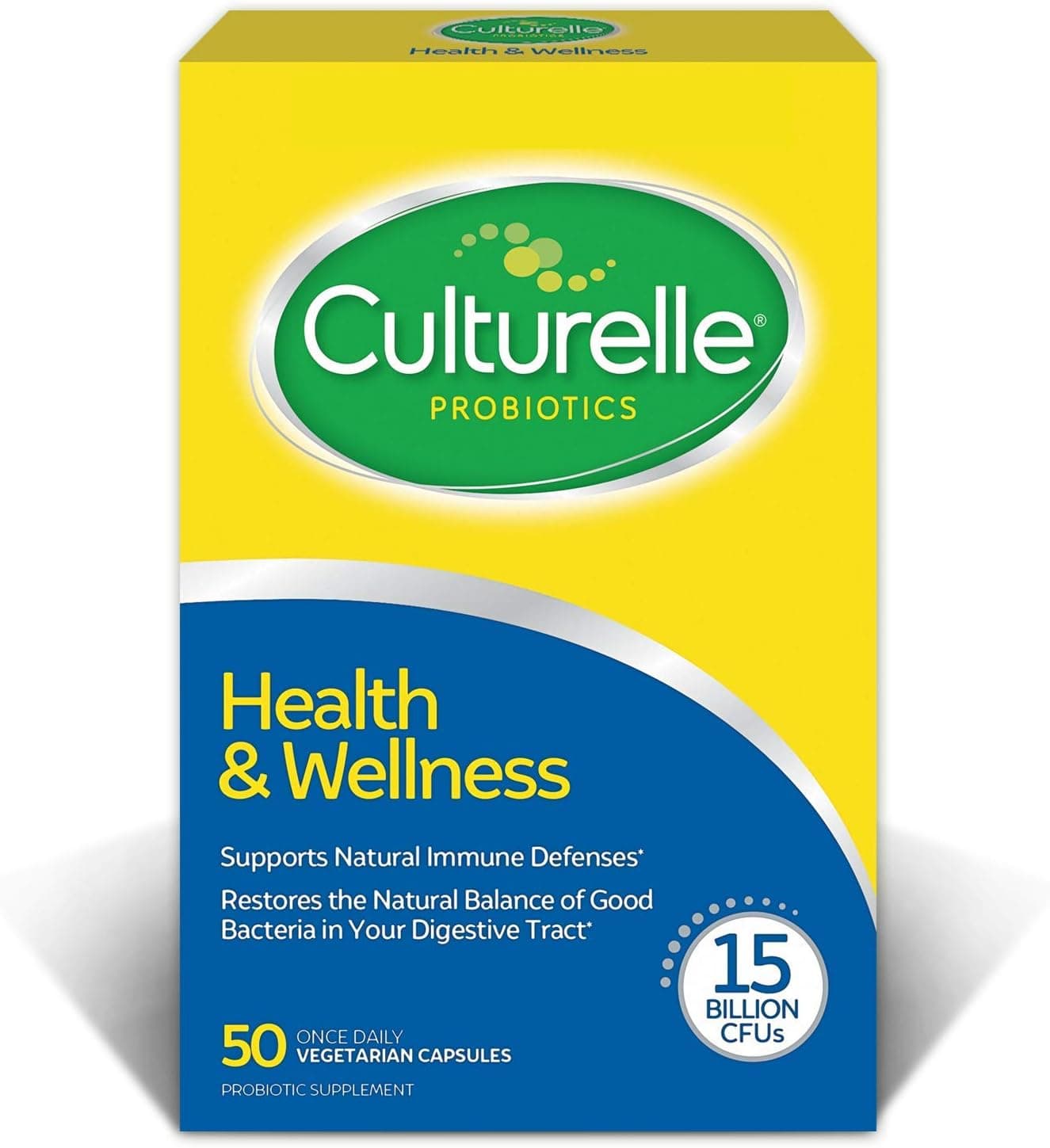
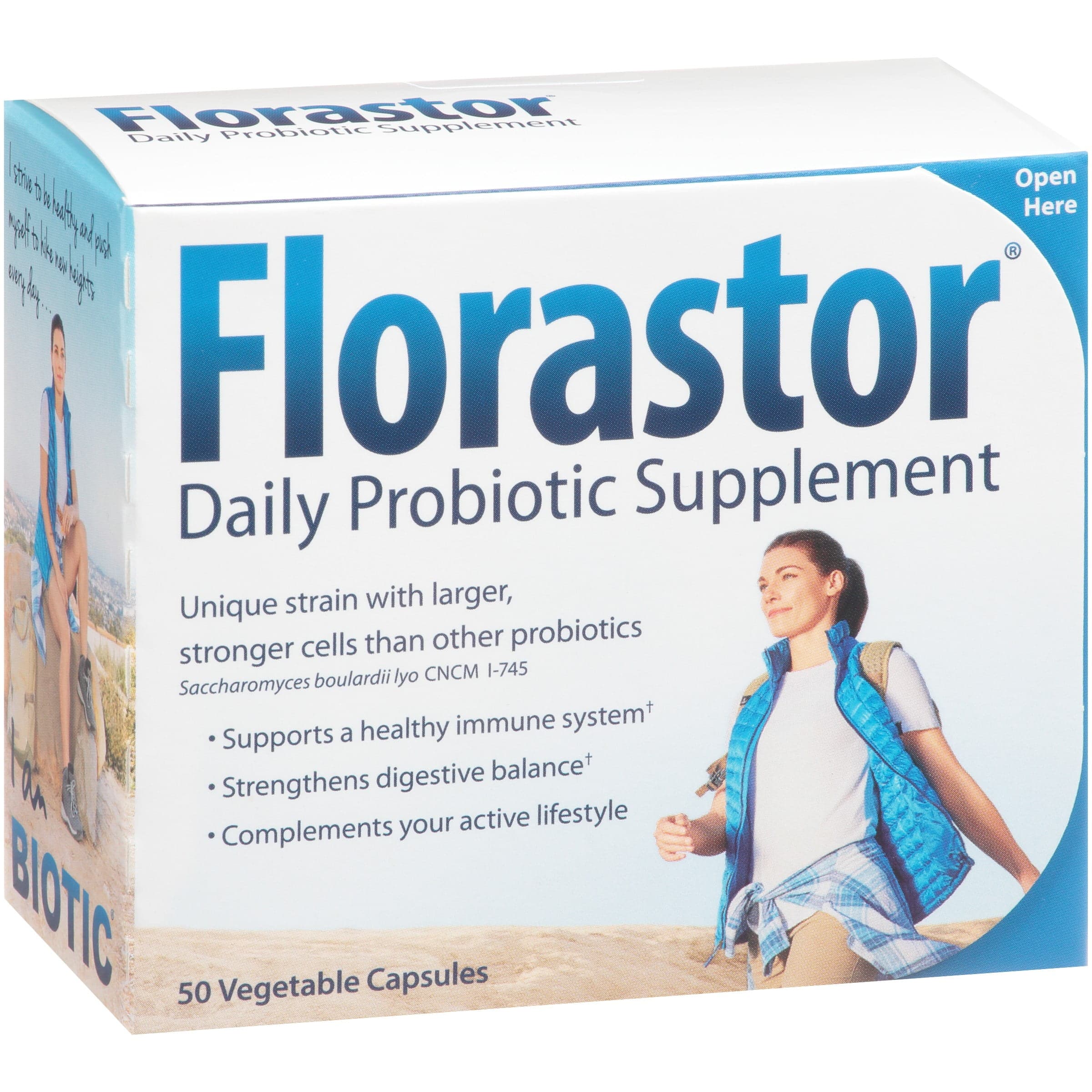
Live cultures lose viability as water activity rises, and hypromellose shells hold a lower equilibrium moisture content than gelatin shells, which sit around 13 to 16 percent water. That is the practical reason probiotic capsules are usually hypromellose. Viability at end of shelf life is a count, not a health outcome.
Enzyme activity falls as the shell donates water to the fill over shelf life, so a low-moisture shell keeps declared activity longer. Hypromellose is the usual choice for that reason. Enzyme activity units are a specification, not a clinical result.
A high-viscosity hypromellose matrix hydrates into a gel layer that meters diffusion out of the tablet over hours, which is how biphasic and extended-release melatonin tablets are built. The release curve is set by polymer grade and tablet geometry. Dissolution profile is an in vitro measurement, not an in vivo outcome.
Softgel shells for oil fills are conventionally gelatin or a starch and carrageenan system, because a two-piece hypromellose capsule needs a banded or sealed joint to hold a liquid fill. Where a plant-based oil capsule is wanted, sealed hypromellose or a modified starch shell is the route taken. The constraint is mechanical sealing.
Ascorbic acid draws moisture and lowers local pH, which over shelf life can soften a shell or promote browning at the fill and shell interface. Lower-moisture hypromellose shells reduce that water exchange compared with gelatin. This is stability handling, not an absorption effect.
Ferrous salts oxidise in the presence of water and oxygen, which shows up as colour change inside a capsule. A drier shell and an opaque coating both slow that. The consideration is cosmetic and stability-related rather than a change in how much iron is absorbed.
Talk to a doctor before taking Hydroxypropyl Methylcellulose if any of these apply to you: None significant. These are flags to check first, not effects Hydroxypropyl Methylcellulose is known to cause.
Not medical advice. Show the label to your pharmacist.What Hydroxypropyl Methylcellulose actually does.
Hypromellose is a modified plant fiber made by attaching certain chemical groups to cellulose, and the mix of those groups determines how it dissolves and gels.
Human digestive enzymes can't break the bonds holding it together, so it passes through the gut undigested and provides essentially no calories, the same reason plain cellulose isn't absorbed.
Unlike gelatin, this material dissolves in cold water and turns to gel when heated, which is why plant-based capsule shells made from it are manufactured differently and often need an added gelling ingredient.
In a tablet, it swells with fluid and forms a gel layer on the surface that controls how fast the drug or nutrient inside diffuses out, with release speed depending on the polymer type and amount used.
Getting Hydroxypropyl Methylcellulose from food.
The whole-food sources on file. A supplement closes the gap, it does not replace dinner.
A gram-for-gram figure (how much of each you would eat to match a dose) will appear here once it is sourced and reviewed. This page will not print a number it cannot cite.
The forms it comes in.
The essence, in one line each.
- A development and characterisation study of a Bacillus coagulans oral fast-melt film in which cellulose-ether film formers including hypromellose are used to build and characterise the dosage form. The readouts are physical film properties, not clinical outcomes.In vitro study. Ying Tan et al., 2026 (Current Pharmaceutical Design). PMID 41879461 ↗
- An encapsulation optimisation study reporting stability and controlled release of co-encapsulated probiotics and vitamin B12, with polymer wall materials of the cellulose-ether class named in the formulation work.In vitro study. Yan et al., 2025 (Current Research in Food Science). PMID 40978511 ↗
- Stromal and epithelial riboflavin concentrations were quantified after a hypromellose-containing riboflavin vehicle was applied. The measurement is tissue concentration, a marker of delivery rather than a health outcome, and the route is topical ophthalmic rather than oral.Open-label trial. Thaware et al., 2025 (Translational Vision Science and Technology). PMID 41222196 ↗
- A randomised placebo-controlled study of dill extract in which cellulose-based capsules provide the blinded dosage form. The trial evaluates the botanical fill, not the shell material.Randomised trial. Destek et al., 2025 (Journal of Medicinal Food). PMID 40329862 ↗
These are the studies our verdict leans on, chosen from the 4 we read for Hydroxypropyl Methylcellulose. The full linked list is below.
The studies, linked.
1 source behind our Hydroxypropyl Methylcellulose verdict: peer-reviewed studies and registered clinical trials. Every one links straight to PubMed, the journal, or ClinicalTrials.gov. Read them yourself.
- Clinical trialComparison of Autologous Serum Versus Preservative Free Artificial Tear in Patients With Dry Eye Due to Systemic Isotretinoin TherapyClinicalTrials.gov ↗Phase 4, 24 participants, Completed
Evidence surfaced via Semantic Scholar (Allen Institute for AI) and ClinicalTrials.gov. Ranked by study type and citation weight, not cherry-picked.
Problems people have reported.
Read this carefully. These are 202 voluntary, unverified reactions reported to the FDA (openFDA). The number mostly reflects how popular Hydroxypropyl Methylcellulose is, not how risky it is. A report is not proof Hydroxypropyl Methylcellulose caused anything. It is a signal of what to watch for, nothing more.
Source: openFDA adverse-event reports. Voluntary reporting, not an incidence rate.
FDA Disclaimer: These statements have not been evaluated by the Food and Drug Administration. This information is for educational purposes only and is not intended to diagnose, treat, cure, or prevent any disease. Consult your healthcare provider before starting any supplement regimen.