Methylsynephrine.
It acts at adrenergic receptors to raise heart rate, cardiac output and blood pressure. US regulators say it doesn't meet the statutory definition of a dietary ingredient.
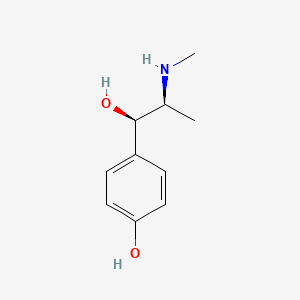 Compound
- Category
- Compound
What Methylsynephrine is, and what it does.
- Does it work
- Useful to know if you read labels closely. It's a synthetic stimulant, sometimes listed under a plant name, and athletes will test positive for it as oxilofrine.
- How much to take
- No intake amount is on record and none is established for supplement use. Since it isn't a dietary ingredient, there's no daily band to give.
- Time to feel it
- Sympathomimetic amines act within about an hour of an oral dose. What moves first is heart rate and blood pressure.
- The first dose
- Day one can bring a stimulant push and, in adverse event reports, palpitations, chest discomfort and vomiting alongside it.
- With regular use
- The published file runs to 32 records and none of it describes long-term supplement use. Nobody has measured what daily use does over weeks.
- How well tolerated
- Palpitations, chest discomfort and vomiting appear in adverse event reports, and it's a prohibited stimulant in competition. Anyone on cardiovascular medicine should speak to a clinician.
- How it feels
- Like a strong stimulant: a fast, forceful heartbeat, warmth and edginess. Some people report chest discomfort and nausea rather than a clean lift.
- The overlooked benefit
- The other names are the giveaway. Oxilofrine, hydroxyephrine and an Acacia rigidula or bitter orange extract on a label can all point to the same synthetic compound.
The proof, claim by claim.
What these words mean
These words describe the research, not the molecule's worth. Research strength is how much work stands behind one claim, and it is never a product score.
- Adrenergic stimulation of heart rate and blood pressureNarrative review
- Adverse effects reported with stimulant products containing itNarrative review
1 more claim
- Detection in athletes under anti-doping testingNarrative review
Why these belong in the same formula, 4 pairings
Why these belong in the same formula. Each row says what the basis is, from settled biochemistry through to a trial that measured the pair.
Anhydrous caffeine reaches peak plasma levels faster than caffeine delivered in a food matrix, which sharpens the peak of the combined cardiovascular response. Stacking it with an adrenergic agonist compresses two pressor effects into the same window. Blend labels that list both should be read as a single combined stimulant load, not two separate ingredients.
Standardised green tea extracts usually carry caffeine, and the catechins slow catecholamine breakdown by inhibiting catechol-O-methyltransferase. Both push in the same direction as an adrenergic agonist. The stimulant contribution of a green tea extract is easy to miss on a label that highlights only the catechin figure.
Yohimbine blocks presynaptic alpha-2 receptors, which lifts noradrenaline release, while methylsynephrine stimulates receptors directly. Combining a releaser-type effect with a direct agonist raises heart rate and blood pressure more than either does alone. Anxiety and palpitations are the usual first signs that the stack is too much.
Higenamine is a beta-adrenergic agonist that frequently appears in the same category of blends. Two beta agonists in one formula add at the receptor. Both compounds also sit on competitive sport prohibited lists, so the pairing carries a doubled testing risk for anyone competing.
Nothing specific on file for Methylsynephrine. Match the label to the daily amount above, and tell your doctor what you take.
Not medical advice. Show the label to your pharmacist.What Methylsynephrine actually does.
It is a lab-made stimulant built on the same skeleton as ephedrine.
3 more mechanisms
As a stimulant compound, it acts on the same nerve receptors that raise heart rate, blood pressure and cardiac output, which is likely the same mechanism behind reported palpitations, chest discomfort and vomiting.
It does not come from a plant, whatever the label says.
Regulators including the FDA have said this doesn't meet the legal definition of a dietary ingredient, and anti-doping authorities list the related compound oxilofrine as a banned stimulant in competition.
Where Methylsynephrine comes from.
This is a synthetic stimulant related to ephedrine that turns up in pre-workout and weight-loss products, sometimes hidden behind a plant name. It is not a supplement ingredient and athletes will test positive for it.
What this route gives you
Chemically synthesised. The molecule is identical to the one a plant or an animal makes, and building it deliberately means a known purity, a fixed dose and no crop contaminants. For several nutrients this is the only route that reaches a usable amount.
4 steps on record
Chemical synthesis from a hydroxyphenyl ketone starting material, not from any plant source
Builds the N-methyl beta-hydroxy amine side chain that gives the molecule its adrenergic activity
Isolated as the hydrochloride or sulfate for handling
Supplied as a bulk stimulant powder, historically also produced as a pharmaceutical for circulatory indications in some European markets
The forms it comes in.
3 more forms
FDA Disclaimer: These statements have not been evaluated by the Food and Drug Administration. This information is for educational purposes only and is not intended to diagnose, treat, cure, or prevent any disease. Consult your healthcare provider before starting any supplement regimen.