
Vitamin CNHANES 2005 to 2016
About 46% of US adults
take in less vitamin C than the estimated average requirement.
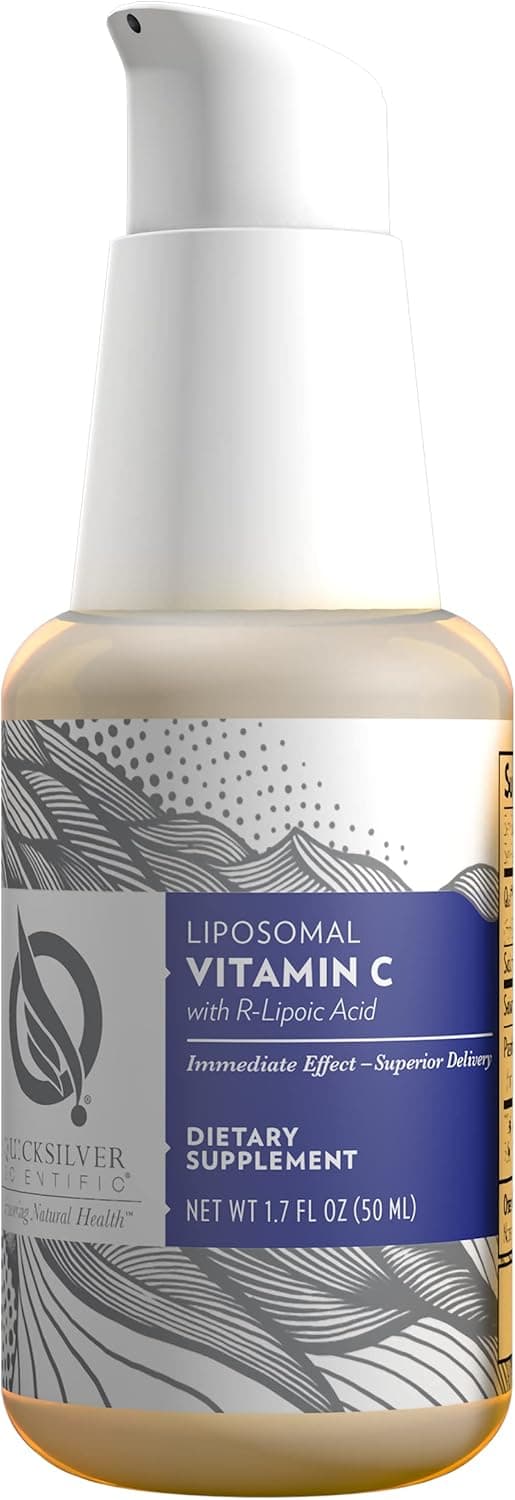
Peer-reviewed analysisVitamin C is the lead active here, studied most for iron status. 20 human studies on Vitamin C back this formula, each one cited. Each serving carries 1,000 mg of Vitamin C, inside the range the published research used. Who it fits: for everyone, adults.
 Verified by IngredientMD
The panel on the left is the one we evaluated, line by line.
All 3 actives checked against the clinical evidence: dose, form, and what the research actually shows.
Doses, ratios, and how the ingredients work together. That assessment is the verdict above: "Strong evidence, strong dose".
The verdict is public and identical whether or not a brand pays. A formula that does not clear the bar gets nothing.
Read by the engine against 2.1 million data points from clinical trials, PubMed and more than a hundred vetted sources. No individual reviewer is named or implied.
Cross-checked against 956 documented interactions for these actives.
Public health figures the engine matched to this formula's ingredients. Reported by their source, cited and dated, never written by the brand.
About 46% of US adults
take in less vitamin C than the estimated average requirement.
Peer-reviewed analysis74% of US adults
take dietary supplements, and 55% are regular users, in the Council for Responsible Nutrition's 2023 consumer survey of 3,192 adults.
Council for Responsible Nutrition and Ipsos, 202392% of US supplement users
agree that dietary supplements are essential to maintaining their health, in the Council for Responsible Nutrition's 2023 consumer survey.
Council for Responsible Nutrition and Ipsos, 202312.3% of US adults
met the fruit intake recommendation and 10.0% the vegetable recommendation in 2019, in the Behavioral Risk Factor Surveillance System across 49 states.
CDC, MMWR, 202215% of US adults
aged 20 and over ate no breakfast on the day of their dietary recall, in the 2017 to March 2020 What We Eat in America survey.
USDA Agricultural Research Service, 202457.6%
During 2017 to 2018, 57.6% of US adults aged 20 and over reported using a dietary supplement in the past 30 days.
CDC National Center for Health Statistics60.2% of US adults aged 20 and over
took a dietary supplement in the past 30 days, and 38.7% took two or more, in the 2021 to 2023 National Health and Nutrition Examination Survey.
CDC National Center for Health Statistics, 202659 to 66 days
was the median time it took adults to make a new daily health habit automatic across the studies a 2024 review pooled, with individuals ranging from 4 to 335 days.
Systematic review and meta-analysis, 202461% to 74%
About 61 to 74 percent of adults refilling a long-term medicine on their own stopped within a year, versus 33 to 44 percent on one set pickup day.
Cohort study, 2015Meta-analysis, 2011
Across 13 trials, about 500 mg of vitamin C daily lowered blood uric acid by roughly 0.35 mg/dL.
The paperControlled clinical trial, 2004
Adding vitamin C to an iron-fortified meal at a 4 to 1 ratio with iron raised non-heme iron absorption about 2.9-fold, from 4.1% to 11.7%.
American Journal of Clinical NutritionRandomised trial, 2026
Compared combined beta-alanine plus sodium bicarbonate against each alone on physical capacity measures in trained participants. The design is what makes the comparison informative for stacking decisions.
International Journal of Sports Physiology and PerformanceRandomised trial, 2020
In a controlled dietary intervention in adults, changing sodium and potassium intake shifted how the body handled calcium and phosphate, indicating that sodium intake affects normal mineral balance.
The Journal of Clinical Endocrinology and MetabolismRandomised trial, 2026
In repeated single-person trials, vitamin C raised blood levels by 20.6 micromol/L and lowered two stress markers, with day-to-day swings bigger than differences between people.
Free Radical Biology and MedicineMeta-analysis, 2014
Across 44 trials, vitamin C improved how well the blood vessel lining widens, a moderate effect of 0.50, larger at higher doses.
The paperSystematic review, 2026
A systematic review catalogued gastrointestinal symptoms reported across sodium bicarbonate dosing protocols and described how symptom burden varies with dose, timing and whether the dose is split or given with food.
European Journal of Sport ScienceRandomised trial, 2026
Krill oil, in which omega-3 fatty acids are largely phospholipid-bound, increased plasma omega-3 fatty acids more than fish oil over the study period.
The American journal of clinical nutritionRandomised trial, 2026
Microencapsulated sodium butyrate was tested against abdominal symptom scores and carbohydrate metabolism markers in adults with high blood sugar. Again a butyrate trial in which sodium is the carrier salt.
Scientific ReportsMeta-analysis, 2012
Pooling 29 randomized trials, vitamin C at a median of 500 mg a day lowered systolic blood pressure by about 3.8 mmHg and diastolic by about 1.5 mmHg over a median of eight weeks.
American Journal of Clinical NutritionRandomised trial, 2026
A randomised trial tested an algorithm-driven sodium supplementation protocol against usual care and measured growth in infants born preterm.
Pediatrics Open ScienceRandomised trial, 2025
In a trial of 104 very preterm infants, oral sodium supplementation raised daily weight gain by 3.6 grams per kilogram compared with placebo.
BMJ Paediatrics OpenPopulation figures from public health data. Context for the category, not a statement about any individual and not a claim about this product.
Each line below was derived from this formula's own record at the time of verification. Nothing here was written by the brand, and nothing can be added that the evidence does not carry.
Where a trial measured an actual number, we show it next to the claim. It is the average across the trials, never a promise about one person.
About 52 percent lower risk of developing a cold, in trials of people undergoing brief periods of severe physical exertion.
Read at the source. The magnitude sits beside the same trial the claim already cites. It describes what the trials measured, never what any one person will feel.
Time-to-effect windows the engine read from the trial record. Each is a window a named study measured, cited and dated, never written by the brand.
In a randomised crossover trial, 12 healthy adults consumed 101.7 mg of vitamin C as a powder, as raw fruits and vegetables, or as juice, and plasma vitamin C rose after every intake form, with plasma and urinary levels tracked over the 24 hours following the single dose.
In the excretion studies the EFSA reference opinion reviews, urinary output closely tracked dietary sodium once intake was held steady: 98% of dietary sodium appeared in 24-hour urine in a 3-day study, and 86% of sodium ingested over 4 weeks was recovered in 24-hour urine collected during the same period.
In the controlled metabolic study the EFSA reference opinion reviews, young men held at constant sodium intakes for 29 days per level showed rising average daily urinary aldosterone excretion as intake was stepped down from 4.9 g/day to 2.5 g/day.
Windows measured in the cited trials. Context for how the active behaves over time, not a statement about any individual and not a claim about this product.
Three ingredients, from each one's own page.
Blood levels rise within hours and tissue pools fill over days. Collagen-linked changes in skin and gums build over weeks and show as tissue quality, not as a sensation.
Fast. Sodium shifts fluid within an hour or two, which is why an electrolyte drink lands quickly when you have been sweating.
Membrane lipids turn over slowly, so what moves first is a blood marker or a gradual steadying over one to two months of daily use.
How each ingredient usually behaves over time, from its own page on IngredientMD. General timing for the ingredient, not a measurement of this product.
It is a liquid, so the serving can be adjusted and it suits anyone who would rather not swallow a capsule.
Where two of this brand's products carry actives the literature has read together, the pairing and its basis are below. The evidence word is the corpus row's own confidence, never a score.
Vitamin C and glutathione sit on the same antioxidant recycling loop, where glutathione regenerates oxidized vitamin C and adequate vitamin C spares glutathione from being consumed. Each one keeps the other in its reduced, working form.
redox recycling couple. No combination trial has tested this exact pairing.
The body makes part of its own phosphatidylcholine by adding three methyl groups to phosphatidylethanolamine, a step that draws on the methyl pool betaine helps refill. Supplying phospholipids directly reduces how much methyl currency that route spends.
Shared methylation pathway. No combination trial has tested this exact pairing.
Methionine synthase is a B12-dependent enzyme, and it is the step that converts homocysteine back to methionine using the folate methyl group. Without that step SAM regeneration slows and with it the methylation route to phosphatidylcholine. This is a cofactor relationship, not an additive effect.
Established enzymology. No combination trial has tested this exact pairing.
Put an earned verification on your own product page.
These statements have not been evaluated by the Food and Drug Administration. This product is not intended to diagnose, treat, cure, or prevent any disease. This record is not medical advice. Always consult your healthcare provider before starting any supplement regimen.