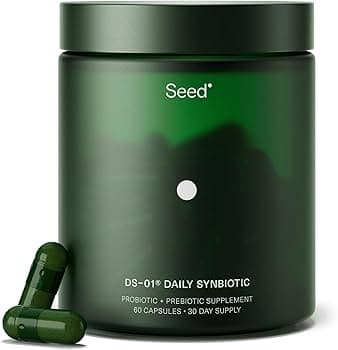
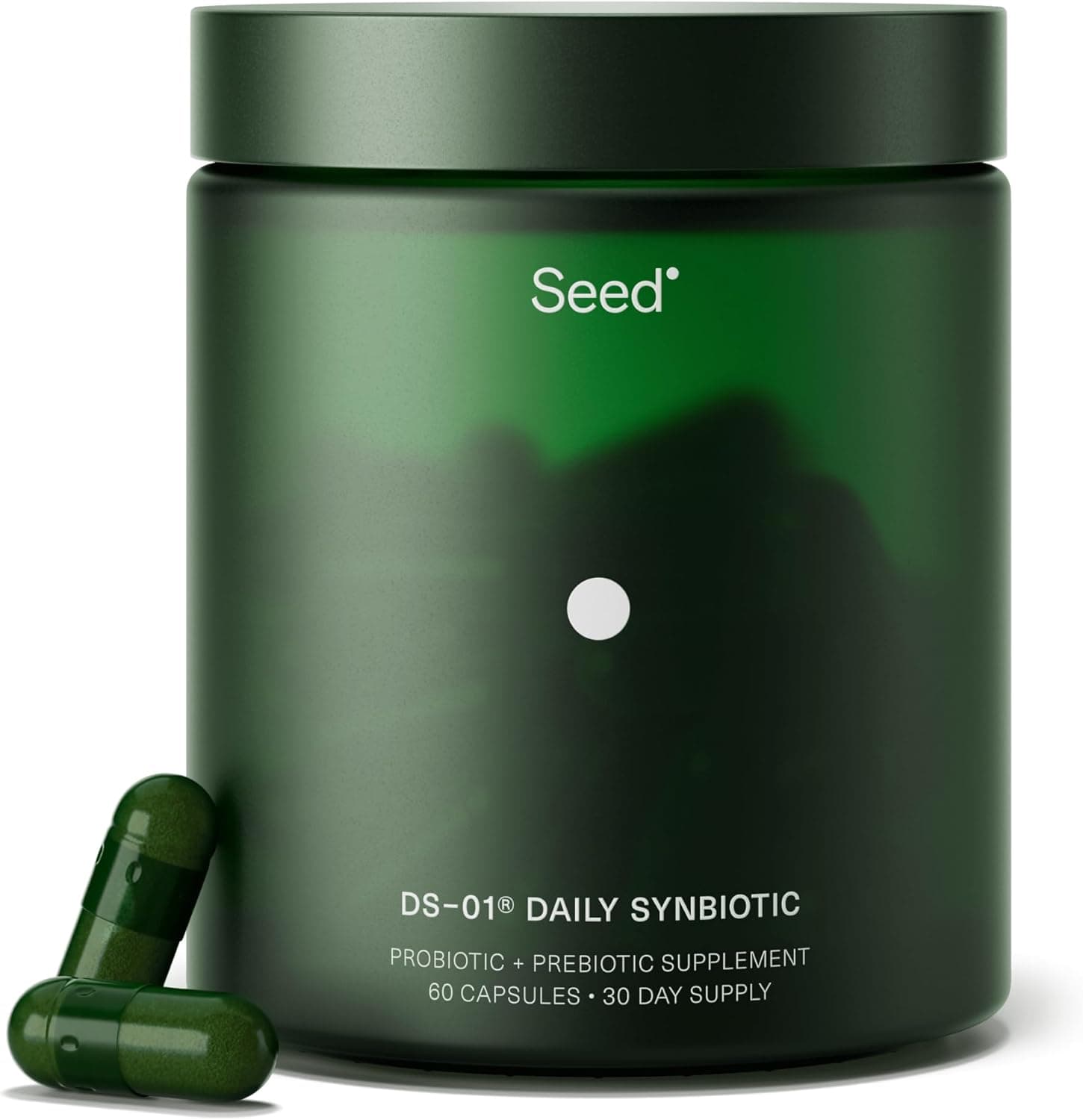
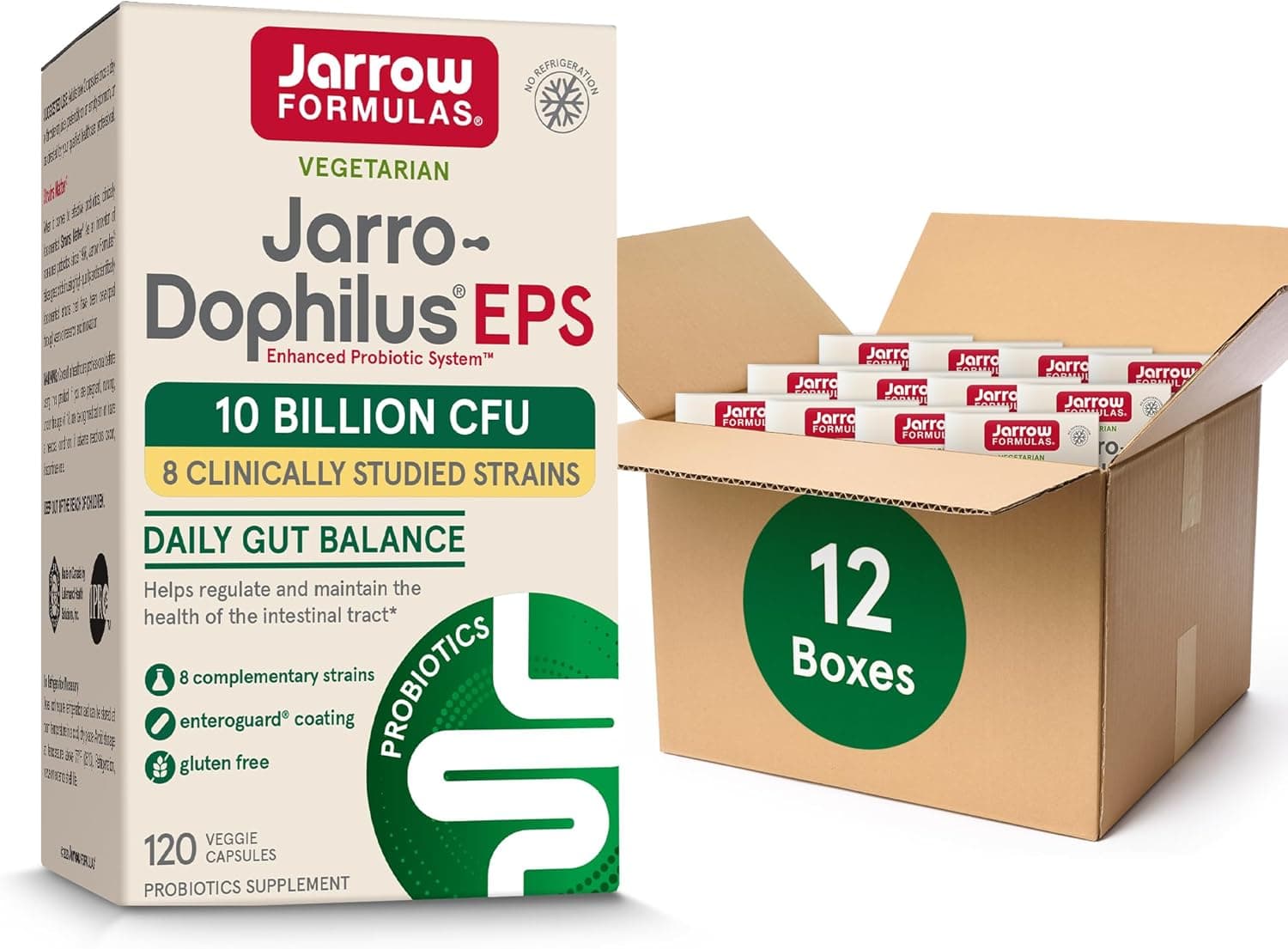
Bifidobacterium Breve M-16V.
Bifidobacterium Breve M-16V supplementation for targeted health support. Colonizes the infant gut, produces short-chain fatty acids, modulates immune response.
Reviewed March 2026
- Category
- Probiotic
What Bifidobacterium Breve M-16V is, and what it does.
- Does it work
- One of the best-documented probiotic strains. Especially valuable for infants and allergy-prone individuals.
- How much to take
- 1-10 billion CFU daily for adults. Lower doses for infants (follow product guidelines).
- Time to feel it
- Nobody has published a reliable time to effect for this strain in adults. The infant studies dosed daily for weeks, so weeks is the honest expectation rather than days.
- The first dose
- Nothing dramatic. May help infants with fussiness over days.
- With regular use
- Improved gut balance. Potential allergy prevention with early-life use.
- How well tolerated
- Well tolerated, including in infant studies run under clinical supervision. Anyone immunocompromised, seriously unwell or with a central line should ask a clinician before live cultures.
- How it feels
- Subtle digestive improvements. Less notable in healthy adults.
- The overlooked benefit
- A heat-treated version of the same strain exists. Those cells aren't alive, they're declared by cell count rather than colony forming units, and they act through a different subset of mechanisms.
1,000,000,000 to 10,000,000,000 CFU a day is where Bifidobacterium Breve M-16V works.
Source: ISAPP consensus statement 2019 + Ford 2014 meta-analysis
The proof, claim by claim.
These words describe the research, not the molecule's worth. Research strength is how much work stands behind one claim, and it is never a product score.
- Reduces infant eczema riskMultiple RCTs show significant reduction
- Well tolerated in premature infantsExtensive NICU use with documented safety
- Supports gut healthConsistent improvements in gut microbiome composition
Questions people ask about Bifidobacterium Breve M-16V.
- Is this well tolerated in newborns?
- Yes. One of the most studied strains in infants, including preterm babies.
- Can adults use it?
- Yes. Benefits for digestive health and immune modulation apply to all ages.
- Is M-16V patented?
- Yes. It's a Morinaga strain with extensive proprietary research.
- How is it different from other B. breve?
- Strain matters. M-16V has specific research that other B. breve strains don't.
- Does it survive stomach acid?
- Reasonably well. Bifidos are more acid-sensitive than some strains but M-16V is selected for survival.
Why these belong in the same formula. Each row says what the basis is, from settled biochemistry through to a trial that measured the pair.
This strain is conventionally supplied with a short chain galactooligosaccharide and long chain fructan mixture, because B. breve ferments GOS through its own beta-galactosidase route. The substrate is used by the strain rather than the wider community.
Long chain inulin is the slower-fermenting partner to GOS in the standard synbiotic mixture, carrying substrate further along the colon. The two chain lengths together cover more of the gut than either alone.
B. breve carries glycosidases that release the sugars inside milk oligosaccharides, which most gut organisms cannot access. That makes HMOs a substrate that selectively favours the strain.
Short fructans are fermented quickly by bifidobacteria to acetate and lactate. They supply the strain immediately on arrival in the proximal colon.
The two species open different glycan structures, so a combination degrades a wider range of substrate than either alone. Co-formulating them is standard in this category.
Lactoferrin holds free iron away from iron-dependent competitors while bifidobacteria require almost none. Peptides released from it act as growth factors for the genus.
Acetate and lactate leaving bifidobacterial fermentation are exactly what butyrate producers take up. The two form a documented feeding chain.
Lactobacilli adhere mainly in the small bowel and bifidobacteria in the colon, so the two cover different territory in one capsule. Upstream lactate is usable by colonic cross-feeders.
Charcoal adsorbs organic material broadly as it passes, including the oligosaccharide substrate meant for the strain. Dose the two well apart.
Carvacrol and thymol act on bacterial membranes across genera. Co-dosing reduces the viable count of the probiotic reaching the colon.
Multi-strain infant products commonly place B. breve alongside a B. lactis or B. infantis strain because the species occupy overlapping but not identical fermentation niches. Single-strain versus triple-strain comparisons have been run in preterm infants, so the design question is a live one rather than settled. Adding strains changes the product, and it does not automatically add benefit.
Lactobacilli produce lactate, which lowers colonic pH and is itself a substrate other commensals convert onward. Bifidobacteria produce acetate and lactate through the fructose-6-phosphate shunt. The two together push luminal pH down further than either alone, which is the usual rationale for combining them.
Bifidobacteria do not make butyrate. They make acetate and lactate, which butyrate-producing Firmicutes then use as substrate, and this acetate-to-butyrate cross-feed is the documented route by which a bifidobacterium raises colonic butyrate indirectly. Supplying butyrate directly covers the same endpoint by a different route rather than amplifying the strain.
Resistant starch reaches the colon undigested and is fermented to short-chain fatty acids. Bifidobacteria vary in their ability to use starch directly, and much of the effect is cross-feeding on the products of primary degraders. The pairing is a substrate-plus-organism design, which is what a synbiotic is.
Partially hydrolysed guar gum is a soluble fermentable fibre that reaches the colon intact and is well tolerated at moderate intakes. It supplies fermentable carbohydrate to a bifidobacterium-containing product without the osmotic load of shorter oligosaccharides. Substrate supply, described as such.
Pectin is fermented in the colon and its breakdown products feed a range of commensals. Bifidobacteria are generally secondary rather than primary pectin degraders, so the interaction runs partly through cross-feeding. Included because it is a real substrate pairing, with the indirectness stated.
S. boulardii is a yeast, not a bacterium, and it is not suppressed by antibacterial agents that would reduce a bifidobacterium's viable count. Products combine them so that the two act through separate mechanisms. Neither depends on the other, and no combination study appears in this candidate set.
Bovine colostrum carries immunoglobulins, lactoferrin and its own oligosaccharide fraction, some of which infant-type bifidobacteria can use. The pairing supplies both the organism and part of the substrate environment associated with early-life colonisation. Compositional reasoning, not a trial result.
A supplemental lactase hydrolyses lactose in the small intestine so it is absorbed as glucose and galactose. That removes lactose from what reaches the colon, and lactose is a substrate infant-type bifidobacteria ferment. The two products work in opposite directions on the same molecule, which is worth flagging even though each has its own reason for being taken.
Berberine has broad antibacterial activity in culture and measurably shifts gut community composition at supplement doses. Co-dosing it with a live bifidobacterium is likely to reduce the viable count that reaches the colon. Separating the doses, or using a heat-inactivated preparation, are the two ways formulators handle it.
Allicin and related thiosulfinates from crushed garlic are antibacterial in culture against a wide range of organisms. A high-dose garlic preparation taken in the same capsule as live cells is a plausible viability problem. The effect on colonic bifidobacteria in people is not established, so this is a formulation caution rather than a documented loss.
Vitamin D acts through the vitamin D receptor on intestinal epithelium and immune cells and influences barrier protein expression and antimicrobial peptide production. It is routinely given to infants alongside a probiotic for unrelated reasons, so the combination is common in practice. The mechanistic overlap at the barrier is real. A combined effect has not been measured in the material cited here.
Nothing specific on file for Bifidobacterium Breve M-16V. Match the label to the daily amount above, and tell your doctor what you take.
Not medical advice. Show the label to your pharmacist.What Bifidobacterium Breve M-16V actually does.
Bifidobacterium breve M-16V is one specific defined strain, not a species-level ingredient. Probiotic effects are established strain by strain, so findings from a different B. breve strain don't carry over to this one, or the other way round.
Bifidobacteria ferment carbohydrate through the fructose-6-phosphate phosphoketolase pathway, known as the bifid shunt, and produce acetate and lactate. They don't make butyrate directly.
The acetate and lactate from bifidobacterial fermentation lower the pH in your colon, and butyrate-producing bacteria use them as feedstock. That cross-feeding is how a bifidobacterium raises colonic butyrate without making any itself.
B. breve is an infant-type bifidobacterium and carries the enzyme machinery to use human milk oligosaccharides and galacto-oligosaccharides. That preference for those substrates is why you see it paired with those fibres rather than with starches.
Where Bifidobacterium Breve M-16V comes from.
The bacteria are grown in a sealed tank with no oxygen, from a stored master culture that is genetically checked to confirm it is this exact strain. The cells are washed, mixed with sugars that protect them through drying, and freeze-dried into a powder. From there it is diluted to the count on the label and packed dry, because moisture is what kills them on the shelf. A heat-treated version also exists. The cells in it are not alive and it is measured differently.
Built by fermentation, the same way vitamin B12 and many amino acids are made at scale. Controlled conditions, consistent output.
A carbohydrate source, a nitrogen source such as yeast extract or a dairy or plant protein hydrolysate, minerals and a reducing agent. Dairy-derived medium components matter for allergen declaration even when they do not appear in the finished ingredient list.
The strain is grown from a characterised working cell bank under strict anaerobic conditions with pH and temperature control. Strain identity is confirmed genetically, since strain identity is the whole basis of the ingredient.
Cells are separated from spent medium by centrifugation or membrane filtration and washed, which removes fermentation by-products and residual medium.
The cell concentrate is mixed with protectants such as sucrose, trehalose, maltodextrin or skimmed milk solids, frozen, and dried under vacuum. This step decides how many cells survive drying and how well they hold up in storage.
For a postbiotic preparation the biomass is heated under controlled conditions to kill the cells while keeping cell-wall structures intact. This is a different product with a different potency declaration, not a lower grade of the same one.
Dried biomass is diluted with a carrier to a declared count, blended for uniformity, and packed under low humidity with a moisture barrier and often a desiccant. Release testing covers count, identity, and absence of specified contaminants.
The forms it comes in.
The essence, in one line each.
- Preterm neonates given Bifidobacterium breve M-16V had higher faecal bifidobacteria counts than those given placebo.Randomised trial. Patole et al., 2014 (PloS one). PMID 24594833 ↗
- In growth restricted very preterm infants, M-16V supplementation raised faecal bifidobacteria counts compared with placebo.Randomised trial. Patole et al., 2016 (The journal of maternal-fetal & neonatal medi). PMID 26821074 ↗
- In a retrospective cohort of preterm neonates, the authors concluded that routine Bifidobacterium breve M-16V supplementation was associated with better outcomes than the pre-supplementation period. A before-and-after cohort comparison, so an association rather than a demonstrated cause.Cohort study. Patole SK et al., 2016 (PloS one). PMID 26953798 ↗
- A randomised comparison of a live versus a heat-inactivated Bifidobacterium preparation in preterm infants, the design that tests whether viability is required for the observed effects. The authors report the head-to-head result rather than a placebo comparison.Randomised trial. Athalye-Jape G et al., 2025 (Archives of disease in childhood, Fetal and neonatal edition). PMID 39153842 ↗
- School-age follow-up of extremely preterm infants from a single-strain versus triple-strain probiotic comparison, reporting neurodevelopmental and atopy measures years after the intervention. Follow-up of a randomised comparison, with the usual attrition caveats of long-term follow-up.Cohort study. Athalye-Jape G et al., 2026 (Nutrients). PMID 41515257 ↗
- In a mouse model of reactivity to cow's milk protein, B. breve M-16V reduced the modelled response, and the authors attribute it to the gut-microbiota-derived metabolite indole-3-propionic acid. A mouse mechanism study, not human evidence.Animal study. Shao H et al., 2026 (Allergy). PMID 40751356 ↗
- A different B. breve strain, MN15965, increased bacterial diversity and short-chain fatty acid production in an animal model, supporting the species-level fermentation mechanism. Strain-specific results do not transfer between strains.Animal study. Liu T et al., 2026 (Microorganisms). PMID 42197336 ↗
- A comparative review of probiotic, prebiotic and synbiotic interventions in children with recurrent abdominal discomfort. The analysis pools across products, so it does not isolate this strain.Systematic review. Yang Y et al., 2026 (Frontiers in nutrition). PMID 41883407 ↗
- A randomised trial of a probiotic preparation and duration of raised temperature in children with upper airway infections. The strain is named within the broader report rather than tested alone, so this does not stand as evidence for M-16V by itself.Randomised trial. Bettocchi S et al., 2025 (JAMA network open). PMID 40085083 ↗
These are the studies our verdict leans on, chosen from the 316 we read for Bifidobacterium Breve M-16V. The full linked list is below.
The studies, linked.
2 sources behind our Bifidobacterium Breve M-16V verdict: peer-reviewed studies and registered clinical trials. Every one links straight to PubMed, the journal, or ClinicalTrials.gov. Read them yourself.
- Clinical trialEffetto Della Supplementazione di Una Miscela di Ceppi Probiotici (Bifidobacterium Breve M-16V, Bifidobacterium Lactis HN019, Lactobacillus Rhamnosus HN001) in Bambini Febbrili Con Infezioni Delle Alte Vie RespiratorieClinicalTrials.gov ↗128 participants, Unknown
- Clinical trialThe Consumption Effect of Formula Milk With Triple Bifidobacteria Strains (Bifidobacterium Longum BB536, Bifidobacterium Breve M-16V, and Bifidobacterium Longum Subsp. Infantis M-63) on Fecal Quality and Metabolites in Healthy ChildrenClinicalTrials.gov ↗Phase 1, 103 participants, Unknown
Evidence surfaced via Semantic Scholar (Allen Institute for AI) and ClinicalTrials.gov. Ranked by study type and citation weight, not cherry-picked.
FDA Disclaimer: These statements have not been evaluated by the Food and Drug Administration. This information is for educational purposes only and is not intended to diagnose, treat, cure, or prevent any disease. Consult your healthcare provider before starting any supplement regimen.