
The people it speaks toFieldwork August 2023
74% of US adults
take dietary supplements, and 55% are regular users, in the Council for Responsible Nutrition's 2023 consumer survey of 3,192 adults.
Council for Responsible Nutrition and Ipsos, 2023Vitamin B12 is the lead active here, studied most for vitamin B12 status. Thiamin is the most studied active here, with 11 human studies behind it, each one cited. Who it fits: skews toward women, adults.
 Verified by IngredientMD
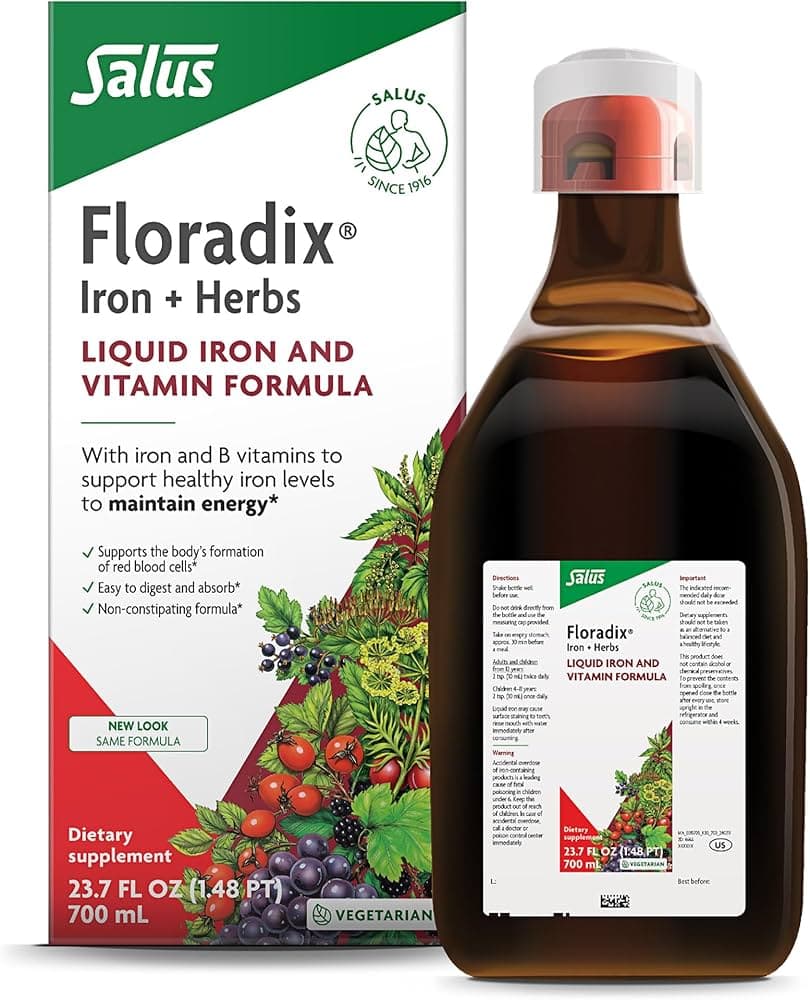
The panel on the left is the one we evaluated, line by line.
All 13 actives checked against the clinical evidence: dose, form, and what the research actually shows.
Doses, ratios, and how the ingredients work together. That assessment is the verdict above: "Strong for its niche".
The verdict is public and identical whether or not a brand pays. A formula that does not clear the bar gets nothing.
Read by the engine against 2.1 million data points from clinical trials, PubMed and more than a hundred vetted sources. No individual reviewer is named or implied.
Cross-checked against 878 documented interactions for these actives.
Public health figures the engine matched to this formula's ingredients. Reported by their source, cited and dated, never written by the brand.
74% of US adults
take dietary supplements, and 55% are regular users, in the Council for Responsible Nutrition's 2023 consumer survey of 3,192 adults.
Council for Responsible Nutrition and Ipsos, 202392% of US supplement users
agree that dietary supplements are essential to maintaining their health, in the Council for Responsible Nutrition's 2023 consumer survey.
Council for Responsible Nutrition and Ipsos, 202312.3% of US adults
met the fruit intake recommendation and 10.0% the vegetable recommendation in 2019, in the Behavioral Risk Factor Surveillance System across 49 states.
CDC, MMWR, 202215% of US adults
aged 20 and over ate no breakfast on the day of their dietary recall, in the 2017 to March 2020 What We Eat in America survey.
USDA Agricultural Research Service, 202457.6%
During 2017 to 2018, 57.6% of US adults aged 20 and over reported using a dietary supplement in the past 30 days.
CDC National Center for Health StatisticsAbout 31% of US women aged 71 and over
take in less vitamin B6 from food and drink than the estimated average requirement.
NHANES60.2% of US adults aged 20 and over
took a dietary supplement in the past 30 days, and 38.7% took two or more, in the 2021 to 2023 National Health and Nutrition Examination Survey.
CDC National Center for Health Statistics, 202659 to 66 days
was the median time it took adults to make a new daily health habit automatic across the studies a 2024 review pooled, with individuals ranging from 4 to 335 days.
Systematic review and meta-analysis, 202461% to 74%
About 61 to 74 percent of adults refilling a long-term medicine on their own stopped within a year, versus 33 to 44 percent on one set pickup day.
Cohort study, 2015USDA advises fortified foods or supplements after 50
In its national intake tables USDA notes that "it is advised that individuals over 50 meet their B12 requirement with fortified foods or supplements".
NHANESUS pregnant women, median 129 micrograms per litre
Between 2005 and 2010, US pregnant women had a median urine iodine level of 129 micrograms per liter, below the range considered adequate in pregnancy.
Peer-reviewed analysisMeta-analysis, 2025
Pooling randomised trials, edible algae intake produced a small reduction in systolic blood pressure compared with control.
Journal of human nutrition and dieteticsMeta-analysis, 2022
Pooling controlled trials, hibiscus sabdariffa intake lowered systolic and diastolic blood pressure readings compared with control in adults.
Nutrition reviewsMeta-analysis, 2023
Pooled trials found brown seaweed supplementation linked to small reductions in total and LDL cholesterol in the adults studied.
Marine drugsMeta-analysis, 2020
Across pooled trials in adults, hibiscus (roselle) supplementation shifted blood lipid readings in a favourable direction versus control.
Phytotherapy ResearchRandomised trial, 2025
An 8-week shot combining standardised hibiscus with inulin lowered lipid and glucose readings in adults carrying excess body weight, so the effect belongs to the combination rather than hibiscus alone.
NutrientsRandomised trial, 2013
In adults with elevated blood pressure carrying the MTHFR 677TT genotype, riboflavin 1.6 mg per day lowered systolic blood pressure by about 5.6 mmHg versus placebo over 16 weeks.
The paperCohort study, 2026
Reports an association between dietary thiamin, riboflavin and niacin intake and elevated blood pressure and pulse pressure. An association in intake data, not a demonstration of cause.
MedicineRandomised trial, 2021
A trial tested hibiscus combined with lemon verbena extract, so the reported effects belong to the combination and not to hibiscus alone.
MoleculesSystematic review, 2024
Across the reviewed human studies, higher dietary carotenoid intake tracked with more favourable cardiovascular risk markers, an association rather than a demonstrated cause.
NutrientsRandomised trial, 2022
A polyphenol-rich roselle jelly drink improved blood lipid, antioxidant and inflammatory marker readings relative to placebo over the supplementation period. These are markers, not outcomes.
Oxidative Medicine and Cellular LongevityRandomised trial, 2021
Over twelve weeks a spinach extract was associated with greater improvement in skeletal muscle strength and fitness measures than placebo in adults older than 50. These are performance measures in a single trial.
NutrientsMeta-analysis, 2026
Pooling trials of dietary nitrate, the source of nitrate in leafy greens such as spinach, the review examined effects on body weight measures in adults.
Frontiers in public healthRandomised trial, 2022
A polyphenolic extract of Lippia citriodora and Hibiscus sabdariffa was assessed for appetite regulation measures in adults with excess body weight. The intervention was the combined extract.
European Journal of NutritionRandomised trial, 2024
Daily supplementation with carrot-derived rhamnogalacturonan-I altered gut microbiota composition in healthy adults. Composition is a measured community change, not a clinical outcome.
Biomedicine and PharmacotherapyRandomised trial, 2021
Daily intake of Laminaria japonica in Japanese adults was followed by changes in body composition, serum lipid measures and thyroid hormone markers reported by the authors as modest.
Marine DrugsSystematic review, 2025
Across observational studies, higher leafy vegetable intake was associated with a lower rate of developing clustered metabolic risk markers, an association rather than a demonstrated cause.
European journal of nutritionRandomised trial, 2021
Pyridoxine hydrochloride supplementation was assessed against control for effects on circulating leptin and adiponectin, glycaemic indices and body measurements. The endpoints reported are biochemical and anthropometric markers, not clinical outcomes.
Clinical Nutrition ResearchRandomised trial, 2015
An acute dose of a thylakoid-rich spinach extract was associated with changes in subjective satiety measures compared with control in a crossover design. Satiety ratings are self-reported markers, not intake or body-composition outcomes.
Journal of the American College of NutritionCohort study, 2026
An analysis using computer modeling found seaweed intake strongly linked to adult iodine levels, an association rather than a proven effect.
BMC Public HealthSystematic review, 2026
The review found that reported responsiveness to riboflavin across inherited disorders of metabolism is uneven and rests largely on small series, so the strength of evidence varies by the specific condition.
Journal of Inherited Metabolic DiseaseSystematic review, 2025
Reviews reported immune-cell and immune-marker changes alongside vitamin B12 repletion in adults whose B12 absorption is impaired. The outcomes summarised are markers, and the review names cyanocobalamin among the preparations used rather than isolating it.
Oxidative Medicine and Cellular LongevityMeta-analysis, 2020
Pooling seven trials in 502 women, fennel eased period cramp pain about as well as the usual pain medicines, and beat placebo across another 468 women, though the placebo comparison varied enormously between studies.
NutrientsMeta-analysis, 2021
Across two trials in 145 women at midlife, fennel improved a standard hormonal symptom score compared with placebo, while other studies found no clear effect on sexual function, quality of life or mood.
Complementary Therapies in Clinical PracticeMeta-analysis, 2016
Pooling supplement trials for menstrual cramp discomfort, fennel was among the preparations reporting lower pain scores, on low-quality evidence overall.
The Cochrane database of systematic reviewsMeta-analysis, 2024
In a dose-response meta-analysis of randomised trials, riboflavin was associated with about 1.3 fewer severe recurring headache attacks per month compared with control.
Neurological SciencesRandomised trial, 2003
In adults with normal thyroid function, kelp supplementation raised blood thyroid-stimulating hormone, with a larger rise at the higher kelp dose, a marker rather than an outcome.
Endocrine practiceRandomised trial, 2019
Thiamin supplementation did not improve left ventricular ejection fraction in the participants studied. This is a failure to detect a difference in an imaging marker, not evidence that no difference exists.
The American Journal of Clinical NutritionMeta-analysis, 2023
Pooling macro-algae supplementation trials, blood sugar and body measurement indices shifted only slightly, and several pooled comparisons showed no detectable difference from control.
The paperCohort study, 2026
Micronutrient intake including riboflavin fell below reference intakes in several participants following a medically supervised modified Atkins diet, which the authors read as a case for intake monitoring.
Cohort studyOpen-label trial, 2024
A study measured how oral vitamin B12 absorption changes with dose in healthy adults, explaining why higher oral doses work once the usual route saturates.
NutrientsNarrative review, 2025
A review collected reported allergic reactions to B vitamins, including pyridoxine used in combination products, mostly from injected forms, and case reports alone cannot show how common this is.
LifeOpen-label trial, 2022
After cyanocobalamin supplementation the authors detected no association between serum vitamin B12 and the nocturnal sleep parameters measured. This is a failure to detect a relationship, not a demonstration that none exists.
HeliyonMeta-analysis, 2016
Across three trials in breastfed infants, preparations containing fennel oil cut daily crying time by about 72 minutes a day, with a wide confidence interval of 18 to 126 minutes.
Journal of Pediatric Gastroenterology and NutritionMeta-analysis, 2025
A nutrition-status analysis in children included thiamin among the micronutrients measured, reporting intake and status data rather than a result of giving supplements.
Journal of Human Nutrition and DieteticsRandomised trial, 2026
Thiamin supplementation improved the thiamin pyrophosphate effect, a blood marker of thiamin adequacy, in children whose levels were low.
Scientific reportsMeta-analysis, 2020
Across trials of plant galactagogues including fennel, effects on breast milk volume were uncertain because the studies were small and inconsistent.
The Cochrane database of systematic reviewsMeta-analysis, 2021
Pooling nine controlled trials in 673 people, vitamin B2 at 400 mg per day for three months lowered the frequency, days, duration and pain score of severe recurring headache attacks.
Nutritional NeurosciencePopulation figures from public health data. Context for the category, not a statement about any individual and not a claim about this product.
Each line below was derived from this formula's own record at the time of verification. Nothing here was written by the brand, and nothing can be added that the evidence does not carry.
Time-to-effect windows the engine read from the trial record. Each is a window a named study measured, cited and dated, never written by the brand.
In the controlled depletion study the EFSA reference opinion reviews, restricting thiamin intake to 0.009 to 0.015 mg/MJ for 30 days brought urinary free thiamin excretion from a mean of 0.283 mg/24 h down to undetectable levels by day 18 of the depletion period.
In the same depletion and repletion record the EFSA reference opinion reviews, erythrocyte transketolase activity fell progressively to about 75% of baseline during the 30-day depletion period and returned to its baseline value after 1 week of thiamin repletion.
Windows measured in the cited trials. Context for how the active behaves over time, not a statement about any individual and not a claim about this product.
12 ingredients, from each one's own page.
There is no onset to time in the usual sense. Status markers such as erythrocyte transketolase activity move across weeks, and that is where the change is read.
Bright yellow urine within hours tells you it was absorbed. Status itself moves over two to six weeks, read by the red cell glutathione reductase test.
For status to shift. It reads on a blood panel first, and in steadier mood and energy if you were running low.
Blood markers move within a week or two. Red cell size takes roughly six to eight weeks to settle, and how you feel tends to follow the markers.
Give it two to four weeks for daytime energy and a few months to refill stores. The first thing to move is a blood marker, not a feeling.
Blood carotenoid levels climb over two to four weeks of daily intake. Skin tone and macular pigment shift over a couple of months.
Give it a week or two of daily use. Its flavonol glycosides need gut bacteria to release the active form, so blood levels build gradually rather than after one dose.
Nitrate peaks in the blood two to three hours after a serving. Carotenoid, folate and vitamin K1 status shift across weeks and read on a panel.
Urine volume rises within a few hours of a cup or a dose. The soothing, coating side of it builds over a week or two of steady daily use.
Gas and abdominal tightness usually ease 30 to 60 minutes after a dose taken with or just after a meal. It works meal by meal rather than building up.
Nothing acute. Iodine intake shows up on a thyroid panel rather than as a sensation, with change typically read at the two to four week mark.
Trials measured change over two to six weeks of daily use. It shows up on a blood pressure cuff rather than as a sensation.
How each ingredient usually behaves over time, from its own page on IngredientMD. General timing for the ingredient, not a measurement of this product.
What each form is, and where it fits in a formula. Measured findings carry the study that reported them.
The chloride salt of the thiamin cation, highly water-soluble and hygroscopic.
Riboflavin with a phosphate group esterified onto the ribitol chain and supplied as its sodium salt. Chemically it is flavin mononucleotide (FMN), the same phosphorylated form the body itself makes from riboflavin.
Crystalline acid addition salt, freely water soluble, stable in dry form and to heat under acid conditions, and sensitive to light and alkaline pH
A corrinoid with a cyanide group occupying the upper axial position on the cobalt atom, added during purification to give a single crystalline species.
Descriptions of the form itself, read from the cited studies. Not a comparison between products and not a statement about any individual.
It is a liquid, so the serving can be adjusted and it suits anyone who would rather not swallow a capsule.
Put an earned verification on your own product page.
These statements have not been evaluated by the Food and Drug Administration. This product is not intended to diagnose, treat, cure, or prevent any disease. This record is not medical advice. Always consult your healthcare provider before starting any supplement regimen.