Ingredients/Vitamin/Cyanocobalamin

Cyanocobalamin.

The most common and cheapest form of vitamin B12. Keeps your nerves healthy and your red blood cells pumping. Keeps nerve insulation, red blood cell formation and DNA copying running. It also converts homocysteine back into methionine as part of normal methylation.

StrongResearch strength2.4 to 1,000mcgDaily amount8,244Studies read

Reviewed March 2026

CYVitamin
CyanocobalaminIngredientMD
Category
Vitamin

Also filed under
Prevents B12 deficiency anemiaEssential for nerve function and myelin maintenanceRequired for DNA synthesisSupports energy metabolism

Also called
Methylcobalamin, Cyanocobalamin, Adenosylcobalamin

What Cyanocobalamin is, and what it does.

Does it work
Suits people eating no animal foods, adults past fifty, and anyone whose stomach acid or absorption has dropped. A daily amount keeps status topped up.
How much to take
Start anywhere from 2.4mcg to 1,000mcg a day. The low end covers the daily requirement, the high end leans on passive diffusion when absorption is limited.
Time to feel it
Blood markers move within a week or two. Red cell size takes roughly six to eight weeks to settle, and how you feel tends to follow the markers.
The first dose
If deficient: some people report a subtle energy boost within days. If adequate: nothing. B12 injections can give a noticeable immediate effect due to higher bioavailability.
With regular use
Weeks 2-4: energy and cognition improve if deficient. Months 1-3: nerve symptoms begin improving (though severe neuropathy may be permanent). Red blood cell counts normalize within 6-8 weeks.
How well tolerated
Well tolerated, with no upper limit set. Extra leaves in urine. If your kidney clearance is reduced, ask your clinician which cobalamin form suits you.
How it feels
If deficient: the return of energy, mental clarity, and feeling 'like yourself again.' The change can be dramatic for people with moderate deficiency. If adequate: nothing, which is totally fine.
The overlooked benefit
It is the most heat and light stable cobalamin, which is why it holds its potency through fortification, tableting and a long shelf life.

How common this is.

Public health figures for this ingredient, reported by the agencies that publish them, cited and dated.

Population figures from public health data. Context for the category, not a statement about any individual and not a claim about this product.

2.4 to 1,000mcg a day is where Cyanocobalamin works.

How much to take a dayHigh confidence
2.4 to 1,000mcg
Daily maintenanceThe everyday amount, and where most daily supplements sit. This is the one you take month after month.
2,000mcgClinical territory. Trials run high on purpose, for a set number of weeks, against one measured outcome. Impressive to hit, and not what a daily product is for.
MORE EFFECT ↑01,000mcg2,000mcg plateauDAILY DOSE →
The shaded band is where the dosing trials landed.

Source: NIH ODS + Allen 2009 B12 review

The proof, claim by claim.

These words describe the research, not the molecule's worth. Research strength is how much work stands behind one claim, and it is never a product score.

Cyanocobalamin has emerging evidence. Based on 8244+ studies.

  • Prevents and treats B12 deficiency
  • Supports nerve function
  • Is inferior to methylcobalamin
PubMedCochraneClinicalTrials.govNIH ODSSUPP.AI8,244 studies readLabs test. IngredientMD verifies.PubMedCochraneClinicalTrials.govNIH ODSSUPP.AI8,244 studies readLabs test. IngredientMD verifies.

Questions people ask about Cyanocobalamin.

I'm vegan. How much B12 do I need?
At least 250mcg daily or 2500mcg twice weekly. This is non-negotiable. There are no reliable plant sources of B12. Every major dietetic association agrees: vegans must supplement B12.
Should I worry about the cyanide in cyanocobalamin?
No. Each dose releases about 20mcg of cyanide. Your body can detoxify 50,000mcg of cyanide per day. A single almond contains more cyanide-releasing compounds than a B12 supplement.
Why do I need so much more than the RDA?
The RDA (2.4mcg) assumes optimal absorption from food. Supplements are absorbed differently, about 1-2% via passive diffusion at higher doses. So 250mcg actually delivers about 2.5-5mcg, just enough.
Can B12 deficiency cause permanent damage?
Yes. Prolonged deficiency damages myelin (nerve insulation). If caught early, nerve damage is reversible. If deficiency persists for years, some neurological damage can be permanent. Don't wait.
Do I need B12 shots or are pills enough?
For most people, oral supplements work fine at adequate doses (1000mcg daily). Shots are faster for severe deficiency but aren't necessary long-term for most people. The 'energy boost from B12 shots' is largely placebo.
Pairs well with22 on file

Why these belong in the same formula. Each row says what the basis is, from settled biochemistry through to a trial that measured the pair.

Cyanocobalamin + Methylfolatepaired substrates of one enzyme

Methionine synthase needs methylcobalamin and 5-methyltetrahydrofolate together to remethylate homocysteine. Without B12 the folate is stuck in its methyl form and cannot re-enter the folate cycle.

Cyanocobalamin + Folic Acidpaired substrates of one enzyme

Folic acid feeds the same folate cycle that methionine synthase draws on, and that enzyme cannot turn over without B12. Supplying folate without B12 leaves the shared step limited by B12.

Cyanocobalamin + Vitamin B6 (Pyridoxine)complementary disposal route

B12 recycles homocysteine back to methionine while B6 as pyridoxal phosphate drives the transsulfuration enzymes that route it to cysteine. Together they cover both exits from that junction.

Cyanocobalamin + Vitamin B2 (Riboflavin)cofactor of the same enzyme system

Methionine synthase reductase uses FAD to keep the cobalamin cofactor in its reduced active state, and MTHFR upstream is also FAD-dependent. Riboflavin status therefore limits how well supplied B12 can be used.

Cyanocobalamin + TMG (Trimethylglycine)parallel remethylation route

Betaine remethylates homocysteine through BHMT without needing B12, so it covers the same step by a second route in liver and kidney.

Cyanocobalamin + Vitamin B12same nutrient, different form (count once)

Cyanocobalamin is a stable storage form that the body must strip of its cyanide group and reduce before it becomes methyl- or adenosylcobalamin. Stacking it with another B12 form adds to one nutrient total rather than two.

Cyanocobalamin + Adenosylcobalamin (Dibencozide)same nutrient, different form (count once)

Adenosylcobalamin is one of the two active coenzyme forms cyanocobalamin is converted into, serving methylmalonyl-CoA mutase in mitochondria. They fill the same requirement from different starting points.

Cyanocobalamin + Vitamin Cchemical degradation (anti-synergy)

High concentrations of ascorbate degrade cobalamin in solution by reducing and destabilising the cobalt centre. Long-standing formulation practice separates a large vitamin C dose from B12 in liquids.

Cyanocobalamin + Ironcomplementary requirement for red cell formation

Normal red blood cell production needs B12 and folate for DNA synthesis in the marrow and iron for the haemoglobin those cells carry. Supplying one without the other leaves the other limiting.

Cyanocobalamin + Calciumtransport dependency

Uptake of the intrinsic factor and B12 complex by the cubilin receptor in the ileum is calcium-dependent. Without available calcium at that step the complex is not internalised.

Cyanocobalamin + Biotinsequential steps in one pathway

Biotin-dependent propionyl-CoA carboxylase makes methylmalonyl-CoA, and the B12-dependent mutase converts it onward to succinyl-CoA. The two vitamins sit in series in propionate and odd-chain fatty acid metabolism.

Cyanocobalamin + L-MethionineEstablished biochemistry of the methionine synthase step

Methylcobalamin, the form made from cyanocobalamin inside the cell, is the cofactor that lets methionine synthase move a methyl group from 5-methyltetrahydrofolate onto homocysteine to regenerate methionine. Cobalamin supply and methionine turnover therefore sit on the same short pathway. Supplementing methionine changes the substrate side of that reaction while cobalamin governs the enzyme side. No combination trial is being cited here; this is settled pathway biochemistry.

Cyanocobalamin + SAM-eEstablished biochemistry, one step downstream of methionine

S-adenosylmethionine is made from methionine, and methionine regeneration from homocysteine depends on a cobalamin-dependent enzyme. Low cobalamin status slows that regeneration step, so the pool feeding SAM-e synthesis narrows. Taking SAM-e supplies the methyl donor directly and bypasses the cobalamin-dependent step rather than replacing it. Homocysteine is a biochemical marker here, not a clinical outcome.

Cyanocobalamin + ZincEstablished enzymology of the methyl-transfer enzymes

Betaine-homocysteine methyltransferase, one of the two routes that hand a methyl group to homocysteine, is a zinc-dependent metalloenzyme, while the parallel methionine synthase route depends on the cobalamin cofactor. The two nutrients support different arms of the same methyl-transfer step and are complementary rather than interchangeable. This is enzymology, not a claim about any measured combined effect in people.

Cyanocobalamin + Vitamin B3 NiacinEstablished cofactor requirement of methionine synthase reductase

Cob(II)alamin bound to methionine synthase is periodically oxidised and has to be reduced again before the enzyme can turn over. That reactivation is carried out by methionine synthase reductase using NADPH, which is built on a niacin-derived nucleotide. Adequate niacin status therefore keeps the cobalamin cofactor cycling. The relationship is a cofactor dependency, not a demonstrated additive effect.

Cyanocobalamin + CopperEstablished shared role in red cell formation

Copper is required for the ferroxidase activity that loads iron onto transferrin, and cobalamin is required for the DNA synthesis that lets erythroid precursors divide normally. Both therefore feed normal red blood cell production from different directions. Correcting one does not compensate for a shortfall in the other. Stated as pathway biochemistry rather than as a tested pairing.

Cyanocobalamin + PotassiumEstablished pharmacology of rapid erythropoiesis

When cobalamin is restored after a period of low status, red cell production accelerates and new cells take up potassium from the extracellular space. Serum potassium can fall during that burst of cell formation. Clinicians monitor it for exactly this reason. This is a recognised handling interaction, not a benefit claim for taking the two together.

Cyanocobalamin + Betaine HClEstablished absorption pharmacology

Food-bound cobalamin has to be released from its protein carriers by gastric acid and pepsin before intrinsic factor can bind it. Crystalline cyanocobalamin in a supplement arrives already free, so it does not depend on that release step. Where gastric acidity is low, added acid support bears on food-bound cobalamin rather than on the crystalline supplemental form. The distinction is mechanistic, not a tested combination.

Cyanocobalamin + ProbioticsMicrobial handling of corrinoids

Many gut bacteria both produce and consume corrinoids, and some make cobalamin analogues that bind human transport proteins without acting as cofactors. Shifting the microbial community can therefore change the corrinoid environment of the colon. Human cobalamin absorption happens upstream in the ileum, so the practical size of this effect is unsettled. Labelled Early because the direction of the effect in people is not established.

Cyanocobalamin + Activated CharcoalEstablished non-specific adsorption

Activated charcoal adsorbs a wide range of small molecules in the gut lumen without selecting for what is useful. Taking it in the same window as an oral micronutrient dose lowers how much of that dose stays available for absorption. Spacing the two apart is standard formulation and dosing practice. This is an interference to flag, not a benefit.

Cyanocobalamin + Psyllium HuskViscous fibre effect on luminal transit

Viscous soluble fibre thickens intestinal contents and slows the diffusion of small solutes toward the mucosal surface. For a nutrient absorbed by a saturable receptor route in a defined stretch of ileum, that can shift how much is taken up per dose. The size of the effect for cobalamin specifically has not been quantified in people. Flagged as a timing consideration at low confidence.

Cyanocobalamin + MethylcobalaminEstablished shared transport and processing

Cyanocobalamin and methylcobalamin are both corrinoids that use intrinsic factor, the ileal cubam receptor and transcobalamin to reach tissues, so they draw on the same saturable route and do not stack independently. Inside the cell each is processed to the same two active cofactor forms, differing in which ligand has to be removed first. Combining them does not add a separate mechanism. Neither is presented here as the one to choose.
Who should be cautious

Talk to a doctor before taking Cyanocobalamin if any of these apply to you: Methylcobalamin may be preferred for certain genetic variants (MTHFR), Absorption requires intrinsic factor (older adults may need higher doses), The cyanide component is negligible but concerns some consumers. These are flags to check first, not effects Cyanocobalamin is known to cause.

Not medical advice. Show the label to your pharmacist.

What Cyanocobalamin actually does.

Established

The body strips off the cyanide part and converts it into the two active B12 forms it uses.

Established

One active form of B12 keeps the folate cycle turning over and helps recycle homocysteine into methionine.

Established

Only a little B12 can go through the main absorption door at once, so large doses rely on a slow second route that lets a small fraction through.

Established

B12 travels in the blood on carrier proteins and the liver keeps a reserve.

Fermented, 5 steps on record

Where Cyanocobalamin comes from.

Bacteria grown in a tank make the B12. It is then extracted, converted into the stable cyanide-tipped version, and crystallised.

Built by fermentation, the same way vitamin B12 and many amino acids are made at scale. Controlled conditions, consistent output.

Starts as
Sugar substrate plus cobalt and a benzimidazole precursor

A carbohydrate feed such as beet molasses or glucose is supplemented with a cobalt salt, since the cobalt sits at the centre of the finished molecule, and with 5,6-dimethylbenzimidazole for the lower ligand.

Converted by
Bacterial fermentation

Cobalamin has no viable total chemical synthesis at industrial scale and no plant makes it, so all commercial material comes from bacterial biosynthesis. Industrial strains are commonly Pseudomonas denitrificans or Propionibacterium species.

Extracted by
Cell lysis and hot aqueous extraction with a cyanide source

The cells are broken and heated in water. A cyanide salt is added, which displaces the native upper ligands and converts the mixture of cobalamins the bacteria made into the single cyano form.

Purified by
Chromatographic purification

Adsorption and chromatography separate cyanocobalamin from fermentation broth components and from cobalamin analogues, which is the step that determines corrinoid purity.

Ends up as
Crystallisation and standardisation

The purified material is crystallised as dark red needles, assayed, then either used directly or blended down into a percentage trituration on a carrier.

Labels rarely state which production organism was used, whether the fermentation medium contained animal-derived nutrients, or the corrinoid analogue purity of the lot.

Getting Cyanocobalamin from food.

The whole-food sources on file. A supplement closes the gap, it does not replace dinner.

Cooked clamsBeef liverCooked salmonBeef steakEggCow's milk

A gram-for-gram figure (how much of each you would eat to match a dose) will appear here once it is sourced and reviewed. This page will not print a number it cannot cite.

The forms it comes in.

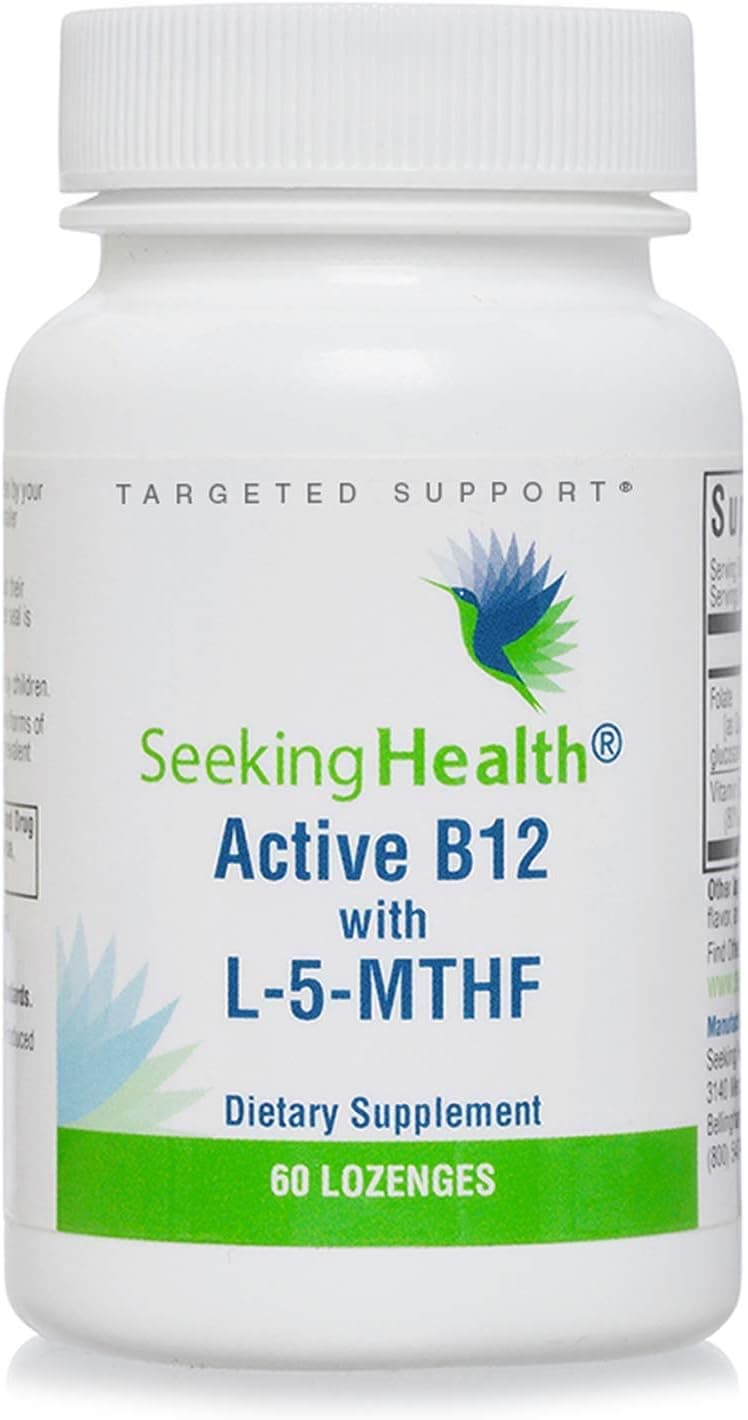
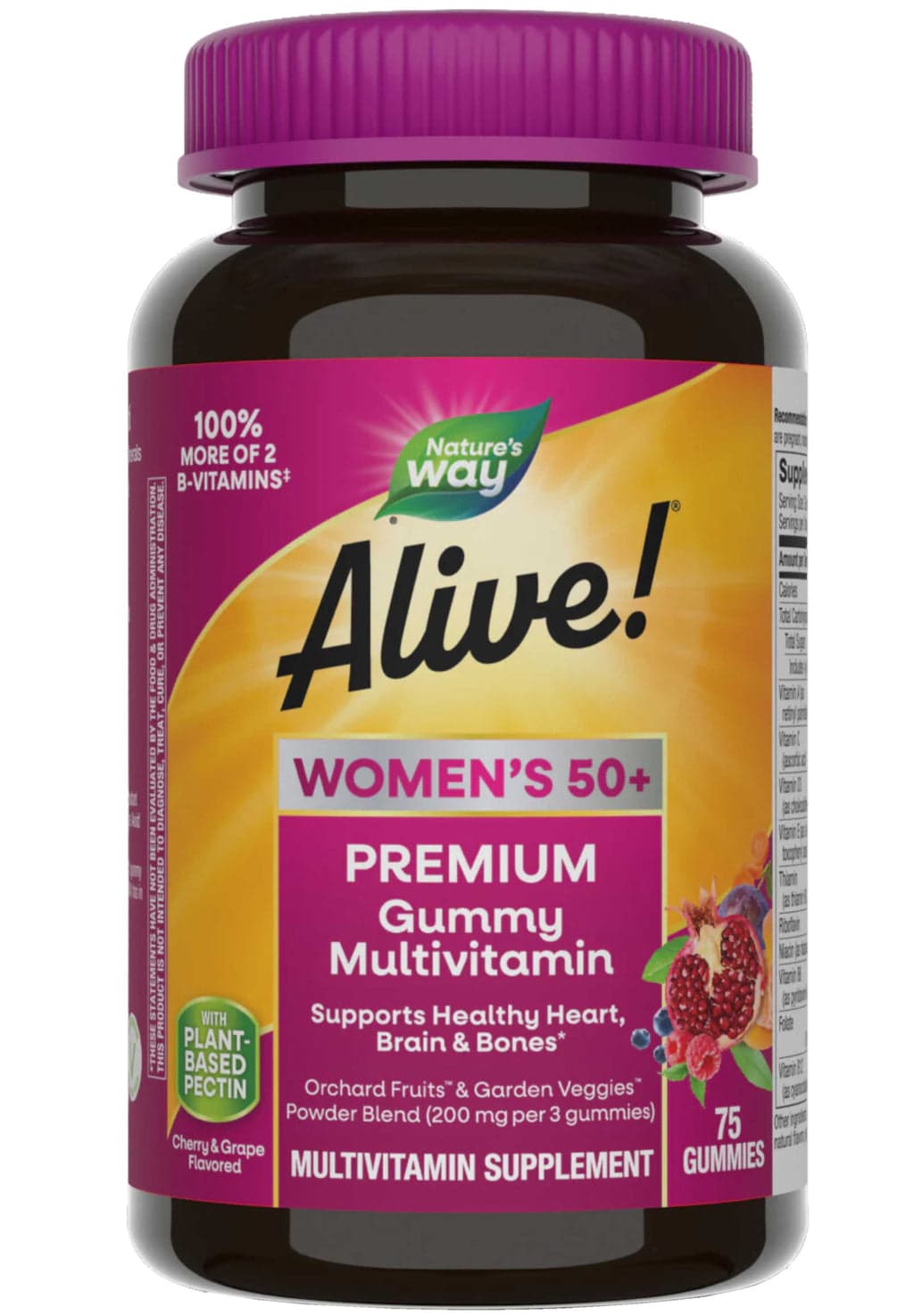
CyanocobalaminA corrinoid with a cyanide group occupying the upper axial position on the cobalt atom, added during purification to give a single crystalline species.Fits Oral tablets, sublingual lozenges, gummies, fortified foods and injectable solutions, because the cyano ligand gives the molecule stability to light and heat during processing and storage.Trade-off The cyano ligand has to be removed and the cobalt reduced before the molecule can act as a cofactor, and that ligand is cleared renally.
Cyanocobalamin on a carrierCyanocobalamin diluted to roughly one part per thousand in mannitol, dicalcium phosphate or a similar excipient so that microgram doses can be weighed and blended reproducibly.Fits Multivitamin blends and any tablet where a microgram-scale active must disperse evenly through a much larger powder mass.Trade-off The declared weight of the raw material is mostly carrier, so a formulator working from the trituration weight rather than the assayed cobalamin content will under-dose.Formulation aid
What the strongest studies found

The essence, in one line each.

  1. Describes systemic allergic dermatitis attributed to the cobalt contained in cyanocobalamin supplementation in a sensitised individual.Case report. Pegalajar-García et al., 2023 (Contact Dermatitis). PMID 37290457
  2. Ten years of clinical experience with provocation and stepwise desensitisation protocols in people who reacted to vitamin B12 preparations; names cyanocobalamin inside a broader B12 series rather than studying it alone.Case series. Dindar Çelik et al., 2026 (World Allergy Organization Journal). PMID 42256019
  3. After cyanocobalamin supplementation the authors detected no association between serum vitamin B12 and the nocturnal sleep parameters measured; this is a failure to detect a relationship, not a demonstration that none exists.Open-label trial. Channer-Wallen et al., 2022 (Heliyon). PMID 35146159
  4. Measured how oral vitamin B12 bioavailability changes across dose levels in healthy adults, which is the pharmacokinetic basis for why higher oral doses are used once the receptor route saturates; the paper names cyanocobalamin within a wider B12 dosing question.Open-label trial. Kashyap et al., 2024 (Nutrients). PMID 39683551
  5. Reviews reported immune-cell and immune-marker changes alongside vitamin B12 repletion in adults whose B12 absorption is impaired; the outcomes summarised are markers, and the review names cyanocobalamin among the preparations used rather than isolating it.Systematic review. Habtie et al., 2025 (Oxidative Medicine and Cellular Longevity). PMID 40458194
  6. A single case in which severe folate depletion produced a haematological picture that mimicked a clotting disorder, with B12 status assessed as part of the differential; illustrates why folate and cobalamin are evaluated together, not an effect of cyanocobalamin.Case report. Allemand et al., 2026 (European Journal of Case Reports in Internal Medicine). PMID 42130936
  7. Adding butaphosphan with cyanocobalamin to a semen extender changed measured sperm quality and survival parameters in chilled boar semen; an ex vivo veterinary result with no human read-across.Animal study. Suwimonteerabutr et al., 2020 (Frontiers in Veterinary Science). PMID 33335919
  8. Daily oral cyanocobalamin raised cobalamin status in Beagles with an inherited defect in the ileal cobalamin receptor, showing that a route independent of that receptor can carry a high oral dose; a canine model, not human evidence.Animal study. Kook et al., 2019 (Journal of Veterinary Internal Medicine). PMID 30554416

These are the studies our verdict leans on, chosen from the 8 we read for Cyanocobalamin. The full linked list is below.

Side effects reported to the FDA

Problems people have reported.

Read this carefully. These are 944,470 voluntary, unverified reactions reported to the FDA (openFDA). The number mostly reflects how popular Cyanocobalamin is, not how risky it is. A report is not proof Cyanocobalamin caused anything. It is a signal of what to watch for, nothing more.

Fatigue
30,619
Drug Ineffective
30,074
Pain
27,471
Arthralgia
22,985
Nausea
21,826
Off Label Use
21,250

Source: openFDA adverse-event reports. Voluntary reporting, not an incidence rate.

FDA Disclaimer: These statements have not been evaluated by the Food and Drug Administration. This information is for educational purposes only and is not intended to diagnose, treat, cure, or prevent any disease. Consult your healthcare provider before starting any supplement regimen.