Ingredients/General/Methylcobalamin

Methylcobalamin.

Methylcobalamin supplementation for targeted health support. Supports nerve function, red blood cell formation, DNA synthesis, and energy production. Critical for brain health.

StrongResearch strength250 to 1,000mcgDaily amount6,928Studies read

Reviewed March 2026

MEGeneral
MethylcobalaminIngredientMD
Category
General

Also called
Methylcobalamin, Cyanocobalamin, Adenosylcobalamin

What Methylcobalamin is, and what it does.

Does it work
Essential for vegans and vegetarians (no plant sources). Also crucial for anyone over 50 since absorption drops with age.
How much to take
500-1000mcg daily for general use. Higher doses (5000mcg) for deficiency or nerve issues.
Time to feel it
Serum B12 rises within days of daily use. Methylmalonic acid, the marker of supply inside cells, settles across four to twelve weeks, and anything noticeable follows that.
The first dose
If severely deficient, some people report feeling sharper within days. Usually takes 1-2 weeks.
With regular use
Normalized energy, better cognition, healthier nerves. Protects against deficiency-related damage.
How well tolerated
Well tolerated. No upper limit established. Water-soluble, so excess is excreted.
How it feels
More energy, clearer thinking, better mood. But only if you were deficient to begin with.
The overlooked benefit
The gut receptor route saturates per dose, so a small percentage of a large oral amount crosses by plain diffusion. That is how oral tablets raise levels without intrinsic factor.

How common this is.

Public health figures for this ingredient, reported by the agencies that publish them, cited and dated.

Population figures from public health data. Context for the category, not a statement about any individual and not a claim about this product.

250 to 1,000mcg a day is where Methylcobalamin works.

How much to take a dayHigh confidence
250 to 1,000mcg
Daily maintenanceThe everyday amount, and where most daily supplements sit. This is the one you take month after month.
2,000mcgClinical territory. Trials run high on purpose, for a set number of weeks, against one measured outcome. Impressive to hit, and not what a daily product is for.
MORE EFFECT ↑01,000mcg2,000mcg plateauDAILY DOSE →
The shaded band is where the dosing trials landed.

Source: NIH ODS + Allen 2009 B12 review

The proof, claim by claim.

These words describe the research, not the molecule's worth. Research strength is how much work stands behind one claim, and it is never a product score.

Methylcobalamin has emerging evidence. Based on 6928+ studies.

  • Treats B12 deficiencyMedical consensus
  • Supports nerve healthMultiple RCTs
  • Essential for vegansNutritional science consensus
  • Methylcobalamin superior to cyanocobalaminComparative studies
PubMedCochraneClinicalTrials.govNIH ODSSUPP.AI6,928 studies readLabs test. IngredientMD verifies.PubMedCochraneClinicalTrials.govNIH ODSSUPP.AI6,928 studies readLabs test. IngredientMD verifies.

Questions people ask about Methylcobalamin.

Why methylcobalamin over regular B12?
It's the active form. Cyanocobalamin needs to be converted, and some people don't convert well.
Do I need it if I eat meat?
Probably not if you're young and healthy. Over 50? Your absorption drops. Worth supplementing.
Sublingual or swallow?
Sublingual (under the tongue) bypasses digestive issues. Better if you have gut problems or are over 50.
Can I take too much?
Essentially no. Excess is excreted. No toxicity documented even at very high doses.
How do I know if I'm deficient?
Fatigue, brain fog, tingling in hands/feet, mood issues. Blood test confirms it.
Vegan sources?
There are none in nature. Supplements are the only reliable vegan option.
Pairs well with29 on file

Why these belong in the same formula. Each row says what the basis is, from settled biochemistry through to a trial that measured the pair.

Methionine synthase takes the methyl group from 5-methyltetrahydrofolate and passes it through cobalamin to homocysteine. Without adequate B12 the folate pool stays stuck in its methylated form and cannot recycle.

Methylcobalamin + Folatethe same enzyme reaction

Folate and B12 meet at methionine synthase, the single point where the folate and methionine cycles connect. Supplying one without the other leaves that junction limited.

Methylcobalamin + Riboflavinupstream flavin cofactor

MTHFR requires FAD, made from riboflavin, to generate the 5-methyltetrahydrofolate that methionine synthase hands to cobalamin. Low riboflavin status limits the substrate arriving at the B12 step.

Methylcobalamin + P5P (Pyridoxal-5-Phosphate)the alternative homocysteine route

B12 and folate remethylate homocysteine back to methionine, while B6 as P5P drives cystathionine beta-synthase down the transsulfuration route to cysteine. The two together handle both exits from the same intermediate.

Betaine-homocysteine methyltransferase remethylates homocysteine using betaine instead of the folate and B12 route. It gives a second, B12-independent path to the same product.

Methylcobalamin + Cholinebetaine precursor

Choline is oxidised to betaine, which then serves as the methyl donor for the BHMT reaction. Adequate choline spares demand on the folate and B12 remethylation route.

Methylcobalamin serves methionine synthase in the cytosol while adenosylcobalamin serves methylmalonyl-CoA mutase in mitochondria. The body interconverts them, and the two forms cover both B12-dependent reactions directly.

Methionine made at the B12 step is adenosylated to SAMe, the universal methyl donor, and its use regenerates homocysteine. Supplying SAMe without adequate B12 and folate leaves that homocysteine harder to recycle.

Methylcobalamin + L-Methionineproduct of the reaction

Methionine is the direct product of the methylcobalamin-dependent methionine synthase reaction. Adding methionine loads the cycle upstream of the point B12 acts on.

Endogenous creatine synthesis consumes a large share of the body's SAMe methyl groups at the guanidinoacetate methyltransferase step. Supplying creatine directly lowers that demand and leaves more methyl capacity for other reactions.

Methylcobalamin + Zincmetalloenzyme cofactor

Betaine-homocysteine methyltransferase is a zinc metalloenzyme, so zinc status affects the B12-independent remethylation branch. It matters most when the folate and cobalamin route is already stretched.

Methylcobalamin + Ascorbic Acidin-formulation degradation

Ascorbic acid degrades cobalamin in solution, particularly with trace copper or iron present. In a combined liquid or effervescent product the two are kept apart or the B12 is overaged to allow for the loss.

Methylcobalamin + CalciumEstablished receptor biochemistry of cobalamin uptake

Uptake of the intrinsic factor cobalamin complex by the cubilin receptor in the distal small intestine is a calcium dependent step. When calcium availability at the mucosal surface is low, that receptor mediated step slows. This is settled absorption biochemistry rather than a tested supplement pairing.

Methylcobalamin + Betaine HClEstablished gastric handling of dietary cobalamin

Cobalamin in food arrives bound to protein and needs gastric acid plus pepsin to be released before intrinsic factor can bind it. Supplemental crystalline methylcobalamin is already free, so this matters most for the cobalamin coming from food alongside it. Anything that lowers stomach acidity works in the other direction on the food bound fraction.

Methylcobalamin + PepsinEstablished proteolytic release step

Pepsin cleaves the food proteins that hold cobalamin, which is what frees it for transfer to intrinsic factor. The step is upstream of every later transport event. It applies to food bound cobalamin, not to free methylcobalamin in a tablet.

Methylcobalamin + PancreatinEstablished transfer from haptocorrin to intrinsic factor

Cobalamin picked up by haptocorrin in the stomach has to be handed to intrinsic factor, and pancreatic proteases degrade haptocorrin to allow that handover. Low pancreatic enzyme output slows the handover regardless of how much cobalamin is present. Textbook physiology, not a combination trial.

Methylcobalamin + IronBoth nutrients are required for normal red cell formation

Normal red blood cell production draws on iron for haem and on cobalamin for the DNA synthesis that lets precursor cells divide. When only one is supplied, the other becomes the limiting input. The two are commonly measured together for that reason.

Methylcobalamin + Folic acidEstablished interaction between folate intake and cobalamin status markers

Generous folic acid intake can normalise red cell size while cobalamin status stays low, because folate rescues the DNA synthesis step that cobalamin would otherwise gate. Cell size is a marker, not an outcome, and this is a case where the marker becomes less informative. Functional markers such as methylmalonic acid are not affected the same way.

Methylcobalamin + Alpha-lipoic acidClinical study of an oral alpha lipoic acid plus B complex combination

An oral combination of alpha lipoic acid with a B complex containing cobalamin has been evaluated for tolerability and nerve related outcomes. The cobalamin contribution cannot be separated from the rest of the formula in that design. Read it as evidence about the combination, not about methylcobalamin alone.

Methylcobalamin + NACEstablished intracellular cobalamin processing chemistry

Inside the cell, cobalamin passes through a glutathionylcobalamin intermediate before it is fitted with a methyl or adenosyl group. Thiol availability therefore sits in the processing route, and NAC feeds cysteine into that pool. This is cell biochemistry, not a demonstrated dosing benefit.

Methylcobalamin + GlutathioneEstablished cobalamin trafficking chemistry

Glutathione forms the transient glutathionylcobalamin species that precedes cofactor assembly, so the tripeptide is part of how cobalamin is handled once it enters a cell. The relationship is directional biochemistry rather than a measured supplement pairing. No human combination outcome is claimed here.

Methylcobalamin + PotassiumEstablished shift during rapid restoration of cell production

When cobalamin repletion restarts brisk red cell production, potassium moves out of serum and into the new cells, and serum potassium can drop. Clinicians watch that in the first days of aggressive repletion. It is a physiological shift worth knowing rather than a benefit of pairing the two.

Methylcobalamin + CopperEstablished role of copper in iron handling and blood cell formation

Copper dependent ferroxidases move iron to where haem is built, so copper sits alongside cobalamin and iron in normal blood cell formation. The overlap is mechanistic and drawn from nutrient biochemistry. No trial of the pair is cited.

Methylcobalamin + L-SerineEstablished one carbon donation upstream of methionine synthase

Serine hands its third carbon to tetrahydrofolate through serine hydroxymethyltransferase, generating the methylene folate that becomes 5-methyl-tetrahydrofolate. That is the exact methyl group methylcobalamin transfers to homocysteine. Without serine derived one carbon units the cobalamin dependent step has nothing to move.

Methylcobalamin + GlycineEstablished SAM disposal route via glycine N-methyltransferase

Glycine N-methyltransferase uses S-adenosylmethionine to methylate glycine, which is how the cell sheds surplus methyl groups. Methylcobalamin sits on the supply side of the same pool. Together they describe how methylation capacity is balanced rather than simply raised.

Methylcobalamin + DHAEstablished SAM dependent phosphatidylethanolamine methylation

The liver exports long chain fats partly as phosphatidylcholine made by SAM dependent methylation of phosphatidylethanolamine, and methylcobalamin feeds that SAM pool. The link is mechanistic and drawn from lipid biochemistry. No cited human trial pairs the two.

Methylcobalamin + PhosphatidylcholineEstablished interchangeability of choline and folate cobalamin methyl sources

Homocysteine can be remethylated either by the folate and cobalamin route or by betaine derived from choline. Supplying phosphatidylcholine spares the cobalamin dependent route and the same is true in the other direction. This is one of the better characterised nutrient overlaps in one carbon metabolism.

Methylcobalamin + L-CarnitineEstablished handling of propionyl and methylmalonyl CoA

Cobalamin in its adenosyl form runs the methylmalonyl-CoA mutase step that clears propionyl units from odd chain fats and several amino acids, and carnitine buffers accumulating acyl-CoA species by esterifying them. The pathways touch at the same intermediates. Methylmalonic acid is a marker of that step, not a clinical outcome.

Methylcobalamin + BiotinEstablished carboxylase step immediately upstream of the cobalamin dependent mutase

Propionyl-CoA carboxylase is biotin dependent and produces the methylmalonyl-CoA that the cobalamin dependent mutase then rearranges. The two cofactors work back to back in the same short pathway. Neither substitutes for the other.
Who should be cautious

Nothing specific on file for Methylcobalamin. Match the label to the daily amount above, and tell your doctor what you take.

Not medical advice. Show the label to your pharmacist.

What Methylcobalamin actually does.

Established

Methylcobalamin is the cofactor form of cobalamin used by methionine synthase, which transfers a methyl group from 5-methyl-tetrahydrofolate to homocysteine to regenerate methionine.

Established

Methionine formed at that step is activated to S-adenosylmethionine, the methyl donor for most cellular methylation reactions including DNA, protein and phospholipid methylation.

Established

When the cobalamin dependent methionine synthase step slows, folate accumulates as 5-methyl-tetrahydrofolate and cannot re-enter other folate reactions, the arrangement described as the methyl folate trap.

Established

Cells interconvert cobalamin forms: incoming cobalamin is dealkylated and reduced in the cytosol, then either methylated for methionine synthase or adenosylated in mitochondria for methylmalonyl-CoA mutase.

Grown by microbes, 6 steps on record

Where Methylcobalamin comes from.

Bacteria make the vitamin in big tanks because no plant or animal can build it. The raw vitamin is cleaned up, then a methyl group is attached in a light protected step, and the crystals are diluted onto a carrier so a few hundred micrograms can be mixed evenly into a tablet.

Produced by a cultured organism rather than harvested. The strain is selected and the conditions are controlled, so batches sit closer together than a field crop.

Starts as
Carbohydrate medium with added cobalt

Fermentation broths are built on sugar or glycerol with a nitrogen source, and cobalt salts are supplied because cobalt sits at the centre of the corrin ring and cannot be substituted.

Converted by
Bacterial fermentation

Selected bacteria such as Propionibacterium freudenreichii or Pseudomonas denitrificans carry the full corrinoid biosynthetic route and accumulate cobalamin intracellularly over a multi day run.

Extracted by
Cell lysis and corrinoid recovery

Cells are heated or chemically lysed and the corrinoid is released into solution, typically with a small molecule ligand added so the mixed intracellular forms collapse into one stable species for handling.

Purified by
Adsorption and chromatography

The crude corrinoid is cleaned up over resin and chromatography steps, then crystallised, which is where residual solvents and process related impurities are controlled.

Converted by
Methylation to the methyl form

Purified cobalamin is reduced to the cob(I) state and treated with a methyl donor so a methyl group binds the cobalt, giving methylcobalamin. The step is run under protection from light.

Ends up as
Crystallisation, milling and blending

Methylcobalamin is crystallised, dried, assayed and often triturated onto a carrier because the material is dosed in micrograms and needs to disperse uniformly.

Manufacturers do not usually disclose the fermentation organism, the ligand used during recovery, or the methylating reagent, and those choices differ between suppliers.

Getting Methylcobalamin from food.

The whole-food sources on file. A supplement closes the gap, it does not replace dinner.

Beef liverSalmonEggs

A gram-for-gram figure (how much of each you would eat to match a dose) will appear here once it is sourced and reviewed. This page will not print a number it cannot cite.

The forms it comes in.

MethylcobalaminCobalamin carrying a methyl group on the cobalt centre, the same species used directly by methionine synthase.Fits Oral tablets, capsules and powders where a preformed methylated cofactor is wanted.Trade-off The carbon to cobalt bond is light sensitive and the material is more costly to make and stabilise than the cyano form.
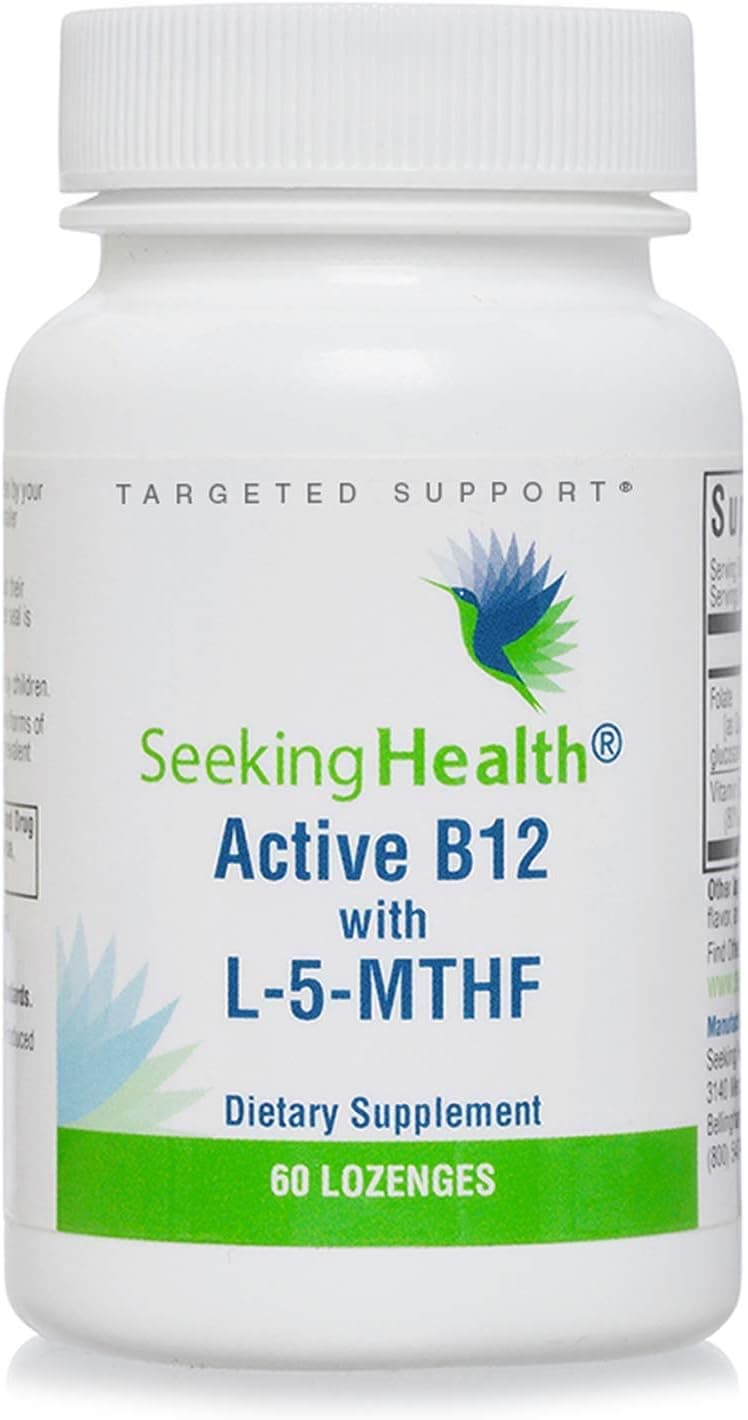
Sublingual methylcobalaminSame molecule pressed into a slowly dissolving base intended to sit under the tongue.Fits Formats aimed at buccal contact time, often at high per unit amounts.Trade-off Buccal absorption of a large water soluble corrinoid is limited, so much of a lozenge is still swallowed and handled by the gut route.
Methylcobalamin 0.1 percent triturationMethylcobalamin diluted onto a carrier such as mannitol or dicalcium phosphate for handling at microgram levels.Fits Blending accuracy in multi ingredient formulas where a few hundred micrograms must disperse evenly.Trade-off Adds carrier mass and the potency claim depends on the accuracy of the trituration rather than the pure crystal.Active and formulation aid
What the strongest studies found

The essence, in one line each.

  1. A systematic review found sublingual and oral vitamin B12 raise blood B12 levels about as effectively as intramuscular dosing in most people studied.Systematic review. Mazur et al., 2025 (Frontiers in pharmacology). PMID 41487531
  2. A Cochrane review found vitamin B12 supplementation improves vitamin B12 status, while effects on blood counts were less certain.Systematic review. Sley et al., 2026 (The Cochrane database of systematic reviews). PMID 42100907
  3. Adults taking methylfolate, pyridoxal-5'-phosphate and methylcobalamin together lowered circulating homocysteine compared with placebo.Randomised trial. Pokushalov et al., 2024 (Nutrients). PMID 38892484
  4. Investigators report that L-methylfolate with methylcobalamin lowered serum homocysteine and blood pressure readings in adults with hard to control elevated blood pressure and raised homocysteine; homocysteine is a marker.Open-label trial. Salem MS et al., 2026 (BMC nephrology). PMID 41580678
  5. Adding methylcobalamin alongside a prescribed glucose lowering medicine was associated with lower HbA1c readings; HbA1c is a marker of average blood sugar, not a clinical outcome.Open-label trial. Aburayyan W et al., 2025 (Iranian journal of medical sciences). PMID 40433181
  6. Dietary folate with methylcobalamin shifted the metabolic phenotype of mice exposed to arsenic before birth, which supports a methylation role and is not human evidence.Animal study. Huang MC et al., 2018 (Archives of toxicology). PMID 29721587
  7. The authors summarise reported immune related changes with vitamin B12 repletion in adults whose absorption of the vitamin is impaired, and note the evidence base is small; the review names cobalamin inside a broader synthesis rather than testing methylcobalamin specifically.Systematic review. Habtie TE et al., 2025 (Oxidative medicine and cellular longevity). PMID 40458194
  8. Two oral B12 dose levels were compared for nerve related outcomes and the report describes the difference between them rather than establishing which dose is preferable; the ingredient is named within a broader B12 framing.Randomised trial. Mansour A et al., 2026 (The Journal of nutrition). PMID 41548600
  9. An oral alpha lipoic acid plus B complex preparation containing cobalamin was assessed for effect and tolerability; the cobalamin contribution cannot be isolated from the combination.Open-label trial. Zainal NA et al., 2025 (BMC neurology). PMID 41361445
  10. Targeted micronutrient supplementation including cobalamin was followed by shifts in circulating biomarkers among people carrying MTHFR variants; these are biomarker movements, not demonstrated clinical outcomes.Open-label trial. Msa M. et al., 2026 (Cell biochemistry and function). PMID 42290252
  11. The review describes how the naturally occurring and laboratory produced cobalamin forms differ in chemistry, stability and handling, and does not settle a preference between them.Narrative review. Behringer CR et al., 2025 (Cureus). PMID 41362547
  12. A child with an inherited defect in the cobalamin transport protein presented with blood findings that initially resembled a marrow disorder, illustrating how central cobalamin transport is to normal blood cell production.Case report. Hu X et al., 2026 (Frontiers in pediatrics). PMID 42038245
  13. A single case of visual field loss occurred alongside low cobalamin and low folate status, which the authors attribute to nutritional depletion; a case report describes one person and establishes no rate.Case report. Ueda N et al., 2026 (Cureus). PMID 42359193

These are the studies our verdict leans on, chosen from the 2,016 we read for Methylcobalamin. The full linked list is below.

Side effects reported to the FDA

Problems people have reported.

Read this carefully. These are 103,434 voluntary, unverified reactions reported to the FDA (openFDA). The number mostly reflects how popular Methylcobalamin is, not how risky it is. A report is not proof Methylcobalamin caused anything. It is a signal of what to watch for, nothing more.

Fatigue
3,967
Nausea
3,566
Drug Ineffective
3,485
Diarrhoea
3,179
Headache
2,926
Dizziness
2,639

Source: openFDA adverse-event reports. Voluntary reporting, not an incidence rate.

FDA Disclaimer: These statements have not been evaluated by the Food and Drug Administration. This information is for educational purposes only and is not intended to diagnose, treat, cure, or prevent any disease. Consult your healthcare provider before starting any supplement regimen.