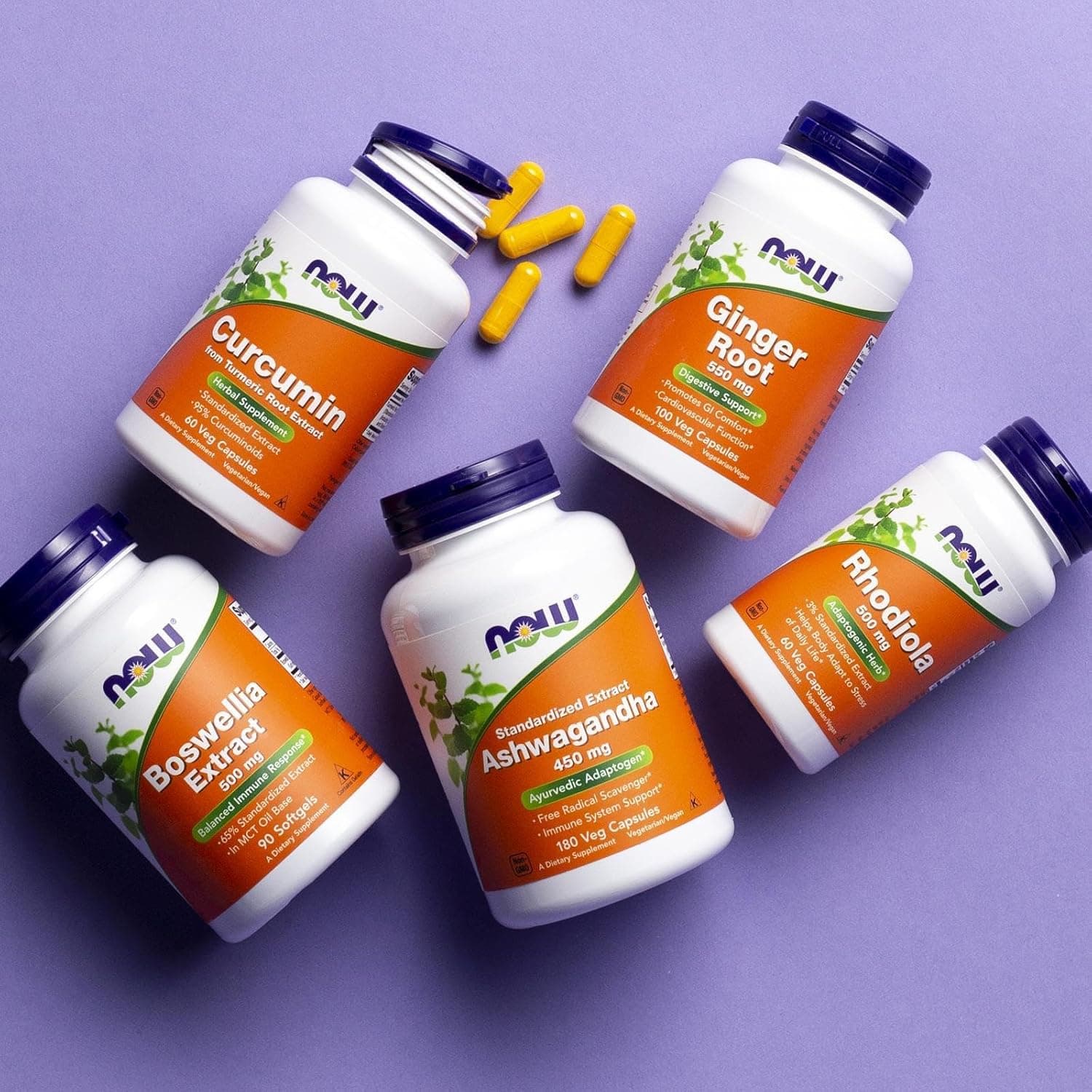
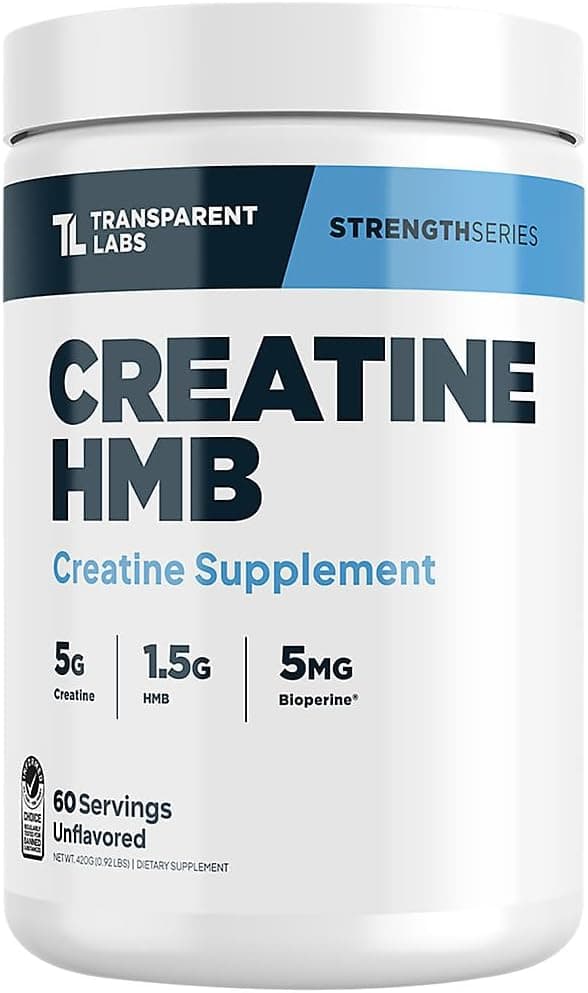
BioPerine®.
BioPerine® supplementation for targeted health support. Inhibits drug-metabolizing enzymes in your gut and liver. Result: more of what you swallow actually gets into your bloodstream.
Reviewed March 2026
- Category
- General
What BioPerine® is, and what it does.
- Does it work
- When paired with poorly-absorbed supplements like curcumin, CoQ10, or resveratrol. On its own? Pointless.
- How much to take
- 5-20mg per dose. Usually taken with other supplements. Most combo products include 5mg which is enough.
- Time to feel it
- There is nothing to time on its own. Piperine changes how much of its partner compound reaches your blood, so the timeline you watch is that partner's.
- The first dose
- Nothing you'd notice directly. The magic happens to whatever you take it with.
- With regular use
- Better results from your other supplements over time.
- How well tolerated
- Well tolerated in most. Caution with prescription medications, especially those metabolized by CYP450 enzymes.
- How it feels
- You don't feel BioPerine. You feel your other supplements working.
- The overlooked benefit
- Its reach goes well past curcumin. The same clearance enzymes handle many polyphenols, so co-taken green tea catechins and resveratrol reach higher blood levels too.
5 to 10mg a day is where BioPerine® works.
Source: Shoba 1998 2000% curcumin absorption boost
The proof, claim by claim.
These words describe the research, not the molecule's worth. Research strength is how much work stands behind one claim, and it is never a product score.
- Dramatically increases curcumin absorptionShoba et al. 1998
- Enhances CoQ10 absorptionMultiple studies
- Well tolerated at recommended dosesGRAS status
Questions people ask about BioPerine®.
- Is this just black pepper?
- Yes, but standardized to 95% piperine. Regular black pepper varies wildly. BioPerine is consistent.
- Which supplements does it help?
- Curcumin (biggest boost), CoQ10, resveratrol, beta-carotene, selenium, vitamin B6, vitamin C, and more.
- Can I just eat black pepper?
- You'd need a lot. One capsule of BioPerine equals the piperine in many tablespoons of pepper.
- Will it interact with my meds?
- Potentially. It can increase absorption of some drugs. Check with your pharmacist.
- How much does it boost absorption?
- Depends on the substance. Curcumin: 2000%. Selenium: 30%. CoQ10: 30%.
- Take it with food?
- Yes. Take it with meals alongside your fat-soluble supplements.
What the trials show about these together.
Outcomes the engine found studied for these actives as a combination, not one at a time. Each is a finding a named trial measured, cited and dated, never written by the brand.
- EarlyBioPerine® + CurcuminAbsorption
In a human trial, 2 g of curcumin taken alone was barely detectable in the blood, while adding 20 mg of piperine raised curcumin bioavailability about twentyfold.
Shoba et al., 1998 (Planta Medica)PMID 9619120
Research strength. Research strength says how much work stands behind the combination. It is never a product score.
Fail closed. Where actives were studied on their own rather than together, each shows on its own evidence, never a combined effect no trial measured.
Independent record. Every finding is cited to a named trial, dated, and never written by the brand.
Findings from trials that studied these actives as a combination. Context for how the actives were tested together, not a statement about any individual and not a claim about this product.
Why these belong in the same formula. Each row says what the basis is, from settled biochemistry through to a trial that measured the pair.
Curcumin is rapidly conjugated by intestinal and liver UDP-glucuronosyltransferases. Piperine inhibits that conjugation, so far more unconjugated curcumin reaches the circulation.
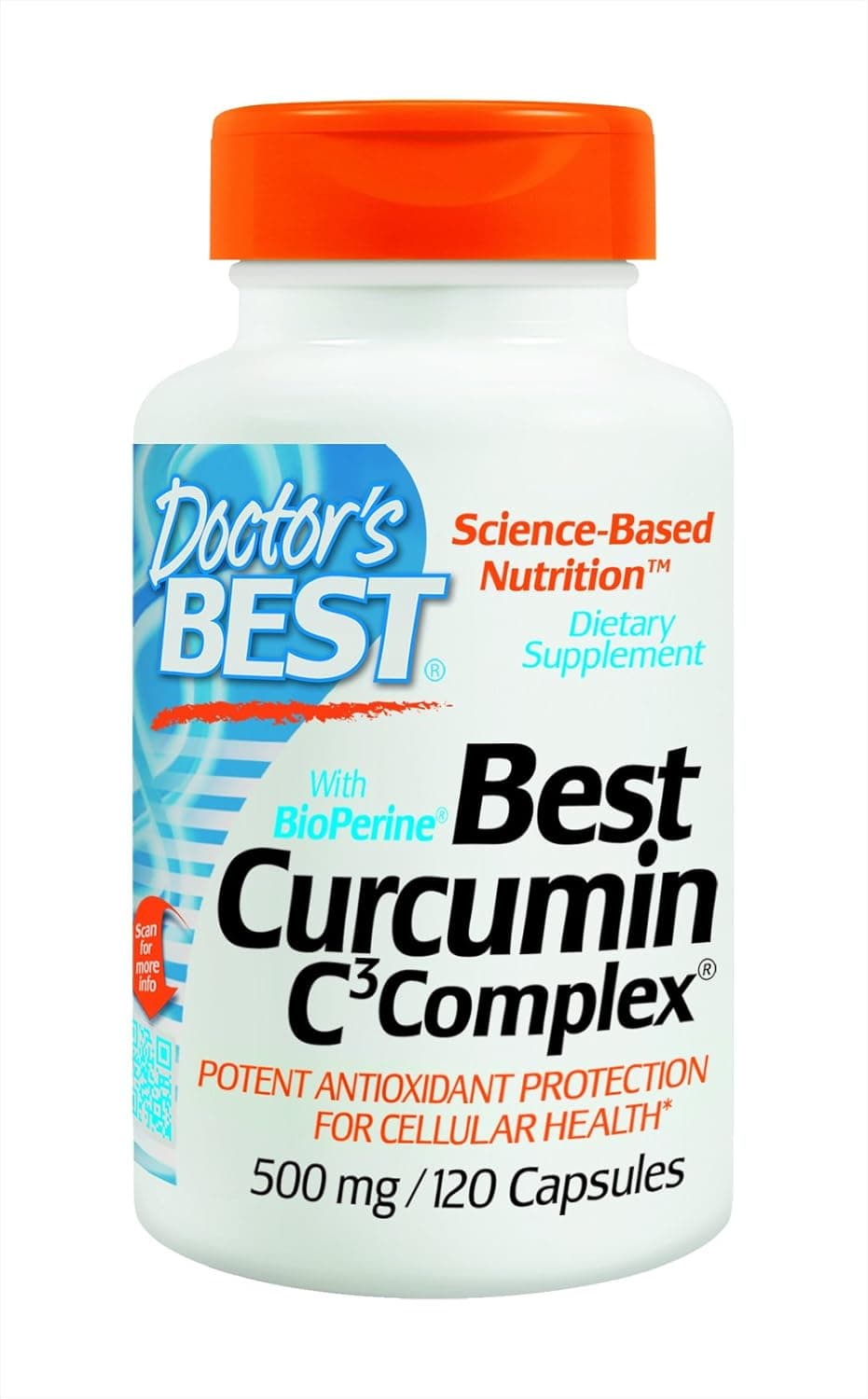
BioPerine is the conventional partner for standardised curcuminoid extracts because it slows their glucuronidation and sulfation. The pairing is the reason most curcumin labels list a black pepper extract.
Resveratrol is almost entirely converted to glucuronide and sulfate conjugates on first pass. Piperine inhibits those enzymes, and the reported rise in parent resveratrol comes mainly from animal pharmacokinetic work.
Piperine inhibits the glucuronidation and efflux that clear EGCG in the intestinal wall, so more of the catechin crosses intact. The effect is documented mainly in animal pharmacokinetic studies.
Piperine slows the intestinal metabolism of absorbed carotenoids, and small human dosing work reports higher serum beta carotene when the two are taken together.
CoQ10 is large and lipophilic with limited uptake. Piperine inhibits P-glycoprotein efflux at the enterocyte, which raises the plasma level reached from the same dose.
Berberine is pumped back into the gut lumen by P-glycoprotein, which is why so little is absorbed. Piperine inhibits that pump, and the higher exposure from an unchanged dose is shown in animal models.
Quercetin is heavily sulfated and glucuronidated in the gut wall. Piperine inhibits those conjugating enzymes, so a larger share of the flavonol circulates unconjugated.
Piperine and capsaicin both activate the TRPV1 channel on sensory nerve endings, so their warming and gastric effects add together rather than acting at separate sites.
Green tea catechins are conjugated so fast in the gut wall and liver that only a small fraction circulates unchanged. Piperine slows that conjugation step and animal work reports higher plasma catechin exposure when the two are given together. Human confirmation for this specific pair is thinner than the mechanism suggests.
Silybin is one of the more heavily conjugated botanical compounds, and low oral exposure is its known limitation. Piperine acts on the same conjugation route, which is the reason the two appear together in formulas. The effect size for this pair has not been established in people.
Pterostilbene carries two methoxy groups where resveratrol carries hydroxyls, so it is conjugated less readily and starts from higher oral exposure. Adding piperine still targets the residual glucuronidation route, but the headroom is smaller than with resveratrol. Worth stating so a formula does not assume the same benefit transfers.
Lutein has to be incorporated into mixed micelles before it crosses the enterocyte, which is why it is normally taken with fat. Piperine has been described as increasing carotenoid uptake, most of that work being on beta-carotene rather than lutein. Extending it to lutein is a reasonable inference and not a measured result.
Astaxanthin absorption is driven mostly by the lipid vehicle it is dissolved in rather than by conjugation enzymes. Piperine is included in some carotenoid blends on the general carotenoid precedent. The specific pairing has not been quantified.
Caffeine is demethylated almost entirely by CYP1A2, and piperine is an inhibitor of that isoform. Combined in a pre-workout or a thermogenic blend, the same caffeine dose can produce a longer exposure than expected. Anyone sensitive to caffeine should count that when both are in one product.
St John's wort induces CYP3A4 and P-glycoprotein over days of use, while piperine inhibits both acutely. Put in one formula they push clearance of co-ingested compounds in opposite directions, and the net result depends on how long the product has been taken. This is a formulation conflict worth flagging rather than a benefit.
Piperine dissolves poorly in water and readily in medium-chain triglycerides, which is why softgel formats disperse it more consistently than dry blends. The lipid also carries the lipophilic partner compound piperine is usually there to support. This is formulation chemistry, not a separate biological effect.
Boswellic acids are large lipophilic triterpenes with poor and food-dependent absorption, and piperine appears in many joint-comfort blends built around them. The pairing is standard formulation practice with limited dedicated pharmacokinetic work. State it as practice, not as a demonstrated increase.
Withanolide-standardised ashwagandha extracts frequently carry a small piperine addition in commercial products. No pharmacokinetic study establishes that piperine changes withanolide exposure. It is listed because the combination is widespread, not because it is characterised.
Piperine has been described as increasing intestinal uptake of several nutrients including minerals, largely in rodent models. Human data specific to iron and piperine is scarce. Anyone managing iron intake should not count on this as a reliable lever.
Reports of piperine altering uptake of B vitamins come mainly from supplier literature and preclinical models rather than controlled human pharmacokinetics. Vitamin B6 already absorbs well by passive diffusion at supplement doses, so the headroom is limited. Included at low confidence for completeness.
Nothing specific on file for BioPerine®. Match the label to the daily amount above, and tell your doctor what you take.
Not medical advice. Show the label to your pharmacist.What BioPerine® actually does.
Piperine is the main alkaloid in black pepper, and it's the compound BioPerine is standardised to at 95 percent or higher.
Piperine slows glucuronidation enzymes in your gut wall and liver, the step that clears many polyphenols, so less of them get lost on the first pass through.
Piperine slows several cytochrome P450 enzymes including CYP3A4 and CYP1A2, so it can raise how much of anything that depends on those enzymes for clearance ends up in your blood, prescription medicines included.
Piperine blocks P-glycoprotein, a pump in your gut lining that pushes absorbed compounds back out into the gut, and that's a second way things taken alongside it reach higher blood levels.
Where BioPerine® comes from.
Dried black peppercorns are extracted with a solvent, the piperine is crystallised out and cleaned up, and the result is tested until it is at least 95 percent piperine. That powder is what goes into a capsule, usually only a few milligrams of it.
Made from a plant. What ends up in the capsule tracks the harvest, so batch testing and a stated marker matter more here than with a made molecule.
Mature black pepper berries, mostly from India, Vietnam and Indonesia, dried and cleaned
Ground pepper is extracted with an organic solvent to pull the oleoresin fraction containing piperine
Piperine is crystallised out of the oleoresin and residual solvent is stripped under vacuum
The crystalline material is assayed, typically by HPLC, and blended to the declared piperine percentage
Milled to a powder for blending into capsules, tablets and softgels at milligram-level inclusion
Getting BioPerine® from food.
The whole-food sources on file. A supplement closes the gap, it does not replace dinner.
A gram-for-gram figure (how much of each you would eat to match a dose) will appear here once it is sourced and reviewed. This page will not print a number it cannot cite.
The forms it comes in.
The essence, in one line each.
- Curcumin taken together with piperine raised blood vitamin D levels compared with placebo in the women studied.Randomised trial. Arabnezhad et al., 2022 (BMC complementary medicine and therapies). PMID 35065636 ↗
- A placebo-controlled trial of a standardised Nigella sativa oil preparation in which piperine appears only as a named formulation component, so the trial does not isolate what piperine contributed.Randomised trial. Majeed A et al., 2024 (Medicine). PMID 39121267 ↗
These are the studies our verdict leans on, chosen from the 72 we read for BioPerine®. The full linked list is below.
FDA Disclaimer: These statements have not been evaluated by the Food and Drug Administration. This information is for educational purposes only and is not intended to diagnose, treat, cure, or prevent any disease. Consult your healthcare provider before starting any supplement regimen.