
Vitamin E (as d-alpha tocopherol)NHANES 2005 to 2016
About 84% of US adults
take in less vitamin E than the estimated average requirement.
Peer-reviewed analysisVitamin E (as d-alpha tocopherol) is the lead active here, studied most for skin barrier support. Mixed tocotrienols is the most studied active here, with 15 human studies behind it, each one cited. Who it fits: for everyone, adults.
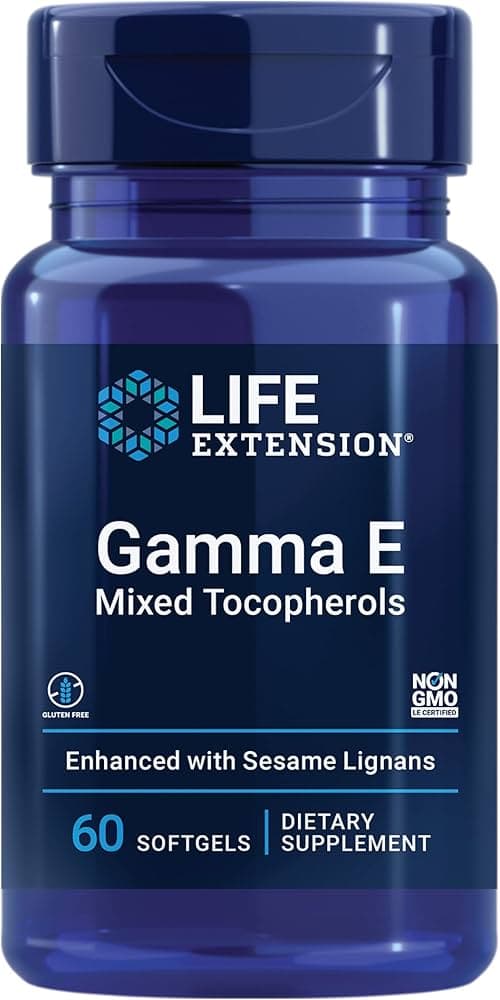 Verified by IngredientMD
The panel on the left is the one we evaluated, line by line.
All 4 actives checked against the clinical evidence: dose, form, and what the research actually shows.
Doses, ratios, and how the ingredients work together. That assessment is the verdict above: "Backed by human trials".
The verdict is public and identical whether or not a brand pays. A formula that does not clear the bar gets nothing.
Read by the engine against 2.1 million data points from clinical trials, PubMed and more than a hundred vetted sources. No individual reviewer is named or implied.
Cross-checked against 696 documented interactions for these actives.
Public health figures the engine matched to this formula's ingredients. Reported by their source, cited and dated, never written by the brand.
About 84% of US adults
take in less vitamin E than the estimated average requirement.
Peer-reviewed analysis35.1% of US adults
had at least one sunburn during the previous 12 months, in the 2024 National Health Interview Survey.
CDC National Center for Health Statistics, 202650% of US adults
said they have a very or somewhat consistent skin care routine, in a YouGov survey fielded in April 2024.
YouGov, 202446% of US women
said they use moisturizer at least once a day, in a YouGov survey fielded in April 2024.
YouGov, 20249% of US women
said they would spend more than $60 on a single skin care product, in a YouGov survey fielded in April 2024.
YouGov, 202457.6%
During 2017 to 2018, 57.6% of US adults aged 20 and over reported using a dietary supplement in the past 30 days.
CDC National Center for Health Statistics29.0% of US women
aged 18 and older said they always use sunscreen when outside for more than one hour on a sunny day, in the 2020 National Health Interview Survey.
CDC National Center for Health Statistics, 202259 to 66 days
was the median time it took adults to make a new daily health habit automatic across the studies a 2024 review pooled, with individuals ranging from 4 to 335 days.
Systematic review and meta-analysis, 202461% to 74%
About 61 to 74 percent of adults refilling a long-term medicine on their own stopped within a year, versus 33 to 44 percent on one set pickup day.
Cohort study, 2015Meta-analysis, 2025
Pooled trials found vitamin E raised a fat-and-sugar-related hormone, with less consistent change in another hormone, leptin.
Journal of dietary supplementsMeta-analysis, 2022
Across 8 trials in 1,002 women, vitamin E taken by mouth reduced reported menstrual cramp pain compared with placebo, with the clearest effect in the first month.
Clinical Nutrition ESPENRandomised trial, 2023
In 160 postmenopausal women with long-standing sleep difficulty, one month of vitamin E brought the median sleep questionnaire score to 6, versus 9 on placebo, where lower means better sleep.
NutrientsMeta-analysis, 2020
Across 26 randomized trials in adults, vitamin E lowered a marker of inflammation by about 0.52 mg per liter, with the alpha-tocopherol form showing this effect where other forms did not.
Scientific ReportsMeta-analysis, 2015
Across 12 trials, vitamin E lowered a blood marker of inflammation by about 0.62 mg/l compared with not taking it.
European Journal of Clinical NutritionMeta-analysis, 2023
Across 12 trials in 794 adults with high liver fat, at least 400 IU of vitamin E daily lowered two liver enzyme markers by 7 to 10 and 5 units.
NutrientsMeta-analysis, 2025
Dietary and blood vitamin E were linked to long-term lung function as an association, with only the supplement part testing cause.
Food and FunctionMeta-analysis, 2025
Taking vitamin E with vitamin C lowered plasma oxidative stress markers and raised antioxidant capacity across the pooled trials.
Frontiers in immunologyMeta-analysis, 2024
A pooled review found vitamin E linked to less gum inflammation in dental patients, a specific setting, not a general effect.
Journal of Personalized MedicineMeta-analysis, 2026
Pooled trials found vitamin C and vitamin E, alone or together, produced modest improvements in blood sugar control and cardiovascular risk markers in adults with above-normal blood sugar.
Nutrition reviewsRandomised trial, 2026
Daily multivitamin supplementation raised circulating carotenoids and alpha-tocopherol in older adults compared with placebo.
Journal of the Academy of Nutrition and DieteticsRandomised trial, 2025
A diet comparison found vitamin E-enriched meat linked to changes in blood markers versus other diets, but these are markers, not outcomes.
Scientific ReportsMeta-analysis, 2025
Across 21 trials, vitamin E lowered oxidized LDL and lengthened the time before LDL starts to oxidize, by about 20.45 units, both lab markers of oxidation.
European Journal of PharmacologyRandomised trial, 2022
Acute vitamin C plus vitamin E before running altered circulating muscle-damage and oxidative-stress markers, which are blood markers rather than performance or recovery outcomes.
NutrientsMeta-analysis, 2021
Pooled trials of alpha-tocopherol supplementation showed small changes in blood lipid measures, with triglycerides most affected and total cholesterol largely unchanged.
The paperRandomised trial, 2023
Gamma-tocopherol supplementation reduced reported premenstrual symptoms and increased sodium excretion compared with placebo.
BMC complementary medicine and therapiesMeta-analysis, 2021
Pooling 24 randomised trials found no detectable change in body weight, body mass index or waist circumference with vitamin E, so it is not a body-composition ingredient.
Clinical NutritionSystematic review, 2022
Across 16 studies in older women, vitamin E was associated with fewer hot flushes alongside changes in blood vessel function and lipid levels, with smaller effects than hormone therapy and data the authors rated as low quality, so the association is not evidence of cause.
NutrientsRandomised trial, 2025
A six-month randomised controlled trial of vitamin E in paediatric patients under metabolic clinic follow-up reported changes in oxidative and inflammatory laboratory measures.
Journal of Inherited Metabolic DiseaseMeta-analysis, 2025
Vitamin and multiple micronutrient supplements containing tocopherol during pregnancy and breastfeeding were linked to improved maternal nutrient status across trials.
Advances in nutritionMeta-analysis, 2026
Pooling the available trials, adjuvant vitamin E alongside varicocele surgery was associated with better post-operative semen parameters, which are laboratory markers of sperm quality and not fertility outcomes.
Archivio Italiano di Urologia e AndrologiaRandomised trial, 2025
In young patients on regular blood transfusions, vitamin E use shifted cellular markers of oxidative damage, lab markers rather than clinical outcomes.
BMC PediatricsPopulation figures from public health data. Context for the category, not a statement about any individual and not a claim about this product.
Each line below was derived from this formula's own record at the time of verification. Nothing here was written by the brand, and nothing can be added that the evidence does not carry.
Time-to-effect windows the engine read from the trial record. Each is a window a named study measured, cited and dated, never written by the brand.
In a 3-phase crossover using two deuterium-labelled forms of alpha-tocopherol, healthy women absorbed about 55 percent of an oral dose taken with a 40 percent fat meal and about 64 percent with a fat-free meal, with samples tracked over 72 hours. The authors conclude absorption is not limited by absent fat or fasting, and that vitamin E leaves the intestine by a prolonged process.
Windows measured in the cited trials. Context for how the active behaves over time, not a statement about any individual and not a claim about this product.
Four ingredients, from each one's own page.
Plasma levels climb within days, though there's no sensation attached. The change reads on a blood panel rather than in how you feel.
Plasma alpha-tocopherol climbs over a couple of weeks of daily intake, and membrane stores follow across a few months. It reads on a panel, not as a sensation.
Plasma tocopherols shift within days of daily intake, and any change in skin condition arrives slowly over a couple of months.
Plasma alpha-tocopherol climbs within days of daily intake, and anything you'd notice in skin condition is a slow change across a couple of months.
How each ingredient usually behaves over time, from its own page on IngredientMD. General timing for the ingredient, not a measurement of this product.
What each form is, and where it fits in a formula. Measured findings carry the study that reported them.
A blend that supplies the other natural tocopherol homologues, chiefly gamma- and delta-tocopherol, alongside alpha-tocopherol. Gamma-tocopherol is the major tocopherol in the diet and differs from alpha by one methyl group on the chromanol ring.
The second family of vitamin E compounds. Tocotrienols share the chromanol head of the tocopherols but carry an unsaturated isoprenoid tail with three double bonds. Commercial sources are palm and annatto, supplied as a tocotrienol-rich fraction of the alpha, gamma and delta homologues.
A meta-analysis of 15 randomized controlled trials found tocotrienol supplementation raised HDL-cholesterol by a weighted mean difference of about 0.15 mmol/L, most at doses of 200 mg per day or above, with no significant change in LDL-cholesterol, total cholesterol or triglycerides.
Descriptions of the form itself, read from the cited studies. Not a comparison between products and not a statement about any individual.
It is a softgel, so the active is already dissolved in oil and the shell keeps it away from air and light.
Put an earned verification on your own product page.
These statements have not been evaluated by the Food and Drug Administration. This product is not intended to diagnose, treat, cure, or prevent any disease. This record is not medical advice. Always consult your healthcare provider before starting any supplement regimen.