
Vitamin CNHANES 2005 to 2016
About 46% of US adults
take in less vitamin C than the estimated average requirement.
Peer-reviewed analysisZinc is the lead active here, studied most for filling everyday nutrient gaps. 22 human studies on Zinc back this formula, each one cited. Each serving carries 8 mg of Zinc, inside the range the published research used. Who it fits: skews toward women, adults.
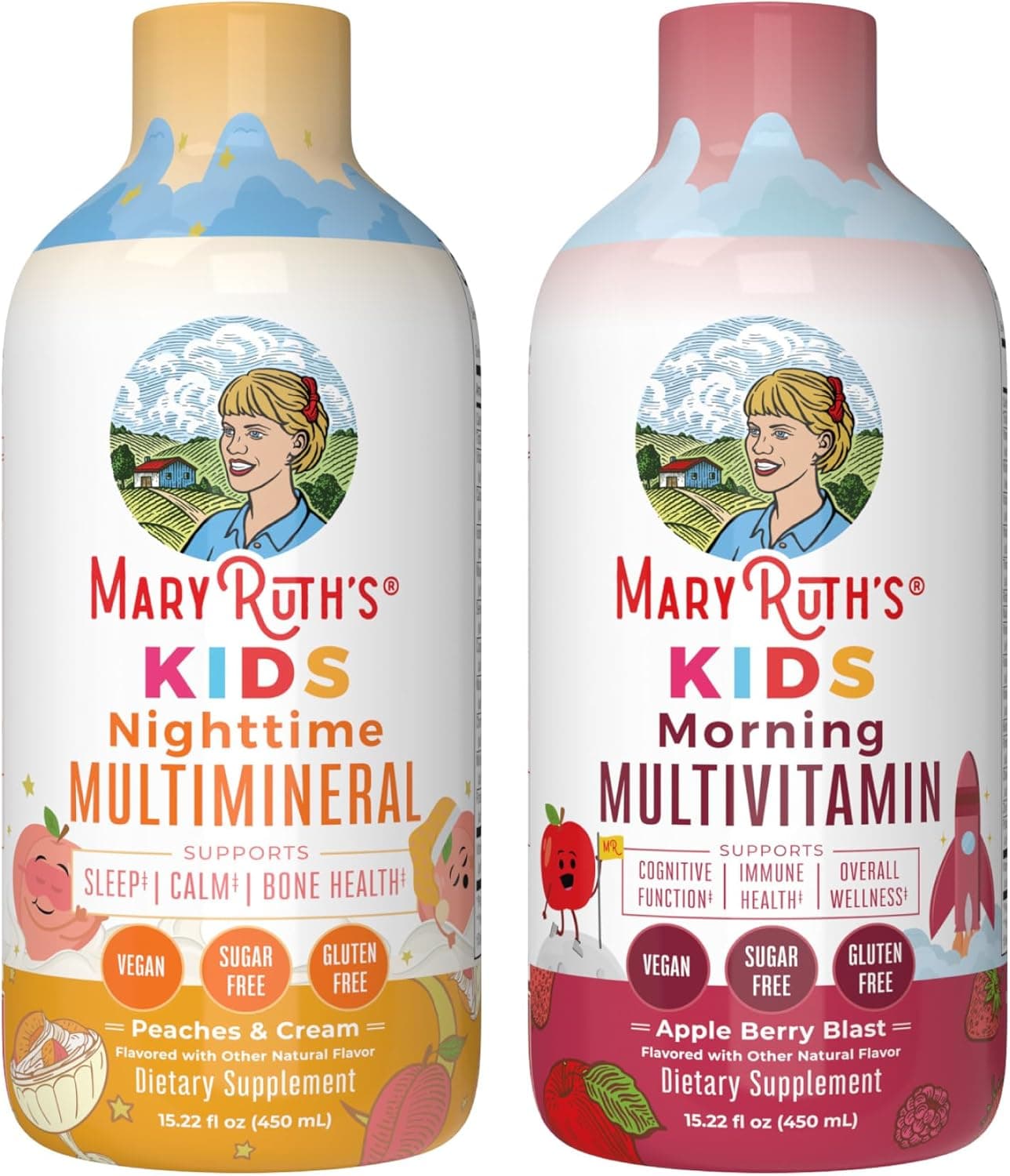 Verified by IngredientMD
The panel on the left is the one we evaluated, line by line.
All 14 actives checked against the clinical evidence: dose, form, and what the research actually shows.
Doses, ratios, and how the ingredients work together. That assessment is the verdict above: "Stronger in a pair".
The verdict is public and identical whether or not a brand pays. A formula that does not clear the bar gets nothing.
Read by the engine against 2.1 million data points from clinical trials, PubMed and more than a hundred vetted sources. No individual reviewer is named or implied.
Cross-checked against 4,334 documented interactions for these actives.
Public health figures the engine matched to this formula's ingredients. Reported by their source, cited and dated, never written by the brand.
About 46% of US adults
take in less vitamin C than the estimated average requirement.
Peer-reviewed analysisAbout 41% of US adults
have blood vitamin D below the level considered sufficient.
Peer-reviewed analysisAbout 42% of Americans
take in less calcium than the estimated average requirement.
NHANESAbout 48% of Americans
take in less magnesium than recommended from food and drink.
NIH Office of Dietary SupplementsAbout 15% of US adults
take in less zinc than the estimated average requirement.
Peer-reviewed analysisMore than 1 in 3 US adults
regularly sleep less than the recommended seven hours a night.
Peer-reviewed analysis74% of US adults
take dietary supplements, and 55% are regular users, in the Council for Responsible Nutrition's 2023 consumer survey of 3,192 adults.
Council for Responsible Nutrition and Ipsos, 202392% of US supplement users
agree that dietary supplements are essential to maintaining their health, in the Council for Responsible Nutrition's 2023 consumer survey.
Council for Responsible Nutrition and Ipsos, 202312.3% of US adults
met the fruit intake recommendation and 10.0% the vegetable recommendation in 2019, in the Behavioral Risk Factor Surveillance System across 49 states.
CDC, MMWR, 202215% of US adults
aged 20 and over ate no breakfast on the day of their dietary recall, in the 2017 to March 2020 What We Eat in America survey.
USDA Agricultural Research Service, 202457.6%
During 2017 to 2018, 57.6% of US adults aged 20 and over reported using a dietary supplement in the past 30 days.
CDC National Center for Health StatisticsAbout 24% of US girls aged 14 to 18
take in less copper from food and drink than the estimated average requirement.
NHANES60.2% of US adults aged 20 and over
took a dietary supplement in the past 30 days, and 38.7% took two or more, in the 2021 to 2023 National Health and Nutrition Examination Survey.
CDC National Center for Health Statistics, 202659 to 66 days
was the median time it took adults to make a new daily health habit automatic across the studies a 2024 review pooled, with individuals ranging from 4 to 335 days.
Systematic review and meta-analysis, 202461% to 74%
About 61 to 74 percent of adults refilling a long-term medicine on their own stopped within a year, versus 33 to 44 percent on one set pickup day.
Cohort study, 2015Randomised trial, 1994
Over two years, older postmenopausal women taking calcium plus trace minerals including manganese gained about 1.5% spinal bone density, while the placebo group lost about 3.5%.
Journal of NutritionCohort study, 2026
In a large UK Biobank cohort, higher dietary manganese intake was linked to a modestly lower chance of developing high blood sugar over follow-up, an association, not a demonstrated cause.
The journal of nutrition, health & agingRandomised trial, 2025
Tracking the rise and fall of markers after exercise, methylsulfonylmethane blunted the post-exercise increase in oxidative stress and inflammation markers.
NutrientsRandomised trial, 2012
Ten days of methylsulfonylmethane lowered markers of exercise-induced muscle damage and raised total antioxidant capacity in untrained men.
The Journal of sports medicine and physical fitnessRandomised trial, 2021
A small pilot trial found that how much silicon the body absorbed differed depending on the supplement form it came in.
Scientific reportsMeta-analysis, 2024
Across 10 trials in 318 athletes, vitamin D3 raised blood vitamin D by about 14.8 nmol/L and hinted at better muscle strength, though few trials leave that uncertain.
Frontiers in NutritionMeta-analysis, 2016
Zinc acetate lozenges cut cold symptom length by about 2.7 days, versus a roughly seven day average, across three pooled trials.
British Journal of Clinical PharmacologyMeta-analysis, 2024
Across six trials in 739 women, zinc lowered menstrual discomfort scores, with bigger drops after eight weeks or more, even at doses as low as 7 mg daily.
NutrientsMeta-analysis, 2014
Pooling 30 trials of 5,615 adults, vitamin D gave a small rise in overall muscle strength, with no measurable effect on muscle mass or power.
Journal of Clinical Endocrinology and MetabolismControlled clinical trial, 1993
In healthy women on a controlled diet, a lower manganese intake (1.0 versus 5.6 mg a day) raised premenstrual mood and pain symptom scores.
American Journal of Obstetrics and GynecologyRandomised trial, 2021
Amateur competitive cyclists taking 2S-hesperidin for eight weeks gained a small amount of muscle mass and lost a small amount of fat mass compared with placebo.
Food & functionRandomised trial, 2020
Eight weeks of 2S-hesperidin in amateur cyclists improved performance measures on an incremental cycling test, including a higher peak power output than placebo.
NutrientsRandomised trial, 2025
Vitamin D3 supplementation changed the inflammatory protein CHI3L1 and oxidative stress markers in adults with a chronic demyelinating condition. These are markers, not clinical outcomes.
Neuropsychopharmacology ReportsRandomised trial, 2011
In adults with age-related knee joint wear, the authors reported improvement in self-reported symptom and function scores with supplementation compared with placebo, while noting the effect size was small.
BMC Complementary and Alternative MedicineSystematic review, 2013
In a Cochrane review of 9 randomized trials in overweight adults, chromium picolinate was associated with a modest average weight reduction of about 1.1 kg over 12 to 16 weeks, an effect the reviewers rated low-certainty and of debatable clinical relevance.
Cochrane Database of Systematic ReviewsMeta-analysis, 2014
Across 25 trials in adults with high blood sugar, chromium lowered HbA1c, a marker of average blood sugar, by about 0.55 percentage points and fasting glucose by about 1.15.
Journal of Clinical Pharmacy and TherapeuticsMeta-analysis, 2024
Across 14 trials in adults with elevated blood sugar, chromium did not measurably change body weight, BMI, waist size or fat mass overall, with a fat drop only in older adults on picolinate form.
Journal of Trace Element Medicine and BiologyMeta-analysis, 2025
Across 20 trials in adults carrying excess weight, chromium lowered fasting insulin by about 12.6 pmol/L and an insulin resistance marker by about 0.26, without a significant change in fasting glucose.
Journal of Trace Element Medicine and BiologyMeta-analysis, 2024
Across 20 studies, daily vitamin D3 raised blood vitamin D levels by about 10.4 nmol/L more than the same dose of vitamin D2, roughly 40 percent more.
Advances in NutritionMeta-analysis, 2025
Across trials, hesperidin produced small favorable shifts in several heart-related markers, including modest drops in total cholesterol and systolic blood pressure.
Nutrition reviewsMeta-analysis, 2012
In trials directly comparing the two forms, vitamin D3 raised blood 25-hydroxyvitamin D more than vitamin D2 did (P = 0.001).
American Journal of Clinical NutritionMeta-analysis, 2019
Across human trials, hesperidin lowered blood inflammation markers, with small overall effects.
Chemico-biological interactionsRandomised trial, 2023
A placebo-controlled trial tested boron citrate against heart and metabolic risk markers, inflammation markers and body measurements, none of which are clinical outcomes on their own.
BMJ OpenRandomised trial, 2022
A pilot trial reporting changes in inflammatory and clinical laboratory measures with boron citrate plus oleoylethanolamide. A small pilot reporting markers, and the boron effect cannot be separated from the co-administered compound.
Journal of Trace Elements in Medicine and BiologyMeta-analysis, 2025
Pooled trials found chromium lowered inflammatory markers in the blood, markers rather than outcomes.
Biological Trace Element ResearchRandomised trial, 2025
A double-blind randomised trial of boron supplementation reporting urinary and mineral-handling measures. Boron is named inside a broader supplementation question and the endpoints are laboratory measures.
Food Science and NutritionMeta-analysis, 2025
Across four trials in women of reproductive age, zinc lowered premenstrual symptom scores, with the biggest gain in mood and a smaller, less certain gain in physical symptoms.
Women and HealthRandomised trial, 2021
A polyphenol plus methylsulfonylmethane supplement was associated with altered immune and damage-signalling marker responses to an exercise challenge. These are blood markers, not clinical endpoints.
Frontiers in PhysiologyControlled feeding study, 1994
In 12 women past midlife, adding 3 mg of boron a day for 48 days lowered urine loss of calcium and magnesium and raised blood levels of estrogen and testosterone.
Environmental Health PerspectivesHuman trial, 2011
In eight healthy men taking 10 mg of boron a day for a week, mean plasma free testosterone rose and estradiol fell, and sex hormone binding globulin, high sensitivity C-reactive protein and TNF-alpha all fell, in a small single-group design with one placebo day for comparison.
Journal of Trace Elements in Medicine and BiologyMeta-analysis, 2014
Across 23 trials of 4,082 adults, vitamin D raised bone mineral density at the femoral neck by about 0.8%, with no measurable change at the spine, hip, or other sites.
LancetMeta-analysis, 2021
Across randomised trials, hesperidin or orange juice intake produced no detectable change in body weight, body mass index or waist measurement in adults, which is a failure to detect a difference rather than proof of none.
Clinical nutrition ESPENMeta-analysis, 2026
Pooling randomised trials in adults, zinc had a small effect on body weight and waist circumference and no detectable effect on body mass index, fat mass, fat-free mass or adipokine levels, and the authors call the size of the changes minor.
Biological Trace Element ResearchMeta-analysis, 2020
Across randomised trials, hesperidin supplementation did not produce a detectable change in fasting blood glucose or HbA1c, which is a failure to detect an effect rather than evidence that none exists.
British journal of clinical pharmacologyRandomised trial, 2021
Adding a glucosamine, chondroitin and MSM supplement to jaw joint care produced no detectable added improvement in reported outcomes, a failure to detect a difference rather than evidence of none.
Journal of Cranio-Maxillo-Facial SurgeryRandomised trial, 1994
Older adults given less boron in their diet did worse on attention and memory tasks than those given more, across three feeding studies.
Environmental Health PerspectivesMeta-analysis, 2011
Across 36 studies in children under five, zinc modestly increased height growth, adding roughly 0.37 cm at about 10 mg a day for 24 weeks.
BMC Public HealthSystematic review and meta-analysis, 2016
In children older than six months, zinc may shorten a bout of diarrhea by about half a day across nine trials, on low certainty evidence.
Cochrane Database of Systematic ReviewsMeta-analysis, 2021
Pooling 24 randomized trials in adults with high blood sugar, chromium supplementation was linked to small reductions in triglycerides (about 6.5 mg/dL) and total cholesterol (about 7.8 mg/dL) and a small rise in HDL cholesterol (about 2.2 mg/dL), effects the authors described as small and possibly below clinical importance.
Journal of Trace Elements in Medicine and BiologyControlled clinical trial, 1992
Taking 15 mg of manganese a day for 124 days raised the activity of the antioxidant enzyme manganese-dependent superoxide dismutase in women's lymphocytes above their starting levels.
American Journal of Clinical NutritionPopulation figures from public health data. Context for the category, not a statement about any individual and not a claim about this product.
Each line below was derived from this formula's own record at the time of verification. Nothing here was written by the brand, and nothing can be added that the evidence does not carry.
Two pairings in this formula have been studied as combinations in human trials. Each finding below is what a named study measured, cited and dated, never written by the brand.
In a two-year trial in older adults, zinc taken together with selenium improved the antibody response to influenza vaccination.
In a 12-month randomised, double-blind trial, 98 adults aged 50 and over drank a litre a day of either a naturally calcium- and magnesium-rich mineral water or a low-mineral water. The mineral-rich group had fewer falls at the 6-month assessment and higher appendicular muscle mass, with the minerals delivered as drinking water rather than a capsule.
Research strength. Research strength says how much work stands behind the combination. It is never a product score.
Fail closed. Where actives were studied on their own rather than together, each shows on its own evidence, never a combined effect no trial measured.
Independent record. Every finding is cited to a named trial, dated, and never written by the brand.
Findings from trials that studied these actives as a combination. Context for how the actives were tested together, not a statement about any individual and not a claim about this product.
Time-to-effect windows the engine read from the trial record. Each is a window a named study measured, cited and dated, never written by the brand.
In a randomised crossover trial, 12 healthy adults consumed 101.7 mg of vitamin C as a powder, as raw fruits and vegetables, or as juice, and plasma vitamin C rose after every intake form, with plasma and urinary levels tracked over the 24 hours following the single dose.
In the trial record, blood vitamin D rises for about 3 months of daily vitamin D3 and then holds at a plateau, near 69 nmol/L at 1,000 IU a day, from a starting level near 41 nmol/L.
A randomised cross-over trial in ten women of mean age 69 gave a single 500 mg dose of calcium as citrate fasting, citrate with a meal, fortified juice or a dairy product meal, with blood drawn before and at 1, 2, 4 and 6 hours. Serum ionised and total calcium increased significantly from baseline over six hours, with the rise similar after fortified juice, delayed when citrate was taken with a meal and smaller after the dairy meal. A separate double-blind cross-over trial in 25 postmenopausal women measured parathyroid hormone and a bone resorption marker 12 hours after a single calcium dose. Ten participants is a small sample, and what moved was blood chemistry, not a sensation.
Across three randomised placebo-controlled trials pooled as individual patient data (199 adults with naturally acquired colds, 80 to 92 mg of elemental zinc a day as acetate lozenges), 70 percent of the zinc group had recovered by day 5 against 27 percent on placebo, and colds ran 2.73 days shorter against a 7 day average duration. A separate meta-analysis of seven lozenge trials (575 participants, doses above 75 mg a day, zinc acetate or zinc gluconate) measured cold duration 33 percent shorter, with no significant difference between the two salts.
In a controlled feeding study in nine healthy men, six weeks of restricted zinc intake raised DNA strand breaks in peripheral blood cells, and four weeks of repletion at 11 mg a day, with 20 mg of supplemental zinc for the first seven days, reversed the rise. In a separate randomised placebo-controlled trial in 40 Ethiopian women eating a high-phytate diet, 20 mg a day of zinc sulfate for 17 days lowered mean comet tail moment from 39.7 to 30.0 while plasma zinc did not change significantly. Both windows were measured on a DNA damage marker in blood cells, not on a symptom.
In a 12 week randomised double-blind placebo-controlled trial in 119 healthy UK adults aged 50 to 64, mean plasma selenium rose from 95.7 ng/mL at baseline to steady state by week 10, reaching 118.3, 152.0 and 177.4 ng/mL on 50, 100 and 200 micrograms a day of selenium-enriched yeast. Plasma selenoprotein P rose in every selenium arm. Platelet glutathione peroxidase activity did not change significantly at any dose or form.
In an 8 week pilot with a parallel placebo group, 8 young women taking 2 mg of copper a day as copper glycinate showed a 9 percent mean rise in serum ceruloplasmin and a 75 percent rise in diamine oxidase, alongside a 39 percent fall in plasma F2-alpha isoprostanes. Erythrocyte copper-zinc superoxide dismutase did not change. In a separate 4 week double-blind crossover in 20 men with moderately high cholesterol at the same 2 mg a day, copper moved no measure across the whole group and raised superoxide dismutase and diamine oxidase only in the 10 men who started below the median. Both are small and both measured enzymes in blood, not a symptom.
The same eight healthy men then took 10 mg of boron daily with breakfast for seven days, with an 8 a.m. blood draw on day seven. Mean plasma free testosterone increased and mean plasma estradiol decreased significantly, while dihydrotestosterone, cortisol and vitamin D were elevated and all three inflammatory markers fell. The authors describe this as the first human report of a rise in free testosterone after boron intake. There is no placebo arm across the seven days and the sample is eight men, so the one-week figure rests on a single small study.
Windows measured in the cited trials. Context for how the active behaves over time, not a statement about any individual and not a claim about this product.
12 ingredients, from each one's own page.
Blood levels rise within hours and tissue pools fill over days. Collagen-linked changes in skin and gums build over weeks and show as tissue quality, not as a sensation.
25-hydroxyvitamin D climbs over roughly six to twelve weeks of daily dosing before it plateaus. It's a blood level you watch rather than a feeling.
No acute sensation. Parathyroid hormone responds within hours, while bone density shifts over a year or more of steady intake, so this reads on a panel and a scan.
A looser stool can turn up the same day at the higher end. Sleep and cramp changes usually settle in across two to four weeks, because it is refilling a body-wide store.
Blood zinc moves within days. The parts you would notice, skin behaviour and immune resilience, take four to twelve weeks of steady daily intake.
No felt onset. Plasma selenium and glutathione peroxidase activity rise over three to six weeks of daily intake and then plateau once the enzyme pool is filled.
The enzymes that need copper get their supply within days. The change shows on a blood panel rather than in how you feel, and any felt difference takes weeks.
There's no acute effect to time. Where intake has been low, enzyme activity responds over weeks, and it reads on a laboratory measure rather than in how you feel.
It acts on insulin signalling quietly, so the change shows up on a glucose panel rather than as a moment you could point to.
Joint comfort studies report change across two to twelve weeks of daily use, with most of the movement landing in weeks four to eight rather than in the first days.
Silicon reaches blood and urine within hours. Hair and nail condition is the long-window read, and that takes three to six months of daily intake.
Trials read out at four to eight weeks. Absorption waits on colonic bacteria to strip the sugar, so metabolites appear in blood hours after a dose, not minutes.
How each ingredient usually behaves over time, from its own page on IngredientMD. General timing for the ingredient, not a measurement of this product.
What each form is, and where it fits in a formula. Measured findings carry the study that reported them.
The animal-sourced form of vitamin D, made in skin under UVB light and produced commercially from lanolin. Fat-soluble, so it travels with dietary fat and is stored in body fat.
In a 12-week double-blind randomised controlled trial in 108 young women in urban Bangalore, most of whom began vitamin D-deficient, daily vitamin D3 at 400, 600 or 800 IU in a fortified wafer raised serum 25-hydroxyvitamin D, parathyroid hormone fell over time, and effects on bone-turnover markers were modest and not dose specific. The 800 IU dose brought 65 percent of participants to sufficiency.
Silicon dioxide (SiO2), silicon bound to oxygen in a polymerized network. Supplied as amorphous or colloidal silica powder. The same compound appears at low levels as a flow and anti-caking agent.
In a crossover absorption study of fasting healthy adults measuring urinary silicon recovery against an orthosilicic acid positive control, colloidal silica recovery was about 1% of the ingested silicon dose (small subgroup, n=3).
Hesperetin-7-O-rutinoside, a flavanone glycoside with very low water solubility.
Boric acid reacted with citric acid to give a soluble organic-acid complex that dissociates in gastric acid into boric acid and citrate.
Descriptions of the form itself, read from the cited studies. Not a comparison between products and not a statement about any individual.
It is a liquid, so the serving can be adjusted and it suits anyone who would rather not swallow a capsule.
Put an earned verification on your own product page.
These statements have not been evaluated by the Food and Drug Administration. This product is not intended to diagnose, treat, cure, or prevent any disease. This record is not medical advice. Always consult your healthcare provider before starting any supplement regimen.