Methylsulfonylmethane.
Research-backed compound with potential health benefits. Provides sulfur for joint and connective tissue health. Has anti-inflammatory properties.
Reviewed March 2026
- Category
- Compound
What Methylsulfonylmethane is, and what it does.
- Does it work
- Maybe. Good option for joint support, especially combined with glucosamine.
- How much to take
- Start with 1,000 to 3,000mg a day, split across the day. That band is where the sulfur supply for joint and connective tissue sits. The 6,000mg in trials is a research condition.
- Time to feel it
- Joint comfort studies report change across two to twelve weeks of daily use, with most of the movement landing in weeks four to eight rather than in the first days.
- The first dose
- Nothing. Joint supplements need weeks to show effects.
- With regular use
- May reduce joint pain and stiffness. Studies show modest but real improvements.
- How well tolerated
- Well tolerated in most. Start lower if you have a sensitive stomach.
- How it feels
- Less creaky joints. Movements feel smoother. Not dramatic but noticeable for some.
- The overlooked benefit
- Its sulfur has been tracked into methionine and cysteine, and cysteine sets the ceiling on glutathione synthesis, so it feeds a pool that reaches well past joints.
1,500 to 3,000mg a day is where Methylsulfonylmethane works.
Source: Kim 2006 + Butawan 2017 review
The proof, claim by claim.
These words describe the research, not the molecule's worth. Research strength is how much work stands behind one claim, and it is never a product score.
Methylsulfonylmethane is documented in the library. The clinical read is in the queue. Nothing about the strength of the research prints until the read is done.
- Joint comfort and everyday stiffnessMeta-analysis
- Muscle soreness after hard trainingRandomised trial
- Markers of oxidative stress after exerciseRandomised trial
- Entry of its sulfur into the body sulfur amino acid poolAnimal study
- A healthy inflammatory responseRandomised trial
- Seasonal nasal and eye comfortRandomised trial
- Skin, hair and nail structure through sulfur supplyNarrative review
Questions people ask about Methylsulfonylmethane.
- When should I take it?
- Timing matters less than consistency. Pick a time that works for you and take it daily.
- Can I take it with other supplements?
- Usually fine. The main thing to watch is not doubling up on the same ingredient from different products. If you're on prescription meds, check with your pharmacist first.
- Any side effects to watch for?
- Most people tolerate it well at recommended doses. GI upset is the most common complaint with any supplement. Start with a lower dose and work up. If something feels off, stop and reassess.
- Who benefits most from this?
- People with a specific, evidence-backed need. Methylsulfonylmethane has strong research. If your situation matches the studied use case, it's one of the more reliable supplements you can take.
Why these belong in the same formula. Each row says what the basis is, from settled biochemistry through to a trial that measured the pair.
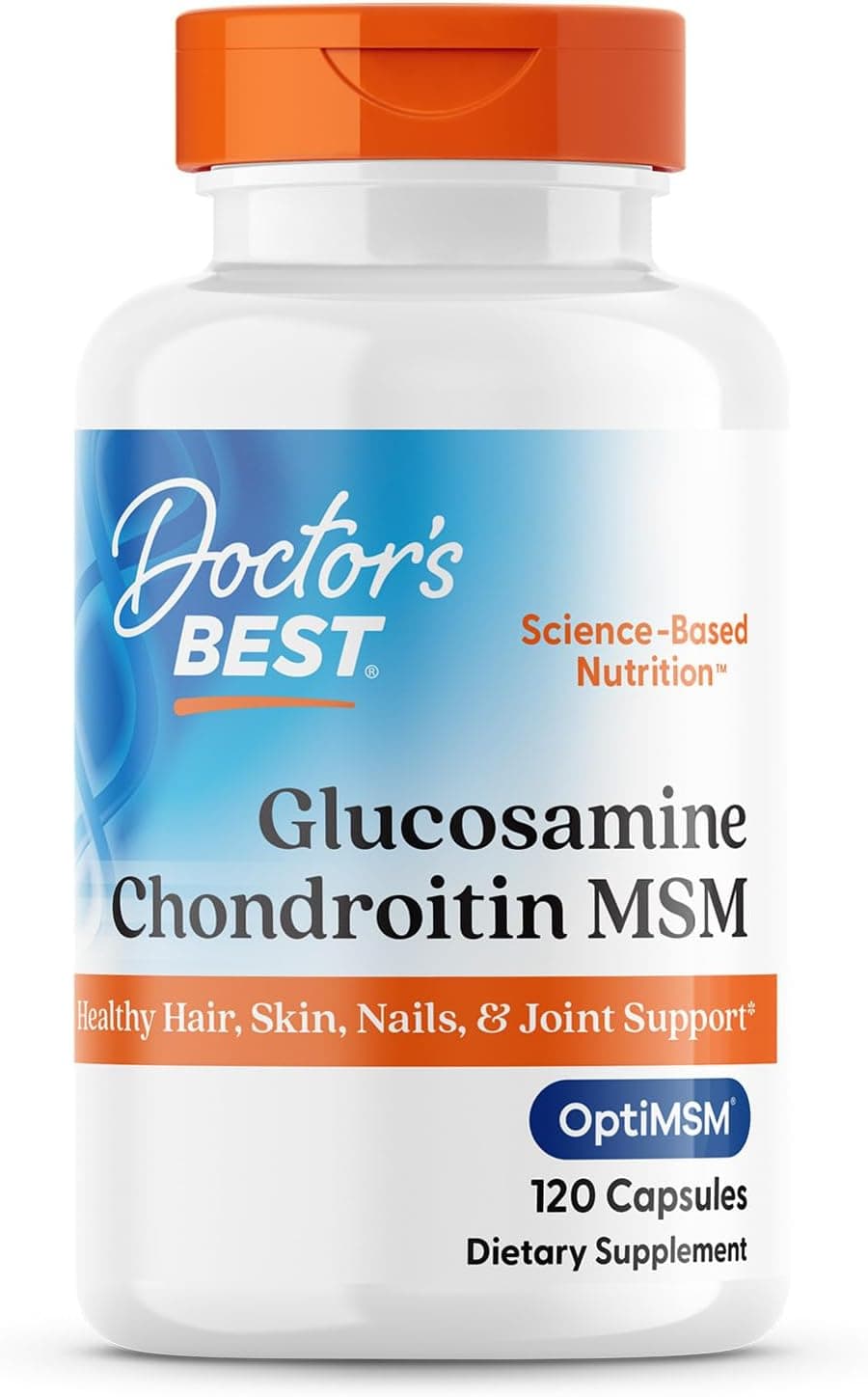
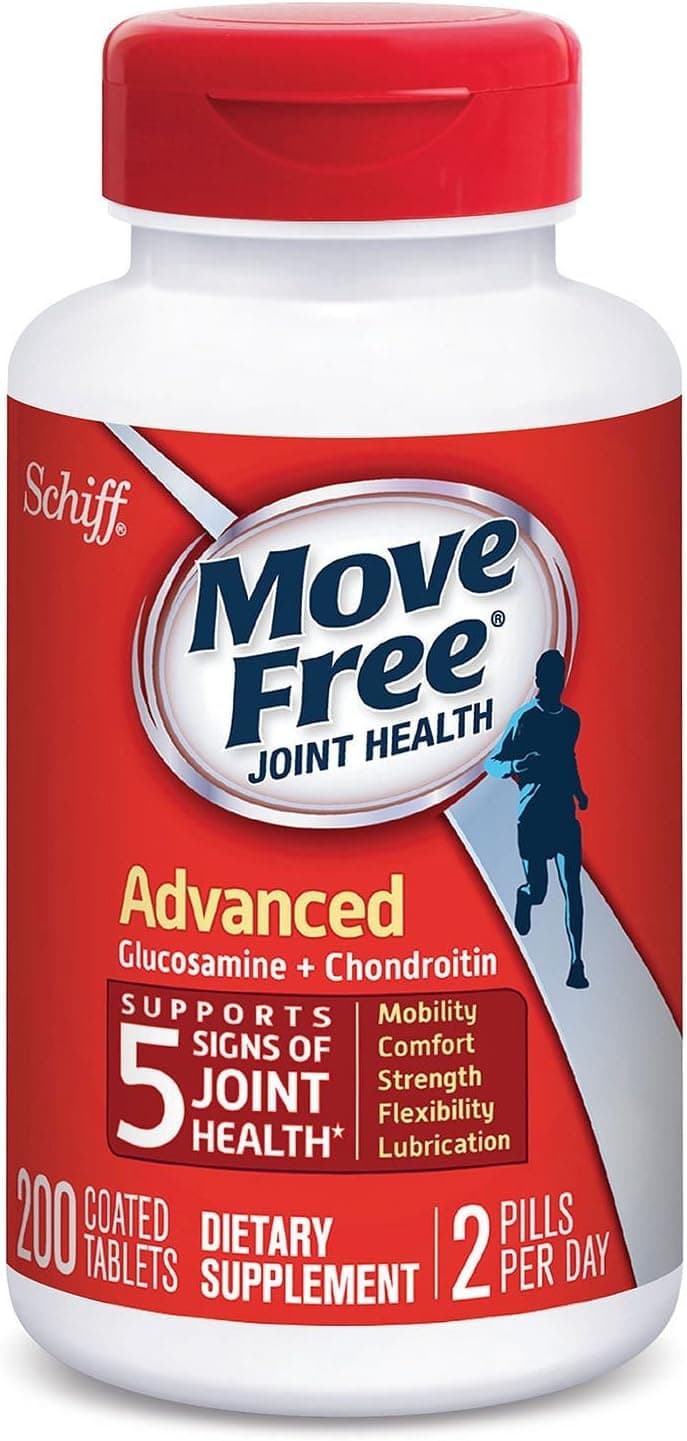
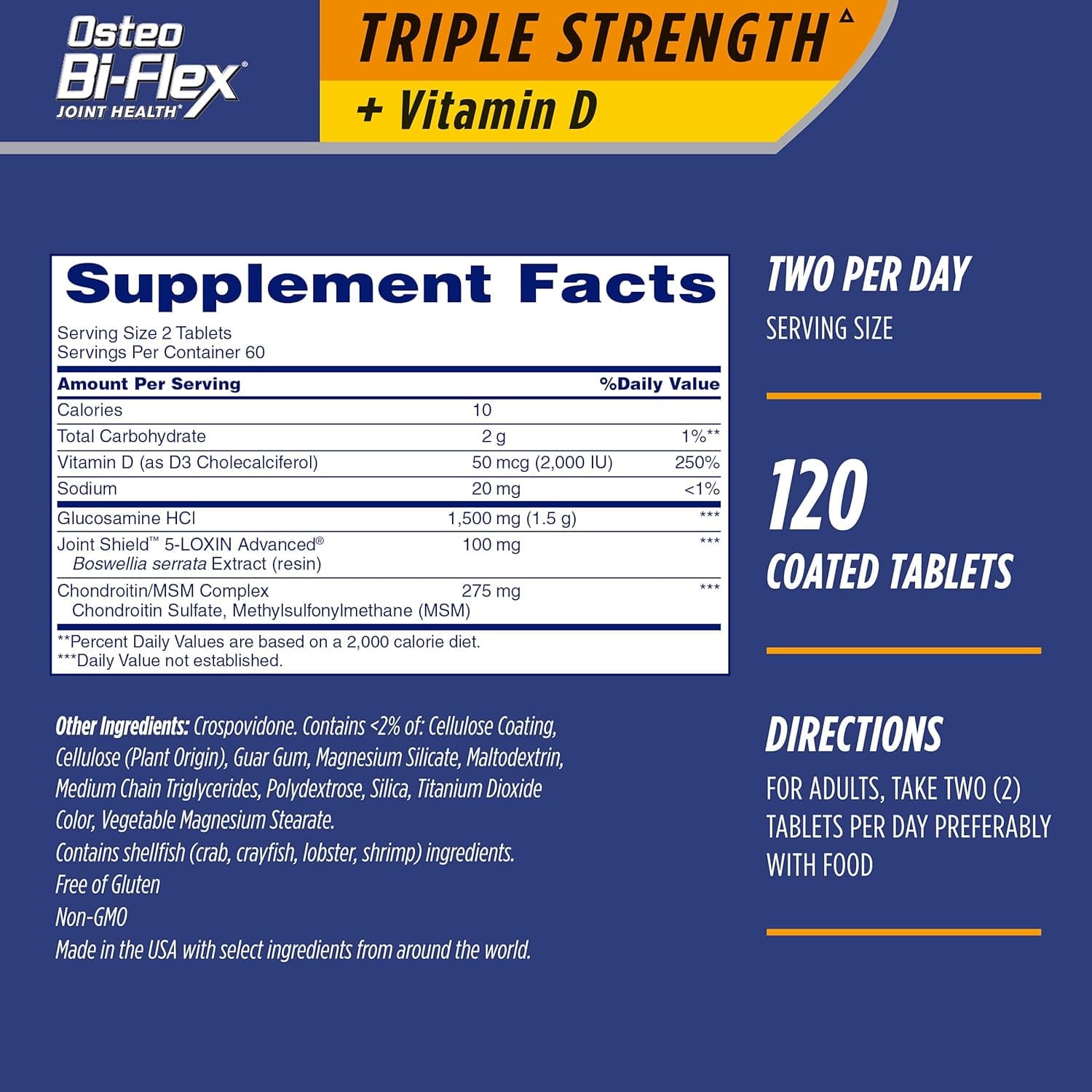
Glucosamine supplies the amino sugar backbone of glycosaminoglycans and MSM contributes bioavailable sulfur used for the sulfate groups those chains carry. The two feed different halves of the same cartilage matrix building step.
Chondroitin is a sulfated glycosaminoglycan, and sulfation depends on adequate sulfur entering the PAPS donor pool. MSM is an absorbable sulfur source that supports that pool.
Ascorbate is the cofactor for the prolyl and lysyl hydroxylases that stabilise the collagen triple helix, while MSM supplies sulfur for disulfide bonds and matrix sulfation. Neither substitutes for the other.
Collagen peptides supply the glycine, proline and hydroxyproline the matrix is built from, and MSM supplies sulfur used in cross-linking and in the proteoglycans that sit alongside collagen fibres.
Hyaluronan is the unsulfated glycosaminoglycan that anchors sulfated chains in the matrix aggregate. MSM supports the sulfated partners, so the pair covers both halves of the aggregate.
Sulfite oxidase, the enzyme that converts sulfite to sulfate at the end of sulfur metabolism, depends on a molybdenum cofactor. A high sulfur intake makes adequate molybdenum status the rate-limiting step for clearing that load.
NAC delivers cysteine for glutathione synthesis and MSM contributes to the wider body sulfur pool that feeds sulfation and thiol turnover. They enter the same pool by different routes.
Methylsulfonylmethane is dimethyl sulfone, an oxidised organosulfur compound, and methionine is the dietary entry point for sulfur into the transsulfuration route. Labelled-sulfur work in animals shows sulfur from methylsulfonylmethane appearing in body methionine and cysteine, so the two feed one pool rather than acting on separate ones. That is a mechanistic overlap measured in animals, not a human outcome.
Cysteine is the rate-limiting input for glutathione synthesis and the carrier of most non-protein sulfur in cells. Methylsulfonylmethane contributes to the same sulfur pool that supplies cysteine. Pairing them is a pool-level overlap. It does not mean the two are interchangeable.
Glutathione is a cysteine-containing tripeptide, so anything that supports the sulfur amino acid pool sits upstream of its synthesis. Methylsulfonylmethane is a common co-formulation partner on that logic. Tissue glutathione is a marker, not a clinical outcome, and should be read that way.
Taurine is a sulfonic acid end product of cysteine catabolism, so it sits downstream in the same sulfur economy that methylsulfonylmethane contributes to. The two are chemically distinct and neither substitutes for the other. Co-use is additive on sulfur intake only.
Alpha-lipoic acid carries a dithiolane ring that cycles between oxidised and reduced states and participates in thiol recycling. Methylsulfonylmethane is a stable sulfone and does not redox cycle itself, so the pairing combines two different sulfur chemistries rather than duplicating one. No combination trial supports the pairing.
Selenium is built into glutathione peroxidases as selenocysteine, the enzymes that spend reduced glutathione. Methylsulfonylmethane supports the sulfur side of that system while selenium supports the enzyme side. Read the pairing as complementary cofactor and substrate supply.
Boswellia resin extracts standardised to boswellic acids appear in the same joint comfort formulations as methylsulfonylmethane. The two act through unrelated chemistry, so the combination is additive by design rather than by a shared target. Co-formulation is convention, not a tested interaction.
Curcuminoids and methylsulfonylmethane are routinely combined in products aimed at joint comfort and mobility during activity. Curcumin is a poorly soluble polyphenol and methylsulfonylmethane is highly water soluble, so the two behave very differently in a capsule. The pairing is formulation convention.
Bromelain is a cysteine protease from pineapple stem and appears with methylsulfonylmethane in recovery blends. Its proteolytic activity is unrelated to sulfone chemistry. Nothing measured pairs them directly.
Ginger rhizome extract is a frequent co-ingredient in joint comfort blends carrying methylsulfonylmethane. The two share a use case, not a pathway. This is convention rather than a measured combination.
A randomised human study paired methylsulfonylmethane with a dietary polyphenol preparation and reported changes in immune signalling markers after an exercise challenge. Grape seed proanthocyanidins are one common polyphenol source used in that style of blend, though the trial used its own preparation. Marker changes are markers, not clinical outcomes.
Quercetin is a flavonol commonly stacked with methylsulfonylmethane in exercise recovery formulas. The rationale is combining a polyphenol with an organosulfur compound rather than any shared enzyme. No trial has tested this specific pair.
Keratin fibres owe much of their mechanical strength to cystine disulfide crosslinks, so hair and nail structure depends on sulfur amino acid supply. Biotin is a carboxylase cofactor used in the same tissue context and the two are routinely combined in hair and nail products. Structural support is the claim. Nothing here is about a condition.
Silicon, usually as orthosilicic acid or a stabilised complex, appears beside methylsulfonylmethane in skin, hair and connective tissue formulations. The pairing is a product convention. No combination measurement supports it.
Alpha-tocopherol terminates lipid peroxidation chains in membranes and is regenerated by water-phase reductants that draw on the thiol pool. Methylsulfonylmethane sits in the water phase and contributes sulfur upstream of those thiols. The two work in different compartments.
A dietary methylsulfonylmethane feeding study in animals reported shifts in faecal microbial composition alongside growth and coat measures. Composition shifts are descriptive and were measured in animals, so they say nothing directly about a human taking a probiotic. Any interaction with live cultures is unmeasured.
Activated charcoal adsorbs small organic molecules non-selectively in the gut lumen. Taken at the same time as methylsulfonylmethane it reduces how much reaches absorption. Separating intake by several hours is the standard handling of that interaction.
Nothing specific on file for Methylsulfonylmethane. Match the label to the daily amount above, and tell your doctor what you take.
Not medical advice. Show the label to your pharmacist.What Methylsulfonylmethane actually does.
MSM is dimethyl sulfone, the stable, fully oxidised counterpart of DMSO. It's a small molecule that dissolves easily in water, so it spreads through your body water instead of parking itself in fat.
Cysteine is the input your cells run short of first when they build glutathione, so the size of your sulfur amino acid pool sets the ceiling on how much glutathione a cell can make.
Sulfate can't be attached to anything until it's activated into a carrier called PAPS. That carrier is what hands sulfate to cartilage glycosaminoglycans and to phase two sulfate conjugation in your liver.
Sulfite oxidase needs molybdenum to work, and its job is the last step of turning sulfite into sulfate as your body breaks down sulfur amino acids.
Where Methylsulfonylmethane comes from.
It is made in a factory by oxidising a sulfur compound twice over, then cleaning up the crystals. Tiny amounts also turn up naturally in foods like milk and coffee, but nowhere near the amount in a capsule.
Chemically synthesised. The molecule is identical to the one a plant or an animal makes, and building it deliberately means a known purity, a fixed dose and no crop contaminants. For several nutrients this is the only route that reaches a usable amount.
The starting material is dimethyl sulfide, recovered industrially as a by-product of wood pulping or made from methanol and a sulfur source.
Dimethyl sulfide is oxidised to the sulfoxide, dimethyl sulfoxide, in a controlled oxidation step.
Dimethyl sulfoxide is oxidised again, commonly with hydrogen peroxide, to give dimethyl sulfone, which is methylsulfonylmethane.
The crude sulfone is purified either by vacuum distillation or by repeated crystallisation from solution, and residual solvent and heavy metals are checked at this stage.
Purified crystals are milled and screened to a fine or granular mesh depending on whether the material is going into a drink mix, a capsule or a tablet.
Whether a given batch was purified by distillation or by crystallisation is not always stated on a label, and both routes give the same molecule.
Getting Methylsulfonylmethane from food.
The whole-food sources on file. A supplement closes the gap, it does not replace dinner.
A gram-for-gram figure (how much of each you would eat to match a dose) will appear here once it is sourced and reviewed. This page will not print a number it cannot cite.
The forms it comes in.
The essence, in one line each.
- Tracking the rise and fall of markers after exercise, methylsulfonylmethane blunted the post-exercise increase in oxidative stress and inflammation markers.Randomised trial. McFarlin et al., 2025 (Nutrients). PMID 40507030 ↗
- Ten days of methylsulfonylmethane lowered markers of exercise-induced muscle damage and raised total antioxidant capacity in untrained men.Randomised trial. Barmaki et al., 2012 (The Journal of sports medicine and physical fitness). PMID 22525653 ↗
- In adults with age-related knee joint wear, the authors reported improvement in self-reported symptom and function scores with supplementation compared with placebo, while noting the effect size was small.Randomised trial. Debbi et al., 2011 (BMC Complementary and Alternative Medicine). PMID 21708034 ↗
- Adding a glucosamine, chondroitin sulfate and methylsulfonylmethane supplement to jaw joint management did not produce a detectable additional improvement in the reported outcomes, which is a failure to detect a difference rather than evidence of none.Randomised trial. Comert Kilic et al., 2021 (Journal of Cranio-Maxillo-Facial Surgery). PMID 33685850 ↗
- A polyphenol plus methylsulfonylmethane supplement was associated with altered immune and damage-signalling marker responses to an exercise challenge. These are blood markers, not clinical endpoints.Randomised trial. McFarlin et al., 2021 (Frontiers in Physiology). PMID 34531760 ↗
- Dietary methylsulfonylmethane altered oxidative stress markers in broiler chickens. An animal marker result that supports mechanism only.Animal study. Rasheed et al., 2020 (Poultry Science). PMID 32029168 ↗
- Dietary supplementation was associated with changes in performance, egg quality and serum biochemistry parameters in laying birds.Animal study. Yilmaz et al., 2026 (Research in Veterinary Science). PMID 41915943 ↗
- Dietary methylsulfonylmethane was associated with changes in growth performance, coat quality and faecal microbial composition in a feeding trial.Animal study. Guo et al., 2022 (Frontiers in Microbiology). PMID 35859746 ↗
- A review of the biological functions of methylsulfonylmethane and its use in animal production, summarising sulfur donation and antioxidant mechanisms across species.Narrative review. Jiao et al., 2026 (Journal of Animal Science and Technology). PMID 41982990 ↗
These are the studies our verdict leans on, chosen from the 262 we read for Methylsulfonylmethane. The full linked list is below.
The studies, linked.
8 sources behind our Methylsulfonylmethane verdict: peer-reviewed studies and registered clinical trials. Every one links straight to PubMed, the journal, or ClinicalTrials.gov. Read them yourself.
- Clinical trialMulticenter, Prospective, Double-blind, Placebo-controlled, Randomized Study of the Feasibility of Using the Dietary Supplement "ARTNEO®", Capsules for Oral Administration in Patients With Stage II-III Primary Knee OsteoarthritisClinicalTrials.gov ↗212 participants, Completed
- Clinical trialBoswellia Serrata, Curcumin, and Methylsulfonylmethane Combination Supplementation Improves Joint HealthClinicalTrials.gov ↗100 participants, Completed
- Clinical trialThe Use of Methylsulfonylmethane (MSM) in the Treatment of Low Back Pain.ClinicalTrials.gov ↗Phase 3, 100 participants, Completed
- Clinical trialUse of an Alfa-lipoic, Methylsulfonylmethane and Bromelain Dietary Supplement (Opera®) for Aromatase Inhibitor-related Arthralgia Management (AIA)ClinicalTrials.gov ↗53 participants, Completed
- Clinical trialThe Effect of Methylsulfonylmethane (MSM) on Cardiometabolic HealthClinicalTrials.gov ↗43 participants, Completed
- Clinical trialThe Effects of Methylsulfonylmethane on Knee Laxity in Active Young FemalesClinicalTrials.gov ↗32 participants, Completed
- Clinical trialEfficacy of Methylsulfonylmethane Supplementation on Osteoarthritis of The Knee: A Randomized Controlled StudyClinicalTrials.gov ↗Completed
- Clinical trialThe Effect of Methyl-Sulphonyl-Methane on Osteoarthritis and Joint Cartilage Associated With the Degeneration of the ChondrocyteClinicalTrials.gov ↗Phase 1, 100 participants, Unknown
Evidence surfaced via Semantic Scholar (Allen Institute for AI) and ClinicalTrials.gov. Ranked by study type and citation weight, not cherry-picked.
Problems people have reported.
Read this carefully. These are 1,113 voluntary, unverified reactions reported to the FDA (openFDA). The number mostly reflects how popular Methylsulfonylmethane is, not how risky it is. A report is not proof Methylsulfonylmethane caused anything. It is a signal of what to watch for, nothing more.
Source: openFDA adverse-event reports. Voluntary reporting, not an incidence rate.
FDA Disclaimer: These statements have not been evaluated by the Food and Drug Administration. This information is for educational purposes only and is not intended to diagnose, treat, cure, or prevent any disease. Consult your healthcare provider before starting any supplement regimen.