
The people it speaks toFieldwork 2020
24.2% of US adults
aged 18 and over met both the aerobic and muscle strengthening activity guidelines in 2020, in the National Health Interview Survey.
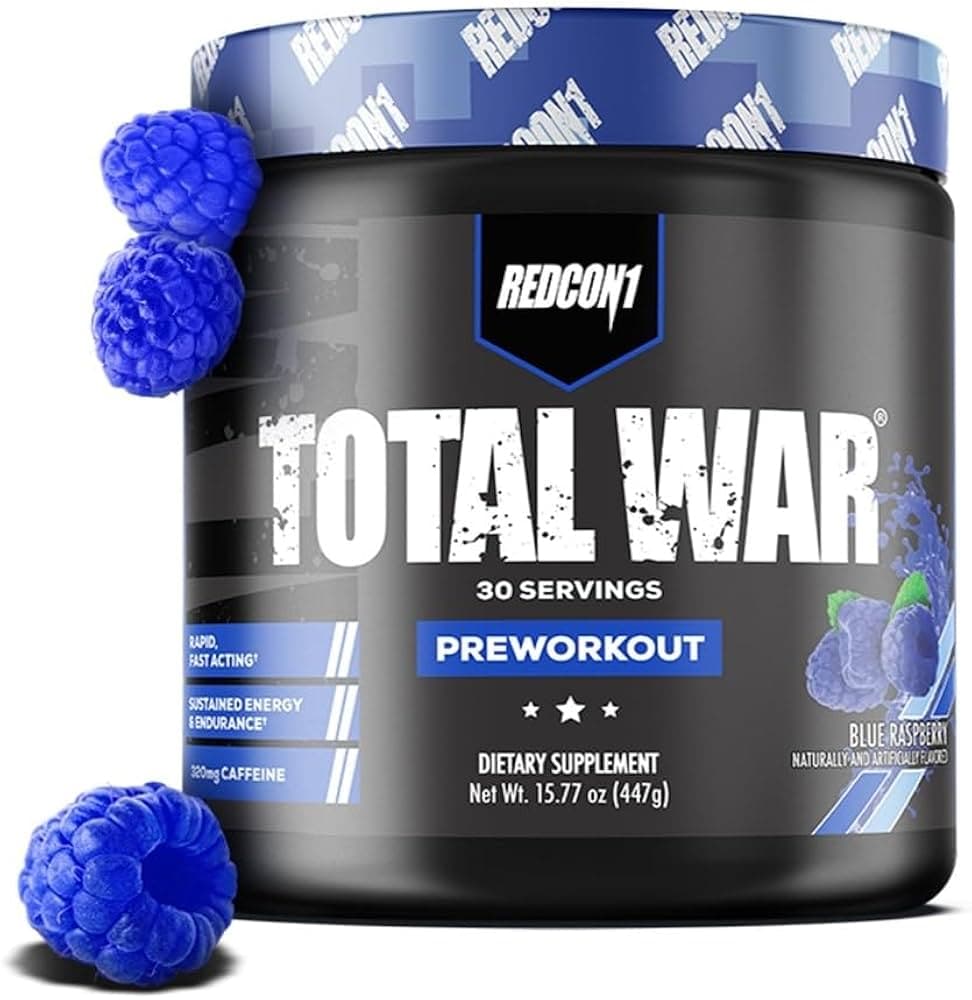
CDC National Center for Health Statistics, 2022Beta-Alanine is the lead active here, studied most for physical performance. 19 human studies on Beta-Alanine back this formula, each one cited. Each serving carries 6 g of Citrulline Malate (2:1 Ratio of L-Citrulline and Malic Acid), inside the range the published research used. Who it fits: for everyone, adults.
 Verified by IngredientMD
The panel on the left is the one we evaluated, line by line.
All 11 actives checked against the clinical evidence: dose, form, and what the research actually shows.
Doses, ratios, and how the ingredients work together. That assessment is the verdict above: "Strong evidence, strong dose".
The verdict is public and identical whether or not a brand pays. A formula that does not clear the bar gets nothing.
Read by the engine against 2.1 million data points from clinical trials, PubMed and more than a hundred vetted sources. No individual reviewer is named or implied.
Cross-checked against 1,886 documented interactions for these actives.
Public health figures the engine matched to this formula's ingredients. Reported by their source, cited and dated, never written by the brand.
24.2% of US adults
aged 18 and over met both the aerobic and muscle strengthening activity guidelines in 2020, in the National Health Interview Survey.
CDC National Center for Health Statistics, 202231% of US adults
said they were taking protein supplements such as powders, drinks, or bars, in a Pew Research Center survey fielded in July 2026.
Pew Research Center, 202621.1% of the US population
aged 15 and over took part in sports, exercise, or recreation on an average day in 2023, in the American Time Use Survey.
US Bureau of Labor Statistics, 202457.6%
During 2017 to 2018, 57.6% of US adults aged 20 and over reported using a dietary supplement in the past 30 days.
CDC National Center for Health Statistics41.3% of US men aged 18 to 34
met both the aerobic and muscle strengthening activity guidelines in 2020, the highest rate of any age and sex group, in the National Health Interview Survey.
CDC National Center for Health Statistics, 202237% of US adults aged 18 to 29
said they were taking protein supplements such as powders, drinks, or bars, roughly double the rate among adults aged 65 and over, in a Pew Research Center survey fielded in July 2026.
Pew Research Center, 202659 to 66 days
was the median time it took adults to make a new daily health habit automatic across the studies a 2024 review pooled, with individuals ranging from 4 to 335 days.
Systematic review and meta-analysis, 202461% to 74%
About 61 to 74 percent of adults refilling a long-term medicine on their own stopped within a year, versus 33 to 44 percent on one set pickup day.
Cohort study, 2015Meta-analysis, 2021
Taking 6 to 8 g of citrulline malate 40 to 60 minutes before strength training increased repetitions performed before muscular failure by about 6% versus placebo, a small effect.
Int J Sport Nutr Exerc MetabSystematic review and meta-analysis, 2018
Across 46 trials, moderate caffeine doses of 3 to 6 mg per kg shortened endurance time-trial times by about 2.2 percent and raised power output by about 3 percent.
Sports MedicineMeta-analysis, 2018
Across 10 trials, an oral dose of 1 to 6 g of taurine produced a small improvement in endurance exercise performance (Hedges' g 0.40).
Sports MedicineMeta-analysis, 2018
Pooling ten trials each, caffeine produced a small increase in maximal muscle strength (SMD 0.20) and in muscle power measured by vertical jump (SMD 0.17) compared with placebo.
Journal of the International Society of Sports NutritionRandomised trial, 2026
In 38 active men, caffeine before a 10 km run or 40 km cycling improved completion time by 1.8 percent, though a gene difference in caffeine levels didn't affect performance.
European Journal of Sport ScienceSystematic review and meta-analysis, 2020
Combining individual data across trials, about 99 percent of people taking beta-alanine raised their muscle carnosine, though modelling suggests typical doses don't fully saturate muscle stores.
Frontiers in PhysiologyMeta-analysis, 2005
Caffeine lowered the rating of perceived exertion during exercise by about 5.6 percent versus placebo across 21 studies, so a given effort felt easier.
Scandinavian Journal of Medicine & Science in SportsMeta-analysis, 2026
Across 11 trials in 312 women, beta-alanine improved time to exhaustion, though several other performance measures were too imprecise to call, with very low certainty.
Front NutrMeta-analysis, 2025
Across 23 trials in 308 people, a single 1 to 6 g dose of taurine gave a small performance gain, mainly in endurance, strength and agility tasks, with low certainty.
Scandinavian Journal of Medicine and Science in SportsSystematic review, 2019
Across 10 studies at matched doses, caffeine gave similar aerobic and fatigue benefits to men and women, while 4 of 7 studies found bigger strength and sprint gains in men.
NutrientsMeta-analysis, 2022
Across 21 trials at 3 to 9 mg per kg, caffeine lengthened time to exhaustion in running and shortened race completion time compared with placebo.
NutrientsMeta-analysis, 2025
Pooled trials in volleyball players found better performance on jump and sport-specific tests after caffeine than after placebo.
NutrientsMeta-analysis, 2026
Pooled trials in rugby players found that a single caffeine dose improved various physical performance measures specific to the sport.
Frontiers in NutritionSystematic review, 2021
Across 37 blinded crossover studies, caffeinated drinks improved several aspects of sports performance once the drink supplied at least 3 mg of caffeine per kg of body mass.
NutrientsSystematic review, 2026
Pooling acute caffeine trials in cyclists, time-trial performance improved, with the size of the effect varying by how long the effort lasted.
Frontiers in PhysiologyRandomised trial, 2024
In 20 male volleyball players given 4.8 g of beta-alanine daily for 8 weeks of sprint training, vertical and horizontal jump gains were larger than with training alone.
Scientific ReportsRandomised trial, 2026
In 22 resistance-trained adults given 6.4 g of beta-alanine daily for 4 weeks, repetitions completed during drop-set and bi-set training increased, with no detected change in psychological responses.
Journal of Strength and Conditioning ResearchRandomised trial, 2023
In this trial, a single dose of microencapsulated cocoa blunted the temporary fall in a measure of blood vessel widening that follows hard eccentric exercise.
International journal of food sciences and nutritionSystematic review and meta-analysis of randomized controlled trials, 2024
In adults with excess body weight, long-term taurine supplementation reduced fasting insulin overall, with lower HbA1c (about 0.33 percentage points) seen in those carrying the most excess weight.
NutrientsRandomised trial, 2010
In an open-label study, agmatine sulfate up to 3.56 g a day kept blood safety measures normal, with mild digestive upset in three participants at the highest dose that cleared.
Pain MedicineSystematic review and meta-analysis, 2017
Across 40 placebo-controlled studies in 1,461 people, beta-alanine produced a small but significant overall gain in exercise outcomes (effect size 0.18), with the clearest benefit for high-intensity efforts lasting roughly 0.5 to 10 minutes.
British Journal of Sports MedicineMeta-analysis of randomized controlled trials, 2020
Across 12 studies, taurine lowered systolic blood pressure by about 4.7 mmHg and diastolic by about 2.9 mmHg versus control.
European Journal of PharmacologySystematic review, 2010
In a Cochrane review of 13 randomized trials in shift workers, caffeine improved orientation and attention (SMD -0.55) and reduced the number of errors made during simulated night or shifted work versus placebo.
Cochrane Database of Systematic ReviewsMeta-analysis, 2019
Pooling 8 trials, oral L-citrulline supplementation lowered systolic blood pressure by about 4.1 mmHg, with a diastolic reduction seen only at doses of 6 g per day or more.
Avicenna J PhytomedMeta-analysis, 2026
Across 30 randomised trials and 644 participants, citrulline malate was linked to a small overall gain in exercise performance (g = 0.16, p = 0.01) with wide prediction intervals, no clear effect on perceived exertion, and GRADE certainty rated low to very low.
NutrientsMeta-analysis, 2025
Across eight randomised trials in 176 middle-aged and older adults, L-citrulline (not the malate form specifically) improved flow-mediated dilation, a marker of blood vessel widening, by 1.81 percentage points (95% CI 0.76 to 2.85), while whole-body pulse wave velocity showed no clear change.
Frontiers in NutritionRandomised trial, 2026
Reports results for physical performance measures in participants randomised to cocoa extract supplementation within COSMOS.
JBMR PlusSystematic review, 2025
Across 62 studies, most of them cell and animal work, naringin showed antioxidant and vessel-relaxing activity, and the small number of human trials reported better lipid markers, lower arterial stiffness and higher adiponectin levels.
NutrientsMeta-analysis, 2024
The review did not find consistent evidence across trials that CYP1A2 genotype determines the size of caffeine's ergogenic effect. A failure to detect a genotype-dependent difference is not evidence that none exists.
Journal of Sport and Health ScienceMeta-analysis, 2025
Pooling trials in healthy adults, dark chocolate intake was associated with a small change in peak oxygen uptake during exercise, and results varied across the individual trials.
Physiological reportsRandomised trial, 2024
In top-level athletes, short-term cocoa supplementation was accompanied by shifts in gut bacterial composition and in blood markers of lipid metabolism over the study period.
International journal of sport nutrition and exercise metabolismMeta-analysis, 2020
Citrulline supplementation, most commonly 8 g of citrulline malate before exercise, lowered post-exercise rating of perceived exertion and reduced muscle soreness at 24 hours, with no significant change in blood lactate.
J Sport Health SciSystematic review, 2026
Across trials of dietary flavonoids, cocoa among them, some studies reported better mood scores while the overall pattern of findings was inconsistent.
Nutrition reviewsRandomised trial, 2022
Curcumin taken together with piperine raised blood vitamin D levels compared with placebo in the women studied.
BMC complementary medicine and therapiesRandomised trial, 2026
Reports the effects of daily cocoa extract and multivitamin-multimineral supplementation on epigenetic ageing clock measures. Epigenetic clocks are surrogate markers, not clinical outcomes.
Nature MedicineMeta-analysis, 2022
Across trials, taurine lowered inflammation and oxidation blood markers, with no detectable change in two other inflammation markers, and the biggest shifts around 8 weeks of use.
European Journal of Clinical NutritionMeta-analysis, 2025
Across 7 randomised trials in 402 people, taurine taken alone or with exercise training produced no detectable change in cognitive test scores.
International Journal of Food Sciences and NutritionMeta-analysis, 2022
Pooling four trials in resistance-trained adults, citrulline malate showed no measurable increase in muscle strength, with similar results in upper and lower body.
Journal of Dietary SupplementsPopulation figures from public health data. Context for the category, not a statement about any individual and not a claim about this product.
Each line below was derived from this formula's own record at the time of verification. Nothing here was written by the brand, and nothing can be added that the evidence does not carry.
One pairing in this formula has been studied as a combination in human trials. Each finding below is what a named study measured, cited and dated, never written by the brand.
In a 2025 network meta-analysis, caffeine and taurine taken together improved reaction time and anaerobic capacity more than either compound alone.
Research strength. Research strength says how much work stands behind the combination. It is never a product score.
Fail closed. Where actives were studied on their own rather than together, each shows on its own evidence, never a combined effect no trial measured.
Independent record. Every finding is cited to a named trial, dated, and never written by the brand.
Findings from trials that studied these actives as a combination. Context for how the actives were tested together, not a statement about any individual and not a claim about this product.
Where a trial measured an actual number, we show it next to the claim. It is the average across the trials, never a promise about one person.
A median improvement of about 2.85 percent in exercise measures.
Read at the source. The magnitude sits beside the same trial the claim already cites. It describes what the trials measured, never what any one person will feel.
Time-to-effect windows the engine read from the trial record. Each is a window a named study measured, cited and dated, never written by the brand.
In a randomised double-blind crossover trial in 19 recreationally active women, a single 8 g dose of citrulline malate taken 60 minutes before testing raised total work in a 5-repetition isokinetic leg extension protocol compared with placebo, with no difference in peak torque and no difference in the 50-repetition protocol. A separate crossover trial in 10 well-trained men using 12 g 60 minutes before high-intensity cycling found no change in time to exhaustion or power.
In the trial record, muscle carnosine rises about 59% over 4 weeks of daily beta-alanine, with further gains, about 80%, by 10 weeks.
In a double blind, randomized, placebo controlled crossover trial in 16 trained young men, a single 4 g dose of taurine taken before graded cycling in hot and humid conditions lengthened time to exhaustion on the same day compared with placebo, while 1 g and 6 g doses showed no effect.
In a double-blind placebo-controlled crossover trial, 15 resistance-trained women took 4 mg per kg body mass of caffeine 60 minutes before a strength and power battery. Squat one-repetition maximum rose 4.5 percent and countermovement jump height 7.6 percent against placebo. A separate crossover trial in 11 active adults began its cycling tests 45 minutes after a 3 mg per kg capsule and recorded a peak-power increase of about 4 percent on the first day of ingestion.
One crossover trial mapped the day-to-day time course in 11 healthy active adults taking 3 mg per kg per day for 20 consecutive days. Peak cycling power in the incremental test stayed about 4.0 percent above placebo for the first 15 days and the difference then lessened. Wingate peak power was still raised on days 1, 4, 15 and 18 by about 4.9 percent. The authors describe the shrinking margin as progressive tolerance. This is one trial with 11 participants.
In a 12-week randomised, double-blind, placebo-controlled trial, 80 middle-aged adults with self-reported memory complaints took heat-treated green tea extract or placebo. The extract group showed a greater improvement in a standardised composite memory score at week 12, alongside increased functional connectivity within the default mode network on imaging. One trial of 80 people, in a population with subjective complaints rather than measured impairment.
Windows measured in the cited trials. Context for how the active behaves over time, not a statement about any individual and not a claim about this product.
11 ingredients, from each one's own page.
Plasma arginine rises over about an hour after a serving, so a dose taken before training lines up with the session itself. Nothing has to build up across weeks.
Before the extra buffering turns up in hard sets, and muscle carnosine keeps climbing for a couple of months after that.
Taken before training, muscle fullness shows up within 30 to 60 minutes. The mood and nerve-comfort research runs over weeks and sits mostly in animal work.
Most of what taurine does is measured rather than felt. The trials that saw shifts in blood pressure or exercise measures ran one to three months of daily use.
Fifteen to forty five minutes for most people, peaking around the hour. How long it lasts depends on liver enzyme activity and varies several fold between people.
The change in urine volume shows up within a few hours of a dose. Digestive comfort, where it helps, tends to settle over a week or two of daily use.
To peak in the blood, and most people notice the shift in alertness inside that first hour. The strongest point lands around ninety minutes.
With caffeine still in, alertness lifts inside an hour. The catechin effects on body composition and lipid markers are measured across 8 to 12 weeks in trials.
Nothing arrives quickly. In the small human studies, lipid and antioxidant readings moved over four to twelve weeks and show up on a blood panel.
There is nothing to time on its own. Piperine changes how much of its partner compound reaches your blood, so the timeline you watch is that partner's.
Vessel-function measures such as flow-mediated dilation shift within two to three hours of a single dose. Blood pressure readings settle over two to four weeks of daily use.
How each ingredient usually behaves over time, from its own page on IngredientMD. General timing for the ingredient, not a measurement of this product.
What each form is, and where it fits in a formula. Measured findings carry the study that reported them.
The free beta amino acid, freely water soluble, supplied as a crystalline powder
The sulfate salt of decarboxylated arginine. A crystalline, water-soluble powder that is far less hygroscopic than the free base.
The zwitterionic free acid, 2-aminoethanesulfonic acid. It dissolves readily in water and gives a near-neutral solution, and it is the form used in essentially all published supplementation trials.
Dry crystalline free base with no water of crystallisation, close to a hundred percent caffeine by weight
Caffeine bound with malic acid. The malate fraction lowers caffeine per gram relative to anhydrous
Descriptions of the form itself, read from the cited studies. Not a comparison between products and not a statement about any individual.
It is a powder, so the serving scales to the amount you want and mixes into something you already drink.
Put an earned verification on your own product page.
These statements have not been evaluated by the Food and Drug Administration. This product is not intended to diagnose, treat, cure, or prevent any disease. This record is not medical advice. Always consult your healthcare provider before starting any supplement regimen.