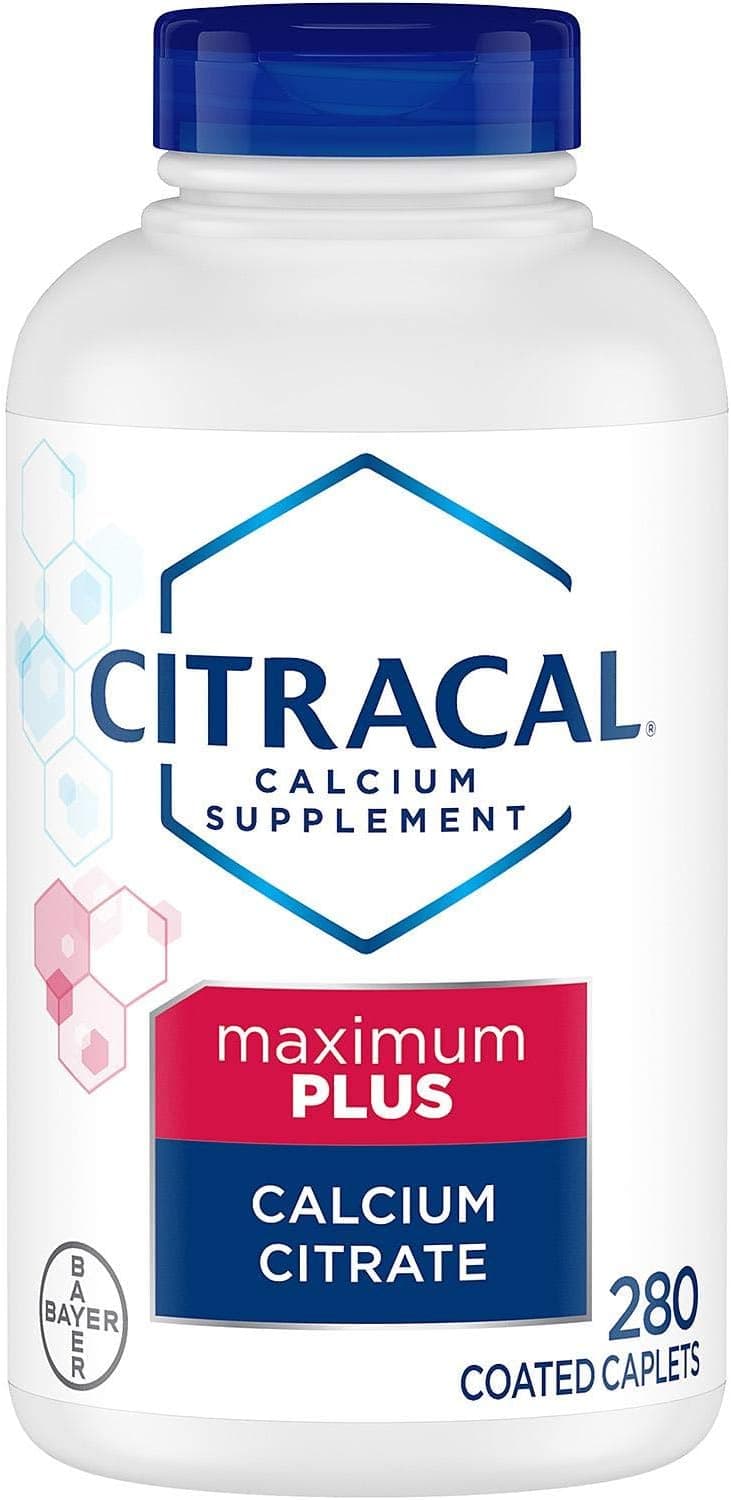
Polyvinyl Alcohol.
A coating material that protects your supplement tablet and makes it easier to swallow. Creates protective film around tablets. Shields from moisture, makes swallowing easier.
Reviewed March 2026
- Category
- General
- Also filed under
- Protects active ingredients from moisture and lightMakes tablets easier to swallow
What Polyvinyl Alcohol is, and what it does.
- Does it work
- No health benefits. Good packaging for your actives.
- How much to take
- No dose figure is on record and none applies. The amount used is whatever forms a continuous film or a shell, decided by the tablet or capsule rather than by you.
- Time to feel it
- It is not an active and has no onset of its own. As a shell or coating it wets and dissolves in the stomach within minutes, which is when the actives inside become available.
- The first dose
- You swallow it and it wets, softens and dissolves within minutes, releasing what it was holding. It is not an active, so day one belongs to the actives inside it.
- With regular use
- Nothing accumulates. As a high molecular weight polymer it passes through largely unchanged, so its contribution is the same in month six as on day one: an intact, protected dose.
- How well tolerated
- Well tolerated and poorly absorbed from the gut, so it passes through largely unchanged. Anyone avoiding gelatin can note this is the plant-derived shell material.
- How it feels
- Nothing to taste, and a coated tablet goes down more easily than a bare one. Past that, its job is finished before you would notice anything.
- The overlooked benefit
- Its dried film has low oxygen permeability, so it shields oxidation-prone actives sitting underneath it, and it gives a plant-derived shell for anyone avoiding gelatin.
The proof, claim by claim.
These words describe the research, not the molecule's worth. Research strength is how much work stands behind one claim, and it is never a product score.
- Effective coatingUSP/NF monograph
Questions people ask about Polyvinyl Alcohol.
- Is PVA the same as the glue?
- Similar chemistry. PVA is the base of white glue. But pharma-grade is purified to much higher standards and FDA-approved for oral use.
- Is it absorbed?
- No. Dissolves in stomach, passes through.
- Is it vegan?
- Yes. Synthetic, no animal components.
- Why not gelatin coating?
- PVA offers better moisture protection and is vegan-friendly.
- Does it slow dissolving?
- Minimally. Designed to dissolve quickly in stomach acid.
- Is it safe?
- Yes. Decades of safe pharmaceutical use.
Why these belong in the same formula. Each row says what the basis is, from settled biochemistry through to a trial that measured the pair.
Polyvinyl alcohol film coating suspensions are routinely built with talc as the anti-tack solid, which stops coated tablets sticking to each other in the pan and lowers water vapour permeability of the dried film.
Glycerin acts as a plasticiser in polyvinyl alcohol films, inserting between polymer chains and lowering the glass transition temperature so the coat stays flexible instead of cracking.
Polyvinyl alcohol coats are chosen as a moisture barrier over hygroscopic actives, and ascorbic acid degrades faster as it picks up water. The coat slows that moisture pickup during shelf life.
Alginate is blended with polyvinyl alcohol when a film or bead needs ionic crosslinking, since alginate gels on contact with calcium while the polyvinyl alcohol carries the film strength. The two phases are compatible in water before drying. The pairing is a manufacturing convention rather than an effect on the person taking the product.
Starch is a common co-polymer in polyvinyl alcohol films because both are hydroxyl-rich and mix in hot water. The blend shifts moisture uptake and mechanical behaviour of the dried film. Read it as a materials property, not a nutritional one.
Polyethylene glycol acts as a plasticiser in polyvinyl alcohol coatings, lowering the glass transition so the dried film flexes instead of cracking on a tablet edge. Without a plasticiser the same polymer gives a brittle coat. This is why the two appear on the same label.
Silicon dioxide is added to polyvinyl alcohol powders and coating suspensions as a flow and anti-tack aid. It does not react with the polymer. Its presence on a label alongside polyvinyl alcohol reflects handling, not activity.
Titanium dioxide is dispersed in polyvinyl alcohol coating suspensions as an opacifier so light-sensitive actives sit behind a white film. The polymer holds the pigment in a continuous layer once the water evaporates. Neither component is intended to be released.
Polyvinyl alcohol films are used as a carrier for spore-forming probiotic organisms in fast melt oral strips, where the film dissolves in saliva and releases the load. The published work characterises film properties and organism recovery in the laboratory rather than an outcome in people. Read it as delivery chemistry.
Gelatin and polyvinyl alcohol are both film formers and are combined when a strip needs both protein-derived mouthfeel and synthetic tensile strength. Published food-side work characterises oxidative and antioxidant properties of such strips in bottled product rather than in people. The interaction is between the two polymers, not inside the body.
Polyols such as sorbitol interact with borate-crosslinked polyvinyl alcohol systems and shift the point at which the material sets into a gel. The published example was an injectable in situ gel measured in rats, so it is animal and device-side work rather than evidence about an oral supplement. It is included as mechanism.
Zinc oxide particles are dispersed into polyvinyl alcohol films in composite work to change barrier and surface properties. The polymer is the matrix and the oxide is the filler. Nothing here speaks to what either does after ingestion.
Talk to a doctor before taking Polyvinyl Alcohol if any of these apply to you: Synthetic polymer, Not absorbed by the body. These are flags to check first, not effects Polyvinyl Alcohol is known to cause.
Not medical advice. Show the label to your pharmacist.What Polyvinyl Alcohol actually does.
Polyvinyl alcohol is a water-soluble synthetic polymer, and how easily it dissolves depends on how it was processed. Some grades dissolve in cool water, while others need heat because their structure packs more tightly.
It's not actually made directly from a vinyl alcohol building block, since that form isn't chemically stable enough to use. Instead, a related polymer is made first and then chemically converted into polyvinyl alcohol.
When it dries, it forms a continuous film that lets little oxygen through, which is why it's used as a tablet coating and as a capsule shell material for products wanting a non-gelatin alternative.
Its chemical groups can link together under certain conditions to form gels, and how much water they hold and how stiff they are depends on how much linking has happened.
Where Polyvinyl Alcohol comes from.
It starts as a plastic-forming liquid made from ethylene and vinegar acid, is turned into a chain, then that chain is chemically rinsed so it becomes water-loving. The result is a powder that dissolves in water and dries into a clear film, which is why it shows up as a capsule shell or a tablet coating.
Chemically synthesised. The molecule is identical to the one a plant or an animal makes, and building it deliberately means a known purity, a fixed dose and no crop contaminants. For several nutrients this is the only route that reaches a usable amount.
Made industrially from ethylene and acetic acid over a palladium catalyst with oxygen.
Vinyl acetate is polymerised in methanol to polyvinyl acetate. Chain length here sets the later viscosity grade.
Alkali catalyst in methanol exchanges acetate groups for hydroxyl groups. How far this reaction is taken defines the degree of hydrolysis, which is the single biggest determinant of the finished material's behaviour.
Methyl acetate and residual catalyst are removed by washing and solvent recovery.
Lots are classified by degree of hydrolysis and by solution viscosity, the two numbers a formulator specifies.
Dried to a white powder or granules for coating suspensions, film casting or capsule shell manufacture.
The forms it comes in.
The essence, in one line each.
- The authors developed and characterised an oral fast melt film carrying a spore-forming probiotic, reporting film properties and organism recovery in the laboratory.In vitro study. Ying Tan et al., 2026 (Current Pharmaceutical Design). PMID 41879461 ↗
- Film strips combined with different bottle types changed measured oxidative status and antioxidant markers of the packaged product, a laboratory measurement rather than a human outcome.In vitro study. Rabiej-Koziol et al., 2025 (Foods). PMID 41517112 ↗
- A polyol-responsive in situ gel supported delivered cell survival in a rat model, reported by the authors as a delivery-system finding.Animal study. Le et al., 2025 (Journal of Controlled Release). PMID 40845923 ↗
- Aerosol flow during mesh nebulisation destabilised lipid nanoparticle droplets, and interfacial stabilisers were characterised as a way to hold the droplets together.In vitro study. Jeong et al., 2026 (Journal of Controlled Release). PMID 42097231 ↗
These are the studies our verdict leans on, chosen from the 4 we read for Polyvinyl Alcohol. The full linked list is below.
The studies, linked.
3 sources behind our Polyvinyl Alcohol verdict: peer-reviewed studies and registered clinical trials. Every one links straight to PubMed, the journal, or ClinicalTrials.gov. Read them yourself.
- Clinical trialA Prospective, Multicenter, Randomized Controlled Trial to Evaluate the Safety and Efficacy of Polyvinyl Alcohol Embolization Microspheres for Transarterial Chemoembolization of Primary Liver CancerClinicalTrials.gov ↗224 participants, Unknown
- Clinical trialSingle Blinded Randomized Controlled Study of Symptom Improvement After Uterine Artery Embolization (UAE) Versus Ultrasound Guided Percutaneous/transvaginal Microwave Ablation, Evaluated by Validated QuestionnairesClinicalTrials.gov ↗70 participants, Recruiting
- Clinical trialEfficacy of Uterine Artery Embolization (UAE) in Management of Symptomatic Uterine AdenomyosisClinicalTrials.gov ↗30 participants, Not yet recruiting
Evidence surfaced via Semantic Scholar (Allen Institute for AI) and ClinicalTrials.gov. Ranked by study type and citation weight, not cherry-picked.
Problems people have reported.
Read this carefully. These are 10,515 voluntary, unverified reactions reported to the FDA (openFDA). The number mostly reflects how popular Polyvinyl Alcohol is, not how risky it is. A report is not proof Polyvinyl Alcohol caused anything. It is a signal of what to watch for, nothing more.
Source: openFDA adverse-event reports. Voluntary reporting, not an incidence rate.
FDA Disclaimer: These statements have not been evaluated by the Food and Drug Administration. This information is for educational purposes only and is not intended to diagnose, treat, cure, or prevent any disease. Consult your healthcare provider before starting any supplement regimen.