Glycerin.
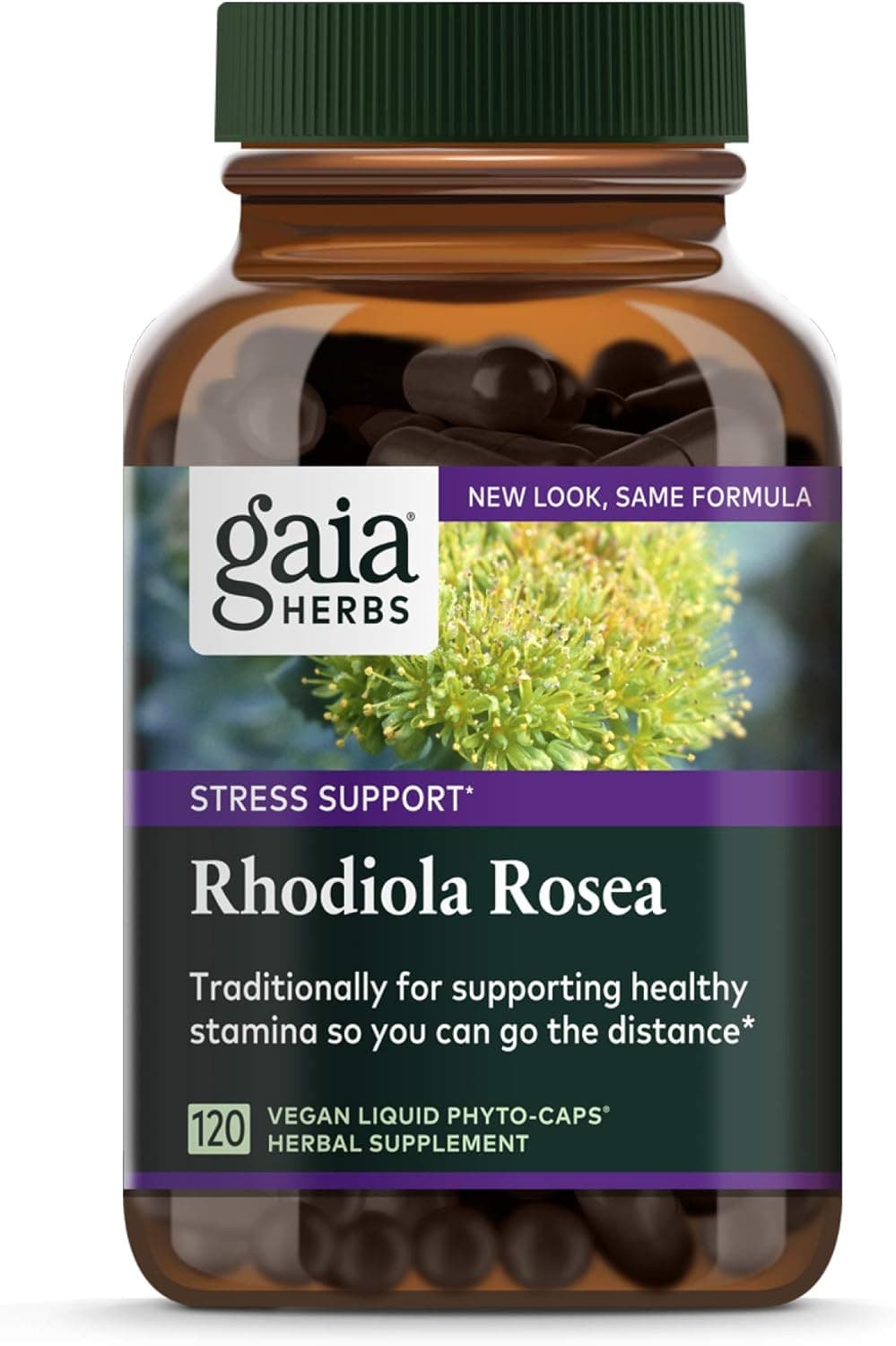
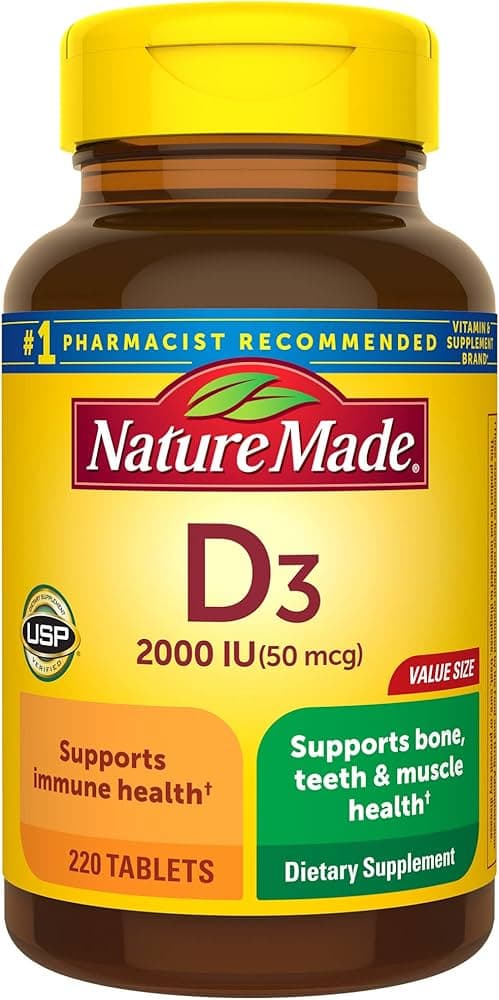
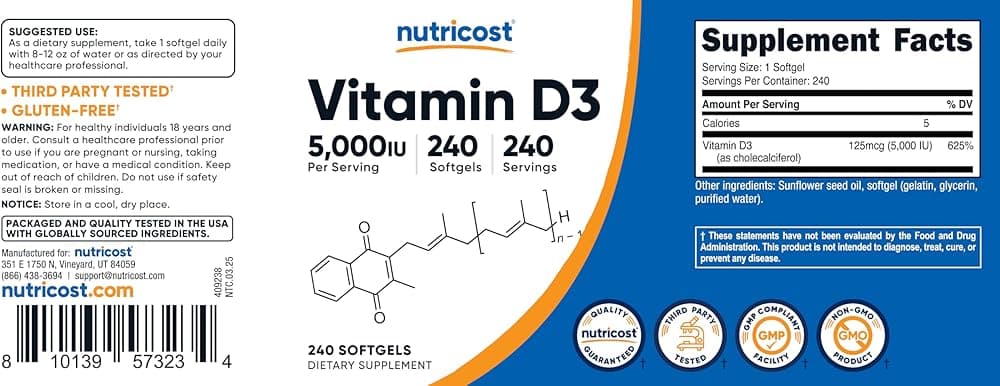
The ingredient that keeps your softgels soft and your gummies chewy. A workhorse excipient, not a supplement. In supplements: keeps softgels flexible, makes gummies chewy, acts as a mild sweetener. It's a manufacturing ingredient, not the active one.
Reviewed March 2026
- Category
- General
- Also filed under
- Softgel plasticizerHumectant (moisture retention)Mild sweetenerLiquid carrier
What Glycerin is, and what it does.
- Does it work
- As an excipient, it does its job perfectly. As a health supplement, you'd need 100 to 1,000x more than what's in your pill.
- How much to take
- For hydration (sports use): 1 to 1.5g per kg of body weight (70 to 105g for a 155 lb person). In your supplement: 200 to 500mg as excipient. These are completely different use cases.
- Time to feel it
- In a capsule or gummy it works the moment it is blended, keeping the shell flexible, and it has no onset of its own. At fluid-loading amounts, water retention builds over one to two hours.
- The first dose
- At excipient doses (in your supplement): nothing. At sports hydration doses (70g+): increased water retention, possible bloating.
- With regular use
- No long-term effects at supplement excipient doses.
- How well tolerated
- FDA GRAS. Very well-studied. Well tolerated at both food and supplement levels.
- How it feels
- You don't feel the glycerin in your supplement. If you took a sports hydration dose, you'd feel heavier and might get GI discomfort.
- The overlooked benefit
- Glycerin binds water so tightly that little is left for microbes, which is how a chewable holds its texture and stays stable without a preservative doing that work.
1 to 1.5g a day is where Glycerin works.
Source: van Rosendal SP et al. Sports Med. 2010
The proof, claim by claim.
These words describe the research, not the molecule's worth. Research strength is how much work stands behind one claim, and it is never a product score.
- Helps with hydration
- Well tolerated excipient
- Adds significant calories
Questions people ask about Glycerin.
- Is glycerin the same as glycerol?
- Yes. Glycerin and glycerol are the same molecule. Glycerin is the commercial name, glycerol is the chemical name.
- Does it add sugar to my supplement?
- It's a sugar alcohol, not a sugar. Mildly sweet but doesn't spike blood sugar like regular sugar does.
- Is vegetable glycerin better?
- Chemically identical to animal-derived glycerin. 'Vegetable' just means the source is plant oils. Better for vegans.
- Why is it in my softgel?
- It keeps the gelatin or HPMC shell soft and flexible so it doesn't crack. Without glycerin, your softgel would be brittle.
- Can glycerin help with hydration?
- At sports doses (70 to 105g), yes. At the 200 to 500mg in your supplement, absolutely not. You'd need 200 to 500 capsules.
- Is it safe for diabetics?
- At supplement excipient levels, yes. The glycemic impact of 200 to 500mg is essentially zero.
Why these belong in the same formula. Each row says what the basis is, from settled biochemistry through to a trial that measured the pair.
Glycerin is the standard plasticiser in a softgel shell. It sits between gelatin chains and keeps the shell flexible instead of brittle, which is why nearly every softgel lists both.
Glycerol distributes through total body water and holds fluid osmotically, while creatine is drawn into muscle cells and holds water intracellularly. The two act on different compartments, which is why hyperhydration protocols use them together.
Sodium holds fluid in the space outside cells while glycerol spreads across body water more evenly. Pairing them retains more total fluid than either does alone at the same volume of drink.
Glycerol is the three-carbon backbone that carries the fatty acids in any triglyceride, including medium chain ones. Lipase releases the two apart in the gut and the liver re-assembles them.
Glycerin is a common carrier for liquid stevia drops because it dissolves the steviol glycosides and adds a mild rounded sweetness that softens the lingering aftertaste.
Glycerol distributes through total body water and raises plasma osmolality, which is the basis of glycerol hyperhydration protocols. Those protocols pair it with fluid and with sodium and potassium, because water retained without accompanying electrolytes dilutes plasma sodium. The electrolytes are what make the retained volume physiologically sensible rather than simply dilutional.
Where glycerol expands both intracellular and extracellular water, potassium is the cation that accompanies the intracellular fraction. Sports hydration formulas carry it alongside sodium for that reason. The rationale is fluid physiology rather than a tested combination outcome.
Both are humectants, meaning they hold water by hydrogen bonding, but they work at different scales: glycerol is a small molecule that penetrates the stratum corneum, while hyaluronic acid is a large polymer that mostly holds water at the surface. Used together they hydrate at two depths. This concerns topical use, not oral intake.
Glycerol brings water into the corneocyte layer. Ceramides supply the lipid lamellae that slow water leaving again. Pulling water in without a barrier to hold it is the weaker half of the job. The pairing is standard in barrier-support topical formulation.
Squalane sits on the surface as a light occlusive and glycerol works underneath it as the water-binder. In a dry environment a humectant alone can draw water from deeper tissue rather than from the air, which is the specific reason an occlusive layer is added. Topical context only.
Niacinamide is associated with ceramide production and barrier support while glycerol supplies immediate water-binding. They are water-soluble and formulate together without difficulty. This is a compatibility and complementarity note, not a claim about either one's effect size.
Lecithin is the emulsifier that lets a lipid phase disperse in a glycerol and water phase, and glycerol acts as the plasticiser that keeps a softgel shell flexible. Neither does the other's job. The pairing is a manufacturing requirement rather than a physiological one.
In a softgel, glycerol plasticises the gelatin shell while lecithin emulsifies the fill. In a liquid, the two together stabilise a dispersion that would otherwise separate. The interaction is entirely a formulation one.
Glycerol lowers water activity and softens the set of a pectin gel, which is how a gummy stays chewable rather than turning brittle on the shelf. Too much and the piece will not hold shape. It is a texture and shelf-stability lever, not an active ingredient in that role.
Glycerin is the solvent used to make alcohol-free herbal tinctures, known as glycerites, and elderberry syrup is a common example. It extracts and holds polar constituents and acts as the preservative through low water activity. It pulls resinous and strongly lipophilic constituents less well than ethanol does, which is the trade-off of the route.
Glycerol is a polar polyol and dissolves fat-soluble vitamins poorly, so a D3 liquid built on glycerin alone will suspend rather than dissolve the vitamin. A lipid vehicle is what puts a fat-soluble vitamin into true solution. This is a delivery-format point that affects dose uniformity in a dropper bottle.
Glycerol works as a cosolvent for moderately polar actives in liquid shots and syrups, raising the amount that stays in solution at room temperature. Caffeine's solubility in plain water is limited enough that this matters in a concentrated format. The role is solvent, not physiological.
Glycerol taken in gram quantities and sugar alcohols both draw water into the intestinal lumen by osmosis. Stacking them in one serving adds those loads together, and loose stools at a combined dose neither would cause alone are the predictable result. Worth flagging on any gummy or syrup carrying both.
Erythritol is largely absorbed in the small intestine and excreted unchanged, so its osmotic contribution is lower than other polyols, but it is not zero at higher intakes. Combined with glycerol in a sweetened liquid or gummy the loads add. Format and total serving size decide whether it matters.
Talk to a doctor before taking Glycerin if any of these apply to you: Not therapeutic at supplement excipient doses, Caloric (4.3 cal/g). These are flags to check first, not effects Glycerin is known to cause.
Not medical advice. Show the label to your pharmacist.What Glycerin actually does.
Glycerol forms the backbone of every fat and phospholipid molecule in the body, and it's released into the blood whenever stored fat gets broken down.
Once absorbed, glycerol gets converted in the liver into a form that either helps make new glucose or gets rebuilt into stored fat.
Muscle tissue barely processes glycerol on its own, so it's mostly the liver and kidneys, not working muscle, that deal with glycerol in the blood.
Glycerol draws and holds water in the body, which temporarily reduces how much water you lose in urine, and that's the basis for using it to boost fluid retention before exercise.
Where Glycerin comes from.
Glycerin is left over when fat is split apart, either in soap-making or when vegetable oil is turned into biodiesel. A smaller amount is built from scratch out of petrochemicals. The raw liquid is cleaned up, distilled and tested against a published standard before it goes into anything you swallow. The molecule itself is the same whichever way it arrived.
The same molecule is reached more than one way. Which route a given product used is a manufacturing choice, and the finished compound is the same either way.
Most glycerin starts as a triglyceride, either a plant oil such as palm, coconut, rapeseed or soy, or an animal fat such as tallow. A minority is built synthetically from propylene. Source is what determines whether a plant-based or animal-free declaration is possible, and it is not visible in the finished molecule.
Three routes release glycerol from a triglyceride. High-pressure hydrolysis splits the fat into fatty acids and glycerol water. Saponification with alkali makes soap and leaves glycerol in the spent lye. Transesterification with methanol makes biodiesel and leaves crude glycerol as the co-product stream.
The glycerol-bearing phase is separated from soap, fatty acids or methyl esters. Crude glycerol at this point can carry methanol, salts, free fatty acids, water and colour, at levels that vary sharply with the upstream route.
Acid is added to break residual soaps, methanol is stripped and recovered, water is evaporated, and the glycerol is vacuum-distilled. Ion exchange or activated carbon polishing removes remaining salts and colour.
Refined material is tested against USP or EP monographs, which set limits for water content, residual methanol, chlorinated compounds, heavy metals and, since a well-documented adulteration history, diethylene glycol. This testing, not the feedstock, is what defines a supplement or pharmaceutical grade.
Finished glycerin ships as a near-anhydrous viscous liquid or pre-diluted with purified water. It is packed sealed because it absorbs atmospheric moisture readily.
Getting Glycerin from food.
The whole-food sources on file. A supplement closes the gap, it does not replace dinner.
A gram-for-gram figure (how much of each you would eat to match a dose) will appear here once it is sourced and reviewed. This page will not print a number it cannot cite.
The forms it comes in.
The essence, in one line each.
- Crude glycerin delivered through drinking water changed feed intake, water intake and production measures in dairy animals. The setting is livestock nutrition and does not transfer to human supplementation.Animal study. Santos FS et al., 2023 (Journal of Dairy Research). PMID 37409904 ↗
- Dietary crude glycerin altered nutrient digestibility, rumen fermentation patterns and blood metabolites in ruminants, consistent with glycerol acting as a fermentable energy source in the rumen.Animal study. Chanjula P et al., 2014 (Asian-Australasian Journal of Animal Sciences). PMID 25049963 ↗
- Crude glycerin shifted the proteomic profile and epithelial structure of ruminal papillae in lambs on high-concentrate diets, a tissue-level adaptation measure rather than a health outcome.Animal study. Almeida MTC et al., 2026 (Animals). PMID 42121738 ↗
- Short glycerin supplementation windows were associated with changes in oxidative stress markers, follicle dynamics and ovulatory response in livestock. All endpoints are markers measured in animals.Animal study. Andrade MAMM et al., 2022 (Animal Reproduction). PMID 35712445 ↗
- A short nutritional supplementation protocol including a glucogenic component was assessed against oocyte quality measures in livestock. Glycerin is named as part of the supply rather than isolated.Animal study. Conde AJH et al., 2025 (Theriogenology). PMID 40450932 ↗
- Glucogenic precursor release from the diet, glycerol among them, is discussed as an amplifier of ovarian response in livestock, supporting glycerol's role as a gluconeogenic substrate.Animal study. Miguel YH et al., 2025 (Animals). PMID 40867673 ↗
- Crude glycerol from biodiesel manufacture served as a carbon source for microbial carotenoid production, confirming glycerol's status as a by-product feedstock of that industry.In vitro study. Weber KR et al., 2026 (Frontiers in Bioengineering and Biotechnology). PMID 42445226 ↗
- A study of rumen degradability and methanogen community shifts in which glycerin appears within the dietary context rather than as the tested variable.Animal study. El-Nile AE et al., 2025 (AIMS Microbiology). PMID 41522441 ↗
These are the studies our verdict leans on, chosen from the 8 we read for Glycerin. The full linked list is below.
The studies, linked.
7 sources behind our Glycerin verdict: peer-reviewed studies and registered clinical trials. Every one links straight to PubMed, the journal, or ClinicalTrials.gov. Read them yourself.
- Clinical trialGlycerin-Preserved, Human-Donor, Corneoscleral Patch Grafts for Glaucoma Drainage DevicesClinicalTrials.gov ↗100 participants, Completed
- Clinical trialBelladonna and Opium Rectal Suppository Effect on Postoperative Pain and Nausea Following Total Laparoscopic and Robotic-Assisted HysterectomyClinicalTrials.gov ↗Phase 4, 56 participants, Completed
- Clinical trialEffect of Lactoferrin Administration on Rhabdomyolysis-induced Heart and Kidney Injury in RatsClinicalTrials.gov ↗Phase 4, 24 participants, Completed
- Clinical trialThe Administration of Saline Enema Versus Glycerin Suppository as a Treatment Intervention for Meconium Obstruction of Prematurity (MOP) and to Study the Impact on the Resolution of MOP, Time to Reach Full Enteral Feeds, Gut Microbiome, and Gut-brain Axis, a Randomised Control Trial.ClinicalTrials.gov ↗95 participants, Recruiting
- Clinical trialSjögren's Syndrome Is Associated With Meibomian Gland DysfunctionClinicalTrials.gov ↗60 participants, Unknown
- Clinical trialAssessing the Efficacy of Antipyrine Benzocaine Otic Solution in the Ear Canal to Decrease Usage of Rescue Inhalers in Moderate to Severe Asthmatic Adults.ClinicalTrials.gov ↗Phase 2, 50 participants, Unknown
- Clinical trialThe Role of Selective Thermal Radiofrequency Saddle Rhizotomy In Managing Interactable Malignant Perineal Pain: A Comparative StudyClinicalTrials.gov ↗Phase 2, 40 participants, Unknown
Evidence surfaced via Semantic Scholar (Allen Institute for AI) and ClinicalTrials.gov. Ranked by study type and citation weight, not cherry-picked.
Problems people have reported.
Read this carefully. These are 184,736 voluntary, unverified reactions reported to the FDA (openFDA). The number mostly reflects how popular Glycerin is, not how risky it is. A report is not proof Glycerin caused anything. It is a signal of what to watch for, nothing more.
Source: openFDA adverse-event reports. Voluntary reporting, not an incidence rate.
FDA Disclaimer: These statements have not been evaluated by the Food and Drug Administration. This information is for educational purposes only and is not intended to diagnose, treat, cure, or prevent any disease. Consult your healthcare provider before starting any supplement regimen.