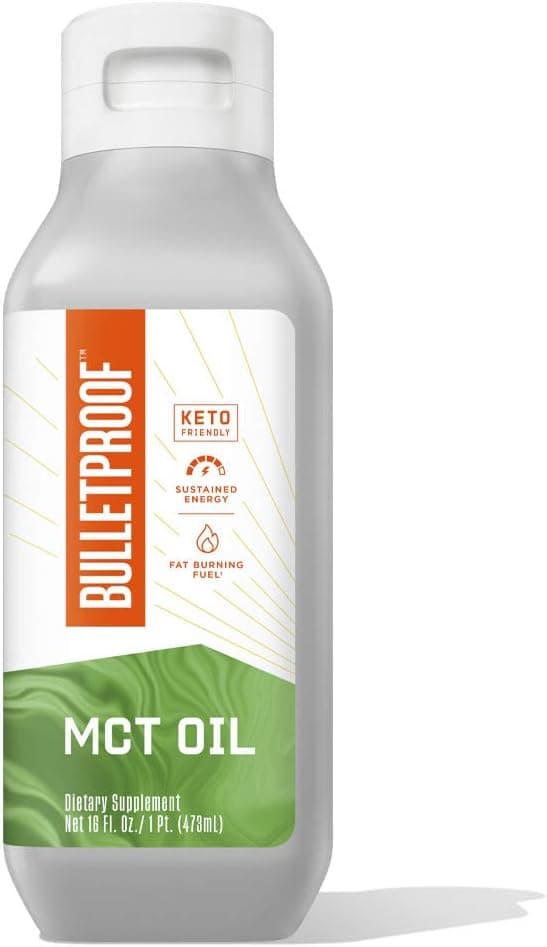
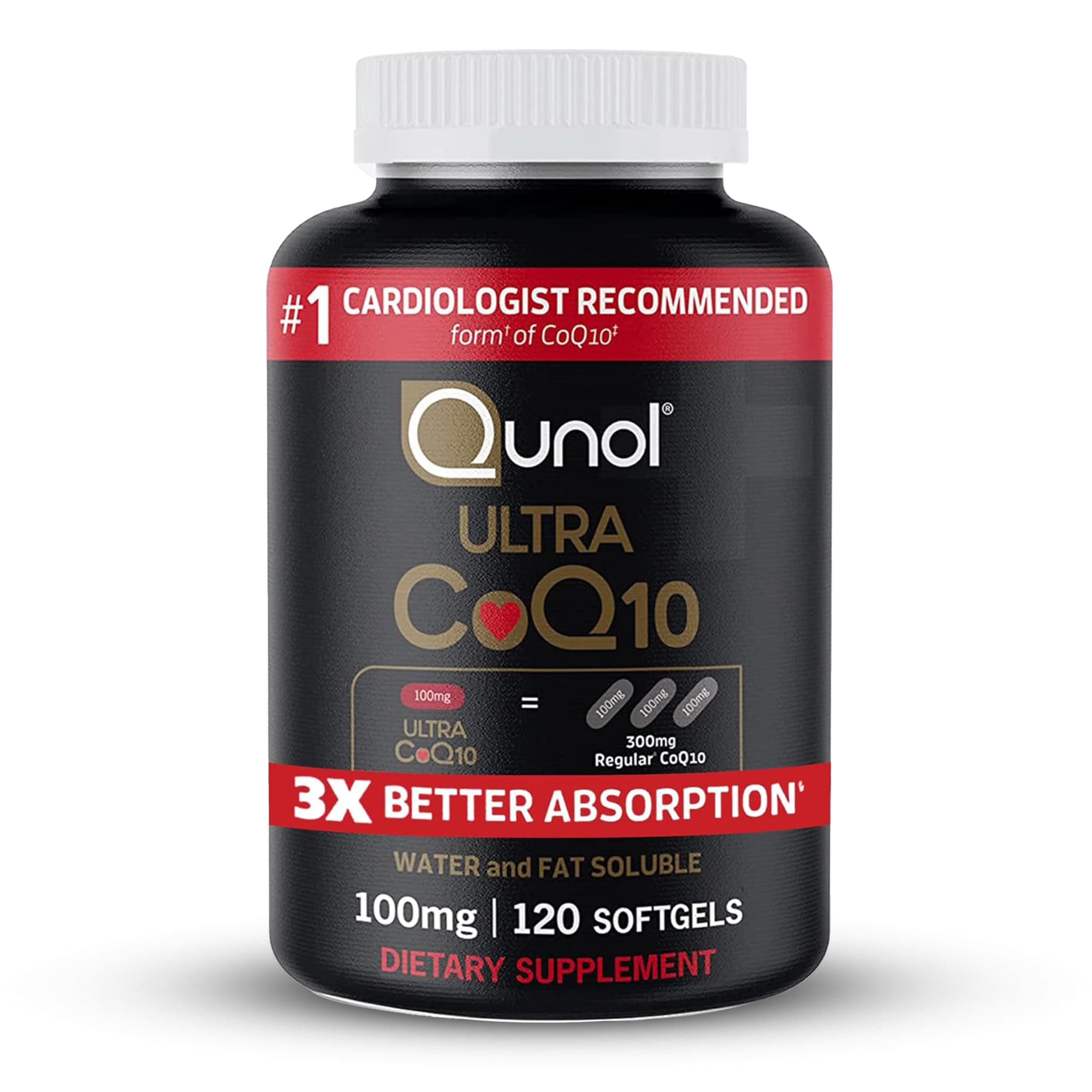
Medium Chain Triglycerides.
Fast-absorbing fats that your liver converts straight to energy. Good for quick fuel and helping absorb fat-soluble supplements. Bypasses normal fat digestion, goes straight to your liver for rapid conversion to energy and ketones. In supplements, often serves as a carrier to help absorb fat-soluble vitamins.
Reviewed March 2026
- Category
- Compound
- Also filed under
- Quick energy via ketone productionEnhances fat soluble nutrient absorptionModest appetite controlSupports ketogenic diets
What Medium Chain Triglycerides is, and what it does.
- Does it work
- For energy and ketone production at standalone doses (5-15g), it's legitimately useful. As a carrier oil in softgels (200-500mg), it helps with absorption but isn't contributing energy benefits.
- How much to take
- For energy/ketones: 5-15g (1-3 tablespoons of MCT oil). For absorption support: 1-3g as carrier oil. Most softgel supplements contain only 200-500mg. Start with 5g and increase slowly.
- Time to feel it
- Within about 30 minutes to 3 hours of a single dose.
- The first dose
- At standalone doses: noticeable energy within 30-60 minutes. Ketone levels rise measurably. If you take too much too fast, expect stomach cramps and urgent trips to the bathroom.
- With regular use
- Weeks 2-4: your gut adapts and tolerates higher doses. Some studies show modest metabolic benefits over months. Consistent use supports ketone production on low-carb diets.
- How well tolerated
- Well tolerated in most people. GI distress is the main issue, especially when starting (the famous 'disaster pants' from too much MCT oil). Gradually increase dose over 1-2 weeks.
- How it feels
- Clean, sustained energy. No crash like sugar or jitters like caffeine. At higher doses, a warm, focused feeling as ketones fuel your brain. At softgel carrier doses, you feel nothing.
- The overlooked benefit
- Because they need very little bile and pancreatic lipase, these are the fats used in clinical nutrition when fat digestion is limited. That dependability is why formulators reach for them.
5 to 15g a day is where Medium Chain Triglycerides works.
Source: St-Onge MP et al. Am J Clin Nutr. 2003; Mumme K, Stonehouse W. J Acad Nutr Diet. 2015
On an 8-hour metabolic study day, healthy adults took a single 20 mL dose of tricaprylin (C8), tricaprin (C10), trilaurin (C12) or a mixed C8/C10 oil with breakfast, with a second dose four hours later. The rise in plasma acetoacetate, beta-hydroxybutyrate and total ketones was largest after C8 and occurred 0.5 to 3 hours after the dose. In a separate study, 10 healthy adults given single 10, 20 or 30 g doses with breakfast and sampled every 30 minutes for four hours showed roughly a two-fold rise in ketogenesis over the no-treatment control. In a randomised crossover in 8 lean adults and 8 adults with obesity, ketogenesis and metabolic rate rose and blood glucose fell over five hours, and the same response was present after eight days of daily intake. Blood ketones were measured, not alertness.
The proof, claim by claim.
These words describe the research, not the molecule's worth. Research strength is how much work stands behind one claim, and it is never a product score.
Medium Chain Triglycerides has emerging evidence, with 12 cited human studies on this page.
- Rapidly converted to energy
- Boosts ketone production
- Aids weight loss
Questions people ask about Medium Chain Triglycerides.
- Is MCT oil the same as coconut oil?
- No. Coconut oil contains MCTs but also contains long-chain fats and lauric acid. Pure MCT oil is a concentrated extract of just C8 and C10 fatty acids, which metabolize differently.
- Will MCT oil help me lose weight?
- Marginally. It slightly increases calorie burning compared to other fats. But it's still 100 calories per tablespoon. Adding MCT oil to your existing diet without removing other calories won't help.
- Do I need MCT oil if I'm not keto?
- Not really. The main advantage of MCTs is ketone production, which matters most on very low-carb diets. If you eat a normal diet, MCTs are just another calorie source.
- Why is MCT oil in my vitamin D softgel?
- It's a carrier oil that helps dissolve and absorb fat-soluble vitamins. The small amount (200-500mg) per softgel is doing its job as a delivery system, not providing energy benefits.
Why these belong in the same formula. Each row says what the basis is, from settled biochemistry through to a trial that measured the pair.
CoQ10 is highly lipophilic and dissolves poorly in water, so the gut absorbs far more of it from a lipid vehicle than from a dry powder. Suspending it in MCT oil gives it a fat to dissolve into before it reaches the intestinal wall, which supports how much is taken up.
Vitamin D3 is a fat-soluble vitamin the small intestine absorbs alongside dietary fat. Delivering it dissolved in MCT oil supplies that fat directly, which is why D3 is so often formulated as drops or softgels in an oil base.
Curcumin is strongly lipophilic and barely dissolves in water, which is a main reason so little of it is absorbed on its own. Pre-dissolving it in MCT oil presents it to the gut already in a lipid form, so more of it is available for uptake.
Retinyl esters must enter mixed micelles before enterocyte uptake, which requires co-ingested fat. Medium chain triglycerides supply that fat efficiently in a small dose volume.
Tocopherol absorption rises with the fat content of the meal because it leaves the gut in chylomicrons. An MCT base gives the vitamin a reliable lipid phase independent of what else is eaten.
MK-7 is strongly lipophilic and its plasma appearance depends on dietary lipid. Dissolving it in medium chain triglycerides keeps it in solution through the stomach and into micelle formation.
Beta carotene has to partition into a fat droplet before it can be taken up and cleaved to retinal. An oil vehicle such as MCT provides that droplet directly.
Serum lutein response depends on the fat consumed alongside it, since uptake is micellar. MCT is the usual carrier oil chosen to secure that lipid phase.
Zeaxanthin shares lutein's xanthophyll chemistry and the same fat-dependent micellar route into the enterocyte. Suspension in medium chain triglycerides supplies the lipid that route requires.
Astaxanthin is nearly insoluble in water and its uptake improves with co-ingested lipid. MCT keeps it dissolved and supplies the fat needed for micelle formation.
Resveratrol dissolves poorly in water and its absorption improves from a lipid matrix. MCT is commonly used as that matrix in liquids and softgels.
Boswellic acids including AKBA are lipophilic pentacyclic triterpenes with low aqueous solubility, and plasma levels rise when taken with fat. Medium chain triglycerides supply that fat in the capsule itself.
Caprylic acid is the C8 fatty acid that makes up the ketogenic fraction of most MCT oils, so the two are the same chemistry at different levels of assembly. Free caprylic acid and its triglyceride deliver the same fatty acid once gastric and pancreatic lipases act. The free acid is harsher on the stomach, which is why the triglyceride form dominates in supplements.
Long chain fatty acids need the carnitine shuttle to cross the inner mitochondrial membrane, but medium chain fatty acids diffuse in and are activated inside the matrix without it. That is precisely why MCTs oxidise quickly. Carnitine therefore does not gate MCT oxidation the way it gates long chain fat oxidation, and pairing them for that reason misreads the biochemistry.
Medium chain triglycerides are more water dispersible than long chain fats and are absorbed with far less dependence on bile salt micelle formation. Supplemental bile components therefore matter much less for MCT than for long chain oils. Where bile flow is limited, MCT is the fat that still gets absorbed, which is the whole basis of its clinical use.
Gastric and lingual lipases already cleave medium chain triglycerides efficiently, and some intact MCT is absorbed without full pancreatic lipase action. Added lipase has less to contribute here than with long chain fat. This is a case where a common pairing is less necessary than the marketing implies.
Broad spectrum enzyme blends are usually included to support fat and protein digestion. Medium chain triglycerides bypass much of the normal fat digestion sequence, entering the portal vein bound to albumin rather than being packaged into chylomicrons. The pairing is not harmful, it simply does less for this fat than for others.
Lecithin is a standard emulsifier for dispersing MCT oil into aqueous systems and for producing spray dried MCT powders alongside a carrier. It is a manufacturing partner rather than a physiological one. Its presence explains why a powder disperses in coffee while the neat oil separates.
Quercetin aglycone is poorly water soluble and its absorption improves when it is delivered in a lipid matrix. Medium chain triglycerides are a common lipid vehicle for that purpose. The effect is on how much reaches circulation, not on what the compound does once there.
Catechins are only modestly lipophilic and their bioavailability is variable. A lipid vehicle is sometimes used to stabilise them in a formulation. Direct data for MCT as the carrier specifically is thin.
Berberine has notably low oral bioavailability, and lipid based delivery systems are one of the approaches used to raise it. MCT can serve as that lipid phase. Whether a simple MCT co dose changes berberine exposure meaningfully has not been established.
MCT is most often used inside a low carbohydrate eating pattern, where lower insulin increases renal sodium and water loss. Sodium, potassium and magnesium needs rise in that setting. The relationship is with the dietary pattern rather than with the oil itself, and saying so keeps the reasoning honest.
Insulin promotes renal sodium retention, so a sustained low carbohydrate intake increases sodium excretion. People adding MCT as part of that pattern often need more sodium, not less. This is a consequence of the diet, and MCT alone does not drive it.
Magnesium losses track the same diuresis that follows a sustained low carbohydrate intake. Cramping during that transition is the usual practical signal. The link is to the dietary context in which MCT is used.
Leucine is one of the two purely ketogenic amino acids, degraded through acetoacetyl-CoA rather than to glucose. It and medium chain fatty acids feed the same hepatic ketogenic pathway from different substrates. The contribution from a typical leucine dose is small next to a gram scale MCT dose.
Caffeine raises catecholamine driven lipolysis and alertness while MCT supplies rapidly oxidised fat and hepatic ketone substrate. The two are routinely combined in coffee based preparations. Any combined effect on energy expenditure has not been isolated from the effect of caffeine alone.
Ketone bodies derived from MCT are taken up by the brain through monocarboxylate transporters and used as fuel alongside glucose. Choline donors serve a separate structural and neurotransmitter role. The pairing appears in cognitive formulas on complementary reasoning rather than on combination data.
Phosphatidylserine is a phospholipid that is commonly supplied dispersed in an oil or on a lipid carrier. MCT serves that carrier role in some formulations. This is a delivery relationship, not a physiological one.
Talk to a doctor before taking Medium Chain Triglycerides if any of these apply to you: GI discomfort at high doses (start low), Caloric (8.3 cal/g), Excipient doses are sub-therapeutic. These are flags to check first, not effects Medium Chain Triglycerides is known to cause.
Not medical advice. Show the label to your pharmacist.What Medium Chain Triglycerides actually does.
Medium chain fatty acids of 6 to 12 carbons ride into the portal vein on albumin instead of being re esterified into chylomicrons and heading down the lymph, which is why they reach the liver within minutes of a dose.
Medium chain acyl chains slip across the inner mitochondrial membrane and get hooked to CoA once inside the matrix, skipping the carnitine palmitoyltransferase shuttle that throttles long chain fatty acid entry.
Quick liver burning makes acetyl-CoA faster than the citric acid cycle uses it, and the surplus gets condensed into acetoacetate and beta hydroxybutyrate. That's the straight line from an MCT dose to a measurable rise in blood ketones.
Ketone bodies cross the blood brain barrier on monocarboxylate transporters, and neurons burn them as fuel right alongside glucose.
Getting Medium Chain Triglycerides from food.
The whole-food sources on file. A supplement closes the gap, it does not replace dinner.
A gram-for-gram figure (how much of each you would eat to match a dose) will appear here once it is sourced and reviewed. This page will not print a number it cannot cite.
The forms it comes in.
The essence, in one line each.
- Across 11 randomised trials, replacing at least 5 g a day of long-chain fats with medium-chain triglycerides for 4 weeks or more lowered body weight by about 0.69 kg, body fat by about 0.89 kg and waist circumference by about 1.8 cm, on evidence the authors graded low to moderate.Meta-analysis. Bueno et al., 2015 (Journal of the American College of Nutrition). PMID 25651239 ↗
- In 64 nursing home residents averaging 85 years old, 6 g a day of medium-chain triglycerides for 3 months raised 10-second leg open and close test performance by about 48 percent and daily function scores by about 7.5 percent compared with long-chain triglycerides.Randomised trial. Abe et al., 2019 (The American Journal of Clinical Nutrition). PMID 31334544 ↗
- Reviewing 6 randomised trials in older adults without cognitive impairment, 4 reported better memory scores with medium-chain triglycerides, mostly working memory, though the studies were too few and too varied to pool into a single effect size.Systematic review. Giannos et al., 2022 (BMC Geriatrics). PMID 36273115 ↗
- In a pilot study of 20 healthy adults averaging 66 years old, a single medium-chain triglyceride meal improved N-back working memory performance versus a placebo meal and lowered prefrontal brain activation during the task.Randomised trial. Yomogida et al., 2021 (Nutrients). PMID 34206642 ↗
- In this feasibility trial, medium chain triglyceride supplementation produced only small changes in insulin sensitivity and beta cell function, and the study was not large enough to detect a clear difference.Randomised trial. Thomas et al., 2019 (PloS one). PMID 31869355 ↗
- Eight weeks of structured lipid supplementation shifted which fuel the body burned during moderate intensity exercise, with more fat and less carbohydrate used than in the control group.Randomised trial. Wang et al., 2026 (Nutrients). PMID 41754084 ↗
- Healthy adults produced fewer blood ketones when medium chain triglycerides were consumed together with glucose than when consumed alone.Randomised trial. Frenser et al., 2026 (Scientific reports). PMID 41957196 ↗
- Eight weeks of an eicosapentaenoic acid and medium chain triacylglycerol structured lipid increased blood EPA levels compared with control.Randomised trial. Shimizu et al., 2026 (Journal of the International Society of Sport). PMID 41992745 ↗
- Evaluation of medium chain triglyceride supplementation in an acute inpatient neurological setting, reported as an exploratory efficacy assessment.Open-label trial. Zuo et al., 2025 (Nutritional Neuroscience). PMID 40674442 ↗
- Thirty three year follow up of one family managed with long term medium chain triglyceride based nutrition, with the authors reporting no liver damage over that period. A single family series cannot establish a general expectation.Case series. Triantafillidis et al., 2025 (Journal of Personalized Medicine). PMID 40863416 ↗
- In a mouse model, medium chain triglyceride supplementation was associated with less behavioural impairment. A rodent behavioural model is mechanism level evidence and does not carry to people.Animal study. Kumar et al., 2025 (Journal of Biochemical and Molecular Toxicology). PMID 40114545 ↗
- Medium chain triglyceride supplementation was associated with preservation of oxidative capacity markers in skeletal muscle under the model conditions studied.Animal study. Hirabayashi et al., 2020 (Biomedical Research, Tokyo). PMID 32801267 ↗
- Review of ketogenic dietary patterns and medium chain triglyceride supplementation, describing ketone availability as a supporting fuel route and the clinical evidence base as still developing.Narrative review. Włodarek, 2021 (Current Opinion in Clinical Nutrition and Metabolic Care). PMID 33741752 ↗
- Observational analysis of blood nutritional biomarkers and apolipoprotein E genotype. The findings are associations between markers and cognitive trajectory, not causal effects of any nutrient.Cohort study. Lawal et al., 2026 (Nutrients). PMID 42075076 ↗
- Self reported quality of life dimensions were higher during medium chain triglyceride supplementation in a rheumatology clinic population. The endpoints are patient reported scales.Open-label trial. Gaudioso et al., 2026 (RMD Open). PMID 41698796 ↗
These are the studies our verdict leans on, chosen from the 4,980 we read for Medium Chain Triglycerides. The full linked list is below.
The studies, linked.
2 sources behind our Medium Chain Triglycerides verdict: peer-reviewed studies and registered clinical trials. Every one links straight to PubMed, the journal, or ClinicalTrials.gov. Read them yourself.
- Clinical trialThe Effect of a Long-term Medium Chain Supplemented Diet on Cognitive Function and Brain Activation During Hypoglycemia in Type 1 Diabetes.ClinicalTrials.gov ↗12 participants, Completed
- Clinical trialCompassionate Use of an Intravenous Fat Emulsion Comprised of Soy Oil, Medium Chain Triglycerides, Olive Oil, and Fish Oil for Neonates With Parenteral Nutrition Induced Liver InjuryClinicalTrials.gov ↗Phase 1, 2 participants, Terminated
Evidence surfaced via Semantic Scholar (Allen Institute for AI) and ClinicalTrials.gov. Ranked by study type and citation weight, not cherry-picked.
Problems people have reported.
Read this carefully. These are 3,507 voluntary, unverified reactions reported to the FDA (openFDA). The number mostly reflects how popular Medium Chain Triglycerides is, not how risky it is. A report is not proof Medium Chain Triglycerides caused anything. It is a signal of what to watch for, nothing more.
Source: openFDA adverse-event reports. Voluntary reporting, not an incidence rate.
FDA Disclaimer: These statements have not been evaluated by the Food and Drug Administration. This information is for educational purposes only and is not intended to diagnose, treat, cure, or prevent any disease. Consult your healthcare provider before starting any supplement regimen.