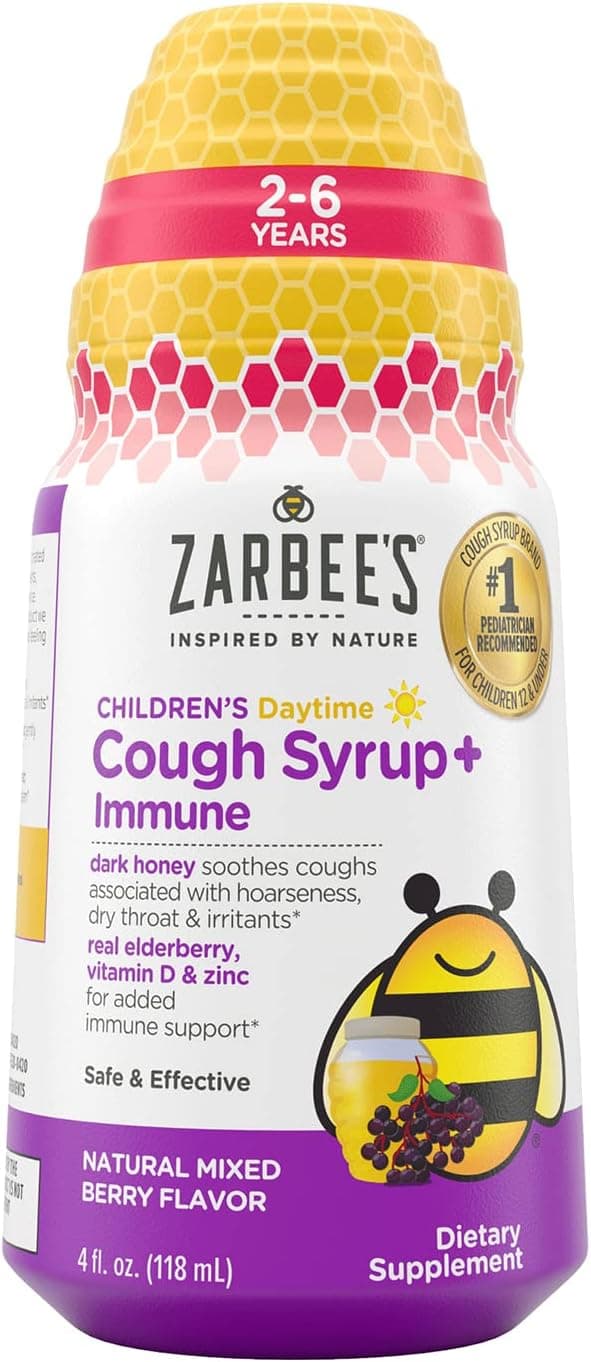
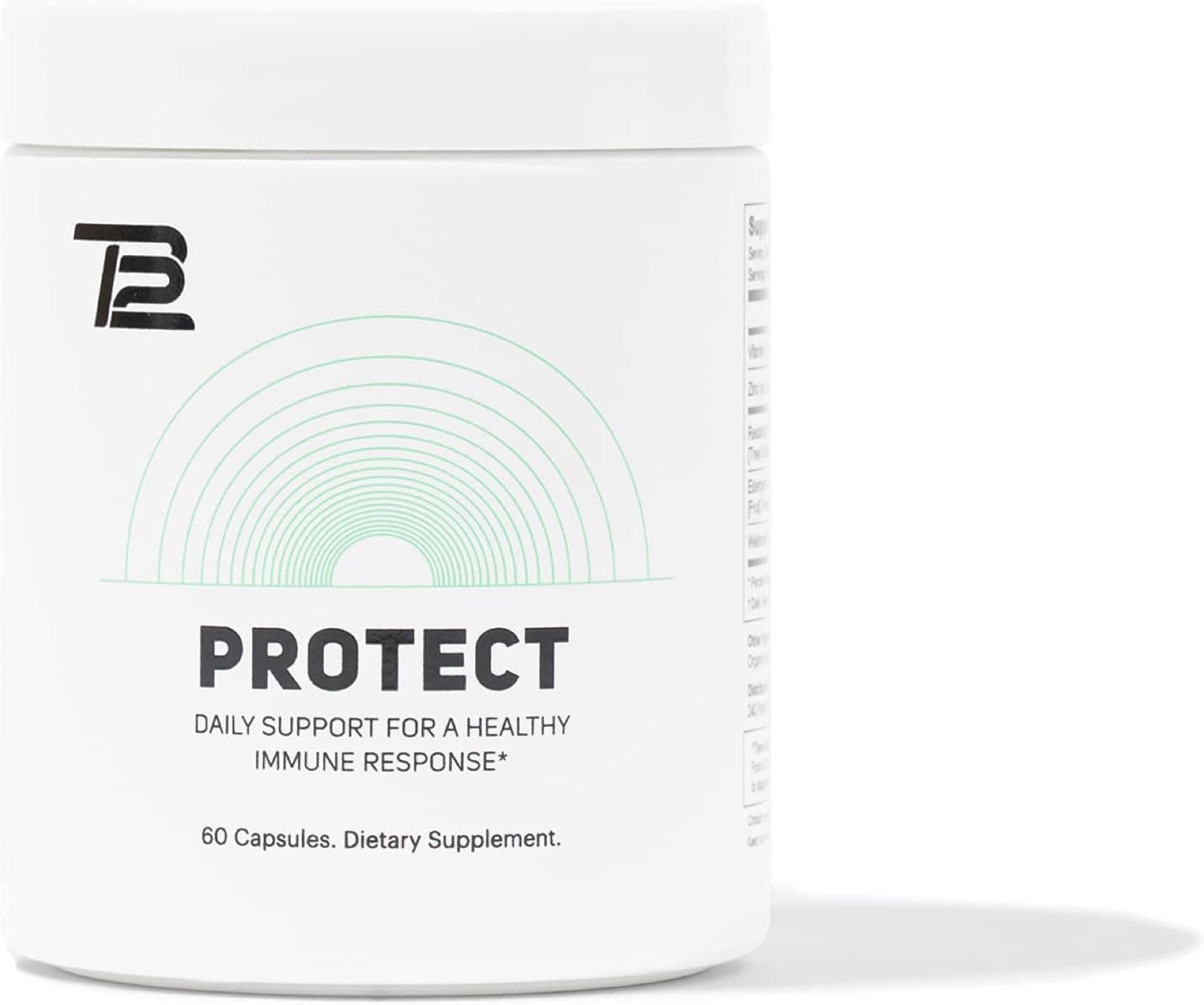
Elderberry (Sambucus nigra).
Flu fighter. Immune booster. The berry that shortens colds. It's like putting glue on the virus's key so it can't enter your cells. Also boosts immune response.
Reviewed March 2026
- Category
- Herb
- Also filed under
- ImmuneColdFlu
What Elderberry (Sambucus nigra) is, and what it does.
- Does it work
- When you feel a cold coming on, elderberry is worth trying. Meta-analyses show it can reduce duration by 1-2 days. That's meaningful.
- How much to take
- 175-750mg daily during illness, typically in divided doses. Start at the first sign of symptoms for best results. Most syrups provide 175-200mg per dose.
- Time to feel it
- Within about 7 hours of a single dose.
- The first dose
- Nothing noticeable. Elderberry isn't a symptom reliever.
- With regular use
- By day 2-3, you might notice symptoms aren't progressing as severely. Average reduction is about 2 days off your cold duration.
- How well tolerated
- Well tolerated when properly processed. NEVER eat raw elderberries or make your own syrup without proper cooking. Commercial products are well tolerated.
- How it feels
- You won't feel elderberry directly. It's working on the virus, not on your symptoms. Judge it by how quickly you recover.
- The overlooked benefit
- Its anthocyanins bind non-heme iron in the same meal, so if you also take iron, leave a couple of hours between the two.
600mg a day is where Elderberry (Sambucus nigra) works.
Source: Hawkins 2019 meta + Tiralongo 2016 cold study
In a kinetic study, 6 healthy volunteers took a single 30 ml oral dose of elderberry extract providing 147.3 mg of anthocyanins. The anthocyanins appeared in plasma and were excreted in urine within 7 hours, with a plasma half-life of about 1.74 hours.
The proof, claim by claim.
These words describe the research, not the molecule's worth. Research strength is how much work stands behind one claim, and it is never a product score.
Based on 20 human trials with 70% consistency.
- Upper respiratory comfort during the colder monthsMeta-analysis
- Immune resilienceRandomised trial
- Antioxidant defence from anthocyanins and their phenolic metabolitesRandomised trial
- A healthy inflammatory responseIn vitro study
- Reduced uptake of non-heme iron taken in the same mealNarrative review
Why these belong in the same formula. Each row says what the basis is, from settled biochemistry through to a trial that measured the pair.
Ascorbate and the anthocyanin flavonoids that give elderberry its dark pigment sit in the same antioxidant network, where vitamin C helps regenerate a flavonoid back to its active form after it has quenched a free radical. Both also contribute to the normal function of the immune system, each by a different route.
Elderberry naturally carries quercetin and related flavonols alongside its anthocyanins, so adding quercetin extends a polyphenol family that shares the same electron-donating antioxidant chemistry. Flavonoids in this group can regenerate one another after neutralizing a radical, which is why they are commonly co-formulated for antioxidant support.
Zinc is required for normal lymphocyte development and for the zinc finger transcription factors immune cells use. Elderberry anthocyanins modulate the response, zinc supplies the mineral the responding cells need.
Echinacea alkylamides act on innate immune cell receptors while elderberry supplies anthocyanins acting on redox signalling in those cells. Seasonal immune syrups have combined the two for decades on that division.
Vitamin D receptor signalling in monocytes and T cells sets baseline immune responsiveness, including antimicrobial peptide expression. It underpins the response elderberry polyphenols modulate.
Propolis flavonoids act at the throat and upper airway mucosa, while elderberry anthocyanins are absorbed and act systemically. Immune syrups combine local and systemic action.
Anthocyanins and other berry polyphenols bind non-heme iron in the gut lumen and lower how much is taken up. Elderberry taken with an iron dose reduces that dose's uptake, so separate them by a couple of hours.
Andrographolides act on NF-kB dependent immune signalling, a different point from elderberry's anthocyanin effects on redox tone. The two do not overlap mechanistically.
Astragalus polysaccharides act as a longer-term tonic on macrophage and lymphocyte activity, while elderberry is used in short seasonal courses. Formulas pair a background tonic with an acute-use berry.
Beta-glucans are recognised by dectin-1 and complement receptor 3 on innate cells, a receptor route elderberry polyphenols do not touch. Combining them widens innate coverage instead of doubling one path.
Anthocyanins and other polyphenols chelate non-heme iron in the gut lumen and form complexes the enterocyte does not take up. Ferrous sulfate delivers exactly the form of iron most affected. Spacing an iron dose a couple of hours away from a polyphenol-rich extract is the ordinary handling of this well-characterised interaction.
The bisglycinate chelate holds iron inside a glycine cage, which reduces but does not remove its exposure to dietary polyphenol ligands. Compared with a simple iron salt the interaction is smaller. The direction is still competitive and the residual size of it in the presence of an anthocyanin extract has not been quantified.
Bilberry and elderberry both deliver anthocyanins, though the glycoside patterns differ, with elderberry weighted toward cyanidin-3-glucoside and cyanidin-3-sambubioside. Combining them raises total anthocyanin intake from complementary glycoside profiles. Any product-level effect follows from total anthocyanin dose, not from a special interaction between the two berries.
Rutin is one of the flavonol glycosides naturally present in elder flower and berry material, so adding it reinforces a constituent the plant already supplies. Rutin and the anthocyanins are both polyphenols but differ in absorption and in microbial metabolism. The pairing is chemically coherent rather than measured as a combination.
Grape seed proanthocyanidins and elderberry anthocyanins are related flavonoid classes that both end up substantially metabolised in the colon. Formulas combine them to widen the polyphenol profile. Note that both also bind non-heme iron, so the competitive effect on iron adds up across them.
EGCG is a galloylated catechin and one of the most potent dietary polyphenol iron binders known. Paired with elderberry the polyphenol profile broadens, and the competitive effect on non-heme iron absorption compounds rather than cancelling. Both points are established chemistry.
Resveratrol is a stilbene rather than an anthocyanin, so it brings a structurally distinct polyphenol to the same formula. Both are poorly absorbed intact and heavily conjugated in the intestinal wall and liver. Combining them is a breadth strategy without a combination trial behind it.
Pterostilbene is a dimethylated stilbene with better metabolic stability than resveratrol. It is combined with berry anthocyanins in polyphenol blends for constituent breadth. Nothing measured supports a specific additive effect with elderberry.
Anthocyanins largely reach the colon intact and are transformed there by microbiota into smaller phenolic acids such as protocatechuic acid. Inulin is a fermentable fructan that shifts the composition and activity of that same microbial population. The pairing also appears in formulation work where elderberry extract is spray dried onto prebiotic carriers.
Short-chain fructans are fermented in the proximal colon, the same region where anthocyanin deglycosylation and ring fission occur. A changed microbial community changes which phenolic metabolites are produced. The mechanism is well grounded. The size of the shift with elderberry specifically has not been quantified.
Lactobacilli including L. plantarum carry beta-glucosidase activity that cleaves the sugar from anthocyanin glycosides, the first step in releasing the aglycone. That deglycosylation determines what is available for further microbial conversion. The enzymology is established. Whether adding a specific strain changes human metabolite levels is a separate question.
Bifidobacteria participate in the colonic breakdown of polyphenol glycosides and are themselves influenced by the phenolic environment. The relationship runs both directions, which is why polyphenols are sometimes described as prebiotic-like. Read it as modulating gut metabolism rather than as a measured outcome.
Elderberry fruit is naturally pectin-rich, and added pectin is used as a wall material when berry extracts are spray dried or gelled into gummies. Pectin also protects anthocyanin colour by shifting the local environment. This is formulation chemistry with a nutritional side effect of adding soluble fibre.
Lactoferrin sequesters free iron and interacts with microbial surfaces directly, a mechanism unrelated to anthocyanin chemistry. The two are combined in seasonal formulas on complementary grounds. Both also affect iron availability, which is worth noting for anyone building a formula around iron.
Selenium is built into selenocysteine at the active site of glutathione peroxidases, the enzymes that reduce hydroperoxides as part of normal redox balance. Elderberry polyphenols act as direct hydrogen donors in chemical assays, an entirely separate route. The cofactor relationship is textbook and needs no trial to state.
Retinoic acid binds nuclear receptors that direct normal epithelial barrier maintenance and lymphocyte differentiation. That is settled biochemistry and independent of any berry polyphenol. Elderberry adds an unrelated constituent class to the same seasonal formula.
Reishi supplies beta-glucans recognised by dectin-1 and complement receptor 3 on innate immune cells in laboratory systems. Elderberry contributes anthocyanins, a completely different constituent class. The pairing widens the chemistry present rather than reinforcing a single pathway.
Turkey tail protein-bound polysaccharides are studied mostly in cell and animal immune models. Elderberry brings polyphenols to the same formula. The combination is conventional in seasonal products and has not been measured as a pair.
Licorice root has a long history in throat and seasonal syrups and contributes sweetness that suits an elderberry base. The two are combined in traditional formularies. Nothing measured supports an additive pharmacological effect.
Thyme carries thymol and carvacrol, phenolic monoterpenes with documented in vitro activity against microbial membranes. It is a traditional companion to elder in syrups. The in vitro chemistry is not a human outcome and the pairing rests on convention.
Ginger supplies gingerols and shogaols and is a standard warming component of elderberry syrups. The constituent classes do not overlap. The basis is traditional formulation practice and taste.
Nothing specific on file for Elderberry (Sambucus nigra). Match the label to the daily amount above, and tell your doctor what you take.
Not medical advice. Show the label to your pharmacist.What Elderberry (Sambucus nigra) actually does.
The marker compounds in elderberry fruit are anthocyanins, mostly two cyanidin forms. Standardised extracts get measured against total anthocyanins, reported as cyanidin-3-glucoside equivalents.
Very little anthocyanin is absorbed intact. Most reaches the colon, where your bacteria strip the sugar and open the ring into smaller phenolic acids, and those make up most of what circulates.
Anthocyanin colour and stability swing with pH: red in acid, then colourless, then blue as pH climbs. So syrup pH is a real formulation control point, not just a look.
Raw elderberries, plus the leaves, bark and unripe fruit, contain cyanogenic glycosides. That's why the fruit is cooked or otherwise processed first, and why raw berry preparations get handled differently.
Where Elderberry (Sambucus nigra) comes from.
Ripe elderberries are picked, taken off their stems and cooked, which is a necessary step because the raw fruit and the stems contain compounds that should not be eaten uncooked. The cooked fruit is pressed or soaked to pull out the purple pigments, the liquid is boiled down gently under vacuum, tested for how much pigment it contains, and then dried into a powder or made into a syrup or gummy.
Made from a plant. What ends up in the capsule tracks the harvest, so batch testing and a stated marker matter more here than with a made molecule.
Harvested from cultivated or wild European elder when fully ripe. Unripe fruit, leaves and stems carry higher cyanogenic glycoside content and are separated out.
Berries are destemmed and heated, which deactivates the heat-labile lectins and drives off hydrogen cyanide liberated from cyanogenic glycosides. This step is why raw berry material is not the article of commerce.
Fruit is pressed for juice, or extracted with water or aqueous ethanol when a higher anthocyanin concentration is the target. Low pH is maintained because anthocyanins are most stable in acid.
The liquid is clarified by filtration and reduced under vacuum at low temperature to limit thermal degradation of the pigments.
The concentrate is assayed for total anthocyanins, usually by pH differential or by HPLC against cyanidin-3-glucoside, and adjusted with carrier to the declared figure.
The concentrate is spray dried onto a carrier for powders and tablets, blended into a sugar or glycerin base for syrup, or deposited into a pectin or gelatin gel for gummies. Opaque packaging is standard because light degrades the pigment.
Whether an extract came from juice or from whole fruit, the assay method behind a stated anthocyanin percentage, and the carrier fraction of a spray-dried powder are commonly left off the label.
Getting Elderberry (Sambucus nigra) from food.
The whole-food sources on file. A supplement closes the gap, it does not replace dinner.
A gram-for-gram figure (how much of each you would eat to match a dose) will appear here once it is sourced and reviewed. This page will not print a number it cannot cite.
The forms it comes in.
The essence, in one line each.
- Pooling randomised trials in 180 people, elderberry supplementation was associated with shorter and less severe upper respiratory symptoms, with a large mean effect size.Meta-analysis. Hawkins et al., 2019 (Complementary Therapies in Medicine). PMID 30670267 ↗
- In a crossover trial of 18 overweight adults, one week of elderberry juice lowered post-meal blood glucose and raised fat oxidation during and after a meal test.Randomised trial. Teets et al., 2024 (Nutrients). PMID 39458549 ↗
- In ten adults with excess body weight, one week of twice-daily elderberry juice shifted 234 genes between the fasted and fed state versus 59 on placebo, with more activity in insulin and PI3K-Akt signalling pathways, a gene-expression signal rather than a measured health outcome.Randomised trial. Teets et al., 2025 (Nutrients). PMID 41097219 ↗
- The authors pooled the available elderberry trials for upper respiratory symptoms and concluded the evidence is limited, the trials small and the certainty low, with some reporting shorter symptom duration.Systematic review. Wieland et al., 2021 (BMC Complementary Medicine and Therapies). PMID 33827515 ↗
- In this double-blind placebo-controlled trial the investigators did not detect a difference in symptom duration between elderberry extract and placebo. A failure to detect a difference is not a demonstration that none exists.Randomised trial. Macknin et al., 2020 (Journal of General Internal Medicine). PMID 32929634 ↗
- The authors reported shorter symptom duration and lower symptom scores in the elderberry arm compared with placebo among long-haul air travellers.Randomised trial. Tiralongo et al., 2016 (Nutrients). PMID 27023596 ↗
- Elderberry is named among dietary supplement ingredients reviewed for immune support in healthy individuals, in a synthesis that describes the evidence base across ingredients as uneven.Systematic review. Crawford et al., 2022 (Nutrients). PMID 36364865 ↗
- Elderberry extract was spray dried onto prebiotic carriers and the resulting multifunctional systems were characterised physicochemically. This is formulation work, not a clinical measurement.In vitro study. Gościniak et al., 2025 (Biomolecules). PMID 41008596 ↗
- Across cell, rodent and human work the investigators did not detect an influence of anthocyanins on long-chain n-3 fatty acid status. That is a failure to detect an effect rather than proof of no effect.Animal study. Vauzour et al., 2015 (The Journal of Nutritional Biochemistry). PMID 25573539 ↗
- The review compares different parts of Sambucus nigra for effects on vascular and platelet-related laboratory markers, and the material summarised is largely preclinical.Narrative review. Olas et al., 2026 (International Journal of Molecular Sciences). PMID 41516333 ↗
- A polyphenol-rich extract blend containing elderberry was evaluated in irradiated mice and changes in tissue and biochemical markers were recorded. These are markers in animals, not human outcomes.Animal study. Niska et al., 2025 (International Journal of Molecular Sciences). PMID 41155267 ↗
- Berry juices including elder were tested against Bacillus cereus in culture and antibacterial effect tracked with phytochemical composition. The finding is an in vitro observation about the juice, not a human effect.In vitro study. Królak et al., 2024 (Scientific Reports). PMID 39550491 ↗
These are the studies our verdict leans on, chosen from the 1,770 we read for Elderberry (Sambucus nigra). The full linked list is below.
Problems people have reported.
Read this carefully. These are 318 voluntary, unverified reactions reported to the FDA (openFDA). The number mostly reflects how popular Elderberry (Sambucus nigra) is, not how risky it is. A report is not proof Elderberry (Sambucus nigra) caused anything. It is a signal of what to watch for, nothing more.
Source: openFDA adverse-event reports. Voluntary reporting, not an incidence rate.
FDA Disclaimer: These statements have not been evaluated by the Food and Drug Administration. This information is for educational purposes only and is not intended to diagnose, treat, cure, or prevent any disease. Consult your healthcare provider before starting any supplement regimen.