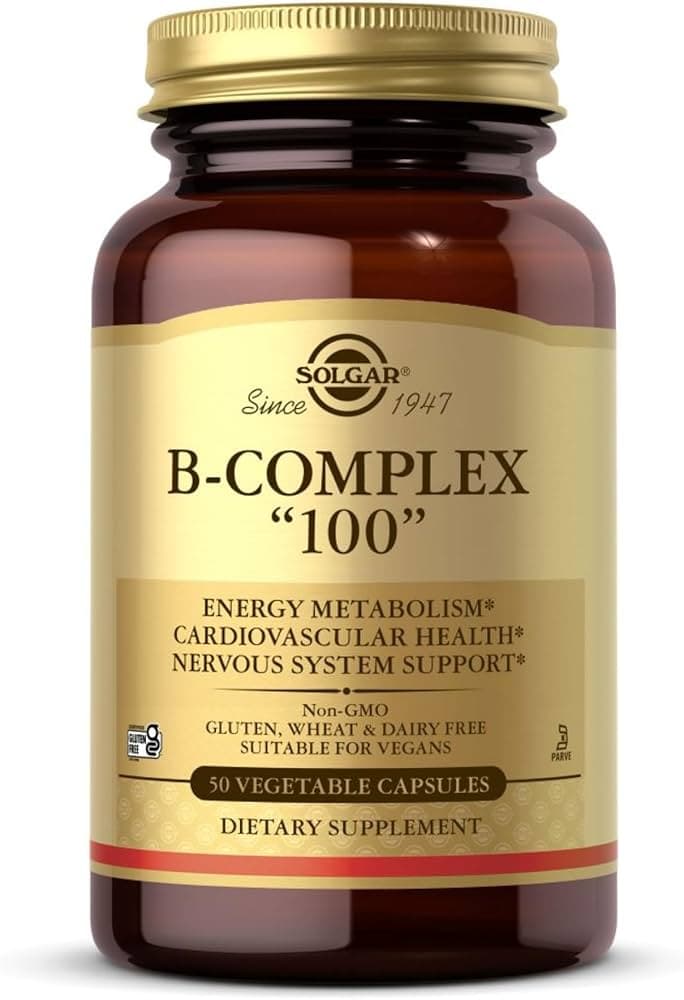
Acerola Extract Complex.
One of nature's richest vitamin C sources. Delivers vitamin C with natural bioflavonoids for better absorption. Delivers whole-food vitamin C with natural bioflavonoids that support immune function, collagen production, and antioxidant defense.
Reviewed March 2026
- Category
- Herb
- Also filed under
- Natural vitamin CEnhanced bioavailabilityImmune supportAntioxidantCollagen synthesis
What Acerola Extract Complex is, and what it does.
- Does it work
- A premium vitamin C source that genuinely offers more than synthetic ascorbic acid. The bioflavonoid matrix isn't just marketing. But it costs more per milligram of actual vitamin C.
- How much to take
- 250-1000mg of extract daily (providing roughly 50-250mg of actual vitamin C, depending on standardization). Check the label for vitamin C content, not just extract weight.
- Time to feel it
- Absorption happens within hours and blood vitamin C responds within days. Reaching a steady tissue level takes a few weeks of daily use.
- The first dose
- Nothing dramatic. Vitamin C gets absorbed within hours and you'll excrete what your body doesn't need. No noticeable subjective effects on day 1.
- With regular use
- Weeks 2-4: immune function improves. Months 1-3: skin quality may improve from enhanced collagen production. Consistent use maintains optimal vitamin C status.
- How well tolerated
- Well tolerated. Upper limit for vitamin C is 2000mg daily. Acerola extract at normal doses is well below this. Too much can cause loose stools, which is your body's signal to back off.
- How it feels
- Honestly, most people don't feel vitamin C working. If you were deficient, you'll notice more energy and fewer colds. Otherwise, it's invisible insurance.
- The overlooked benefit
- Vitamin C keeps vitamin E in play. It hands an electron back to the spent tocopherol radical at the water and fat boundary, so the two recycle each other.
500 to 1,500mg a day is where Acerola Extract Complex works.
Source: Uchida E et al. J Nutr Sci Vitaminol. 2011;57(3):216-220
The proof, claim by claim.
These words describe the research, not the molecule's worth. Research strength is how much work stands behind one claim, and it is never a product score.
- Better absorbed than synthetic vitamin C
- Supports immune function
- Superior antioxidant activity vs synthetic C
Questions people ask about Acerola Extract Complex.
- Is acerola vitamin C really better than synthetic?
- Probably slightly. The bioavailability studies show a modest advantage for acerola-derived C, likely because the bioflavonoids improve absorption. But the difference isn't night and day.
- How much actual vitamin C am I getting?
- Check the standardization. At 17-25% vitamin C, a 1000mg dose of extract gives you 170-250mg of actual vitamin C. The rest is bioflavonoids and other cherry compounds.
- Can I just take regular vitamin C instead?
- Absolutely. Synthetic ascorbic acid works well and costs a fraction of the price. Acerola is the premium option with potential absorption benefits, but it's not mandatory.
- Is this well tolerated in kids?
- Yes, at age-appropriate vitamin C doses. Acerola is literally a fruit. Many children's vitamin C supplements use acerola as their source.
- Does the 'complex' label mean anything special?
- Usually it means the manufacturer kept some of the natural cherry compounds alongside the vitamin C, rather than isolating pure ascorbic acid. It's marketing language for 'whole-food derived.'
Why these belong in the same formula. Each row says what the basis is, from settled biochemistry through to a trial that measured the pair.
Ascorbate reduces ferric iron to the ferrous form and holds it in a soluble chelate at intestinal pH, which is the form the DMT1 transporter carries. Taking a non-heme iron source with acerola markedly raises the fraction absorbed.
When tocopherol quenches a lipid radical it becomes a tocopheroxyl radical, and ascorbate at the membrane surface donates the electron that returns it to active vitamin E. This is the textbook recycling loop between the water and lipid phases.
Ascorbate and glutathione regenerate each other through the ascorbate-glutathione cycle, so each spares the other's pool. Depleting one shifts demand onto the other.
Dihydrolipoic acid, the reduced form of lipoic acid, regenerates ascorbate from its oxidised dehydroascorbate form. That places lipoic acid upstream of vitamin C in the same antioxidant relay.
Prolyl and lysyl hydroxylase depend on ascorbate to keep their iron centre reduced during collagen chain hydroxylation. Peptide substrate without ascorbate leaves the hydroxylation step short.
Two of the four enzymes that build carnitine from lysine and methionine are ascorbate-dependent dioxygenases. Vitamin C status therefore sits directly upstream of the body's own carnitine output.
Dopamine beta-hydroxylase, the copper enzyme that converts dopamine to norepinephrine, uses ascorbate as its electron donor. Tyrosine supplies the substrate at the top of that pathway and ascorbate keeps the last step running.
Ascorbate reduces oxidised quercetin radicals back to the parent flavonol, and quercetin in turn spares ascorbate under oxidative load. Acerola naturally carries flavonoids alongside its ascorbate.
Proanthocyanidins are regenerated by ascorbate and reduce the rate at which the ascorbate pool is consumed. The pairing is standard in antioxidant formulation for that reason.
Reduced folates oxidise readily, and ascorbate keeps them in the reduced usable state both in the gut and in plasma. Vitamin C status therefore affects how much of a folate dose survives.
Sustained high ascorbate intake reduces copper absorption and lowers ceruloplasmin oxidase activity, because ascorbate holds copper in the cuprous state. Where a formula relies on both, separating the doses avoids working against the copper.
Acerola's active vitamin is ascorbic acid, the same molecule sold as vitamin C, and both are absorbed by the sodium-dependent transporters SVCT1 and SVCT2. Because those carriers saturate, stacking the two raises total intake but the fraction absorbed falls as the combined dose climbs. Splitting intake across the day is the practical consequence.
Prolyl hydroxylase needs ascorbate to keep its iron centre reduced while it hydroxylates proline residues in procollagen, the step that lets the triple helix hold together. Proline supplies the residue and ascorbate keeps the enzyme turning over. This is standard connective-tissue biochemistry rather than a trial result.
Lysyl hydroxylase is the second ascorbate-dependent enzyme in collagen maturation, and the hydroxylysine it forms is where sugar residues and cross-links attach. Lysine is the substrate, ascorbate from acerola is the cofactor requirement. Established biochemistry, no citation needed.
Ascorbate reduces ferric iron to the ferrous state and keeps it soluble at intestinal pH, which is why a vitamin C source taken with a non-heme iron salt raises iron uptake. Acerola delivers ascorbate along with polyphenols, and some polyphenols bind iron, so the net effect in a given product depends on the whole matrix. Take them in the same sitting for the ascorbate effect to apply.
Reduced folates oxidise easily in solution and ascorbate slows that loss, which is why vitamin C is a common stabiliser alongside folate in liquids and in the gut lumen. The consequence is better survival of the folate delivered, not more folate activity per molecule. Grounded in chemistry rather than in a joint clinical trial.
Zinc and ascorbate support normal immune function through separate routes, zinc through enzyme and transcription-factor structure, ascorbate through neutrophil function and antioxidant recycling. They are paired constantly in immune formulas for that reason. The pairing is standard nutrition practice. The size of any joint effect is not settled.
Selenium sits in glutathione peroxidase, which clears peroxides using glutathione, and ascorbate helps regenerate the reduced partners that feed that cycle. The two occupy different nodes of the same antioxidant network. Mechanistic pairing, not a measured combination outcome.
N-acetylcysteine supplies cysteine for glutathione synthesis, and ascorbate and glutathione regenerate each other's oxidised forms. Adding an acerola-derived ascorbate source alongside NAC touches both halves of that recycling loop. This is chemistry, not evidence of a clinical outcome.
Acerola fruit carries carotenoids alongside its ascorbic acid, and carotenoids quench singlet oxygen in lipid environments while ascorbate works in water. Combining them covers both phases. The reasoning is compositional and chemical. No human trial isolated the pair.
An in vitro study combined a Lactobacillus reuteri strain with vitamin C and acerola powder and reported activity against bacterial growth and biofilm in culture. That is a laboratory observation in dishes, not a measured effect in people. It supports the idea that the combination is worth studying, nothing more.
Acerola and ginger extracts were tested together in cured meat and both contributed to the oxidative and colour stability measures the authors tracked. This is a food-matrix result about protecting a product, not a physiological finding in a person. It does show the two extracts behave compatibly in the same formulation.
High concentrations of ascorbic acid degrade cobalamin in aqueous solution, a long-recognised problem for liquid multivitamins. In a dry capsule the two coexist without much trouble. In a shared liquid or a gummy syrup the loss can matter. Formulators separate them, encapsulate the B12, or assay the finished liquid over shelf life.
Skin-support formulas routinely place an ascorbate source next to hyaluronic acid, one for the ascorbate-dependent hydroxylation steps in collagen maturation and one as a water-binding matrix component. The pairing is a formulation convention. No study separated the two contributions.
Acerola-derived vitamin C and vitamin D appear together in most immune-support stacks because they support normal immune function by unrelated routes. The combination is a market convention rather than a tested pair. Confidence stays low for that reason.
Talk to a doctor before taking Acerola Extract Complex if any of these apply to you: Expensive compared to synthetic vitamin C, GI upset at very high doses. These are flags to check first, not effects Acerola Extract Complex is known to cause.
Not medical advice. Show the label to your pharmacist.What Acerola Extract Complex actually does.
The vitamin C in acerola is ascorbic acid, chemically identical to the synthetic kind, and both ride the same sodium-dependent transporters into your gut lining and tissues.
Vitamin C absorption runs through carriers that fill up, so the bigger a single dose, the smaller the fraction absorbed, with the surplus leaving in urine. That holds whether it came from fruit or a factory.
Vitamin C is the helper the collagen-building enzymes need to hydroxylate collagen precursors so the fibres can fold and cross-link normally.
Vitamin C converts the iron in plant foods to a form that stays dissolved in the upper gut, which is the basis of its effect on non-heme iron uptake.
Getting Acerola Extract Complex from food.
The whole-food sources on file. A supplement closes the gap, it does not replace dinner.
A gram-for-gram figure (how much of each you would eat to match a dose) will appear here once it is sourced and reviewed. This page will not print a number it cannot cite.
The forms it comes in.
The essence, in one line each.
- The review describes acerola fruit and its processing by-products as concentrated sources of ascorbic acid and polyphenols with antioxidant activity in experimental models. It reports laboratory and animal findings, not human outcomes.Narrative review. Aquino et al., 2026 (Molecules). PMID 42280099 ↗
- A combination of a Lactobacillus reuteri strain with vitamin C and acerola powder reduced bacterial growth and biofilm formation in culture.In vitro study. Tempesta et al., 2026 (Biomolecules). PMID 41594698 ↗
- Acerola and ginger extracts added to dry-cured ham influenced oxidative stability and colour measures of the product. This is a food-quality experiment.In vitro study. Pietrasik et al., 2025 (Foods). PMID 41464914 ↗
- A placebo-controlled test of a multi-ingredient dermonutrient containing collagen peptides and a vitamin C source reported changes in skin structure and function measures. The formulation had several actives, so no single ingredient can be credited.Randomised trial. Laing et al., 2020 (Journal of Medicinal Food). PMID 32017646 ↗
- A collagen-peptide supplement blended with additional nutrients including a vitamin C source moved skin hydration, elasticity and density measures against placebo. Attribution to the acerola component is not possible from this design.Randomised trial. Bolke et al., 2019 (Nutrients). PMID 31627309 ↗
These are the studies our verdict leans on, chosen from the 5 we read for Acerola Extract Complex. The full linked list is below.
FDA Disclaimer: These statements have not been evaluated by the Food and Drug Administration. This information is for educational purposes only and is not intended to diagnose, treat, cure, or prevent any disease. Consult your healthcare provider before starting any supplement regimen.