
IronNHANES 2007 to 2010
About 10% of US women of reproductive age
are iron deficient.
Peer-reviewed analysisOrganic wheat grass powder is the lead active here, studied most for filling everyday nutrient gaps. In the 1.367 g Green Superfood Blend with four others, listed third. Ashwagandha root powder is the most studied active here, with 21 human studies behind it, each one cited. Who it fits: for everyone, adults.
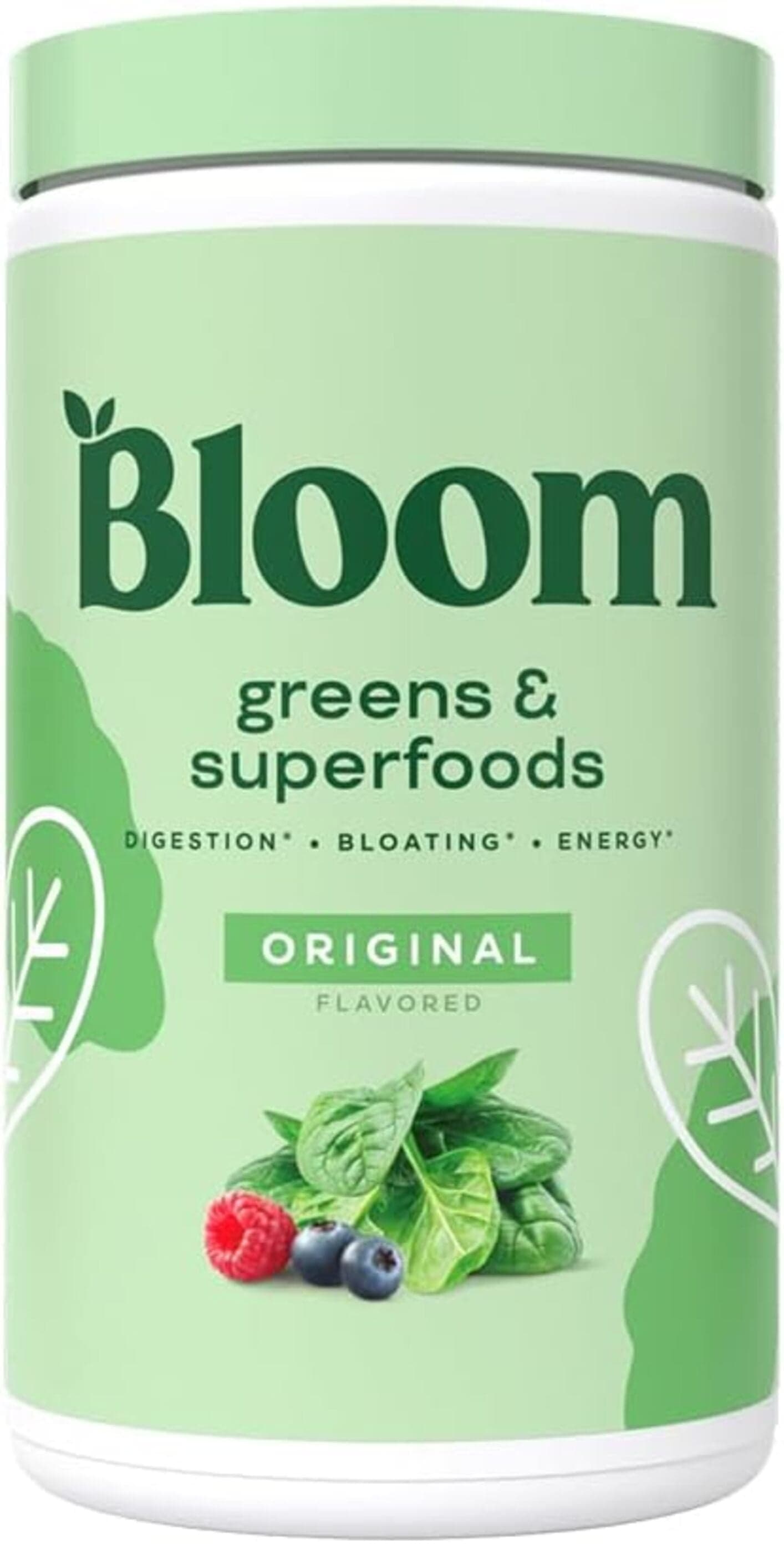 Verified by IngredientMD
The panel on the left is the one we evaluated, line by line.
All 54 actives checked against the clinical evidence: dose, form, and what the research actually shows.
Doses, ratios, and how the ingredients work together. That assessment is the verdict above: "Stronger in a pair".
The verdict is public and identical whether or not a brand pays. A formula that does not clear the bar gets nothing.
Read by the engine against 2.1 million data points from clinical trials, PubMed and more than a hundred vetted sources. No individual reviewer is named or implied.
Cross-checked against 1,712 documented interactions for these actives.
Public health figures the engine matched to this formula's ingredients. Reported by their source, cited and dated, never written by the brand.
About 10% of US women of reproductive age
are iron deficient.
Peer-reviewed analysisUSDA advises fortified foods or supplements after 50
In its national intake tables USDA notes that "it is advised that individuals over 50 meet their B12 requirement with fortified foods or supplements".
NHANESMeta-analysis, 2024
Across pooled trials, daily spirulina lowered blood pressure in adults, cutting the top number by about 4.4 and the bottom number by about 2.8.
Phytotherapy ResearchMeta-analysis of randomized controlled trials, 2017
Across 19 trials in 797 people, chlorella lowered the top blood pressure number by about 4.5 points and the bottom by about 1.6 points.
Clinical NutritionSystematic review and dose-response meta-analysis, 2022
Across 10 trials in 539 adults, chlorella lowered total and LDL cholesterol by about 7.5 and 7.7 mg/dL, with no clear change in triglycerides or HDL.
Complementary Therapies in MedicineMeta-analysis, 2023
Across 20 trials, spirulina lowered LDL cholesterol, total cholesterol, and triglycerides by a similar amount each, and modestly raised HDL cholesterol.
Pharmacological ResearchMeta-analysis, 2025
Pooling strain-specific trials, adults with recurring abdominal discomfort and irregular stools reported improved symptom scores on specific probiotic strains, with effects differing by strain and by bowel pattern.
MedicinaRandomised trial, 2016
Over 90 days, adults with frequent loose stools and abdominal discomfort taking Bacillus coagulans MTCC 5856 reported lower symptom scores than those on placebo.
Nutrition journalMeta-analysis, 2026
Pooling trials of probiotics in healthy people, probiotics shifted gut microbe makeup, with only small changes in overall microbial diversity.
BMC medicineMeta-analysis, 2024
Pooling 26 studies in 1,439 adults, stevia intake lowered blood glucose by about 3.8 mg/dL on low-certainty evidence, with no detectable change in insulin or HbA1c.
The paperMeta-analysis, 2025
Pooling five trials, spinach-derived thylakoid supplements lowered reported hunger by 2.415 mm on a rating scale and raised fullness after eating, with the effect scaling with dose.
Nutrition reviewsMeta-analysis, 2026
Across 13 trials in adults with high blood sugar, ginger modestly lowered fasting blood sugar, HbA1c, blood pressure and triglycerides, changes the authors call modest.
Systematic ReviewsMeta-analysis, 2025
Pooled randomised trials of non-digestible oligosaccharides examined stool frequency and consistency, with effects varying by oligosaccharide type and dose.
NutrientsRandomised trial, 2023
In a double blind trial, adults with recurring fullness and upper abdominal discomfort after meals reported greater symptom relief on a digestive enzyme blend than on placebo.
Biomedicine & pharmacotherapyMeta-analysis, 2019
Across trials in 180 people, elderberry was linked to shorter and milder upper airway symptoms, with a large average effect.
Complementary Therapies in MedicineNarrative review, 2025
Reviewing the human literature, the authors find mostly small early studies, with the steadiest signals on oxidative-stress markers and hemoglobin, and call for more rigorous trials.
Journal of Pharmacy and Bioallied SciencesRandomised trial, 2015
In a trial of 20 trained men, fourteen days of spinach supplementation before a half marathon reduced blood measures of oxidative stress and muscle damage compared with placebo.
The Journal of sports medicine and physical fRandomised trial, 2020
In 18 young adults, a barley leaf drink with an afternoon snack lowered the blood sugar rise afterward and at dinner, most when dinner sugar ran high.
NutrientsRandomised trial, 2025
In healthy adults, polyphenols from raspberry leaf tea lowered the post-meal glucose and insulin rise compared with control.
NutrientsRandomised trial, 2026
Added myrosinase raised the amount of sulforaphane absorbed from a glucoraphanin rich broccoli preparation.
Scientific reportsRandomised trial, 2020
In a controlled dietary intervention in adults, changing sodium and potassium intake shifted how the body handled calcium and phosphate, indicating that sodium intake affects normal mineral balance.
The Journal of Clinical Endocrinology and MetabolismMeta-analysis, 2022
Across randomised trials in adults with above-normal blood sugar, ginseng lowered fasting glucose modestly compared with control.
NutrientsMeta-analysis, 2021
Across 14 trials, tart cherry eased muscle soreness and improved strength recovery after hard exercise, with no clear effect on muscle damage.
International Journal of Sport Nutrition and Exercise MetabolismMeta-analysis, 2021
Across 34 trials, dietary nitrate produced a small gain in muscular endurance and a very small gain in strength, with larger endurance gains for isometric and isotonic than isokinetic contractions.
Critical Reviews in Food Science and NutritionRandomised trial, 2026
Heat-killed Lactobacillus acidophilus IDCC 3302 improved measured skin hydration and wrinkle parameters compared with placebo over the supplementation period.
NutrientsMeta-analysis, 2017
Beetroot juice lowered resting blood pressure by about 3.6 over 1.3 mmHg across 22 trials, with bigger drops at higher doses and longer use.
Advances in NutritionMeta-analysis, 2016
Across 16 randomized trials in 810 adults, grape seed extract was associated with lower systolic blood pressure by about 6.1 mmHg and lower diastolic blood pressure by about 2.8 mmHg.
MedicineMeta-analysis, 2014
Across 13 trials, green tea catechins lowered systolic blood pressure by about 2.08 mmHg and diastolic by about 1.71 mmHg compared with control.
European Journal of NutritionClinical trial, 1987
Fifteen adults with elevated blood lipids who ate 40 g of heat-treated alfalfa seeds three times daily for eight weeks saw median total cholesterol fall about 17% and LDL cholesterol about 18%, with values returning to starting levels after they stopped.
The paperMeta-analysis, 2023
Pooling human trials, Lycium barbarum supplementation was associated with modest reductions in total cholesterol and triglycerides in adults, with variation across studies.
MedicineMeta-analysis, 2023
Pooling randomised trials of anthocyanins, the pigment class that acai is rich in, found modest reductions in total and LDL cholesterol.
Frontiers in nutritionRandomised trial, 2025
In adults, a superfood chocolate beverage was tested for its short-term effect on measures of blood vessel function in the limbs.
Physiological reportsRandomised trial, 2024
Daily supplementation with carrot-derived rhamnogalacturonan-I altered gut microbiota composition in healthy adults. Composition is a measured community change, not a clinical outcome.
Biomedicine and PharmacotherapySystematic review, 2026
A systematic review catalogued gastrointestinal symptoms reported across sodium bicarbonate dosing protocols and described how symptom burden varies with dose, timing and whether the dose is split or given with food.
European Journal of Sport ScienceSystematic review, 2024
Across the reviewed human studies, higher dietary carotenoid intake tracked with more favourable cardiovascular risk markers, an association rather than a demonstrated cause.
NutrientsRandomised trial, 2025
Broccoli supplementation combined with exercise was tested against exercise alone on metabolic and lipoprotein blood markers in adults.
NutrientsMeta-analysis, 2019
Across combined trials, strawberries improved several heart-related blood markers in adults, including lower LDL cholesterol and a blood marker of inflammation.
Food & functionRandomised trial, 2024
Reports glycaemic index, lipid panel and microbiome composition measures in adults supplemented with Lactobacillus rhamnosus. All three are laboratory markers rather than clinical outcomes.
FoodsRandomised trial, 2023
Adding agave fructans to a fermented milk product changed several measured biomarkers relative to the milk product alone. These are markers, not clinical outcomes.
Beneficial MicrobesSystematic review, 2025
Pooling human trials of apple cider vinegar, the review found small reductions in body weight and waist measures in adults with raised blood sugar or excess body weight, and described the evidence base as limited.
NutrientsRandomised trial, 2024
A daily freeze-dried kale bar improved several blood sugar and metabolic markers in adults with high blood sugar compared with placebo.
NutrientsRandomised trial, 2021
In 76 habitual alcohol drinkers, 480 mg of barley sprout extract daily for 12 weeks lowered markers of reactive oxygen species and lipid peroxidation and improved glutathione antioxidant readings.
AntioxidantsRandomised trial, 2026
Oral multienzyme supplementation was reported to alter postprandial plasma nutrient concentrations after a mixed meal in healthy adults. Amylase is one enzyme within the blend, and plasma nutrient concentrations are markers rather than clinical outcomes.
The Journal of nutritionSystematic review, 2025
Oral synbiotics shifted gut microbiota composition in healthy adults, while effects on inflammatory biomarkers were inconsistent across trials.
Nutrition ReviewsMeta-analysis, 2024
Pooling nine randomized trials in 558 adults, ashwagandha lowered perceived stress scores by about 4.7 points and serum cortisol by about 2.6 micrograms per deciliter compared with placebo.
ExploreMeta-analysis, 2025
Across trials, blueberries produced small improvements in memory and executive function measures.
BiogerontologySystematic review, 2025
Across available trials, Rhodiola rosea was linked to modest gains in endurance performance measures, with the size of the effect varying between studies.
Frontiers in nutritionMeta-analysis, 2026
The authors pooled trials of a traditional multi-herb powder whose named constituents include astragalus root and reported that the included trial pool was small and of mixed methodological quality.
Frontiers in PharmacologyMeta-analysis, 2024
Across 8 randomised trials in 541 adults, preparations dominated by glycyrrhizic acid raised systolic blood pressure by about 3.5 mmHg and diastolic by about 1.3 mmHg, while flavonoid-dominant preparations showed no detectable change.
NutrientsMeta-analysis, 2025
Pooling nine randomised trials in 649 adults, moringa supplementation moved most cardiometabolic measures very little, with only a modest reduction in diastolic blood pressure that did not hold up in sensitivity analysis, and the certainty of the evidence was rated very low throughout.
NutrientsRandomised trial, 2024
High-nitrate and low-nitrate vegetable supplements produced no detectable difference in blood pressure between groups.
NutrientsMeta-analysis, 2017
Across randomised trials, blueberry supplementation did not produce a detectable change in systolic or diastolic blood pressure.
The paperRandomised trial, 2022
A low glycaemic index energy-restricted diet changed faecal short-chain fatty acid concentrations, while adding Lactobacillus rhamnosus did not produce a detectable additional change. A failure to detect a difference, not evidence that none exists.
European Review for Medical and Pharmacological SciencesCase-control, 2026
In adults with elevated liver fat, gene variants including one for a fat-processing enzyme were linked to liver measures, an association rather than a cause.
Nutricion HospitalariaSystematic review, 2005
Across the rigorously designed trials, eleuthero at up to 1000 to 1200 mg a day for 1 to 6 weeks showed no measurable gain in endurance, cardiorespiratory fitness or fat metabolism during exercise.
International Journal of Sport Nutrition and Exercise MetabolismSystematic review, 2023
Across 18 studies, pyridoxine on its own and in combinations improved nausea scores in pregnancy on both the Rhode and PUQE scales, a use with a long clinical track record.
Archives of Gynecology and ObstetricsSystematic review, 2025
Prebiotic-supplemented infant formula was reviewed for microbiome, gut environment and growth measures, with mixed consistency across outcomes.
Nutrition ReviewsMeta-analysis, 2020
Ginger eased nausea severity during pregnancy versus placebo (standardized mean difference 0.82), pooling 13 trials in 1,174 women, with no clear effect on vomiting.
J Matern Fetal Neonatal MedSystematic review, 2025
Pooled data support vertical mother-to-infant transmission of Bifidobacterium strains in early life, with transmission proportions varying by species and delivery mode.
NPJ Biofilms and MicrobiomesPopulation figures from public health data. Context for the category, not a statement about any individual and not a claim about this product.
Each line below was derived from this formula's own record at the time of verification. Nothing here was written by the brand, and nothing can be added that the evidence does not carry.
Time-to-effect windows the engine read from the trial record. Each is a window a named study measured, cited and dated, never written by the brand.
An expert consensus on vitamin B6 use, developed by a six-member Delphi panel with a structured evidence-quality assessment, calculated from pharmacokinetic parameters that complete clearance of vitamin B6 from the body takes a washout period of about 20 to 40 days after intake stops.
A randomised, double-blind, parallel-group dose-finding trial in 120 older people with mild vitamin B12 deficiency, defined as serum B12 of 100 to 300 pmol/L with methylmalonic acid at or above 0.26 umol/L, gave daily oral cyanocobalamin at 2.5, 100, 250, 500 or 1000 ug for 16 weeks. Mean plasma methylmalonic acid fell 16%, 16%, 23%, 33% and 33% across those doses. Daily doses of 647 to 1032 ug accounted for 80% to 90% of the estimated maximum reduction. The window was measured on a blood marker of B12 status, not on a symptom.
An open-label randomised single-dose pharmacokinetic study in 20 healthy men aged 20 to 45, conducted and authored by staff of Emisphere Technologies, the developer of the SNAC carrier under test, measured serum vitamin B12 after one 5 mg cyanocobalamin tablet, with six men on the marketed tablet. Time to peak serum B12 was 6.83 hours for the marketed tablet and 0.5 hours for the carrier coformulation. Absolute bioavailability was 2.16% and 5.09% respectively. One trial, six men per arm. Serum concentration was measured, not any symptom.
A randomised crossover study in 54 nonanemic young women with plasma ferritin at or below 20 ug/L gave labelled iron sulfate as single fasting morning doses of 40, 60, 80, 160 and 240 mg. Twenty four hours after doses of 60 mg or more, serum hepcidin was raised and fractional iron absorption from the following dose was 35% to 45% lower. Across the dose range a sixfold rise in dose, 40 to 240 mg, produced a threefold rise in iron absorbed, 6.7 to 18.1 mg. Total iron absorbed from three doses inside 24 hours was not significantly greater than from two morning doses. The measure was iron absorption and serum hepcidin, not a symptom.
In the excretion studies the EFSA reference opinion reviews, urinary output closely tracked dietary sodium once intake was held steady: 98% of dietary sodium appeared in 24-hour urine in a 3-day study, and 86% of sodium ingested over 4 weeks was recovered in 24-hour urine collected during the same period.
In the controlled metabolic study the EFSA reference opinion reviews, young men held at constant sodium intakes for 29 days per level showed rising average daily urinary aldosterone excretion as intake was stepped down from 4.9 g/day to 2.5 g/day.
In a randomised crossover trial, twenty healthy trained cyclists took 6 g of spirulina daily for 3 weeks. After that period, heart rate during a graded cycling test at simulated altitude was lower than after placebo, and red cell distribution width had risen.
In a randomised placebo-controlled trial, healthy elderly adults consumed 8 g of spirulina daily for 16 weeks. Over that window, plasma cholesterol in the men shifted downward and antioxidant capacity and immune variables changed relative to placebo.
In a small preliminary study, nine older adults with early age-related memory changes drank wild blueberry juice daily for 12 weeks and improved on paired-associate learning and word-list recall, with scores compared against a demographically matched group given a berry placebo drink. One study of nine people, juice rather than a capsule.
Two double blind, placebo controlled, randomised experiments with 34 and 40 volunteers gave 2 g of raw or heat treated ginger daily for 11 consecutive days, then induced muscle pain with 18 eccentric elbow flexor actions. Pain 24 hours after the exercise was 25 percent lower with raw ginger and 23 percent lower with heat treated ginger than with placebo, a modest difference, and effects on arm volume, range of motion and strength were smaller. A separate 5 day protocol in 32 recreational distance runners at 1.425 g a day reported a smaller rise in soreness while jogging after a downhill run, with unclear effects on most other outcomes.
In a randomised, double blind, crossover study, 24 healthy volunteers were studied twice. After an eight hour fast they swallowed three ginger capsules totalling 1200 mg or placebo, then 500 mL of low nutrient soup one hour later, with ultrasound measurement over the following 90 minutes. Gastric half emptying time was 13.1 minutes after ginger against 26.7 minutes after placebo, and antral contractions were more frequent. What was measured was stomach motor function rather than a symptom, and no significant difference in reported gut sensations or appetite was found.
In a randomised trial, 48 participants were allocated to tart cherry or placebo as juice or as powdered capsules, once or twice daily over 48 hours, with serum uric acid, high sensitivity C reactive protein and plasma oxygen radical absorbance capacity tracked. Serum uric acid fell by an average of 8 percent, declining for up to 24 hours after a single capsule dose, up to 8 hours after two capsules and up to 2 hours after a single juice dose, and the authors describe the fall as transient and not maintained with continued supplementation. Neither hsCRP nor oxidative capacity changed. A later crossover in 25 adults with mildly raised uric acid found no effect on the uric acid response to a high purine meal.
In a randomised, double blind, placebo controlled trial, 20 physically active women took 30 mL of Montmorency tart cherry concentrate twice daily for eight days, four of them before a repeated sprint protocol, with soreness, pressure pain threshold, muscle function and inflammation measured to 72 hours after. Recovery of countermovement jump height was improved compared with placebo, while soreness and pressure pain threshold showed trends only and high sensitivity C reactive protein did not move. A 10 day powdered protocol in 27 endurance runners reported inflammatory markers 47 percent lower than placebo across 48 hours of recovery. A 5 day protocol around professional rugby league matches in 11 players found no difference from placebo in interleukin response, soreness or jump height.
In a kinetic study, 6 healthy volunteers took a single 30 ml oral dose of elderberry extract providing 147.3 mg of anthocyanins. The anthocyanins appeared in plasma and were excreted in urine within 7 hours, with a plasma half-life of about 1.74 hours.
In a randomised crossover trial, adults with overweight consumed anthocyanin-rich elderberry juice twice daily for 1 week. After that week, gut microbiota composition had shifted, post-meal blood glucose was lower and fat oxidation was higher than after placebo.
In a 12-week randomised, double-blind, placebo-controlled trial, 80 middle-aged adults with self-reported memory complaints took heat-treated green tea extract or placebo. The extract group showed a greater improvement in a standardised composite memory score at week 12, alongside increased functional connectivity within the default mode network on imaging. One trial of 80 people, in a population with subjective complaints rather than measured impairment.
In a 60 day randomised, double-blind, placebo-controlled trial, 60 stressed healthy adults took 240 mg of a standardised ashwagandha extract (Shoden) once daily or placebo. The ashwagandha arm showed a larger fall in Hamilton Anxiety Rating Scale scores (p = .040) and in morning cortisol (p < .001) than placebo, with the DASS-21 change near-significant (p = .096). A separate 8 week randomised, double-blind, placebo-controlled dose-ranging trial enrolled 131 adults with self-reported high stress and analysed 98, measuring reduced Perceived Stress Scale scores at 125, 250 and 500 mg per day of an aqueous root and leaf extract. Two trials on two different extracts, both landing in the same eight to nine week band.
Windows measured in the cited trials. Context for how the active behaves over time, not a statement about any individual and not a claim about this product.
12 ingredients, from each one's own page.
Nothing quick. Conversion to the active coenzyme happens within hours, but plasma pyridoxal 5-phosphate takes a couple of weeks to settle at a new level.
Markers move first. Methylmalonic acid and homocysteine start shifting within a week or two, while anything you would notice takes several weeks of daily use.
Before everyday stamina shifts. Ferritin, the storage marker, climbs over months of steady daily intake rather than days.
Fast. Sodium shifts fluid within an hour or two, which is why an electrolyte drink lands quickly when you have been sweating.
Stool bulk and regularity usually shift within two to three days. Blood lipid and glucose markers move on a slower clock, over roughly four to twelve weeks of daily use.
Regularity often shifts within the first few days. Bifidobacteria changes show up in stool testing over one to two weeks of daily use.
These set the colour and dissolve with the product. They are colour inputs at colour levels, not actives, so there is no onset to wait for.
The fibre side acts on the meal it's taken with, so fullness can shift the same day. Regularity settles over two to three weeks, and lipid markers over about a month.
Fibre effects on regularity can turn up in days, while carotenoid and polyphenol changes read on a blood panel over a month or two.
Not a same-day ingredient. Four to eight weeks of daily use is the honest window, and the change lands in nutrient intake and digestion rather than in a noticeable lift.
Give it four to eight weeks. Lipid and oxidative stress markers move in that window, and any change in daily energy arrives gradually rather than as a lift.
Nothing arrives quickly. Nutrient contributions build across weeks and read on a blood panel, and nobody has measured a reliable onset for wheat grass itself.
How each ingredient usually behaves over time, from its own page on IngredientMD. General timing for the ingredient, not a measurement of this product.
What each form is, and where it fits in a formula. Measured findings carry the study that reported them.
Dried and milled whole apple, retaining fibre, sugars, organic acids and the native polyphenol mix at food-level concentration
Harvested filaments washed and spray-dried, keeping protein, pigment, fatty acid and mineral content in the whole-cell matrix.
Sliced carrot dried at elevated temperature then milled. Heat disrupts cell walls, which raises carotene release, while some heat-labile compounds and volatile flavour are lost.
Dried and milled whole root. Nitrate content varies with the growing conditions of the crop
The dried and milled whole berry, carrying proanthocyanidins alongside anthocyanins, flavonols, organic acids and fruit fibre.
Unfractionated root material carrying the full constituent profile including undeclared glycyrrhizin
Dried, milled root with no extraction step, so the withanolide content is whatever the raw material carried, typically well under one percent.
Descriptions of the form itself, read from the cited studies. Not a comparison between products and not a statement about any individual.
It is a powder, so the serving scales to the amount you want and mixes into something you already drink.
Put an earned verification on your own product page.
These statements have not been evaluated by the Food and Drug Administration. This product is not intended to diagnose, treat, cure, or prevent any disease. This record is not medical advice. Always consult your healthcare provider before starting any supplement regimen.