
ZincNHANES 2005 to 2016
About 15% of US adults
take in less zinc than the estimated average requirement.
Peer-reviewed analysisMilk Thistle Extract is the lead active here. Zinc is the most studied active here, with 22 human studies behind it, each one cited. Each serving carries 15 mg of Zinc, inside the range the published research used. Who it fits: for everyone, adults.
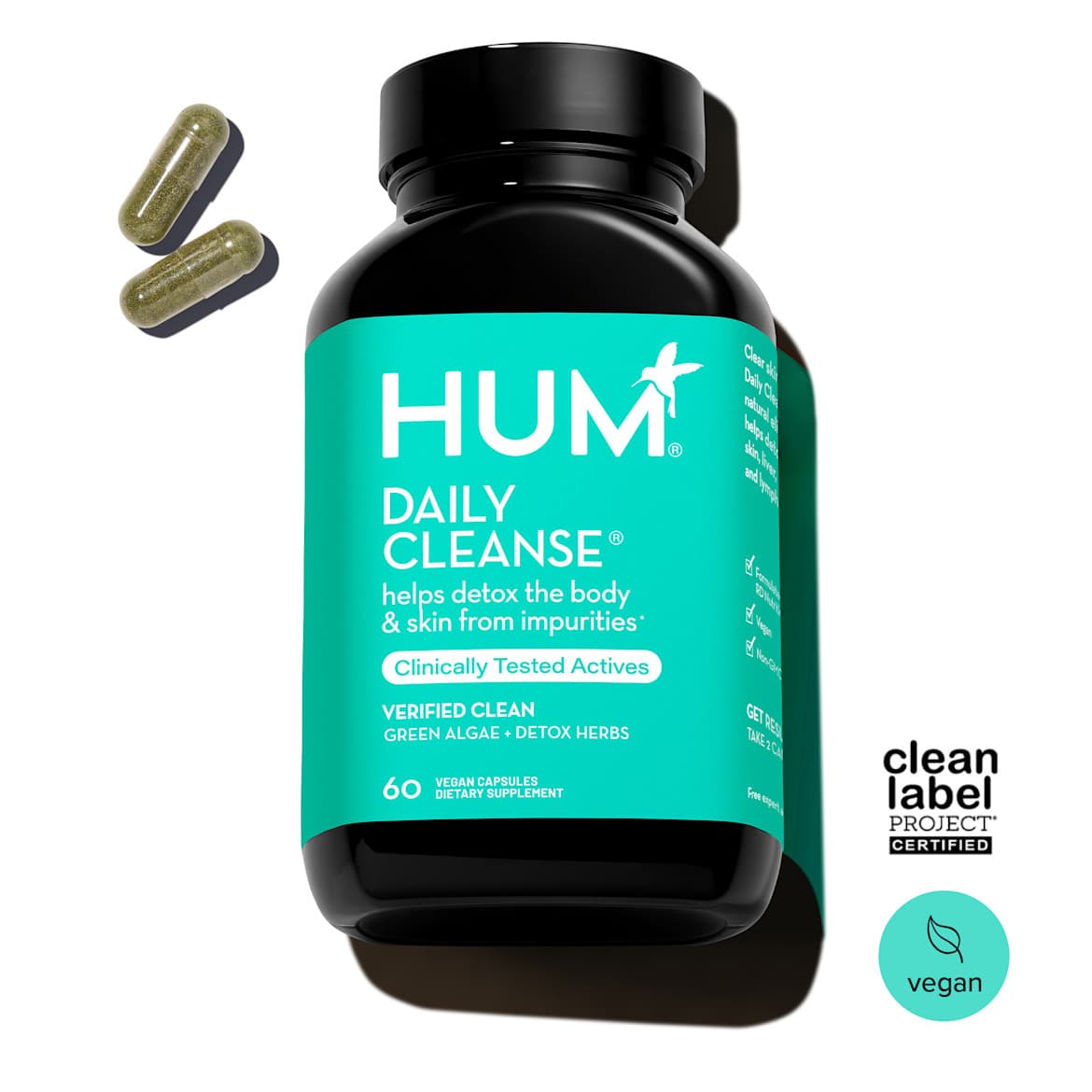 Verified by IngredientMD
The panel on the left is the one we evaluated, line by line.
All 15 actives checked against the clinical evidence: dose, form, and what the research actually shows.
Doses, ratios, and how the ingredients work together. That assessment is the verdict above: "Strong evidence, strong dose".
The verdict is public and identical whether or not a brand pays. A formula that does not clear the bar gets nothing.
Read by the engine against 2.1 million data points from clinical trials, PubMed and more than a hundred vetted sources. No individual reviewer is named or implied.
Cross-checked against 1,787 documented interactions for these actives.
Public health figures the engine matched to this formula's ingredients. Reported by their source, cited and dated, never written by the brand.
About 15% of US adults
take in less zinc than the estimated average requirement.
Peer-reviewed analysisAbout 24% of US girls aged 14 to 18
take in less copper from food and drink than the estimated average requirement.
NHANESMeta-analysis, 2026
Pooling four trials in 1,109 older women, green tea, whose main compound is EGCG, lowered total cholesterol by about 7 mg/dL, with no detectable change in weight or blood sugar.
European Journal of NutritionMeta-analysis of randomized controlled trials, 2017
Across 19 trials in 797 people, chlorella lowered the top blood pressure number by about 4.5 points and the bottom by about 1.6 points.
Clinical NutritionMeta-analysis, 2024
Across pooled trials, daily spirulina lowered blood pressure in adults, cutting the top number by about 4.4 and the bottom number by about 2.8.
Phytotherapy ResearchSystematic review and dose-response meta-analysis, 2022
Across 10 trials in 539 adults, chlorella lowered total and LDL cholesterol by about 7.5 and 7.7 mg/dL, with no clear change in triglycerides or HDL.
Complementary Therapies in MedicineRandomised trial, 2016
During a repeated dietary cholesterol challenge in adults, chlorella held the rise in total cholesterol to 3.5 percent versus 9.8 on placebo, and LDL to 1.7 versus 14.3 percent.
Nutrition JournalRandomised trial, 2015
In a two-year trial in women at midlife, a red clover extract lowered LDL cholesterol by 12 percent versus 2 percent on placebo.
European Journal of Clinical NutritionRandomised trial, 2025
In 36 women doing 8 weeks of aerobic exercise, spirulina supplementation was linked to changes in liver measures and body composition across the study groups.
Biological Research for NursingMeta-analysis, 2023
Across 20 trials, spirulina lowered LDL cholesterol, total cholesterol, and triglycerides by a similar amount each, and modestly raised HDL cholesterol.
Pharmacological ResearchMeta-analysis, 2026
In adults with raised liver fat, chlorella lowered body weight by 1.6 kg and improved blood sugar and cholesterol, but the evidence was rated very low quality.
BMC Cardiovascular DisordersMeta-analysis, 2026
Across 63 trials, alpha-lipoic acid lowered fasting blood glucose by about 5.3 mg/dL and body weight by about 0.6 kg, with no detectable change in blood pressure or LDL.
Nutrition, Metabolism and Cardiovascular DiseasesMeta-analysis, 2025
Across 23 studies in 1,035 overweight adults, spirulina alone lowered body weight, total cholesterol, triglycerides, and LDL, and raised HDL, while blood sugar measures moved little.
Frontiers in NutritionRandomised trial, 2025
In 60 men doing 8 weeks of circuit resistance training, spirulina was linked to a lower hunger-signaling hormone, less reported appetite, and shifts in energy measures.
HormonesMeta-analysis, 2025
Comparing interventions for elevated liver fat, lifestyle change ranked ahead of supplement options, with silymarin among the supplements showing smaller improvements in liver measures.
Asia Pacific journal of clinical nutritionRandomised trial, 2025
Tracking the rise and fall of markers after exercise, methylsulfonylmethane blunted the post-exercise increase in oxidative stress and inflammation markers.
NutrientsMeta-analysis, 2020
Across 18 trials, alpha-lipoic acid lowered body weight by about 2.3 kg, and across 21 trials it lowered BMI by about 0.5 kg/m2.
International Journal of Clinical PracticeRandomised trial, 2012
Ten days of methylsulfonylmethane lowered markers of exercise-induced muscle damage and raised total antioxidant capacity in untrained men.
The Journal of sports medicine and physical fitnessRandomised trial, 2026
In a trial of 40 soccer players over 8 weeks, combined probiotic and spirulina supplementation was linked to greater gains in performance and recovery measures than placebo alone.
Probiotics and Antimicrobial ProteinsMeta-analysis, 2024
Across 10 trials in people with excess body weight, adding green tea to exercise training gave a small extra drop in body weight and fat beyond exercise alone.
Journal of the International Society of Sports NutritionMeta-analysis, 2018
Across 24 trials in people with metabolic conditions, alpha-lipoic acid was linked to lower fasting glucose, with a standardized effect of -0.54, plus lower insulin resistance, triglycerides and LDL cholesterol.
MetabolismRandomised double-blind placebo-controlled trial, 2016
In adults with elevated liver fat, 1.2 g/day of Chlorella vulgaris for 8 weeks lowered fasting blood glucose relative to placebo (between-group P = 0.014).
Clinical NutritionMeta-analysis, 2016
Zinc acetate lozenges cut cold symptom length by about 2.7 days, versus a roughly seven day average, across three pooled trials.
British Journal of Clinical PharmacologyMeta-analysis, 2024
Across six trials in 739 women, zinc lowered menstrual discomfort scores, with bigger drops after eight weeks or more, even at doses as low as 7 mg daily.
NutrientsMeta-analysis, 2014
Across 13 trials, green tea catechins lowered systolic blood pressure by about 2.08 mmHg and diastolic by about 1.71 mmHg compared with control.
European Journal of NutritionMeta-analysis, 2011
Pooling 20 trials in 1,415 people, green tea catechins lowered LDL cholesterol by about 5.3 mg/dL and total cholesterol by about 5.5 mg/dL, with no detectable change in HDL or triglycerides.
Journal of the American Dietetic AssociationMeta-analysis, 2018
Across twelve randomized trials in 1,284 women at midlife, red clover isoflavones lowered total cholesterol by about 12.3 mg/dL and LDL cholesterol by about 10.6 mg/dL versus placebo.
ClimactericRandomised trial, 2026
In 130 healthy adults taking a liquid blend of turmeric, dandelion, milk thistle and ginger twice daily for 180 days, ALT, AST, ALP and GGT improved more than with placebo (p at or below 0.001), so the dandelion contribution on its own cannot be separated out.
Frontiers in NutritionMeta-analysis, 2025
Across 29 randomised trials in 1,583 people, edible algae including chlorella lowered systolic blood pressure by about 2.1 mmHg and diastolic by about 1.9 mmHg, with doses above 3 g a day and whole algae showing the larger effect.
Journal of Human Nutrition and DieteticsRandomised trial, 2011
In adults with age-related knee joint wear, the authors reported improvement in self-reported symptom and function scores with supplementation compared with placebo, while noting the effect size was small.
BMC Complementary and Alternative MedicineMeta-analysis, 2025
Pooling silymarin trials, the review found liver enzyme readings improved on average and that the size of the change tracked with the dose and the length of use.
BMC complementary medicine and therapiesMeta-analysis, 2022
In adults with elevated liver fat, a class of polyphenol supplements that included silymarin lowered circulating ALT and AST compared with control, with tolerability similar to control.
Frontiers in immunologyMeta-analysis, 2026
In adults with metabolic risk factors, selenium supplementation was linked to small changes in blood lipid and inflammatory markers, with results varying between trials.
Meta-analysisMeta-analysis, 2018
Across 18 trials in adults with metabolic conditions, alpha-lipoic acid was linked to lower levels of an inflammation marker, with an effect size of -1.52, plus two related inflammation markers.
Nutrition & MetabolismMeta-analysis, 2025
Across 38 trials, green tea lowered an oxidation marker by 0.40 micromol per litre and raised several antioxidant markers, while inflammation markers showed no detectable change.
Journal of Nutritional ScienceMeta-analysis, 2019
Across 13 trials, selenium increased activity of an antioxidant enzyme and overall antioxidant capacity, and lowered a marker of fat oxidation in the blood.
HormonesMeta-analysis, 2024
Across 59 trials in 3,802 people, green tea extract lowered body mass, BMI and body fat, and raised antioxidant capacity, with no detectable change in several hormone markers.
British Journal of NutritionSystematic review, 2026
Systematically compares selenium supplementation strategies and reports tissue selenium retention across the forms used.
Poultry ScienceRandomised trial, 2025
In a trial of postmenopausal women, gut bacteria patterns, including the ability to produce equol, differed between groups given a polyphenol supplement, patterns rather than health outcomes.
NutrientsRandomised trial, 2024
Beet supplementation reduced the post-exercise inflammatory marker response compared with control. Markers, not performance outcomes, were the measure.
Frontiers in NutritionRandomised trial, 2026
Beetroot nitrate supplementation raised markers of nitric oxide activity and shifted oxidative and inflammatory biomarkers in amateur athletes.
NutrientsMeta-analysis, 2025
Pooled analysis of selenium supplementation reports changes in selenium status and in inflammatory and oxidative markers in the population studied.
International Urology and NephrologyMeta-analysis, 2021
Pooling eight trials, red clover isoflavones cut the daily number of hot flushes by about 1.73 per day versus placebo.
NutrientsMeta-analysis, 2018
Pooling trials, selenium raised the share of motile sperm by about 3.3 percentage points, with a smaller rise in normally shaped sperm and a higher sperm concentration.
Advances in NutritionMeta-analysis, 2025
Pooling five randomised trials in 250 men, alpha-lipoic acid raised total sperm motility by about 13 percentage points and progressive motility by about 12, while sperm concentration and semen volume showed no detectable change.
International Brazilian Journal of UrologyMeta-analysis, 2024
Pooled trials found dietary nitrate supplementation improved high intensity cycling sprint performance in recreationally active people by a small margin.
NutrientsSystematic review, 2025
Reviewing human trials in older adults, beetroot juice was linked with improvements in physical performance measures and some cognitive measures.
NutrientsRandomised trial, 2026
Beetroot juice added to blood flow restriction training was reported to enhance lower limb strength and vascular measures beyond training alone.
Journal of the International Society of Sports NutritionMeta-analysis, 2025
Across four trials in women of reproductive age, zinc lowered premenstrual symptom scores, with the biggest gain in mood and a smaller, less certain gain in physical symptoms.
Women and HealthRandomised trial, 2021
A polyphenol plus methylsulfonylmethane supplement was associated with altered immune and damage-signalling marker responses to an exercise challenge. These are blood markers, not clinical endpoints.
Frontiers in PhysiologyMeta-analysis, 2026
Pooled trials with a standard certainty rating found red clover reduced the frequency of hot flushes in older women compared with placebo.
European journal of obstetrics, gynecology, aClinical trial, 2009
In a pilot study of 17 volunteers, a fresh dandelion leaf extract increased urination frequency in the 5 hours after the first dose and raised the urine output to fluid intake ratio after the second dose, with no change after the third.
Journal of Alternative and Complementary MedicineMeta-analysis, 2025
Pooling the randomised evidence, the review reports reductions in circulating thyroid autoantibody concentrations with selenium supplementation.
MedicineRandomised trial, 2023
A fermented red clover isoflavone preparation was tested against placebo for urinary urgency symptoms in postmenopausal women, with the authors reporting symptom-scale changes over the trial period.
NutrientsRandomised trial, 2021
Adding a glucosamine, chondroitin and MSM supplement to jaw joint care produced no detectable added improvement in reported outcomes, a failure to detect a difference rather than evidence of none.
Journal of Cranio-Maxillo-Facial SurgeryMeta-analysis, 2026
Pooling randomised trials in adults, zinc had a small effect on body weight and waist circumference and no detectable effect on body mass index, fat mass, fat-free mass or adipokine levels, and the authors call the size of the changes minor.
Biological Trace Element ResearchMeta-analysis, 2024
Across 10 trials in 529 participants, alpha-lipoic acid showed no detectable effect on the blood markers ferritin, serum iron, haemoglobin or total iron binding capacity, with a higher haemoglobin reading only in longer trials and selected subgroups.
International Journal for Vitamin and Nutrition ResearchRandomised trial, 2026
A single dose of beetroot juice did not produce a detectable improvement in sprint performance or neuromuscular function in trained men.
Journal of the International Society of Sports NutritionSystematic review and meta-analysis, 2016
In children older than six months, zinc may shorten a bout of diarrhea by about half a day across nine trials, on low certainty evidence.
Cochrane Database of Systematic ReviewsMeta-analysis, 2011
Across 36 studies in children under five, zinc modestly increased height growth, adding roughly 0.37 cm at about 10 mg a day for 24 weeks.
BMC Public HealthPopulation figures from public health data. Context for the category, not a statement about any individual and not a claim about this product.
Each line below was derived from this formula's own record at the time of verification. Nothing here was written by the brand, and nothing can be added that the evidence does not carry.
One pairing in this formula has been studied as a combination in human trials. Each finding below is what a named study measured, cited and dated, never written by the brand.
In a two-year trial in older adults, zinc taken together with selenium improved the antibody response to influenza vaccination.
Research strength. Research strength says how much work stands behind the combination. It is never a product score.
Fail closed. Where actives were studied on their own rather than together, each shows on its own evidence, never a combined effect no trial measured.
Independent record. Every finding is cited to a named trial, dated, and never written by the brand.
Findings from trials that studied these actives as a combination. Context for how the actives were tested together, not a statement about any individual and not a claim about this product.
Time-to-effect windows the engine read from the trial record. Each is a window a named study measured, cited and dated, never written by the brand.
Across three randomised placebo-controlled trials pooled as individual patient data (199 adults with naturally acquired colds, 80 to 92 mg of elemental zinc a day as acetate lozenges), 70 percent of the zinc group had recovered by day 5 against 27 percent on placebo, and colds ran 2.73 days shorter against a 7 day average duration. A separate meta-analysis of seven lozenge trials (575 participants, doses above 75 mg a day, zinc acetate or zinc gluconate) measured cold duration 33 percent shorter, with no significant difference between the two salts.
In a controlled feeding study in nine healthy men, six weeks of restricted zinc intake raised DNA strand breaks in peripheral blood cells, and four weeks of repletion at 11 mg a day, with 20 mg of supplemental zinc for the first seven days, reversed the rise. In a separate randomised placebo-controlled trial in 40 Ethiopian women eating a high-phytate diet, 20 mg a day of zinc sulfate for 17 days lowered mean comet tail moment from 39.7 to 30.0 while plasma zinc did not change significantly. Both windows were measured on a DNA damage marker in blood cells, not on a symptom.
In a 12 week randomised double-blind placebo-controlled trial in 119 healthy UK adults aged 50 to 64, mean plasma selenium rose from 95.7 ng/mL at baseline to steady state by week 10, reaching 118.3, 152.0 and 177.4 ng/mL on 50, 100 and 200 micrograms a day of selenium-enriched yeast. Plasma selenoprotein P rose in every selenium arm. Platelet glutathione peroxidase activity did not change significantly at any dose or form.
In an 8 week pilot with a parallel placebo group, 8 young women taking 2 mg of copper a day as copper glycinate showed a 9 percent mean rise in serum ceruloplasmin and a 75 percent rise in diamine oxidase, alongside a 39 percent fall in plasma F2-alpha isoprostanes. Erythrocyte copper-zinc superoxide dismutase did not change. In a separate 4 week double-blind crossover in 20 men with moderately high cholesterol at the same 2 mg a day, copper moved no measure across the whole group and raised superoxide dismutase and diamine oxidase only in the 10 men who started below the median. Both are small and both measured enzymes in blood, not a symptom.
In a randomised crossover trial, twenty healthy trained cyclists took 6 g of spirulina daily for 3 weeks. After that period, heart rate during a graded cycling test at simulated altitude was lower than after placebo, and red cell distribution width had risen.
In a randomised placebo-controlled trial, healthy elderly adults consumed 8 g of spirulina daily for 16 weeks. Over that window, plasma cholesterol in the men shifted downward and antioxidant capacity and immune variables changed relative to placebo.
In a 12-week randomised, double-blind, placebo-controlled trial, 80 middle-aged adults with self-reported memory complaints took heat-treated green tea extract or placebo. The extract group showed a greater improvement in a standardised composite memory score at week 12, alongside increased functional connectivity within the default mode network on imaging. One trial of 80 people, in a population with subjective complaints rather than measured impairment.
In an open-label randomized crossover study, 24 healthy adults took single 600 mg doses of racemic alpha-lipoic acid in different oral forms, and both enantiomers were absorbed rapidly, with median time to peak plasma concentration between 0.33 and 0.5 hours and blood sampling complete by 8 hours.
Windows measured in the cited trials. Context for how the active behaves over time, not a statement about any individual and not a claim about this product.
12 ingredients, from each one's own page.
Blood zinc moves within days. The parts you would notice, skin behaviour and immune resilience, take four to twelve weeks of steady daily intake.
No felt onset. Plasma selenium and glutathione peroxidase activity rise over three to six weeks of daily intake and then plateau once the enzyme pool is filled.
The enzymes that need copper get their supply within days. The change shows on a blood panel rather than in how you feel, and any felt difference takes weeks.
There's no acute effect to time. Where intake has been low, enzyme activity responds over weeks, and it reads on a laboratory measure rather than in how you feel.
Green stools turn up with the first few doses. Changes in nutrient markers are read on a blood panel after roughly eight to twelve weeks of daily use.
Give it four to eight weeks. Lipid and oxidative stress markers move in that window, and any change in daily energy arrives gradually rather than as a lift.
Joint comfort studies report change across two to twelve weeks of daily use, with most of the movement landing in weeks four to eight rather than in the first days.
The leaf's effect on urine output shows within hours. The bitter response lands at the meal itself, and digestive comfort from daily use settles over one to two weeks.
Blood nitrite peaks two to three hours after a dose, which is the window trials use before exercise. Blood pressure work reads out over one to two weeks of daily use.
Digestive changes tend to show up within a week or two. Anything to do with skin is slower, usually four to eight weeks of daily use before it's visible.
There's no same-day sensation. Liver enzyme readings are where change shows, and the trials that saw movement ran eight to twelve weeks of daily use.
With caffeine still in, alertness lifts inside an hour. The catechin effects on body composition and lipid markers are measured across 8 to 12 weeks in trials.
How each ingredient usually behaves over time, from its own page on IngredientMD. General timing for the ingredient, not a measurement of this product.
What each form is, and where it fits in a formula. Measured findings carry the study that reported them.
The potassium salt of hydroiodic acid, a white crystalline solid that is roughly three-quarters iodide by weight and dissolves readily in water.
Shade-grown leaf stone-ground whole, so nothing is extracted away: catechins, caffeine, theanine, chlorophyll and leaf fibre are all present in their leaf proportions.
A 50:50 mixture of the R and S enantiomers of lipoic acid, sold as the free acid. The same molecule is also labelled thioctic acid.
In an open-label four-way crossover in 24 adults, a racemic solution produced higher peak plasma concentrations of both enantiomers than the 200, 300, and 600 mg tablet forms.
Descriptions of the form itself, read from the cited studies. Not a comparison between products and not a statement about any individual.
It is a capsule, so the amount per serving is fixed and travels without measuring.
Because the effect builds and holds only with continued daily use, a steady recurring supply is the practical way to keep it going.
Put an earned verification on your own product page.
These statements have not been evaluated by the Food and Drug Administration. This product is not intended to diagnose, treat, cure, or prevent any disease. This record is not medical advice. Always consult your healthcare provider before starting any supplement regimen.