Dandelion.
That weed in your yard is actually a well-studied digestive and liver support herb with natural diuretic properties. Root: stimulates bile production and liver detox enzymes. Leaf: acts as a gentle diuretic that preserves potassium. Both parts have anti-inflammatory properties.
Reviewed March 2026
- Category
- Herb
- Also filed under
- Natural gentle diuretic (leaf)Supports liver and bile function (root)Digestive bitter that aids digestion
What Dandelion is, and what it does.
- Does it work
- Well-documented traditional use with plausible mechanisms. Some clinical support. Genuinely helpful for digestion and mild water retention.
- How much to take
- 500-2000 mg root extract for liver support. 1-3 g dried leaf for diuretic effect. Tea from either part is traditional and effective.
- Time to feel it
- The leaf's effect on urine output shows within hours. The bitter response lands at the meal itself, and digestive comfort from daily use settles over one to two weeks.
- The first dose
- Leaf: increased urination within hours. Root: bile stimulation occurs quickly, may notice easier digestion.
- With regular use
- Regular use supports liver function and digestive comfort. Well-tolerated for long-term daily use.
- How well tolerated
- Well tolerated. Caution with lithium (diuretic effect may increase lithium levels) and ragweed allergies (cross-reactivity).
- How it feels
- Gentle. More frequent urination, slightly better digestion, maybe less bloating. Nothing dramatic.
- The overlooked benefit
- The root is largely inulin-type fructan, so it feeds the colon bacteria that make short-chain fatty acids. Roasting it for coffee lowers that fraction.
500 to 2,000mg a day is where Dandelion works.
Source: Clare BA et al. Int J Mol Sci. 2009;10(5):2348-2361
The proof, claim by claim.
These words describe the research, not the molecule's worth. Research strength is how much work stands behind one claim, and it is never a product score.
- Acts as a natural diuretic
- Supports liver function
- Potassium-sparing diuretic
Questions people ask about Dandelion.
- Should I use root or leaf?
- Root for liver support and bile production. Leaf for diuretic effect. They have different active compounds and different traditional uses. Some products combine both.
- Can I harvest dandelions from my yard?
- Only if your yard hasn't been treated with pesticides, herbicides, or chemical fertilizers. And not near busy roads (exhaust contamination). If it's clean land, absolutely. Free medicine.
- Is dandelion 'root coffee' actually good?
- It's different from real coffee. Roasted dandelion root has a bitter, earthy flavor. Some people enjoy it, especially with a bit of cream. It has zero caffeine, so don't expect a coffee-like energy boost.
- Will this make me pee a lot?
- The leaf has a mild diuretic effect. You'll urinate a bit more frequently, but it's not dramatic. Nothing like a pharmaceutical diuretic.
- Is this safe during pregnancy?
- Traditional use suggests the leaf as a gentle diuretic is generally well tolerated, but talk to your healthcare provider. Some sources recommend avoiding concentrated root extracts during pregnancy.
- Does dandelion really detox the liver?
- It stimulates bile production and supports liver enzyme activity. 'Detox' is an overused word, but the liver support function is real and documented.
Why these belong in the same formula. Each row says what the basis is, from settled biochemistry through to a trial that measured the pair.
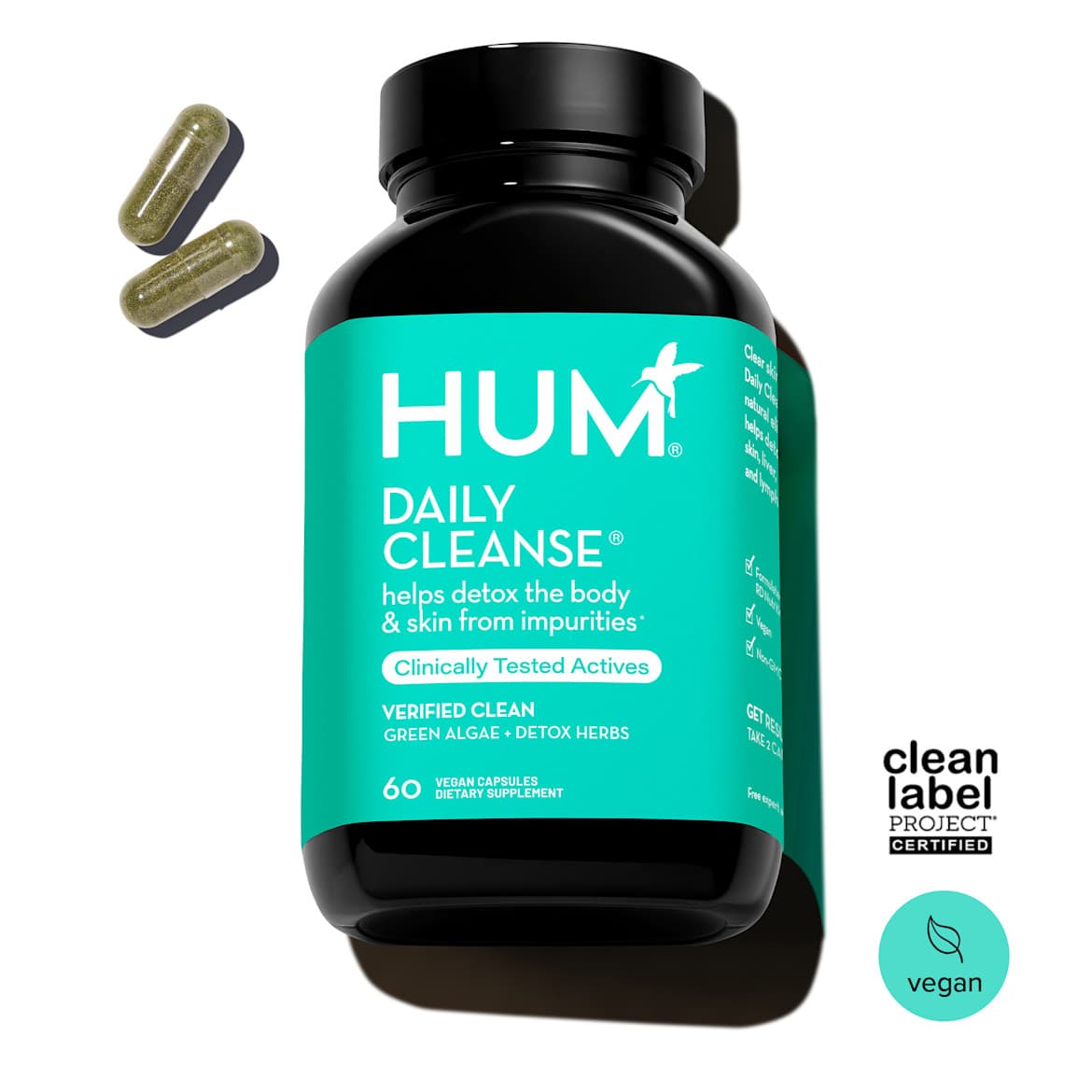
Both are bitters associated with bile flow, dandelion through sesquiterpene lactones such as taraxacin and artichoke through cynarin and caffeoylquinic acids. Bile output supports the normal emulsification of dietary fat, so the two act on the same step by different constituents.
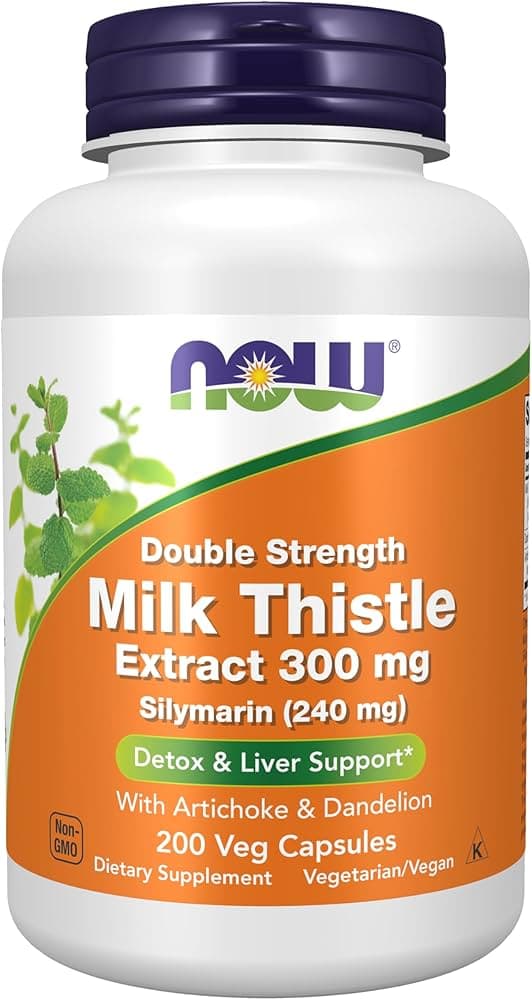
Dandelion acts on the secretory side by promoting bile flow, while silymarin acts inside the liver cell, stabilising membranes and supporting glutathione status. The two occupy different points of normal liver function.
Dandelion root carries a large fraction of inulin, a fructan human enzymes cannot digest, so it arrives intact in the colon and is fermented by resident bacteria into short-chain fatty acids. That makes it a prebiotic substrate alongside a Lactobacillus culture.
Dandelion leaf is associated with increased urine output, and urine flow carries potassium with it. The leaf itself is unusually potassium-dense, which is the traditional reason that plant part is chosen.
Dandelion root is one of the classic dietary sources of inulin-type fructans, which pass undigested to the colon and are fermented to short-chain fatty acids. Adding inulin extends the same fermentable substrate.
Silymarin acts on hepatocyte membranes and glutathione handling while dandelion's sesquiterpene lactones act as bitters that raise bile flow. Two different points of the same route.
Boldine and the boldo alkaloids raise bile secretion, the same functional endpoint dandelion bitters reach through taste-receptor signalling.
Barberry root supplies berberine and other protoberberine alkaloids that raise bile secretion and act on gut microbial balance. Combined with dandelion it adds a second bitter route to the same secretory response.
Curcuminoids raise bile output and gallbladder contraction, and dandelion bitters push the same direction through bitter-taste receptor signalling.
Ginger speeds gastric emptying and antral motility while dandelion acts on bile secretion further downstream. The pairing addresses two different points of the same digestive sequence.
Fennel's anethole relaxes intestinal smooth muscle and eases gas retention, which is the standard counterweight to a stimulating bitter.
Menthol blocks calcium entry into intestinal smooth muscle and relaxes the sphincter of Oddi, easing passage of the bile dandelion bitters stimulate.
Schisandra lignans act on hepatic phase I and phase II enzyme expression while dandelion works on bile secretion and flow. One shifts conjugation capacity, the other the exit route.
Dandelion is rich in phenolic acids and tannin-like polyphenols that bind non-heme iron into poorly absorbed complexes. An iron dose is taken apart from a dandelion extract for that reason.
Dandelion is used traditionally for its effect on urine output, and renal water loss carries cations with it. Magnesium is among the minerals lost in urine, so a diuretic effect and a magnesium repletion goal work against each other to some degree. The direction is established renal physiology. The size of the loss with dandelion specifically has not been measured.
Water follows sodium in the nephron, so a substance that increases urine volume is usually acting on sodium reabsorption. That makes sodium status the thing to watch alongside dandelion rather than a nutrient to add blindly. Reported as renal physiology. Human data on dandelion's diuretic effect is limited to small preliminary work.
Two things run in opposite directions here: the leaf contributes dietary calcium, while any diuretic effect increases urinary calcium excretion. Which dominates depends on dose and on whether leaf or root is used. Stated as a modulating relationship because the net direction is not established.
In an animal model of aflatoxin exposure, dandelion's protective effect on liver stress markers was associated with activation of antioxidant defence signalling, a pathway that depends on glutathione availability. NAC supplies the rate-limiting substrate for that glutathione pool. The animal finding grounds the pathway. It is not human evidence, and the pair has not been tested together.
Dandelion's hepatic effects in rodent work were associated with activation of antioxidant response signalling rather than with direct radical scavenging. Downstream, that signalling raises glutathione synthesis and glutathione-dependent enzyme capacity. The mechanism comes from animal data and describes a pathway, not a demonstrated human effect.
Phase II conjugation capacity is the downstream target both ingredients are proposed to act on, one through isothiocyanates and one through its flavonoid and sesquiterpene lactone content. The pairing is a mechanistic construction with animal data on one side and none on the pair. Early confidence is the honest label.
Work in broilers isolated dandelion flavonoids as the fraction that modulated inflammatory signalling under an immune challenge, which points to flavonoids as a substantial part of what the plant does. Quercetin is a defined flavonol with overlapping described actions. Combining them layers similar chemistry rather than adding a separate mechanism, and the dandelion flavonoid data is from poultry.
Luteolin appears in the flavonoid profile of dandelion, so supplying it separately raises the concentration of a compound the plant already contributes. That is a dose relationship, not two independent mechanisms. Worth flagging so a formula does not count the same chemistry twice.
Both are polyphenol-dense botanical extracts described as acting on antioxidant response signalling. The relevant caution is the other direction: concentrated green tea catechin extracts carry documented reports of hepatic reactions at high doses, so stacking two extracts that are both promoted for liver-directed use warrants dose restraint rather than enthusiasm.
Caffeic acid, a phenolic acid present in dandelion, forms a covalent adduct with cysteine thiols, and that adduct was identified and characterised for antioxidant behaviour in a meat product system. The chemistry means a co-present thiol can change what the phenolic fraction actually is. This was measured in a food matrix, not in a person, and it argues for attention to formulation rather than for a benefit claim.
Dandelion belongs to the bitter, bile-directed group of botanicals, and bile acids leave the liver conjugated to either taurine or glycine. Supplying taurine covers the conjugation substrate side while the botanical is aimed at flow. Established conjugation biochemistry. No combination trial and no verified human bile-flow measurement for dandelion.
Human bile is predominantly glycine-conjugated, so glycine availability sits directly in the pathway a bile-directed botanical is aimed at. The two cover different steps: substrate and flow. This is settled biochemistry stated as such, not an effect measured for the pair.
Bitter botanicals are used to encourage bile secretion, while ox bile supplies conjugated bile acids as such. Where the goal is fat emulsification the two arrive from different ends. Neither has been studied with the other, and dandelion's own effect on bile flow in people is not well characterised.
Dandelion root's bitter principles act on the gustatory and gastric phase of digestion, while betaine hydrochloride addresses gastric pH directly. Combining them is long-standing formulation practice in bitters and digestive blends. Traditional pairing rather than a trialled combination, and gastric acid support is not appropriate for everyone.
Bitter compounds work on the secretory response and enzymes act on the substrate directly, so the two sit at different points in the same process. Dandelion root is one of the classic bitters used this way. Grounded in formulation tradition, not in a combination study.
Roasted dandelion root is used as a chicory-style material precisely because it carries inulin-type fructans. Adding FOS supplies shorter chains of the same polymer family, which ferment faster and further up the colon. The overlap is the point to state: this is one substrate class at two chain lengths, not two mechanisms.
Because dandelion root already supplies fructans, a galactan-based prebiotic adds a substrate a different set of bacterial enzymes handles. Animal work in weaned rabbits and dairy goats reports shifts in gut or ruminal microbiota with dandelion in the diet, which is consistent with a fermentable fraction but is not human data. No study has combined the two.
The inulin-type fructans in dandelion root reach the colon intact and are fermented to short-chain fatty acids. Oral butyrate delivers the molecule directly rather than by fermentation. Same endpoint from two routes, worth flagging as overlap rather than presenting as independent.
Bifidobacteria hold beta-fructofuranosidase activity, which is why inulin-type fructans and bifidobacterial strains are paired. Dandelion root's fructan content makes it a substrate of that kind. The substrate-enzyme match is established. The specific combination with dandelion root has not been trialled in people.
Once a caffeic acid or flavonoid molecule donates a hydrogen atom it becomes a radical itself, and ascorbate can reduce it back. That recycling is why polyphenol and ascorbate mixtures behave differently from either alone in antioxidant assays. Assay-level chemistry, with no human outcome measured for this pair.
Tocopherol handles lipid peroxidation in membranes while dandelion's phenolics act in the aqueous phase. Ascorbate links the two by regenerating both. This describes an antioxidant network relationship rather than a clinical effect.
Dandelion flavonoids modulated inflammatory gene expression in broilers under an immune challenge, and dandelion flower extract has been reported to stimulate immune parameters in fish. Elderberry is used for immune support on separate grounds. Both bodies of evidence are non-human or preliminary, and the pair has not been studied, so this is a formulation pairing at early confidence.
Dandelion appears in combined herbal and probiotic preparations in poultry work, and astragalus is another of the botanicals used in that space. Their pairing rests on traditional formulation and animal feed studies, not on human evidence. Labelled early for that reason.
Work in broilers combined probiotic and herbal supplementation and reported growth and innate immunity endpoints, and separate rabbit and goat studies report microbiota shifts with dandelion. Those are animal production studies, and S. boulardii specifically was not the organism tested. Early, and offered as a plausible formulation pairing only.
Talk to a doctor before taking Dandelion if any of these apply to you: May interact with lithium and some diuretic medications, Allergic reactions possible (ragweed family). These are flags to check first, not effects Dandelion is known to cause.
Not medical advice. Show the label to your pharmacist.What Dandelion actually does.
Root and leaf are not interchangeable, and the label should say which one is in the bottle.
The root's main carbohydrate is a fibre people cannot digest, so gut bacteria ferment it instead.
The leaf itself brings potassium, which matters when talking about extra urine output.
More urine means more minerals leaving too.
Where Dandelion comes from.
Dandelion is split into root, leaf and flower because each contains different things. The material is dried, sometimes roasted, and often extracted with water or alcohol. Each of those choices changes what ends up in the bottle, which is why the plant part and the extract type are worth reading on the label.
Made from a plant. What ends up in the capsule tracks the harvest, so batch testing and a stated marker matter more here than with a made molecule.
Cultivated or wild-collected. Root, leaf and flower are separated because their constituent profiles differ, and harvest season changes root fructan content substantially. Wild collection also raises the question of the growing site, since the plant takes up soil contaminants.
Roots are washed free of soil and leaves are sorted. The separation is what makes a root product a root product. Where parts are mixed, the finished profile is intermediate and harder to specify.
Low-temperature drying preserves fructans and heat-labile phenolics. Roasting, used only for root, generates the coffee-like character while caramelising fructans and reducing intact inulin. The two routes give different materials for different purposes.
Hydroethanolic extraction recovers sesquiterpene lactones and phenolics. Hot water favours fructans, phenolic acids and minerals. The solvent chosen determines which constituent class ends up concentrated.
Botanical identity is confirmed to species, which matters because T. officinale and T. mongolicum both appear in the literature. Extracts may be specified on a phenolic marker such as chlorogenic or caffeic acid, or on extract ratio alone. Heavy metal and pesticide testing applies to any root material.
Sized and formatted for tea, capsules, tablets or liquid.
Many labels say only "dandelion" without naming the part, the species or the extraction solvent, and each of those changes the constituent profile.
Getting Dandelion from food.
The whole-food sources on file. A supplement closes the gap, it does not replace dinner.
A gram-for-gram figure (how much of each you would eat to match a dose) will appear here once it is sourced and reviewed. This page will not print a number it cannot cite.
The forms it comes in.
The essence, in one line each.
- In a pilot study of 17 volunteers, a fresh dandelion leaf extract increased urination frequency in the 5 hours after the first dose and raised the urine output to fluid intake ratio after the second dose, with no change after the third.Clinical trial. Clare et al., 2009 (Journal of Alternative and Complementary Medicine). PMID 19678785 ↗
- In 130 healthy adults taking a liquid blend of turmeric, dandelion, milk thistle and ginger twice daily for 180 days, ALT, AST, ALP and GGT improved more than with placebo (p at or below 0.001), so the dandelion contribution on its own cannot be separated out.Randomised trial. Patel et al., 2026 (Frontiers in Nutrition). PMID 41659807 ↗
- Dandelion reduced markers of liver stress from aflatoxin B1 exposure in animals, and the authors associate the effect with activation of antioxidant response signalling rather than with direct radical scavenging.Animal study. Peng et al., 2025 (Toxicon). PMID 40404059 ↗
- Dandelion flavonoids modulated inflammatory and immune gene expression in broilers under an endotoxin challenge, identifying the flavonoid fraction as a substantial part of the plant's activity in that model.Animal study. Tian et al., 2026 (Poultry Science). PMID 41349486 ↗
- Dietary dandelion flower extract raised measured immune parameters and resistance to bacterial challenge in fish, an immunostimulatory signal in an aquaculture model.Animal study. Hosseini Shekarabi et al., 2021 (Fish and Shellfish Immunology). PMID 34506883 ↗
- Taraxacum mongolicum affected growth performance and the expression of tight junction genes in the animals studied, which is a barrier-related gene expression finding rather than a measured barrier function outcome.Animal study. Mao et al., 2022 (BMC Veterinary Research). PMID 35568942 ↗
- Akebia and dandelion in the diet were associated with changes in growth performance, inflammatory markers and gut microbiota composition in weaned rabbits. The two botanicals were given together so neither can be isolated.Animal study. Sun et al., 2025 (Veterinary Sciences). PMID 41295685 ↗
- Dandelion extracts shifted the ruminal microbiota and metabolome and altered systemic inflammatory markers in dairy goats on a high-concentrate diet. Ruminal fermentation has no direct human counterpart.Animal study. Mgeni et al., 2025 (Veterinary Sciences). PMID 41600684 ↗
- A caffeic acid-cysteine adduct was identified and characterised for antioxidant behaviour in a supplemented meat product, showing that a dandelion-type phenolic acid reacts covalently with thiols in a food matrix.In vitro study. Li et al., 2026 (Foods). PMID 42195976 ↗
- Participants taking a multi-ingredient ayurvedic nutraceutical showed changes in clinical laboratory parameters of liver function with acceptable tolerability. Dandelion is named among the components, so no effect can be attributed to it individually.Open-label trial. Messier et al., 2026 (Frontiers in Nutrition). PMID 41909037 ↗
These are the studies our verdict leans on, chosen from the 1,920 we read for Dandelion. The full linked list is below.
The studies, linked.
4 sources behind our Dandelion verdict: peer-reviewed studies and registered clinical trials. Every one links straight to PubMed, the journal, or ClinicalTrials.gov. Read them yourself.
- Clinical trialAnti-obesity Effects of Dandelion (Taraxacum Officinale L.) in Premenopausal Obese Women: Impacts on Appetite, Energy Intake and Lipid MetabolismClinicalTrials.gov ↗120 participants, Completed
- Clinical trialSynergistic Effects of Sesame Oil, Extra Virgin Olive Oil, Psyllium Extract, and Dandelion Extract on Cholesterol Gallstone Dissolution: An In Vitro Comparative Study Against Rowachol®ClinicalTrials.gov ↗55 participants, Completed
- ClinicalTrials.gov ↗
- Clinical trialHuman CT: Efficacy & Safety of MIGRA-ZEN RELIEF PLUS:Herbal Supp:Extracts Juniper Willow Goldenrod Dandelion Meadowsweet Whole Grape In Rx of Chronic Migraine Headache. Randomized, Double-Blind, Placebo Cont. Study P.II (PoC Study)ClinicalTrials.gov ↗Phase 2, 30 participants, Unknown
Evidence surfaced via Semantic Scholar (Allen Institute for AI) and ClinicalTrials.gov. Ranked by study type and citation weight, not cherry-picked.
Problems people have reported.
Read this carefully. These are 817 voluntary, unverified reactions reported to the FDA (openFDA). The number mostly reflects how popular Dandelion is, not how risky it is. A report is not proof Dandelion caused anything. It is a signal of what to watch for, nothing more.
Source: openFDA adverse-event reports. Voluntary reporting, not an incidence rate.
FDA Disclaimer: These statements have not been evaluated by the Food and Drug Administration. This information is for educational purposes only and is not intended to diagnose, treat, cure, or prevent any disease. Consult your healthcare provider before starting any supplement regimen.