
Vitamin ANHANES 2005 to 2016
About 45% of US adults
take in less vitamin A than the estimated average requirement.
Peer-reviewed analysisB-Complex is the lead active here. Zinc is the most studied active here, with 22 human studies behind it, each one cited. Each serving carries 15 mg of Zinc, inside the range the published research used. Who it fits: made for men, adults.
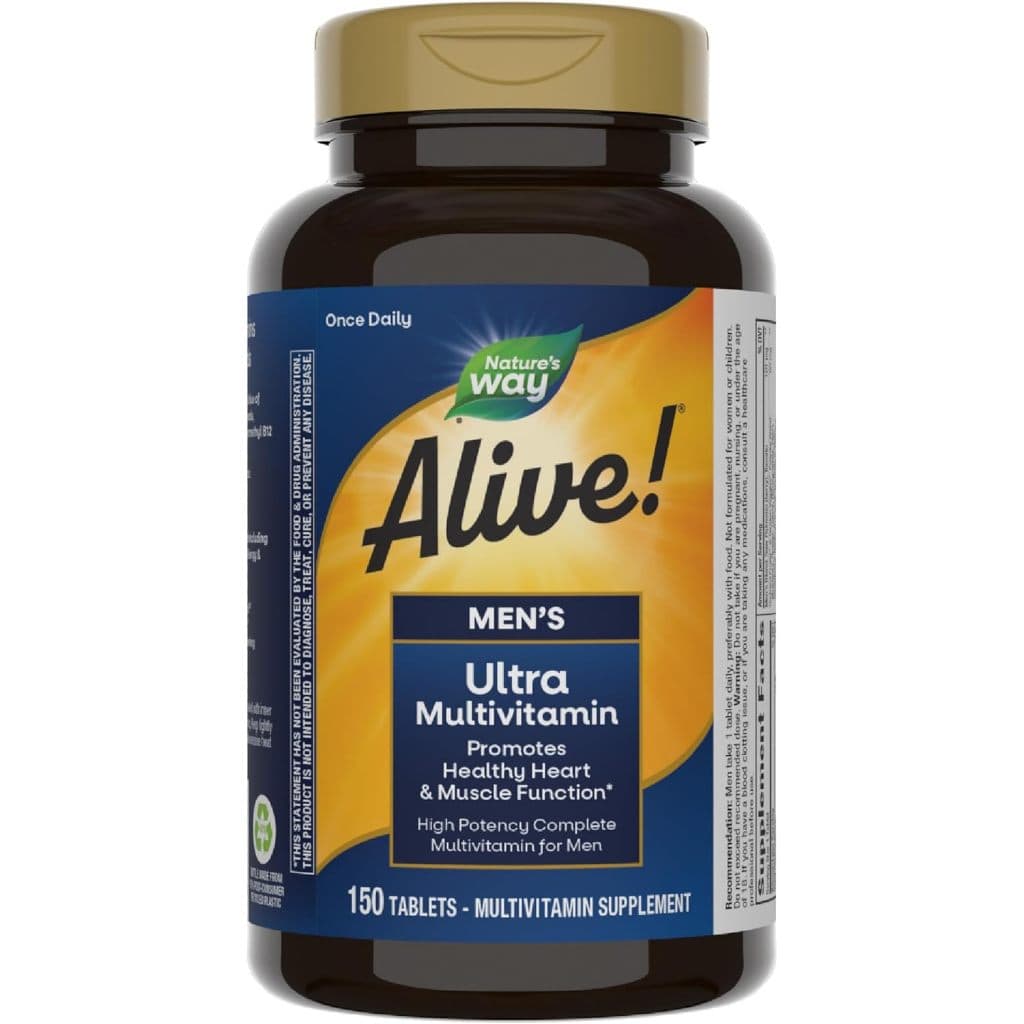 Verified by IngredientMD
The panel on the left is the one we evaluated, line by line.
All 9 actives checked against the clinical evidence: dose, form, and what the research actually shows.
Doses, ratios, and how the ingredients work together. That assessment is the verdict above: "Strong evidence, strong dose".
The verdict is public and identical whether or not a brand pays. A formula that does not clear the bar gets nothing.
Read by the engine against 2.1 million data points from clinical trials, PubMed and more than a hundred vetted sources. No individual reviewer is named or implied.
Cross-checked against 1,285 documented interactions for these actives.
Public health figures the engine matched to this formula's ingredients. Reported by their source, cited and dated, never written by the brand.
About 45% of US adults
take in less vitamin A than the estimated average requirement.
Peer-reviewed analysisAbout 46% of US adults
take in less vitamin C than the estimated average requirement.
Peer-reviewed analysisAbout 15% of US adults
take in less zinc than the estimated average requirement.
Peer-reviewed analysisAbout 57% of US men aged 19 to 30
take in less vitamin C from food and drink than the estimated average requirement.
NHANESAbout 52% of US men aged 19 and over
take in less vitamin C from food and drink than the estimated average requirement.
NHANES74% of US adults
take dietary supplements, and 55% are regular users, in the Council for Responsible Nutrition's 2023 consumer survey of 3,192 adults.
Council for Responsible Nutrition and Ipsos, 202392% of US supplement users
agree that dietary supplements are essential to maintaining their health, in the Council for Responsible Nutrition's 2023 consumer survey.
Council for Responsible Nutrition and Ipsos, 202312.3% of US adults
met the fruit intake recommendation and 10.0% the vegetable recommendation in 2019, in the Behavioral Risk Factor Surveillance System across 49 states.
CDC, MMWR, 202215% of US adults
aged 20 and over ate no breakfast on the day of their dietary recall, in the 2017 to March 2020 What We Eat in America survey.
USDA Agricultural Research Service, 202457.6%
During 2017 to 2018, 57.6% of US adults aged 20 and over reported using a dietary supplement in the past 30 days.
CDC National Center for Health Statistics60.2% of US adults aged 20 and over
took a dietary supplement in the past 30 days, and 38.7% took two or more, in the 2021 to 2023 National Health and Nutrition Examination Survey.
CDC National Center for Health Statistics, 202659 to 66 days
was the median time it took adults to make a new daily health habit automatic across the studies a 2024 review pooled, with individuals ranging from 4 to 335 days.
Systematic review and meta-analysis, 202461% to 74%
About 61 to 74 percent of adults refilling a long-term medicine on their own stopped within a year, versus 33 to 44 percent on one set pickup day.
Cohort study, 2015Meta-analysis, 2016
Zinc acetate lozenges cut cold symptom length by about 2.7 days, versus a roughly seven day average, across three pooled trials.
British Journal of Clinical PharmacologyCohort study, 2025
Habitual natto intake was associated with higher serum MK-7, greater osteocalcin carboxylation and higher measured bone density.
Frontiers in NutritionMeta-analysis, 2007
Across seven human studies, beta-carotene lessened UV-induced skin reddening, with protection appearing after about 10 weeks and rising roughly half a standard deviation for each extra month of use.
Photochemistry and PhotobiologyMeta-analysis, 2026
Across pooled trials, taking vitamin C was linked to better measured markers of recovery after exercise.
Clinical nutrition ESPENRandomised trial, 2026
Selenium-enriched yeast, whose main selenium species is selenomethionine, shifted gut microbial and mucosal measures.
Journal of Animal ScienceRandomised trial, 2024
No coagulation activation was detected after MK-7 supplementation in the population studied.
J Ren NutrSystematic review, 2026
Reviewing trials that combined sodium bicarbonate, cholecalciferol and protein, the authors reported small gains in muscle mass and muscle function measures, without isolating any single component.
Frontiers in NutritionMeta-analysis, 2021
Across trials in older adults, vitamin D alone showed no detectable change in fall risk, while vitamin D with calcium was linked to fewer falls, mainly in those starting with low vitamin D levels.
Clinical NutritionMeta-analysis, 2025
Taken together with vitamin E, vitamin C lowered oxidative stress markers in the blood and raised antioxidant capacity across trials, but the trials tested the pair, not vitamin C alone.
Frontiers in immunologyMeta-analysis, 2012
In head to head randomised trials, vitamin D3 raised blood 25-hydroxyvitamin D more than vitamin D2, with the gap clearest after a single large dose and less apparent with daily dosing.
The American Journal of Clinical NutritionMeta-analysis, 2025
Across combined trials, carotenoids were linked to small reductions in blood liver enzyme levels in adults, markers rather than clinical outcomes.
BMC complementary medicine and therapiesMeta-analysis, 2026
Across 8 pooled observational studies in 9,131 adults, people with higher lycopene in their blood had less thickening of the neck artery wall, an association, not a proven cause.
NutrientsMeta-analysis, 2026
A review of vitamin D supplementation and semen quality measures in men found effects on sperm markers, not proven reproductive outcomes.
PeerJMeta-analysis, 2025
Across pooled trials, taking selenium was linked to lower thyroid antibody levels in the blood, though results varied across trials and forms of selenium.
MedicineMeta-analysis, 2026
A review of pooled trials found vitamin C modestly lowered blood pressure in adults.
Food & functionMeta-analysis, 2025
Pooled trials of MK-7 supplementation examined body measurements, blood sugar indices and blood lipids, with effects that were small and inconsistent across studies.
Prostaglandins Other Lipid MediatRandomised trial, 2026
Reported that effects of MK-7 supplementation on body composition and adiposity markers differed between men and women.
NutrientsMeta-analysis, 2021
Across 28 mostly short trials in 1,574 adults with raised blood sugar, vitamin C lowered systolic blood pressure by about 6.3 mmHg, with a small, low-certainty 0.54 point change in a blood sugar marker.
The paperRandomised trial, 2025
Selenomethionine-enriched yeast was assessed in adults with underactive thyroid function, with the authors reporting changes in thyroid-related laboratory measures.
Archives of Razi InstituteMeta-analysis, 2026
Pooling trials in adult men, vitamin D supplementation showed no consistent change in total testosterone or androgen availability markers.
NutrientsMeta-analysis, 2026
Pooling randomised trials in adults, zinc had a small effect on body weight and waist circumference and no detectable effect on body mass index, fat mass, fat-free mass or adipokine levels, and the authors call the size of the changes minor.
Biological Trace Element ResearchRandomised trial, 2019
In a trial, selenomethionine changed thyroid antibody levels in the blood over time, though the researchers called the clinical relevance limited.
Journal of Clinical Pharmacy and TherapeuticsMeta-analysis, 2022
Pooling randomised trials, beta-carotene supplementation did not lower all-cause mortality, and the pooled estimate leaned toward higher risk rather than benefit.
Frontiers in medicineSystematic review and meta-analysis, 2016
In children older than six months, zinc may shorten a bout of diarrhea by about half a day across nine trials, on low certainty evidence.
Cochrane Database of Systematic ReviewsMeta-analysis, 2011
Across 36 studies in children under five, zinc modestly increased height growth, adding roughly 0.37 cm at about 10 mg a day for 24 weeks.
BMC Public HealthMeta-analysis, 2024
Across six trials in 739 women, zinc lowered menstrual discomfort scores, with bigger drops after eight weeks or more, even at doses as low as 7 mg daily.
NutrientsMeta-analysis, 2026
Across 11 trials in 992 women of reproductive age, vitamin D produced no detectable change in a blood hormone marker of ovarian reserve.
Frontiers in EndocrinologyCohort study, 2026
Described longitudinal height growth patterns in children receiving menaquinone-7 supplementation.
NutrientsMeta-analysis, 2025
Across four trials in women of reproductive age, zinc lowered premenstrual symptom scores, with the biggest gain in mood and a smaller, less certain gain in physical symptoms.
Women and HealthMeta-analysis, 2012
Across 29 trials, about 500 mg of vitamin C daily for 8 weeks lowered systolic pressure by about 3.8 points and diastolic by about 1.5 points versus control.
The American Journal of Clinical NutritionRandomised trial, 2007
Men taking 50 mg beta-carotene every other day for about 18 years scored modestly higher than placebo on cognitive and memory tests, though a year of use showed no difference.
Archives of Internal MedicineMeta-analysis, 2015
Across trials, vitamin C, 500 to 2000 mg daily, gave a small improvement in blood vessel function, greater in older adults, but not when combined with vitamin E.
British Journal of NutritionRandomised trial, 2001
A daily 6 mg beta-carotene capsule for 60 days significantly raised serum retinol in lactating women (P < 0.001), reflecting its conversion to vitamin A.
Journal of NutritionPopulation figures from public health data. Context for the category, not a statement about any individual and not a claim about this product.
Each line below was derived from this formula's own record at the time of verification. Nothing here was written by the brand, and nothing can be added that the evidence does not carry.
One pairing in this formula has been studied as a combination in human trials. Each finding below is what a named study measured, cited and dated, never written by the brand.
In a meta-analysis of eight randomized trials, vitamin K2 taken together with vitamin D raised total bone mineral density and lowered undercarboxylated osteocalcin, a marker of vitamin K status.
Research strength. Research strength says how much work stands behind the combination. It is never a product score.
Fail closed. Where actives were studied on their own rather than together, each shows on its own evidence, never a combined effect no trial measured.
Independent record. Every finding is cited to a named trial, dated, and never written by the brand.
Findings from trials that studied these actives as a combination. Context for how the actives were tested together, not a statement about any individual and not a claim about this product.
Time-to-effect windows the engine read from the trial record. Each is a window a named study measured, cited and dated, never written by the brand.
In the trial record, blood vitamin D rises for about 3 months of daily vitamin D3 and then holds at a plateau, near 69 nmol/L at 1,000 IU a day, from a starting level near 41 nmol/L.
A double-blind randomised dose-finding trial gave 60 postmenopausal women aged 50 to 69 either 0, 50, 100 or 200 micrograms of menaquinone-7 daily for four weeks on a controlled diet. The ratio of carboxylated to undercarboxylated osteocalcin rose dose dependently, with significant differences from the 0 microgram group at 100 and 200 micrograms. A companion 12-week trial in 120 people aged 20 to 69 confirmed the change at 100 micrograms daily. Both studies were run by authors affiliated with the R and D division of J-Oil Mills. An independent 8-week double-blind trial in 55 healthy prepubertal children found the same direction at 45 micrograms daily. What was measured is a blood marker of vitamin K status, not bone density and not a sensation.
A double-blind randomised trial gave 244 healthy postmenopausal women either placebo or 180 micrograms of menaquinone-7 daily for three years, with bone mineral density measured by DXA at baseline and after each year. Menaquinone-7 decreased the age-related decline in bone mineral content and bone mineral density at the lumbar spine and femoral neck, but not at the total hip. The effect is a slowed decline rather than a gain, and the trial ran three years rather than weeks.
Across three randomised placebo-controlled trials pooled as individual patient data (199 adults with naturally acquired colds, 80 to 92 mg of elemental zinc a day as acetate lozenges), 70 percent of the zinc group had recovered by day 5 against 27 percent on placebo, and colds ran 2.73 days shorter against a 7 day average duration. A separate meta-analysis of seven lozenge trials (575 participants, doses above 75 mg a day, zinc acetate or zinc gluconate) measured cold duration 33 percent shorter, with no significant difference between the two salts.
In a controlled feeding study in nine healthy men, six weeks of restricted zinc intake raised DNA strand breaks in peripheral blood cells, and four weeks of repletion at 11 mg a day, with 20 mg of supplemental zinc for the first seven days, reversed the rise. In a separate randomised placebo-controlled trial in 40 Ethiopian women eating a high-phytate diet, 20 mg a day of zinc sulfate for 17 days lowered mean comet tail moment from 39.7 to 30.0 while plasma zinc did not change significantly. Both windows were measured on a DNA damage marker in blood cells, not on a symptom.
In a randomised controlled trial in 75 healthy adults, daily tomato juice providing 15.0 or 26.7 mg of lycopene raised serum lycopene concentrations and, at week 12 of daily intake with measurements every 4 weeks, flow-mediated dilation, a measure of normal vascular endothelial function, was higher than with a low-lycopene placebo juice.
Windows measured in the cited trials. Context for how the active behaves over time, not a statement about any individual and not a claim about this product.
9 ingredients, from each one's own page.
Weeks to months. It is a status ingredient, so the change turns up in plasma carotenoid and retinol readings rather than in anything day to day.
Plasma levels climb within hours and plateau near the top of the band. Collagen-linked changes in gums and skin show up across weeks, on examination rather than by sensation.
Blood 25-hydroxyvitamin D climbs over six to twelve weeks on a steady daily dose. It is a panel change first, and anything subjective trails behind it.
Blood levels move within days. Carboxylation of the vitamin K dependent proteins shifts over roughly four to twelve weeks, and that shows on a lab panel rather than in how you feel.
Riboflavin brightens your urine within hours. The measurable part, homocysteine or B12 on a panel, moves across four to twelve weeks.
Blood zinc moves within days. The parts you would notice, skin behaviour and immune resilience, take four to twelve weeks of steady daily intake.
Selenoprotein activity climbs gradually and shows up on a plasma selenium or glutathione peroxidase reading rather than in how you feel.
Plasma levels climb over two to four weeks of daily use and skin measures shift around week ten to twelve. It shows up on a blood panel rather than in how you feel.
There is no onset to watch for. A blend this size adds to daily plant intake, and that registers in diet quality over months rather than as a change you notice.
How each ingredient usually behaves over time, from its own page on IngredientMD. General timing for the ingredient, not a measurement of this product.
What each form is, and where it fits in a formula. Measured findings carry the study that reported them.
Chemically synthesised crystalline carotene, essentially a single all-trans isomer of high purity.
The unbuffered acid, pKa around 4.2, fully water soluble and the reference form for most assays and trials.
Descriptions of the form itself, read from the cited studies. Not a comparison between products and not a statement about any individual.
It is a tablet, so the amount per serving is fixed and it stores well.
Put an earned verification on your own product page.
These statements have not been evaluated by the Food and Drug Administration. This product is not intended to diagnose, treat, cure, or prevent any disease. This record is not medical advice. Always consult your healthcare provider before starting any supplement regimen.