Cholecalciferol.
The gold standard form of vitamin D. Your body makes it from sunlight, but most people don't get enough. Regulates calcium absorption for bone health, modulates immune function (both innate and adaptive), supports muscle function, and influences gene expression in hundreds of tissues throughout the body.
Reviewed March 2026
- Category
- Vitamin
- Also filed under
- Essential for calcium absorption and bone healthSupports immune functionMay improve mood and reduce depression riskReduces risk of respiratory infections
- Also called
- Vitamin D3 (Cholecalciferol), Vitamin D
What Cholecalciferol is, and what it does.
- Does it work
- Most useful if you live in a low sunlight climate, work indoors, or have darker skin. If you're outdoors uncovered most days, summer sun already covers a lot of it.
- How much to take
- Start with 600 to 5,000 IU a day, the maintenance band, taken with a meal that has some fat in it. Higher intakes are a conversation with someone tracking your levels.
- Time to feel it
- About 3 months of daily use.
- The first dose
- Nothing noticeable. Cholecalciferol needs to be converted to 25(OH)D in the liver and then to active 1,25(OH)2D in the kidneys. This takes days to weeks to build up.
- With regular use
- Weeks 4-8: blood levels stabilize at your new intake. Months 1-3: immune function improvements. Year-round supplementation maintains bone health and reduces fracture risk.
- How well tolerated
- Well tolerated at everyday intakes. It's fat soluble and accumulates, so very high daily amounts over months need medical supervision, especially alongside calcium.
- How it feels
- Mostly not a sensation. People correcting a low level often describe steadier energy and mood over a month or two, and the blood panel shows the change more clearly.
- The overlooked benefit
- Vitamin D can't be activated without magnesium. The liver and kidney enzymes that convert it need magnesium as a cofactor, so magnesium status sits inside vitamin D metabolism.
600 to 5,000 IU a day is where Cholecalciferol works.
Source: Holick 2017 meta-analysis + Endocrine Society
In the trial record, blood vitamin D rises for about 3 months of daily vitamin D3 and then holds at a plateau, near 69 nmol/L at 1,000 IU a day, from a starting level near 41 nmol/L.
The proof, claim by claim.
These words describe the research, not the molecule's worth. Research strength is how much work stands behind one claim, and it is never a product score.
Cholecalciferol has emerging evidence, with 17 cited human studies on this page.
- Reduces respiratory infection risk
- Essential for bone health
- D3 is superior to D2
Questions people ask about Cholecalciferol.
- How do I know if I'm deficient?
- Blood test for 25(OH)D is the standard. Below 20 ng/mL is deficient, 20-30 is insufficient, 30-50 is optimal. About 42% of US adults are deficient, and the rate is higher in darker-skinned and older people.
- Can I get enough vitamin D from the sun?
- In theory, yes. In practice, most people can't. Indoor lifestyles, sunscreen, latitude above 37 degrees, dark skin, and winter all reduce production. Supplementation is the reliable backup.
- Should I take vitamin K2 with D3?
- Good idea. Vitamin D increases calcium absorption. K2 (especially MK-7) directs that calcium into bones and away from arteries. It's not mandatory, but it's smart synergy.
- Is 10,000 IU daily safe?
- The Endocrine Society considers it safe, and it's below the toxicity threshold. But most people don't need that much. 1000-2000 IU is sufficient for most adults. Get a blood test to know your actual needs.
What the trials show about these together.
Outcomes the engine found studied for these actives as a combination, not one at a time. Each is a finding a named trial measured, cited and dated, never written by the brand.
- PromisingCholecalciferol + Vitamin K2Bone
In a meta-analysis of eight randomized trials, vitamin K2 taken together with vitamin D raised total bone mineral density and lowered undercarboxylated osteocalcin, a marker of vitamin K status.
Kuang et al., 2020 (Food & Function)PMID 32219282 - EarlyCholecalciferol + Whey Protein + LeucineStrength
In a meta-analysis of three randomized trials in adults with sarcopenia, whey protein with leucine and vitamin D increased appendicular muscle mass compared with control, while grip strength and physical performance improved only in the trials that also ran an exercise program.
Chang and Choo, 2023 (Nutrients)PMID 36771225
Research strength. Research strength says how much work stands behind the combination. It is never a product score.
Fail closed. Where actives were studied on their own rather than together, each shows on its own evidence, never a combined effect no trial measured.
Independent record. Every finding is cited to a named trial, dated, and never written by the brand.
Findings from trials that studied these actives as a combination. Context for how the actives were tested together, not a statement about any individual and not a claim about this product.
Why these belong in the same formula. Each row says what the basis is, from settled biochemistry through to a trial that measured the pair.
Vitamin D increases the body's output of the calcium-binding proteins osteocalcin and matrix Gla protein, but the body makes them in an inactive form. Vitamin K2 is the cofactor that carboxylates and switches them on, so together they help direct absorbed calcium into the bone matrix rather than soft tissue.
The active form of vitamin D switches on the calcium transport proteins in the intestinal lining, so more of the calcium you take in is absorbed instead of passing through. This is why the two are paired to support normal calcium status and bone mineralization.
Magnesium is a required cofactor for the liver and kidney enzymes that convert cholecalciferol into its active hormone form. When magnesium runs low that activation slows, so keeping magnesium adequate helps the body put the vitamin D it takes in to use.
Retinoic acid and calcitriol both signal through heterodimers that use the retinoid X receptor, so a large preformed vitamin A load competes for the shared RXR pool and dampens vitamin D response elements. High-dose retinol and high-dose D3 in one formula pull against each other.
The vitamin D receptor binds DNA through two zinc-finger motifs, so its transcriptional activity depends on adequate zinc. Calcitriol in turn raises intestinal zinc uptake, which makes the relationship run in both directions.
Boron intake is associated with higher circulating 25-hydroxyvitamin D, attributed to slower hydroxylation and clearance of the vitamin. That makes it a quiet extender of a given D3 dose.
Cholecalciferol needs bile salts and dietary long-chain fat to enter mixed micelles and leave the gut by the lymphatic route. An oil-based softgel with long-chain triglycerides raises the fraction absorbed compared with a dry tablet taken alone.
Tocopherols and cholecalciferol share the same micelle and chylomicron carriers, and a large tocopherol dose can crowd the vitamin D fraction. The effect matters at high single doses rather than at ordinary label amounts.
Carotenoids and vitamin D compete for space in the same mixed micelles and for the same enterocyte lipid transporters. Loading one heavily lowers the uptake of the other from that meal.
Cod liver oil natively carries both D3 and a substantial retinyl ester load, so adding isolated cholecalciferol stacks the D while the oil's vitamin A also rises. The total of both fat-soluble vitamins is what a formula has to account for.
Vitamin D raises active intestinal uptake of divalent cations, and strontium follows the same calcium pathway into the gut and into bone mineral. Because strontium competes with calcium for that route, the three are dosed apart rather than in one serving.
1,25-dihydroxyvitamin D increases intestinal absorption of phosphate as well as calcium, and phosphate in turn drives FGF23, which feeds back to suppress the activating hydroxylase. Mineral supply and vitamin D signalling are therefore one control loop, not two. This is normal physiology rather than a reason to add phosphate to a formula.
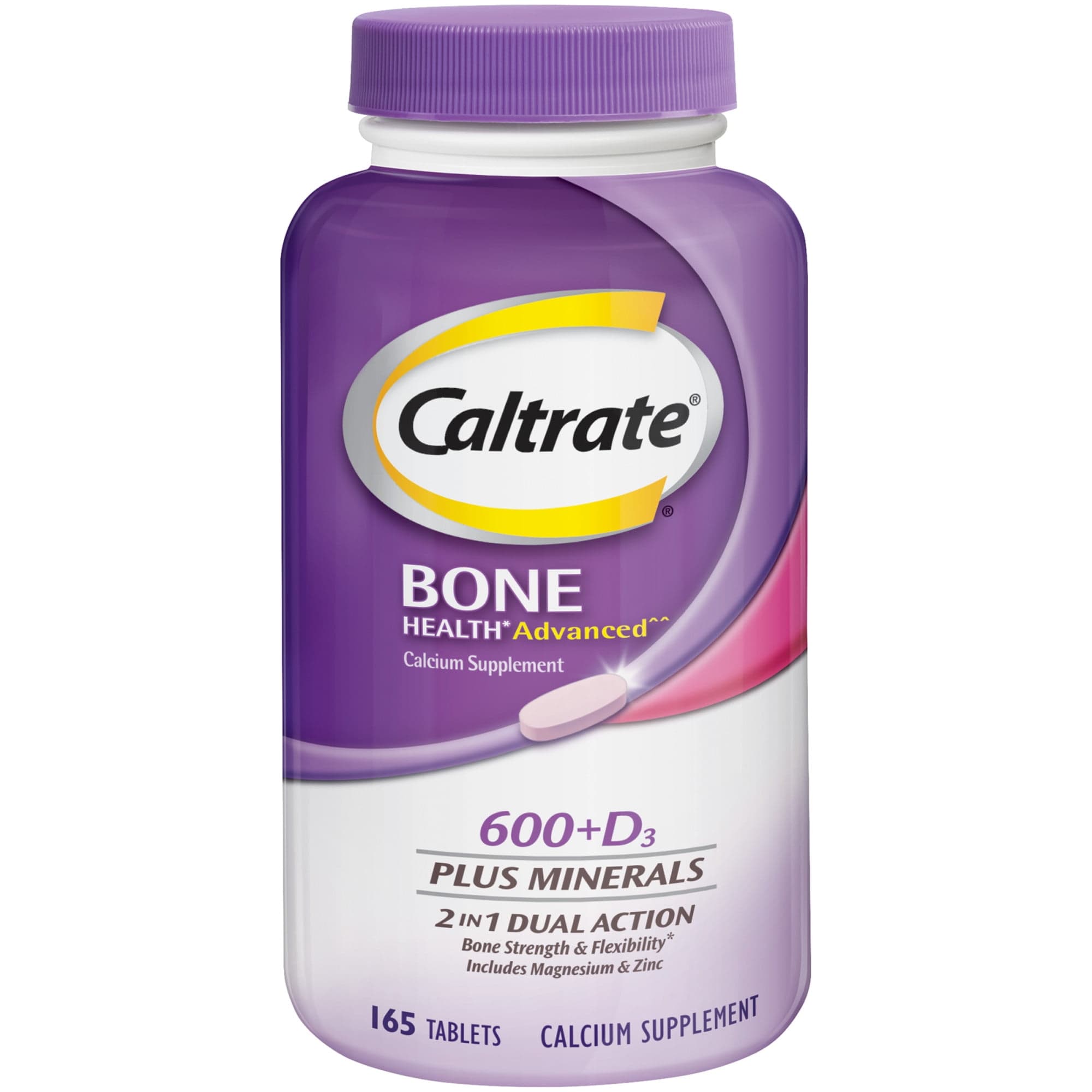
Cholecalciferol raises the capacity of the intestine to absorb calcium by inducing the transport proteins that carry it across the enterocyte. Calcium carbonate is the salt most often paired with it and needs gastric acid to dissolve, which is why it is usually taken with food. The pairing supports normal calcium handling. It does not change the amount of calcium a formula supplies.
Cholecalciferol is a secosteroid with almost no water solubility, so it crosses the intestine inside mixed micelles formed from dietary fat and bile. A lipid vehicle in the capsule gives it that phase from the first minute rather than relying on whatever the meal supplies. Medium-chain triglycerides are one common carrier among several.
Long-chain triglyceride oils stimulate more bile release and chylomicron formation than medium-chain oils, which is the route fat-soluble vitamins take into lymph. Either carrier provides the lipid phase. The two are not interchangeable in how they get there. Which vehicle produces which blood level depends on the dose and the meal, and this ingredient pair has not been isolated in a trial.
Phospholipid emulsifiers keep cholecalciferol dispersed in a drink, gummy or emulsion instead of separating out onto the container wall. That is a physical stability job and a dose-accuracy job. It is a formulation relationship and should not be read as an increase in what the body does with the vitamin.
Activated charcoal has enormous surface area and adsorbs fat-soluble molecules including the fat-soluble vitamins, which is exactly why it is used to limit absorption of ingested substances. Taken in the same window as cholecalciferol it can reduce how much reaches the bloodstream. Separating the two by several hours is the standard handling of this interaction.
Clay binders carry charged layered surfaces that adsorb both minerals and lipophilic compounds passing through the lumen. That makes them a plausible interference with a fat-soluble vitamin taken at the same time. The magnitude has not been quantified for this specific pair, so the practical answer is timing separation.
Psyllium forms a viscous gel that slows mixing of fat with bile and can carry some lipid past the absorptive window. A fat-soluble vitamin taken inside that gel may be absorbed less completely. The effect size for cholecalciferol specifically is not established, and dosing the two at different times sidesteps the question.
Plant sterols work by crowding cholesterol out of intestinal mixed micelles, and that crowding is not selective for cholesterol alone. Fat-soluble vitamins travelling in the same micelles can be displaced too, which is why sterol products carry carotenoid caveats. Cholecalciferol shares that route, so co-timing deserves attention rather than assumption.
Calcifediol has already been through the hepatic 25-hydroxylation step, so it raises the same measured metabolite by a shorter route. Given together, the two contribute to one 25-hydroxyvitamin D pool, and a status figure will not tell you which supplied it. Stacking them without measurement is how a total intake ends up higher than the label suggests.
Talk to a doctor before taking Cholecalciferol if any of these apply to you: Fat-soluble, can accumulate, Upper limit is 4000 IU/day (some experts argue for more), Get blood levels tested (target 30-50 ng/mL), High doses require adequate K2 intake. These are flags to check first, not effects Cholecalciferol is known to cause.
Not medical advice. Show the label to your pharmacist.What Cholecalciferol actually does.
Sunlight splits a cholesterol relative in the skin and the fragment settles into vitamin D3. Factories do the same trick with a lamp.
The vitamin has to be changed twice, first in the liver and then in the kidney, before it does anything. The blood test measures the halfway form.
The active form works like a switch on DNA, turning on the proteins that carry calcium and phosphate across the gut wall.
Hormones decide how much gets activated, and a separate enzyme dismantles the surplus. That is why taking more does not simply mean more active hormone.
Where Cholecalciferol comes from.
Makers take a cholesterol-like molecule from sheep wool grease or from lichen, shine ultraviolet light on it exactly as sunlight does on skin, then clean it up and dilute it down so a normal dose can be measured out.
The same molecule is reached more than one way. Which route a given product used is a manufacturing choice, and the finished compound is the same either way.
Most commercial cholecalciferol starts from cholesterol in lanolin, the grease recovered when sheep wool is scoured. The vegan route starts from sterols in lichen instead.
The sterol is chemically modified to introduce the 5,7-diene needed for the photochemical step. This is the intermediate that ultraviolet light acts on.
Ultraviolet B light opens the B ring to previtamin D3, which then isomerises thermally to cholecalciferol. It is the same sequence that runs in skin, done under controlled conditions.
The product is separated from unreacted sterol and photoisomers such as tachysterol and lumisterol, then crystallised and assayed for potency.
Because the pure crystal is far too concentrated to handle, it is diluted into oil or spray-dried into a beadlet at a declared international units per gram.
Released to formulators as an oil solution, a dry beadlet or a water-dispersible emulsion depending on the format it has to go into.
Labels seldom state which feedstock was used unless a vegan claim is being made, and the overage added to cover shelf-life loss is not disclosed either.
Getting Cholecalciferol from food.
The whole-food sources on file. A supplement closes the gap, it does not replace dinner.
A gram-for-gram figure (how much of each you would eat to match a dose) will appear here once it is sourced and reviewed. This page will not print a number it cannot cite.
The forms it comes in.
The essence, in one line each.
- In head to head randomised trials, vitamin D3 raised blood 25-hydroxyvitamin D more than vitamin D2, with the gap clearest after a single large dose and less apparent with daily dosing.Meta-analysis. Tripkovic et al., 2012 (The American Journal of Clinical Nutrition). PMID 22552031 ↗
- Across trials in older adults, vitamin D on its own showed no detectable change in fall risk, while vitamin D taken with calcium was associated with fewer falls and the benefit appeared mainly in people starting with low blood 25-hydroxyvitamin D.Meta-analysis. Ling et al., 2021 (Clinical Nutrition). PMID 34656949 ↗
- Over three years in 311 healthy adults aged 55 to 70, radial bone density fell by about 1.2 percent on 400 IU, 2.4 percent on 4,000 IU and 3.5 percent on 10,000 IU of vitamin D3 daily, with no detectable difference in bone strength.Randomised trial. Burt et al., 2019 (JAMA). PMID 31454046 ↗
- Pooling trials in adult men, vitamin D supplementation showed no consistent change in total testosterone or androgen availability markers.Meta-analysis. Paez-Allendes et al., 2026 (Nutrients). PMID 42451097 ↗
- Across trials in women, vitamin D supplementation was associated with higher anti-Mullerian hormone, a blood marker of ovarian reserve rather than an outcome itself.Meta-analysis. Fang et al., 2026 (Frontiers in Endocrinology). PMID 42199796 ↗
- Pooled trials in men with reduced fertility found vitamin D supplementation had modest and inconsistent effects on semen quality measures.Meta-analysis. Zhang et al., 2026 (PeerJ). PMID 42004696 ↗
- Reviewing trials that combined sodium bicarbonate, cholecalciferol and protein, the authors reported small gains in muscle mass and muscle function measures, without isolating any single component.Systematic review. Leng et al., 2026 (Frontiers in Nutrition). PMID 42027563 ↗
- Weekly cholecalciferol given to breastfeeding mothers raised their vitamin D status, with infant growth measures tracked alongside.Randomised trial. Girma et al., 2025 (The American Journal of Clinical Nutrition). PMID 40754215 ↗
- Cholecalciferol supplementation raised total 25-hydroxyvitamin D, and the report follows how free 25-hydroxyvitamin D and the free percentage moved in relation to that total.Randomised trial. Yahyavi SK et al., 2025 (The Journal of Steroid Biochemistry and Molecular Biology). PMID 39577708 ↗
- A high-dose cholecalciferol regimen was sufficient to bring participants to adequate vitamin D status.Randomised trial. Holt R et al., 2024 (The British Journal of Nutrition). PMID 37811573 ↗
- A further report from the same high-dose cholecalciferol trial, extending the analysis of the achieved vitamin D status.Randomised trial. Holt R et al., 2024 (The British Journal of Nutrition). PMID 39654152 ↗
- Titrated high-dose cholecalciferol dosing was assessed for its ability to reach and hold target 25-hydroxyvitamin D concentrations, with tolerability recorded alongside.Randomised trial. Gordon RJ et al., 2026 (The Journal of Pediatrics). PMID 41921771 ↗
- Reports changes in mood scores and in C-peptide, serotonin and neurotrophin-3 concentrations with cholecalciferol supplementation.Randomised trial. Putranto R et al., 2024 (Narra J). PMID 39816051 ↗
- High-dose cholecalciferol was associated with lower morning blood pressure readings in the group studied.Randomised trial. Felício J et al., 2024 (Scientific Reports). PMID 38493259 ↗
- Reports how circulating angiogenic markers moved with cholecalciferol supplementation.Randomised trial. Kaur J et al., 2022 (PLoS One). PMID 35657784 ↗
- Post hoc analyses of a randomised antenatal supplementation trial did not detect differences in the mode or timing of delivery.Randomised trial. Moon RJ et al., 2023 (Journal of Public Health). PMID 36585903 ↗
- Describes associations between cholecalciferol supplementation and recorded outcomes across different immunosuppressive regimens after kidney transplant.Cohort study. Ogura T et al., 2026 (Cureus). PMID 41994682 ↗
- 25-hydroxycholecalciferol supplementation was associated with changes in acute phase reactants, cytokines and colostrum composition.Animal study. Lashkari S et al., 2025 (Journal of Dairy Science). PMID 41819181 ↗
These are the studies our verdict leans on, chosen from the 1,619 we read for Cholecalciferol. The full linked list is below.
The studies, linked.
4 sources behind our Cholecalciferol verdict: peer-reviewed studies and registered clinical trials. Every one links straight to PubMed, the journal, or ClinicalTrials.gov. Read them yourself.
- Clinical trialEffect of Treating Vitamin D Deficiency on Glucose Homeostasis and Metabolic Markers in Apparently Healthy, Young or Aged, Normal-weight or Obese Lebanese PeopleClinicalTrials.gov ↗180 participants, Completed
- Clinical trialEffect of Vitamin D3 Supplementation on Cardiometabolic Risk Factors in a Cohort of Overweight and Obese Adults in the United Kingdom (UK)ClinicalTrials.gov ↗49 participants, Completed
- Clinical trialPhase 1 Study of Vitamin D Therapy in Patients With Systemic Lupus Erythematosus (SLE)ClinicalTrials.gov ↗Phase 1, 18 participants, Completed
- Clinical trialEffect of Vitamin D and Omega-3 Fatty Acids on Blood Pressure and HypertensionClinicalTrials.gov ↗25,875 participants, Active not recruiting
Evidence surfaced via Semantic Scholar (Allen Institute for AI) and ClinicalTrials.gov. Ranked by study type and citation weight, not cherry-picked.
Problems people have reported.
Read this carefully. These are 1,024,236 voluntary, unverified reactions reported to the FDA (openFDA). The number mostly reflects how popular Cholecalciferol is, not how risky it is. A report is not proof Cholecalciferol caused anything. It is a signal of what to watch for, nothing more.
Source: openFDA adverse-event reports. Voluntary reporting, not an incidence rate.
FDA Disclaimer: These statements have not been evaluated by the Food and Drug Administration. This information is for educational purposes only and is not intended to diagnose, treat, cure, or prevent any disease. Consult your healthcare provider before starting any supplement regimen.