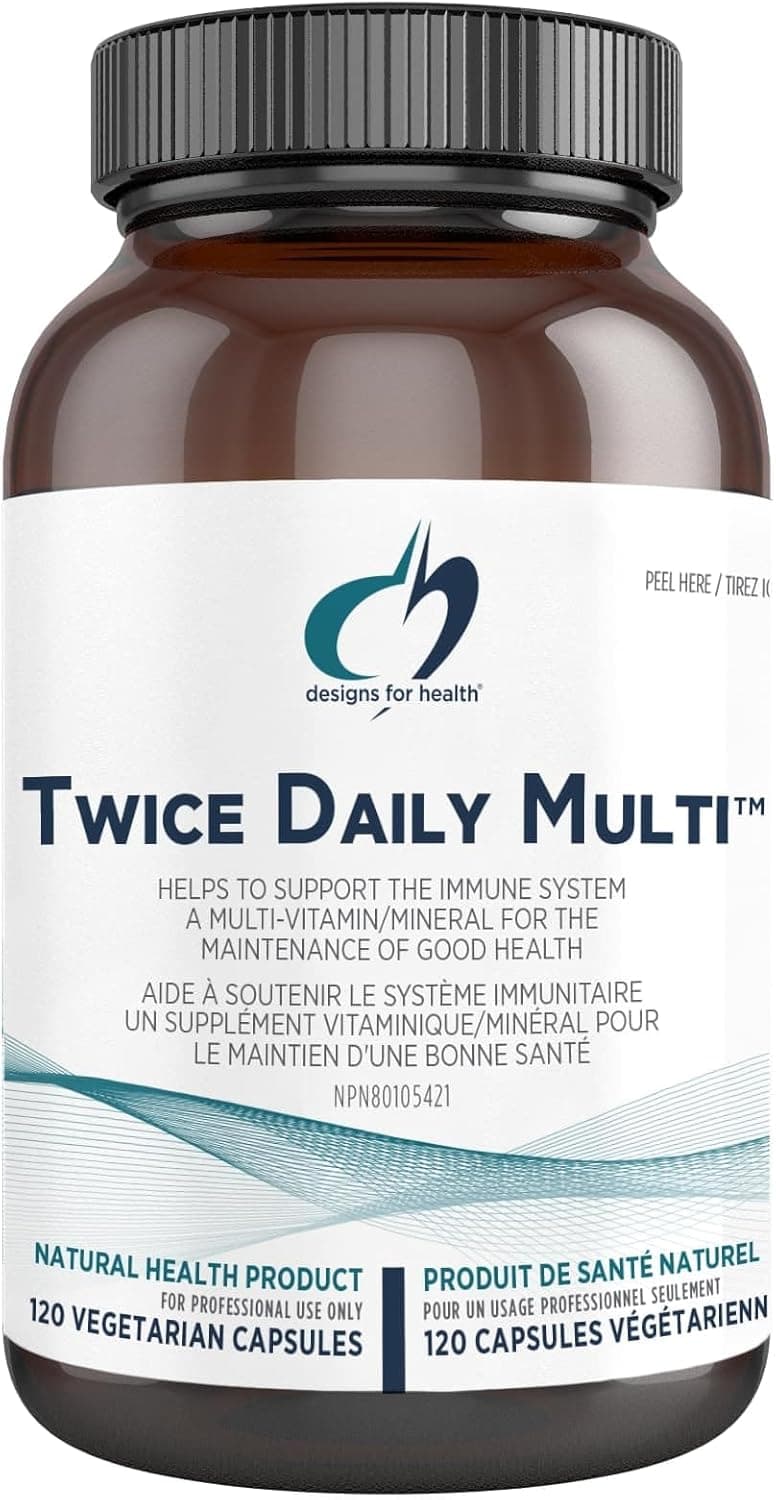
DL-Alpha Tocopherol Acetate.
The synthetic form of vitamin E. Works as an antioxidant, but your body uses it about half as well as the natural version. It is the synthetic form of vitamin E. Once your gut cuts off the acetate cap, the free vitamin sits in cell membranes and stops chains of fat oxidation from spreading.
Reviewed March 2026
- Category
- Vitamin
- Also filed under
- Antioxidant protectionSupports immune functionProtects cell membranes from oxidative damage
What DL-Alpha Tocopherol Acetate is, and what it does.
- Does it work
- Suits anyone covering an everyday vitamin E gap, and it is the form chosen where shelf stability matters. Its label unit differs from the natural form, so read the IU or milligram figure carefully.
- How much to take
- Start with 15 to 30 IU a day, which is where the daily requirement sits. Some people go up toward 400 IU. Take it with a meal that contains fat.
- Time to feel it
- Plasma alpha-tocopherol climbs within days and tissue stores settle over roughly three to four weeks. The change turns up on a blood panel rather than as a sensation.
- The first dose
- Nothing noticeable. Vitamin E is fat-soluble and takes time to build up in your tissues. Day one is completely uneventful.
- With regular use
- Weeks of daily use hold plasma alpha-tocopherol in the normal range and keep membrane lipids covered. That status is what a blood test reads, and it holds while you keep taking it.
- How well tolerated
- Well tolerated at everyday amounts. A 2005 meta-analysis flagged higher all-cause mortality above 400 IU a day. It thins blood mildly, so ask a prescriber if you take anticoagulants.
- How it feels
- There is no sensation attached to it. Vitamin E works inside membranes, and the place it shows up is a plasma alpha-tocopherol reading rather than how your day feels.
- The overlooked benefit
- The acetate cap is why it survives a year in a bottle, and why it needs dietary fat and gut esterases to switch on. Taken with black coffee alone, much of a dose passes through.
15 to 400 IU a day is where DL-Alpha Tocopherol Acetate works.
Source: IOM DRI 2000; Miller et al., 2005 meta-analysis
The proof, claim by claim.
These words describe the research, not the molecule's worth. Research strength is how much work stands behind one claim, and it is never a product score.
- Protects against heart disease
- Supports immune function
- Prevents cancer
Questions people ask about DL-Alpha Tocopherol Acetate.
- What's the difference between dl-alpha and d-alpha tocopherol?
- The 'dl' is synthetic (made in a lab), the 'd' is natural (extracted from plants). Your body uses the natural form about twice as efficiently. If you see 'dl' on the label, you're getting the budget version.
- Should I worry about the 400 IU safety concern?
- Yes, take it seriously. A 2005 meta-analysis of 19 trials found doses above 400 IU/day were associated with increased all-cause mortality. Stick to 100-200 IU if you supplement, or better yet, get vitamin E from food.
- Why is acetate added to the tocopherol?
- The acetate ester makes it more shelf-stable. Your body strips off the acetate during digestion and uses the tocopherol. It doesn't change the vitamin's activity, just its storage life.
- Do I need vitamin E if I eat a balanced diet?
- Most people get enough from nuts, seeds, and vegetable oils. True deficiency is rare in developed countries. If you eat a handful of almonds or sunflower seeds daily, you're probably covered.
Why these belong in the same formula. Each row says what the basis is, from settled biochemistry through to a trial that measured the pair.
The dl or all-rac form is a mixture of eight stereoisomers and hepatic alpha-tocopherol transfer protein retains only the 2R forms well. Natural RRR-tocopherol and the synthetic mixture compete for that same carrier, so combining them does not add in a straight line.
The acetate ester needs esterase cleavage and bile salt micelles before free tocopherol crosses the gut wall. Bile output governs how much of the ester dose becomes usable.
Hydrolysis and micelle formation both need a fat-containing meal to trigger bile and pancreatic secretion. An oil carrier raises the absorbed share compared with a dry dose taken alone.
Ascorbate returns the tocopheroxyl radical to active tocopherol at the lipid and water interface. That recycling is what lets one tocopherol molecule act repeatedly.
Tocopherol stops chain reactions inside membranes while selenium-dependent glutathione peroxidase removes the peroxides formed. The two requirements move together.
Glutathione regenerates ascorbate, which regenerates tocopherol, so all three sit on one recycling chain. Tocopherol turnover follows glutathione supply.
Reduced lipoic acid restores ascorbate and acts on the tocopheroxyl radical directly, supporting the loop from two sides. It works in both water and lipid phases.
Ubiquinol shares the bilayer with tocopherol and can reduce its radical form without needing a water-phase donor. The pair covers membrane lipid oxidation between them.
Alpha-tocopherol crowds tocotrienols at the hepatic transfer protein, lowering their circulating levels. Separating doses in time limits the effect.
High-dose alpha-tocopherol interferes with vitamin K dependent carboxylation of clotting factors and with platelet aggregation. The influences on normal clotting add together.
Polyunsaturated fats are the most oxidation-prone lipids present, so a higher intake raises the tocopherol requirement. Tocopherol also stabilises the oil itself.
Tocopherol and carotenoids share the same mixed micelles and intestinal uptake route, so a large dose of one lowers appearance of the other. Once absorbed, tocopherol protects carotene from oxidation.
An animal study gave melatonin and alpha-tocopherol acetate as antioxidants and reported biochemical blood measures. Melatonin acts in both aqueous and lipid compartments while tocopherol is confined to membranes and lipoproteins, so the two cover different territory. The readouts are animal blood markers, which grounds the pairing mechanistically without saying anything about people.
Alpha-tocopherol transfer protein preferentially handles alpha-tocopherol, and a high alpha intake lowers circulating gamma-tocopherol. Taking a mixed tocopherol product alongside a high-dose alpha product does not simply add the two, because they compete for the same carrier. Anyone wanting the gamma and delta homologues present should know that a large alpha dose works against that.
High doses of alpha-tocopherol interfere with vitamin K-dependent clotting factor activity and with platelet function, which is the established reason surgeons ask about vitamin E before procedures. Vitamin K1 supports the carboxylation step that vitamin E works against. This is a recognised pharmacological interaction and it matters most for anyone on anticoagulant medication, which is a prescriber conversation.
Tocopheryl acetate is an ester and is not absorbed as such. Pancreatic carboxyl ester hydrolase and related esterases cut the acetate off in the small intestine, releasing free alpha-tocopherol for uptake. Anything that lowers pancreatic enzyme delivery lowers how much of the ester becomes usable vitamin.
The acetate ester has to be hydrolysed by intestinal and pancreatic esterases before absorption, so pancreatic enzyme output is part of the absorption path for this form specifically. Free tocopherol forms skip that step. The requirement is settled biochemistry and it is a reason the ester and the free alcohol are not interchangeable in every situation.
Vitamin E absorption depends on being carried in mixed micelles, which need bile salts and phospholipid. Lecithin is an emulsifier that helps disperse the oil-soluble ester into that phase, which is why it is a standard component of water-dispersible vitamin E preparations. This is formulation chemistry rather than a nutrient interaction.
Phosphatidylcholine is the main phospholipid of mixed micelles and of the lipoprotein surfaces that carry tocopherol in blood. Supplying it alongside a fat-soluble vitamin supports the vehicle rather than the vitamin. The relationship is about transport chemistry, and it does not imply a larger effect from the vitamin.
Sunflower lecithin performs the same emulsifying job as soy lecithin in dispersing tocopheryl acetate, without a soy allergen declaration. Formulators pick between them on allergen and sourcing grounds. The choice affects the label more than it affects the vitamin.
Both vitamins need dietary fat, bile and micelle formation to be absorbed, so both are taken with a meal containing fat. Because they share the vehicle, very large amounts of one can compete for micelle space with the other. At the amounts used in ordinary multivitamins that competition is small.
Vitamin A and vitamin E share micellar absorption and lipoprotein transport, and tocopherol also protects retinol from oxidation in the product and in the gut lumen. High-dose vitamin E has been reported to affect vitamin A status measures in both directions in different settings. Status measures are markers, so the practical point is that they are not independent.
Retinol oxidises readily, and tocopherol in the same oil phase intercepts the peroxyl radicals that degrade it. That is why oil-based retinol products routinely include tocopherol. The benefit here is product stability plus shared transport, not an additive physiological effect.
Carotenoids and tocopherols compete for space in mixed micelles and for the same lipoprotein carriers, so a very large dose of one can lower the absorbed fraction of the other taken at the same time. In the same product tocopherol also protects lutein from oxidation, which pulls the other way. Both effects are real and depend on the amounts involved.
Zeaxanthin travels the same micellar and lipoprotein route as tocopherol and competes for it when doses are large. Within a formulated blend the tocopherol also acts as the oxidation guard for the carotenoid. The net effect on absorption depends on the ratio, which labels do not usually let you work out.
Lycopene is highly lipophilic and shares micelle and lipoprotein transport with tocopherol. Large simultaneous doses compete. Tocopherol added to a lycopene oleoresin also slows its oxidation during storage, which is a product-stability role rather than a nutritional one.
Astaxanthin spans the membrane while tocopherol sits within the lipid interior, so the two intercept lipid radicals at different depths. They also share the micellar absorption route, so very large doses of one can crowd the other. The mechanistic complementarity is clearer than any measured joint effect.
When tocopherol quenches a lipid radical it becomes a tocopheroxyl radical, which is returned to the active form by ascorbate and, downstream of that, by the glutathione system. NAC supplies the cysteine that limits glutathione synthesis. The recycling chemistry is settled. The value of adding NAC on top depends on whether glutathione supply was limiting.
Flavonoids can donate a hydrogen atom to the tocopheroxyl radical, returning tocopherol to its active form at the lipid-water interface. This is measured mostly in chemical and cell systems rather than in people. Read it as network chemistry, not as a demonstrated benefit of the pairing.
Resveratrol is a phenolic hydrogen donor that can act at the same interface where tocopherol becomes a radical. Whether that regeneration happens at physiological concentrations in tissue is unresolved. The row records a mechanistic possibility at low confidence.
Proanthocyanidins are strong hydrogen donors and are commonly formulated with vitamin E on the reasoning that they support its regeneration. The chemistry is demonstrable in vitro. Human data for the pairing is not what this row rests on.
Vitamin E requirement scales with polyunsaturated fatty acid intake, because the more double bonds present in membranes and lipoproteins, the more peroxidation there is for tocopherol to interrupt. This is why fish oil products routinely include tocopherol, both to protect the oil in the bottle and to accompany the fat in the body. The relationship is a settled nutritional one, expressed as a ratio rather than a fixed dose.
DHA has six double bonds, which makes it among the most peroxidation-prone fatty acids in the body. Tocopherol is the chain-breaking antioxidant that protects it inside membranes. Higher DHA intake therefore raises vitamin E need, which is a requirement statement and not a claim about an outcome.
Alpha-linolenic acid in flaxseed oil is polyunsaturated and oxidises readily, in the bottle as well as in the body. Tocopherol is added to such oils as the stabiliser and accompanies the fat through absorption. The pairing is standard practice grounded in oxidation chemistry.
Linoleic acid is the most abundant dietary polyunsaturated fat and the classic reference point for expressing vitamin E requirement per gram of PUFA. Diets high in it raise tocopherol need. Vegetable oils rich in linoleic acid usually carry native tocopherols for the same reason.
Free iron catalyses the formation of hydroxyl and lipid radicals, which consumes tocopherol. Taking a large iron dose in the same window as vitamin E is chemically counterproductive in the gut lumen, and separating them is the usual response. The interaction is well described chemically. How much it changes vitamin E status in practice is less well quantified.
Ferrous sulfate is the most soluble and most reactive of the common iron salts, and free ferrous iron drives lipid peroxidation. In an oil or emulsion product the two should not sit together, and in dosing they are usually separated by a couple of hours. This is oxidation chemistry rather than an absorption competition.
Activated charcoal adsorbs fat-soluble compounds including vitamins, so co-ingestion reduces how much reaches absorption. Spacing the doses by several hours avoids the issue. The adsorption chemistry is settled. The magnitude for tocopheryl acetate specifically has not been quantified.
Bentonite binds a wide range of molecules to its surface and interlayers, so a fat-soluble vitamin taken with it may not be fully available. The effect has not been characterised for this vitamin. Separating doses is the practical response.
Viscous fibre slows lipid digestion and interferes with micelle formation, which is the route by which fat-soluble vitamins are absorbed. A large fibre dose in the same window as a vitamin E dose is where this matters. Total intake usually matters more than timing, but the two are cleanest apart.
Guar gum forms a viscous solution that slows diffusion of micelles to the intestinal surface. That is a plausible route to lower fat-soluble vitamin absorption when both are taken at once. The specific effect on tocopheryl acetate has not been measured.
Talk to a doctor before taking DL-Alpha Tocopherol Acetate if any of these apply to you: Only 50% as bioactive as natural d-alpha tocopherol, High doses (400 IU+) linked to increased mortality in some meta-analyses, May interact with blood thinners. These are flags to check first, not effects DL-Alpha Tocopherol Acetate is known to cause.
Not medical advice. Show the label to your pharmacist.What DL-Alpha Tocopherol Acetate actually does.
The acetate form isn't itself an antioxidant. Capping that reactive spot on the molecule is what keeps it stable on the shelf, but it also means it can't do antioxidant work until that cap comes off.
Gut enzymes have to remove the acetate cap before the vitamin E can be absorbed, which means this form needs one extra processing step that the free form doesn't.
Absorbing it depends on dietary fat, bile and forming fat droplets in the gut, then being packaged for transport, so taking it on an empty stomach skips the vehicle it needs.
The dl form is a mix of eight different mirror image versions of the molecule, while the natural form is just one of them. This is a structural difference between synthetic and natural vitamin E, not a matter of purity.
Where DL-Alpha Tocopherol Acetate comes from.
This form is built in a factory from two petroleum-derived chemicals, not extracted from a plant. The reaction that joins them cannot control the molecule's three-dimensional shape, so what comes out is a mixture of eight closely related versions; the natural form from vegetable oil is just one of those. Half of the mixture is the kind your liver holds on to, which is why labels for the synthetic and the natural forms use different numbers for what looks like the same amount. The acetate part is a cap that keeps the vitamin from going off on the shelf, and your gut removes it before absorption.
Chemically synthesised. The molecule is identical to the one a plant or an animal makes, and building it deliberately means a known purity, a fixed dose and no crop contaminants. For several nutrients this is the only route that reaches a usable amount.
Both building blocks are made industrially from petrochemical starting materials. Neither comes from a plant, which is what distinguishes this route from the natural RRR material recovered from vegetable oil processing.
The quinone and the isophytol side chain are condensed under acid catalysis. Because the reaction sets three stereocentres without selecting between them, the product is a racemic mixture of eight stereoisomers, which is exactly what the all-rac or dl name records.
The free phenol is acetylated with acetic anhydride to give the acetate ester. Capping that hydroxyl group is what stops the molecule oxidising in the bottle, and it is also why the ester has to be hydrolysed in the gut before it works.
Molecular or short-path distillation removes catalyst residues, unreacted feedstock and colour bodies.
Strength is declared against the pharmacopoeial definition, in which one international unit equals one milligram of all-rac-alpha-tocopheryl acetate.
Supplied as the neat oil, adsorbed on a dry carrier, or emulsified and spray dried for water-dispersible use.
The dl or all-rac prefix is the only signal on most labels that this is the synthetic mixture rather than the single natural stereoisomer, and the carrier, emulsifier and any added antioxidant in the finished oil or beadlet are often not itemised.
Getting DL-Alpha Tocopherol Acetate from food.
The whole-food sources on file. A supplement closes the gap, it does not replace dinner.
A gram-for-gram figure (how much of each you would eat to match a dose) will appear here once it is sourced and reviewed. This page will not print a number it cannot cite.
The forms it comes in.
The essence, in one line each.
- Genetic variants were associated with differences in alpha-tocopherol concentrations measured in subcutaneous adipose tissue and in plasma, which helps explain why the same intake produces different readings between people. These are associations with a status marker and not with any outcome.Cohort study. Zumaraga et al., 2024 (Nutrients). PMID 39125437 ↗
- Summarises reported circulating vitamin E concentrations in preterm and full-term infants across the published literature. Circulating tocopherol is a status marker, and a review of concentrations does not test what supplementing changes.Systematic review. Assunção et al., 2022 (Nutrients). PMID 35684057 ↗
- A scoping review describing urinary alpha-CEHC, the water-soluble catabolite of alpha-tocopherol, as a biomarker tracking vitamin E intake. A biomarker of intake reports exposure, not benefit.Narrative review. Benchetrit et al., 2026 (The Journal of Nutrition). PMID 41871666 ↗
- Melatonin and alpha-tocopherol acetate given as antioxidants changed biochemical blood parameters in an animal model. Animal blood markers, which support a mechanism and are not human evidence.Animal study. Ismail Mahmud et al., 2023 (Archives of Razi Institute). PMID 37312741 ↗
- Adding antioxidants lowered oxidant generation measured in a neonatal parenteral nutrition lipid emulsion at the bench. A measurement in a bag of nutrition solution rather than in a person, which grounds the peroxidation mechanism.In vitro study. Karthigesu et al., 2026 (Current Developments in Nutrition). PMID 42180653 ↗
- Antioxidants including vitamin E were given around parturition and postpartum measures were reported in lactating buffaloes. A veterinary animal study, usable for mechanism and not transferable to people.Animal study. Frattina et al., 2026 (Tropical Animal Health and Production). PMID 42283949 ↗
- A plant extract was tested in an animal model with vitamin E appearing as a comparator antioxidant. The study is about the extract, and the vitamin E arm is context rather than the question.Animal study. Ichsan et al., 2025 (Life). PMID 41302178 ↗
These are the studies our verdict leans on, chosen from the 7 we read for DL-Alpha Tocopherol Acetate. The full linked list is below.
FDA Disclaimer: These statements have not been evaluated by the Food and Drug Administration. This information is for educational purposes only and is not intended to diagnose, treat, cure, or prevent any disease. Consult your healthcare provider before starting any supplement regimen.