Ingredients/Compound/Fish Oil

Fish Oil.

The most studied omega-3 source on the planet. Reduces inflammation, supports your heart, and keeps your brain sharp. Delivers EPA and DHA omega-3 fatty acids that reduce inflammation throughout your body, support heart rhythm and blood vessel function, and maintain brain cell membrane health.

StrongResearch strength1 to 4gDaily amount37,477Studies read

Reviewed March 2026

FOCompound
Fish OilIngredientMD
Category
Compound

Also filed under
Reduces triglyceridesSupports cardiovascular healthAnti inflammatorySupports brain function and mood

Also called
Fish Oil, Omega-3 Concentrate, EPA/DHA

What Fish Oil is, and what it does.

Does it work
Suits anyone who rarely eats oily fish, which is most people. If salmon, sardines or mackerel are already on your plate two or three times a week, you are covering the same EPA and DHA.
How much to take
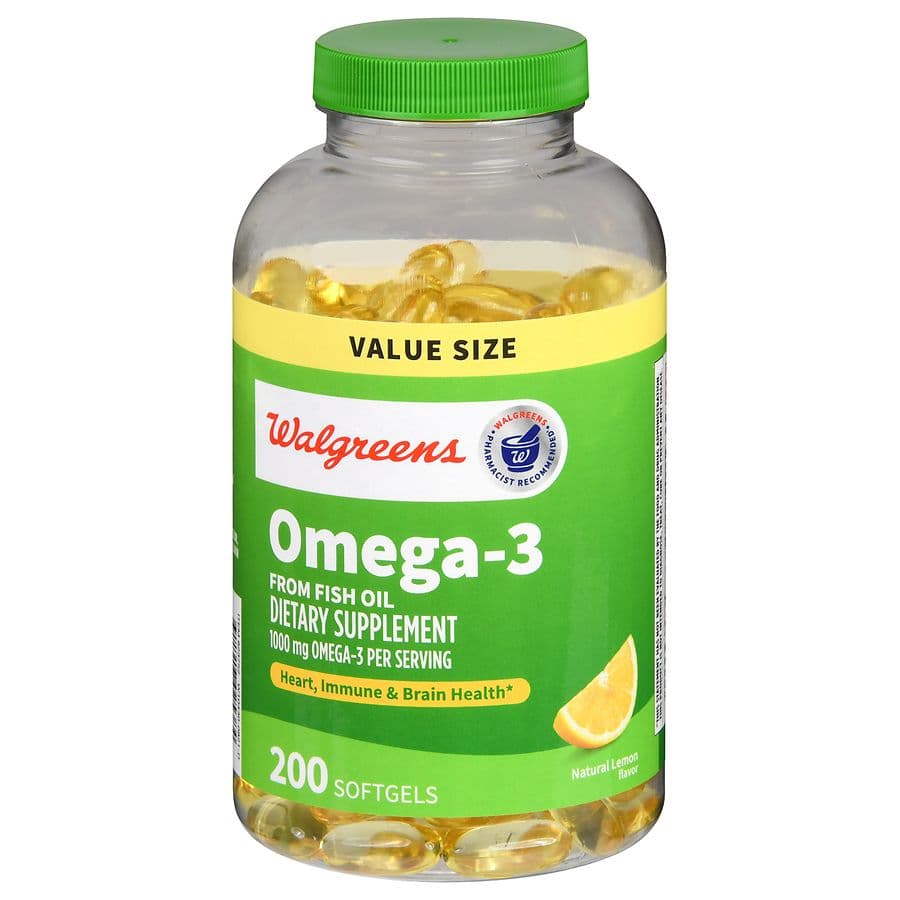
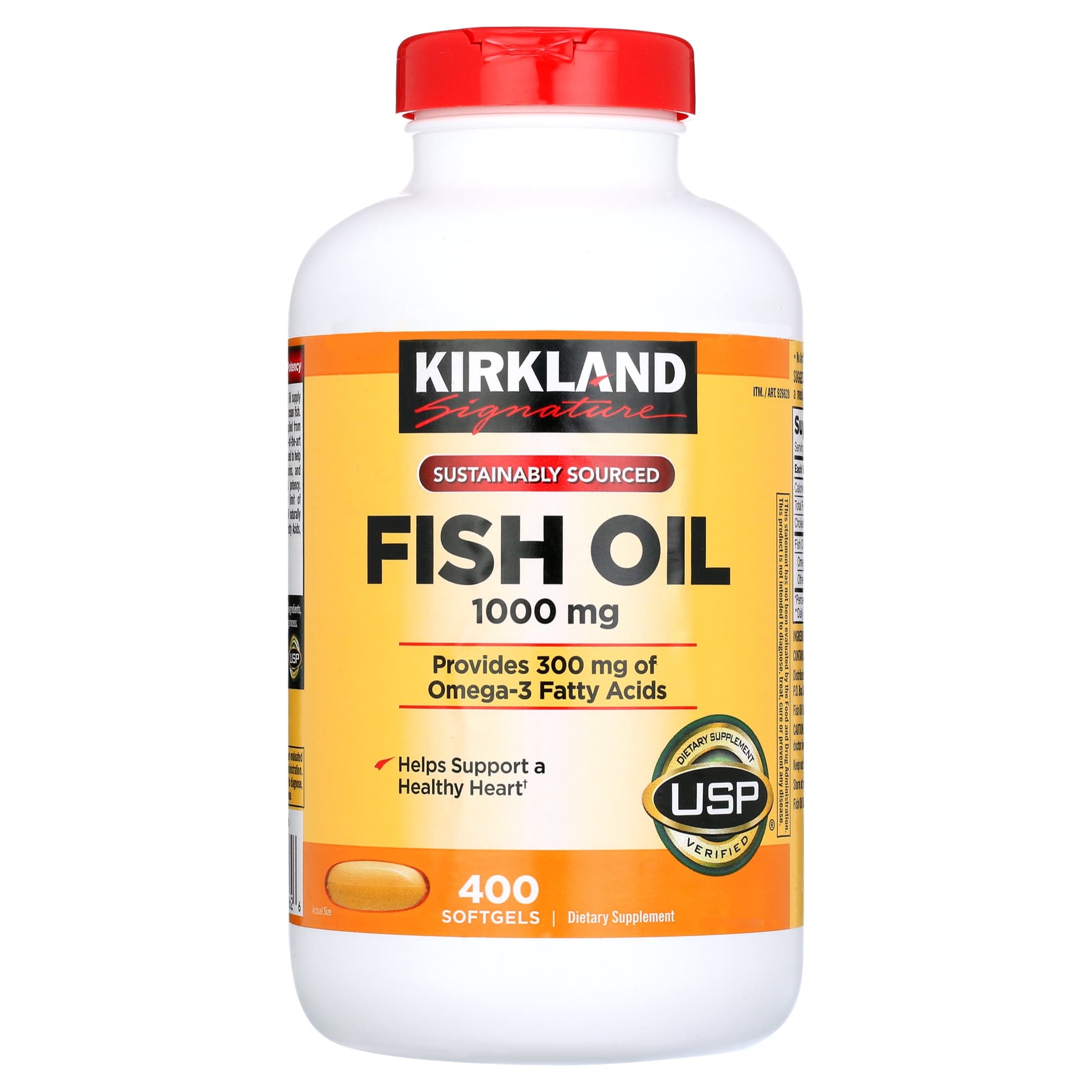
1,000-2,000mg of combined EPA+DHA daily (not total fish oil). Check your label: a 1,000mg fish oil capsule might only contain 300mg of actual EPA+DHA. Most people need 2-4 standard capsules.
Time to feel it
About 4 to 8 weeks in blood plasma, about 6 months in red blood cells.
The first dose
Nothing noticeable. Maybe fish burps if you got a low-quality product. The real benefits build over weeks as omega-3s integrate into your cell membranes.
With regular use
Weeks to months of daily use raise the EPA and DHA share of your cell membranes, which is where the work on triglycerides in the normal range and inflammatory balance sits.
How well tolerated
Well tolerated. Fishy burps and mild stomach upset are the usual complaints, and a meal or freezing the capsules helps. Talk to your doctor first if you take blood thinners.
How it feels
Day to day there is little sensation. The effect shows up as a rising omega-3 index on a blood test and, over months, as easier recovery and less morning stiffness for some.
The overlooked benefit
Oxidation is the thing worth checking. Rancid oil gives the fishy burp a bad name, and a peroxide value on a certificate of analysis tells you what a milligram count cannot.

How common this is.

Public health figures for this ingredient, reported by the agencies that publish them, cited and dated.

Population figures from public health data. Context for the category, not a statement about any individual and not a claim about this product.

1 to 4g a day is where Fish Oil works.

How much to take a dayHigh confidence
1 to 4g
Daily maintenanceThe everyday amount, and where most daily supplements sit. This is the one you take month after month.
4,000gClinical territory. Trials run high on purpose, for a set number of weeks, against one measured outcome. Impressive to hit, and not what a daily product is for.
Above 5,000gPast what the research covers. More capsules rather than more effect.
MORE EFFECT ↑02,000mg4,000mg plateauDAILY DOSE →
The shaded band is where the dosing trials landed.

Source: GISSI-HF 2008 + AHA 2019 Guidelines

How long it takesPromising
WHAT THE TRIALS MEASUREDthe level the trials measuredDay 0TIME ON IT →
Builds over about 4 to 8 weeks in blood plasma, about 6 months in red blood cells

In the trial record, EPA in blood plasma plateaus after 4 to 8 weeks of daily fish oil, while EPA in the red blood cell membrane rises with a 28 day half-life and reaches a steady state at about 180 days.

The proof, claim by claim.

These words describe the research, not the molecule's worth. Research strength is how much work stands behind one claim, and it is never a product score.

Fish Oil has emerging evidence. Based on 37477+ studies.

1 citation on page
  • Reduces triglyceride levels
  • Supports heart health
  • Reduces joint inflammation
PubMedCochraneClinicalTrials.govNIH ODSSUPP.AI37,477 studies readLabs test. IngredientMD verifies.PubMedCochraneClinicalTrials.govNIH ODSSUPP.AI37,477 studies readLabs test. IngredientMD verifies.

Questions people ask about Fish Oil.

Fish oil vs krill oil: which is better?
Fish oil gives you more EPA+DHA per dollar. Krill oil absorbs slightly better (phospholipid form) and adds astaxanthin, but you'd need many more capsules to match fish oil doses. Fish oil wins on value.
How do I avoid fish burps?
Refrigerate or freeze your capsules. Take them with meals (never empty stomach). Choose enteric-coated capsules or triglyceride form. If burps persist, your fish oil might be rancid. Bite a capsule open and taste it. It should be mildly fishy, not foul.
Should I take EPA or DHA or both?
Depends on your goal. EPA is better for inflammation and mood. DHA is better for brain structure and pregnancy. Most people benefit from both. A 2:1 EPA to DHA ratio is a good general choice.
Does fish oil go bad?
Yes. Omega-3s are prone to oxidation. Store in a cool, dark place. Refrigerate after opening. Check the TOTOX value if listed. Bite open a capsule. It should smell mildly like the ocean, not like something died.
Can vegetarians get omega-3s without fish?
Algae oil supplements provide DHA and some EPA directly. That's where the fish get their omega-3s anyway. Flaxseed and walnuts provide ALA, but your body converts less than 10% of ALA to EPA/DHA.
How much fish oil is too much?
The FDA considers up to 5,000mg of EPA+DHA daily as generally well tolerated. Above that, blood-thinning effects increase. Most people get optimal benefits at 1,000-2,000mg EPA+DHA. More isn't always better.
Pairs well with41 on file

Why these belong in the same formula. Each row says what the basis is, from settled biochemistry through to a trial that measured the pair.

Fish Oil + Vitamin EEstablished antioxidant biochemistry

The long-chain fats in fish oil oxidize easily, and vitamin E is a fat-soluble antioxidant that sits in the same oil phase and interrupts the chain reaction that would otherwise turn those fats rancid. Higher omega-3 intake also draws on the body's vitamin E, so the two are routinely formulated together.

Fish Oil + Vitamin D3Fat-soluble vitamin absorption

Vitamin D3 is fat-soluble and relies on dietary fat to form the micelles that carry it across the gut lining, so the oil in a fish oil softgel gives it a lipid vehicle to be taken up with. Cod liver oil has delivered both in a single dose for generations for this reason.

Fish Oil + AstaxanthinLipid antioxidant chemistry

Astaxanthin is a fat-soluble pigment and antioxidant that concentrates in the oil phase, where it helps shield the fragile omega-3 fats from oxidation, and the two co-occur naturally in krill and salmon. Being fat-soluble itself, astaxanthin is also taken up better alongside the oil.

Fish Oil + Coenzyme Q10lipid vehicle for a fat-soluble active

CoQ10 is a lipophilic quinone with poor uptake from a water phase. Taken in an oil base such as fish oil it partitions into the same mixed micelles and reaches the lymphatic route more readily.

Fish Oil + Lecithinemulsifier for triglyceride oils

Phospholipids emulsify the oil into finer droplets, giving pancreatic lipase more surface to work on. This is long-standing practice in omega-3 emulsions and softgels.

Fish Oil + Cholineprecursor and product in membrane phospholipids

DHA is carried in the body mainly as phosphatidylcholine, and choline supplies the head group of that molecule. Supplying both gives the membrane both halves of the same structure.

Fish Oil + L-Carnitinecarnitine shuttle for long-chain fatty acids

Long-chain fatty acids from fish oil cross the inner mitochondrial membrane only as acylcarnitines. Carnitine is the carrier for that step in normal fatty acid oxidation.

Fish Oil + Seleniumselenium-dependent peroxidase handles lipid peroxides

Glutathione peroxidase is a selenoenzyme that reduces lipid hydroperoxides. A higher intake of long-chain polyunsaturated fat raises the amount of peroxide the enzyme has to clear.

Fish Oil + Zinczinc-dependent desaturase steps

The desaturase and elongase enzymes that remodel dietary fatty acids depend on zinc status. Low zinc slows that same conversion pathway.

Fish Oil + Luteinfat-dependent carotenoid uptake

Lutein is absorbed only when packaged into micelles with dietary fat. Dosing it alongside an oil raises the fraction that reaches the bloodstream.

Fish Oil + Rosemary Extractoil-phase antioxidant in formulation

Rosemary diterpenes are the standard oil-phase antioxidant used to hold back peroxidation of marine oils during shelf life. It protects the ingredient itself rather than acting in the body.

Fish Oil + Tocotrienolsradical scavenging in the lipid phase

Tocotrienols sit in the lipid phase and intercept peroxyl radicals in the same chain reaction that tocopherol interrupts. That spares tocopherol for other work.

Fish Oil + Ginkgo Bilobaadditive effect on normal platelet aggregation

EPA shifts eicosanoid output toward less aggregatory thromboxane, and ginkgolides act as platelet activating factor antagonists. The two push normal platelet function in the same direction, so the effect adds up.

Fish Oil + Garlicadditive effect on normal platelet aggregation

Garlic organosulfur compounds lower platelet aggregation by a route separate from the eicosanoid shift EPA produces. Combined, they add to the same change in normal platelet function.

Fish Oil + White Willow Barkadditive effect on normal platelet function

Salicylate blocks thromboxane formation in the platelet, the same output EPA competes with as a substrate. Their effects on normal platelet function stack.

Fish Oil + Evening Primrose Oilcompetition for shared desaturase and membrane sites

Omega-6 gamma-linolenic acid and the omega-3 chain use the same desaturase and elongase enzymes and compete for incorporation into membrane phospholipids. A large omega-6 dose alongside dilutes the omega-3 signature of the membrane.

Fish Oil + Ironmetal-catalysed lipid peroxidation

Unbound iron drives Fenton chemistry that starts peroxidation of long-chain polyunsaturated fats. Co-dosing high iron with an unprotected oil favours rancidity chemistry in the gut.

Fish Oil + Digestive Enzymeslipase releases fatty acids from triglycerides

Triglyceride-form oil has to be hydrolysed by lipase before the fatty acids can be absorbed. Added lipase supports that step when pancreatic output or bile flow is modest.

Fish Oil + EPAEstablished compositional relationship

Fish oil is a mixture and EPA is one of its two active long-chain omega-3 fatty acids, so adding an EPA concentrate raises the same molecule the oil already delivers. This matters for dose accounting rather than for mechanism, and the total EPA plus DHA is the number that should be tracked. Concentrates change the ratio, which is how the eicosanoid profile shifts.

Fish Oil + DHAEstablished compositional relationship

DHA is the structural omega-3 concentrated in retinal and neuronal membrane phospholipids, and standard fish oil supplies it alongside EPA. Adding a DHA-heavy oil raises the structural share without raising the eicosanoid-competing share as much. Total intake, not the number of bottles, is the figure that matters.

Fish Oil + Linoleic AcidEstablished substrate competition in fatty acid desaturation

Linoleic acid and alpha-linolenic acid compete for the same delta-6 desaturase and elongase enzymes, and a high linoleic intake pushes that pathway toward arachidonic acid. Preformed EPA and DHA from fish oil bypass the bottleneck entirely, which is why the oil works even on a high omega-6 background. The competition is real at the enzyme, and its size in a whole diet is harder to pin down.

Fish Oil + GLA (Gamma-Linolenic Acid)Established shared desaturation and elongation pathway

GLA elongates to dihomo-gamma-linolenic acid, which feeds series-1 eicosanoids, while EPA feeds the series-3 set; both draw on the same elongase capacity. Formulators combine them to occupy several branches of the pathway at once. High GLA alone can raise arachidonic acid over time, and co-dosed EPA is the usual counterweight.

Fish Oil + Flaxseed OilEstablished precursor relationship

Flaxseed supplies alpha-linolenic acid, the plant precursor that humans convert to EPA at a low and variable percentage and to DHA at a lower one still. Fish oil delivers the end products directly, so the two are not interchangeable on a gram basis. Together they cover both the precursor pool and the preformed supply.

Fish Oil + Krill OilEstablished compositional overlap

Krill oil carries EPA and DHA largely bound to phospholipids rather than triglycerides, along with astaxanthin. Stacked with fish oil the omega-3 doses add up, so the combined total is what should be read against any intake target. The phospholipid carrier is a different delivery chemistry, not a different nutrient.

Fish Oil + Vitamin E (Mixed Tocopherols)Established formulation practice for polyunsaturated oils

Long-chain polyunsaturated fatty acids have many double bonds and oxidise readily, so mixed tocopherols are added to the oil as a chain-breaking antioxidant during processing and storage. This protects the oil in the capsule, which is a stability function rather than a physiological one. Peroxide and anisidine values are the measures that show whether it worked.

Fish Oil + Vitamin CEstablished antioxidant recycling chemistry

Ascorbate regenerates the tocopheryl radical back to alpha-tocopherol at the lipid and water interface, which keeps the tocopherol pool that protects membrane polyunsaturated fatty acids working longer. The chemistry is settled; how much it changes lipid peroxidation markers at supplement doses varies between studies. This is a marker relationship, not a demonstrated clinical outcome.

Fish Oil + LipaseEstablished digestive requirement for triglyceride absorption

Triglyceride and ethyl ester omega-3 forms both need pancreatic lipase to release the fatty acids before absorption, and ethyl esters are the slower substrate for that enzyme. Where pancreatic output is low, a lipase-containing enzyme blend addresses the rate-limiting step. Taking the oil with a fat-containing meal does much the same thing by triggering endogenous output.

Fish Oil + Ox BileEstablished micelle formation requirement

Bile salts emulsify dietary fat into micelles so lipase can act and the products can cross the brush border. Without adequate bile flow, omega-3 absorption drops regardless of how the oil is esterified. Supplemental bile salts are used where flow is limited, and are not needed by someone with normal digestion.

Fish Oil + MCT OilEstablished lipid vehicle behaviour

Medium-chain triglycerides are absorbed by a partly bile-independent route and are commonly used as a carrier that keeps a long-chain oil dissolved and moving. As a co-ingested fat they also trigger bile and lipase release, which helps the omega-3 fraction. MCTs do not themselves supply EPA or DHA.

Fish Oil + PhosphatidylcholineEstablished emulsification chemistry

Phosphatidylcholine is an amphiphile that emulsifies triglyceride oil into finer droplets, raising the surface area available to lipase. It is used in liquid and emulsion omega-3 formats for exactly that reason, and it contributes choline of its own. The improvement is to dispersion, which is a step before absorption rather than absorption itself.

Fish Oil + Sunflower LecithinEstablished emulsifier practice

Lecithin from sunflower is a soy-free phospholipid emulsifier used to stabilise omega-3 emulsions and chewables. It keeps the oil phase dispersed so the dose stays uniform through a bottle. Its role is physical stability, not added omega-3.

Fish Oil + Vitamin KEstablished opposing effects on clotting

Vitamin K is the cofactor for gamma-carboxylation of clotting factors, while high-dose EPA and DHA lengthen bleeding time by shifting platelet eicosanoid production. The two act on the same system from opposite directions. Anyone whose clotting is being monitored should have both intakes known rather than either changed quietly.

Fish Oil + NattokinaseEstablished additive direction on clot and platelet handling

Nattokinase has fibrinolytic activity and omega-3 fatty acids reduce thromboxane-driven platelet aggregation. Stacked, the effects on bleeding tendency add rather than cancel. This is a combination to disclose to whoever monitors clotting, not one to assemble quietly.

Fish Oil + GingerEstablished additive platelet effect

Gingerols inhibit thromboxane synthesis, the same eicosanoid branch that EPA competes with at cyclooxygenase. The direction of the combination is additive on platelet aggregation measures. The size of the effect at culinary or ordinary supplement doses is small and not well quantified.

Fish Oil + Aged Garlic ExtractEstablished additive platelet effect

Garlic organosulfur compounds reduce platelet aggregation in laboratory and human marker studies, and omega-3 fatty acids do the same by a different route. Together the bleeding-time signal is additive. Worth flagging around scheduled procedures.

Fish Oil + Curcumin (Turmeric)Established overlapping eicosanoid pathway effects

Curcumin inhibits cyclooxygenase and lipoxygenase signalling, and EPA competes with arachidonic acid as the substrate those enzymes see. The two act at the same pathway from substrate and enzyme sides. Both also carry a mild platelet effect that adds when they are stacked.

Fish Oil + NiacinEstablished complementary lipid handling

Niacin at pharmacological doses reduces hepatic VLDL output, and omega-3 fatty acids lower hepatic triglyceride synthesis and raise fatty acid oxidation. Both are measured against circulating triglycerides, a marker. Flushing-dose niacin belongs with a clinician who is watching those numbers rather than in a self-assembled stack.

Fish Oil + Red Yeast RiceComplementary routes to the same lipid markers

Red yeast rice supplies monacolin K, which inhibits cholesterol synthesis, while fish oil acts mainly on triglyceride handling. The two move different lipid fractions, which is why they appear together in lipid-focused formulas. Monacolin content is a drug-identical molecule and its use belongs under clinical supervision.

Fish Oil + BerberineComplementary routes to lipid and glucose markers

Berberine acts through AMPK signalling on hepatic lipid and glucose handling; omega-3 fatty acids act on triglyceride synthesis and membrane composition. Their effects on lipid markers are additive in direction. Berberine also inhibits several drug-metabolising enzymes, which is the more important thing to check before stacking anything with it.

Fish Oil + PsylliumEstablished bile acid and fat binding by viscous fibre

Psyllium raises the viscosity of gut contents and binds bile acids, which reduces the efficiency of fat absorption from the same meal. Taken in the same window it can lower how much of an omega-3 dose is absorbed. Separating the fibre and the oil by an hour or two avoids the overlap while keeping both.

Fish Oil + Activated CharcoalEstablished non-selective adsorption

Activated charcoal adsorbs lipophilic molecules in the gut lumen without discriminating between them. Co-dosed with an oil, it reduces what is absorbed. Dose them hours apart rather than together.

Who should be cautious

Talk to a doctor before taking Fish Oil if any of these apply to you: Quality varies enormously between brands, Can thin blood at high doses, Fishy burps with low-quality products, Check EPA+DHA content, not just total fish oil. These are flags to check first, not effects Fish Oil is known to cause.

Not medical advice. Show the label to your pharmacist.

What Fish Oil actually does.

Established

Fish oil gives you two long-chain omega-3 fats, EPA and DHA. Over a few weeks your cell membranes take them up in place of arachidonic acid.

Established

EPA and arachidonic acid compete for the same two enzymes. More EPA in the membrane changes which signalling fats get made rather than switching the pathway off.

Established

Long-chain omega-3s cut how much triglyceride the liver packages up and push more fat toward being burned. That is the accepted explanation for their effect on blood triglycerides.

Established

DHA is the most plentiful polyunsaturated fat in the membranes of your retinal light-sensing cells and your neurons, where its job is structural.

Animal-sourced, 7 steps on record

Where Fish Oil comes from.

Oily fish are cooked and pressed to get the oil out. It is then cleaned, deodorised and distilled to raise the omega-3 content and strip out contaminants. Some products are converted back to the fat form found in fish, and every batch is checked for freshness and for pollutants.

Made from an animal material. Species and tissue are the things worth knowing, and both belong on a label.

Starts as
Small pelagic fish

Anchovy, sardine, mackerel and menhaden are the usual sources, chosen for high EPA and DHA content and a short food chain; some oil is a by-product of fishmeal production

Converted by
Wet rendering

Whole fish are cooked to break cell structure, then pressed and centrifuged to separate crude oil from press water and solids

Purified by
Refining, bleaching, deodorising

Crude oil is degummed and alkali-refined, bleached over clay to remove pigments and oxidation products, and steam-deodorised to strip volatiles

Purified by
Molecular distillation or supercritical CO2

Short-path vacuum distillation or CO2 fractionation concentrates EPA and DHA and reduces dioxins, PCBs and mercury-bearing residues to the levels set in the specification

Converted by
Transesterification and re-esterification

Concentration commonly runs through ethyl esters; where a triglyceride product is wanted, the esters are re-esterified with glycerol, usually with a lipase catalyst

Standardised to
Assay and oxidation panel

Batches are assayed for EPA and DHA per gram and checked for peroxide value, anisidine value, TOTOX and contaminant limits

Ends up as
Softgel, liquid or powder

Tocopherols are added as an antioxidant, and the oil is filled into softgels under nitrogen, bottled as a flavoured liquid, or spray-dried into a powder

Species mix, catch region and the oxidation values of the specific batch are rarely stated on a label, though the last of these is what determines whether the oil is fresh.

Getting Fish Oil from food.

The whole-food sources on file. A supplement closes the gap, it does not replace dinner.

Atlantic mackerel, cookedFarmed Atlantic salmon, cookedCanned sardines in oil, drainedCod, cooked

A gram-for-gram figure (how much of each you would eat to match a dose) will appear here once it is sourced and reviewed. This page will not print a number it cannot cite.

The forms it comes in.

Triglyceride (natural)EPA and DHA sit on a glycerol backbone exactly as they occur in whole fish oil, three fatty acids esterified to one glycerol molecule, with no molecular concentration step. This is the native arrangement pressed from fish tissue.Fits Suits products that keep the oil close to its whole-food state and print a modest EPA and DHA figure per gram without a concentration step.Trade-off Carries a lower percentage of EPA and DHA per gram than the concentrated forms, so hitting a given dose needs more total oil, meaning larger or more numerous capsules.
Re-esterified triglyceride (rTG)Two trials found the re-esterified triglyceride form raised blood omega-3 levels more than natural fish oil or the ethyl ester form at the same dose.Fits Suits concentrated products that want a triglyceride-based backbone while still printing a high EPA and DHA figure per capsule.Trade-off The extra re-esterification step adds processing cost compared with leaving the oil as an ethyl ester or in its native triglyceride state.Dyerberg et al., 2010 (Prostaglandins Leukot Essent Fatty Acids)
Ethyl ester (EE)In trials, the ethyl ester form raised the blood omega-3 marker less than the re-esterified triglyceride or natural fish oil forms at the same dose.Fits Suits high-concentration products where a large EPA and DHA figure per capsule is the goal and the manufacturer stops at the ester stage rather than re-esterifying.Trade-off Each fatty acid is bound to ethanol rather than a shared glycerol backbone, a more processed arrangement than either triglyceride form, and one that does not blend into a food-oil matrix as readily.Neubronner et al., 2011 (Eur J Clin Nutr)
Free fatty acid (carboxylic acid)EPA and DHA from the free fatty acid form showed up in the blood at levels a short trial could not tell apart from natural fish oil.Fits Suits concentrated formulations built around an omega-3 that carries no ester bond needing to be cleaved before the fatty acids are free.Trade-off The free acid form is more prone to oxidation and more acidic, which can demand tighter capsule and antioxidant protection; it is uncommon on retail shelves and more associated with prescription formulations.Dyerberg et al., 2010 (Prostaglandins Leukot Essent Fatty Acids)
Monoglyceride omega-3EPA and DHA esterified to a single position on glycerol, a partly pre-digested lipid that needs less lipase action before absorptionFits Situations where bile flow or pancreatic lipase output is limitedTrade-off Fewer head-to-head human comparisons exist than for triglyceride and ethyl ester forms, and the material carries a distinct taste
Spray-dried omega-3 powderOil emulsified and spray-dried inside a protein or carbohydrate wall material, giving a free-flowing powderFits Sachets, gummies, bars and other non-capsule formatsTrade-off The wall material dilutes omega-3 per gram, and once the powder is opened the exposed surface area makes oxidation control harderFormulation aid
What the strongest studies found

The essence, in one line each.

  1. Across 90 randomized trials in 72,598 people, combined EPA and DHA intake lowered blood triglycerides in a near-linear, dose-dependent way, with the clearest reductions at doses above 2 g per day.Meta-analysis. Wang et al., 2023 (Journal of the American Heart Association). PMID 37264945
  2. Pooling 71 randomized trials, omega-3 intake around 2 to 3 g per day lowered systolic blood pressure by about 2.6 mmHg and diastolic by about 1.6 to 1.8 mmHg.Meta-analysis. Zhang et al., 2022 (Journal of the American Heart Association). PMID 35647665
  3. Across 51 randomized trials in about 3,000 people, marine omega-3 supplementation reduced resting heart rate by about 2.2 beats per minute, an effect seen with DHA rather than EPA.Meta-analysis. Hidayat et al., 2017 (European Journal of Clinical Nutrition). PMID 29284786
  4. Pooling nine placebo-controlled eccentric-exercise trials in healthy adults, long-chain omega-3 fats reduced delayed onset muscle soreness (Hedges g -0.75) and the muscle-damage marker creatine kinase (-0.40) and improved muscle strength (0.45) and range of motion (0.93) at the point of worst impairment.Meta-analysis. Yaghoobi et al., 2026 (Nutrients). PMID 42124047
  5. Among 240 middle-aged and older adults over 12 weeks, 1 g per day of fish oil lowered the vessel-wall adhesion marker ICAM-1 by 24.2% versus 10.9% in the control group and MCP-1 by 27.4% versus 14.9%, with no further change at 2 g or 4 g and no detectable change in nitric oxide or oxidised LDL.Randomised trial. Quan et al., 2026 (Food and Function). PMID 41568898
  6. Across seven trials in 439 adults with elevated liver fat, fish oil moved triglycerides (standardised mean difference -0.40), the liver enzyme AST (-0.29), insulin resistance measured by HOMA-IR and waist circumference (-0.31) in a favourable direction, while ALT, GGT, body mass index and LDL cholesterol showed no detectable change.Meta-analysis. Zhou et al., 2025 (Frontiers in Nutrition). PMID 39927279
  7. Pooling 15 trials in pregnant women, fish oil capsules showed no detectable difference from placebo in blood sugar or blood lipid measures overall, with a lower HOMA-IR (mean difference -0.60) in the subgroup taking under 200 mg of EPA.Meta-analysis. Silveira et al., 2024 (Nutrition Reviews). PMID 38318725
  8. Across 12 trials in 1,028 children and teenagers carrying excess weight, fish oil lowered body mass index by 0.96 kg per m2, triglycerides by 0.24 mmol per litre and systolic blood pressure by 2.46 mmHg, while body weight, waist circumference and fasting glucose showed no detectable change.Meta-analysis. Wu et al., 2021 (Frontiers in Pediatrics). PMID 33987149
  9. Pooled randomised trials of maternal fish oil supplementation during pregnancy against reported respiratory outcomes in childhood; the pooled estimate favoured supplementation on the outcomes assessed, which is a pooled across-trial estimate rather than a single trial result.Meta-analysis. Wu S et al., 2022 (Frontiers in Pediatrics). PMID 35265563
  10. Secondary analysis of a prenatal fish oil trial examining whether maternal COX1 genotype modified childhood skin barrier outcomes, so any effect reported is genotype-conditional rather than general.Randomised trial. Chen L et al., 2024 (JAMA Dermatology). PMID 39196551
  11. Randomised evaluation of fish oil supplementation against the trial's recorded cardiovascular endpoints in adults receiving regular dialysis; read the report's own primary endpoint result rather than a summary.Randomised trial. Lok CE et al., 2026 (New England Journal of Medicine). PMID 41201837
  12. Correspondence raising methodological points about the dialysis fish oil trial, useful for how the primary result should be read.Narrative review. Zhang Z et al., 2026 (New England Journal of Medicine). PMID 42456146
  13. Correspondence on the dialysis fish oil trial, addressing interpretation of the reported endpoints.Narrative review. Yamanouchi M et al., 2026 (New England Journal of Medicine). PMID 42456145
  14. Correspondence on the dialysis fish oil trial, adding a further reading of the reported data.Narrative review. Marchini M et al., 2026 (New England Journal of Medicine). PMID 42456147
  15. The investigators' reply to correspondence on their dialysis fish oil trial, restating how they read their own endpoints.Narrative review. Lok CE et al., 2026 (New England Journal of Medicine). PMID 42456148
  16. Evaluated fish oil added to low-dose isotretinoin in people being managed for inflammatory skin lesions, so the comparison is a supplement layered on a prescription regimen.Randomised trial. Sungkhasunya P et al., 2026 (Journal of the American Academy of Dermatology). PMID 41791524
  17. Tested omega-3 rich fish oil combined with high-intensity interval training in adults with excess body weight, so any result is for the combination rather than the oil alone.Randomised trial. Azari H et al., 2026 (Contemporary Clinical Trials). PMID 41997541
  18. Examined acute fish oil dosing against muscle function and soreness measures after eccentric contraction-induced muscle damage.Randomised trial. Lee SR et al., 2025 (Nutrients). PMID 41228481
  19. Reviews whether fish oil changes resistance training adaptations, and the underlying trial set it draws on is small and mixed.Narrative review. Heileson JL et al., 2023 (Journal of the International Society of Sports Nutrition). PMID 36822153
  20. Feasibility study of fish oil supplementation tracking headache symptom reports and blood lipid measures; sized for feasibility rather than for an effect estimate.Open-label trial. Yeh EL et al., 2024 (Brain and Behavior). PMID 39643480
  21. Dietary fish oil shifted the plasma lipidome of healthy adult cats, showing that dietary long-chain omega-3 intake changes circulating lipid species.Animal study. Paßlack N et al., 2026 (Metabolites). PMID 42346407
  22. Food-grade fish oil supported membrane and redox stability during cryopreservation of aquatic biomaterial, a cell-level membrane effect rather than a human outcome.In vitro study. Yao J et al., 2026 (Food Chemistry). PMID 41785761

These are the studies our verdict leans on, chosen from the 45,695 we read for Fish Oil. The full linked list is below.

Primary evidence

The studies, linked.

6 sources behind our Fish Oil verdict: peer-reviewed studies and registered clinical trials. Every one links straight to PubMed, the journal, or ClinicalTrials.gov. Read them yourself.

  1. Clinical trialVITamin D and OmegA-3 TriaL (VITAL): Fractures, Vitamin D and Genetic Markers
    NA · 25,871 participants · Completed
    ClinicalTrials.gov
  2. ClinicalTrials.gov
  3. ClinicalTrials.gov
  4. ClinicalTrials.gov
  5. Clinical trialEfficacy of Diet on Quality of Life in Multiple Sclerosis
    NA · 162 participants · Active not recruiting
    ClinicalTrials.gov
  6. ClinicalTrials.gov

Evidence surfaced via Semantic Scholar (Allen Institute for AI) and ClinicalTrials.gov. Ranked by study type and citation weight, not cherry-picked.

Side effects reported to the FDA

Problems people have reported.

Read this carefully. These are 249,564 voluntary, unverified reactions reported to the FDA (openFDA). The number mostly reflects how popular Fish Oil is, not how risky it is. A report is not proof Fish Oil caused anything. It is a signal of what to watch for, nothing more.

Fatigue
9,590
Nausea
7,037
Diarrhoea
6,989
Drug Ineffective
6,985
Headache
6,659
Pain
6,054

Source: openFDA adverse-event reports. Voluntary reporting, not an incidence rate.

Every figure on this page, at source

Labs test. IngredientMD verifies.

Katan et al., 1997 (J Lipid Res)Clinical trial. Time to effect, about 4 to 8 weeks in blood plasma, about 6 months in red blood cells.PMID 9374124
Sources checked 20 July 2026. A strength word says how much research stands behind a claim. It is never a product score.Educational information about an ingredient, not medical advice and not a claim about any specific product. Statements about ingredients have not been evaluated by the Food and Drug Administration. Bring the label to your pharmacist.

FDA Disclaimer: These statements have not been evaluated by the Food and Drug Administration. This information is for educational purposes only and is not intended to diagnose, treat, cure, or prevent any disease. Consult your healthcare provider before starting any supplement regimen.