
Stron Bone BlendNHANES 2005 to 2006
About 41% of US adults
have blood vitamin D below the level considered sufficient.
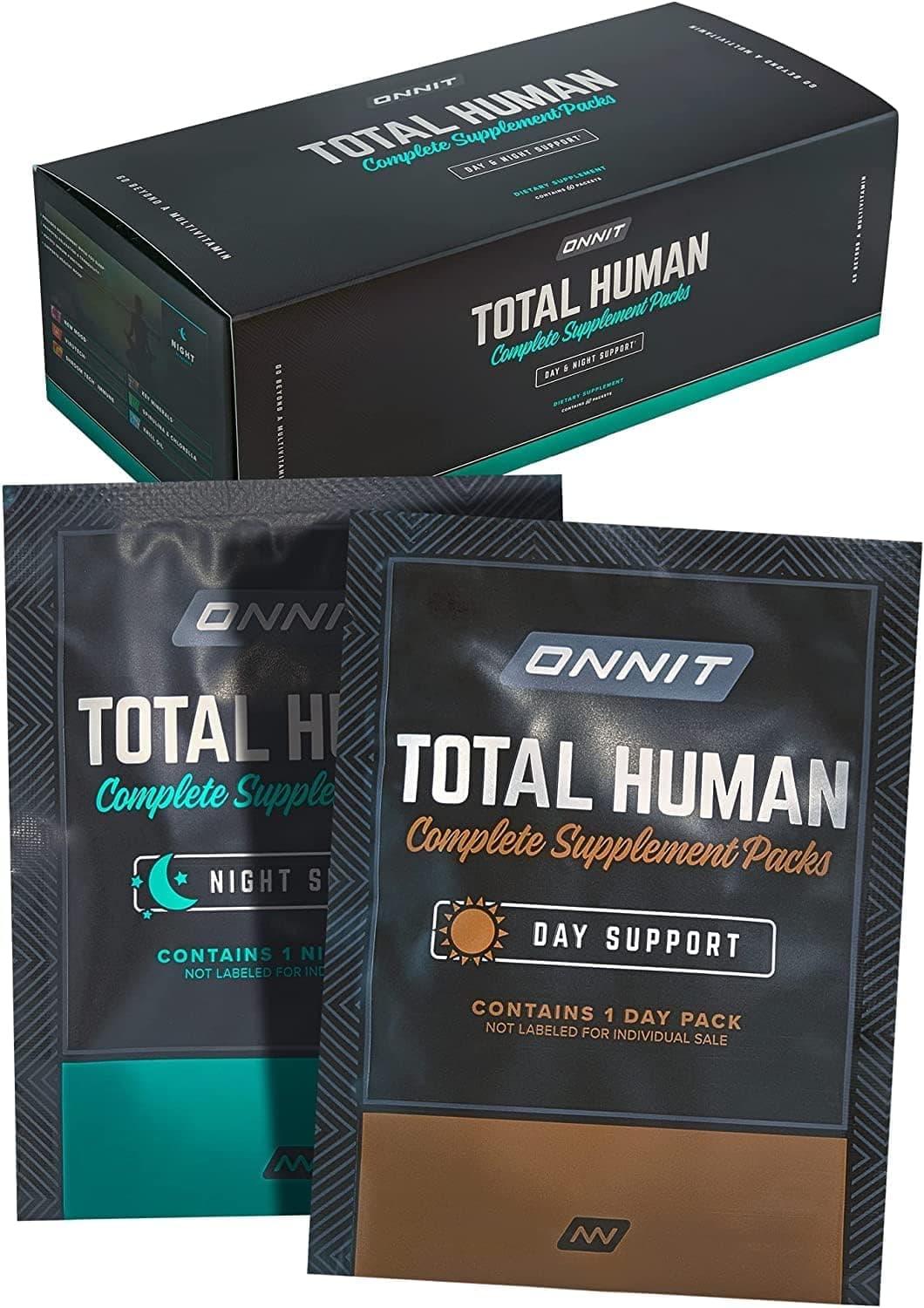
Peer-reviewed analysisShroom Tech Sport Blend is the lead active here, studied most for everyday stress. 21 human studies on Shroom Tech Sport Blend back this formula, each one cited. Each serving carries 2,750 mg of Spirulina & Chlorella, inside the range the published research used. Who it fits: for everyone, adults.
 Verified by IngredientMD
The panel on the left is the one we evaluated, line by line.
All 8 actives checked against the clinical evidence: dose, form, and what the research actually shows.
Doses, ratios, and how the ingredients work together. That assessment is the verdict above: "Stronger in a pair".
The verdict is public and identical whether or not a brand pays. A formula that does not clear the bar gets nothing.
Read by the engine against 2.1 million data points from clinical trials, PubMed and more than a hundred vetted sources. No individual reviewer is named or implied.
Cross-checked against 678 documented interactions for these actives.
Public health figures the engine matched to this formula's ingredients. Reported by their source, cited and dated, never written by the brand.
About 41% of US adults
have blood vitamin D below the level considered sufficient.
Peer-reviewed analysisUnder 250 mg a day
US adults average well under the 250 mg a day of EPA and DHA that health authorities suggest for heart health.
Peer-reviewed analysis12% of US adults
regularly reported feelings of worry, nervousness, and anxiety in 2024, in the National Health Interview Survey.
CDC National Center for Health Statistics, 202439% of adults worldwide
said they worried a lot the previous day, in the Gallup World Poll fielded in 2024 across 144 countries and territories.
Gallup, 202437% of adults worldwide
said they felt stressed the previous day, in the Gallup World Poll fielded in 2024 across 144 countries and territories.
Gallup, 202457.6%
During 2017 to 2018, 57.6% of US adults aged 20 and over reported using a dietary supplement in the past 30 days.
CDC National Center for Health Statistics59 to 66 days
was the median time it took adults to make a new daily health habit automatic across the studies a 2024 review pooled, with individuals ranging from 4 to 335 days.
Systematic review and meta-analysis, 202461% to 74%
About 61 to 74 percent of adults refilling a long-term medicine on their own stopped within a year, versus 33 to 44 percent on one set pickup day.
Cohort study, 2015US pregnant women, median 129 micrograms per litre
Between 2005 and 2010, US pregnant women had a median urine iodine level of 129 micrograms per liter, below the range considered adequate in pregnancy.
Peer-reviewed analysisRandomised trial, 2024
Over 28 days, 15 healthy adults with moderate stress taking a branded L-theanine ingredient had perceived-stress scores fall 17.98%, alongside routine safety monitoring.
Neurology and TherapyRandomised trial, 2025
Over five days, 15 young women with menstrual discomfort drinking a chamomile and theanine beverage had self-reported pain ratings fall 57.17%, with mood and sleep ratings also changing.
Journal of Food and Drug AnalysisSystematic review, 2020
Across 9 trials, 200 to 400 mg a day of L-theanine may help lower stress and anxious feelings in people facing stressful situations.
Plant Foods for Human NutritionMeta-analysis, 2022
Pooling trials, ashwagandha lowered self-reported anxiety and stress scores compared with placebo.
Phytotherapy researchMeta-analysis, 2025
In a pooled analysis of supplement trials, ashwagandha was among the interventions linked with better self-reported sleep quality.
NutrientsRandomised trial, 2019
In a 4-week trial in 30 healthy adults, 200 mg a day of L-theanine improved sleep quality scores, with faster sleep onset and less disturbance.
NutrientsMeta-analysis, 2025
In healthy adults, across trials, L-theanine with caffeine modestly improved accuracy on an attention-switching task, and L-theanine alone modestly sped up choice reaction time.
Nutrition ReviewsRandomised trial, 1997
In iodine-deficient adults, 0.2 mg of iodide daily reduced thyroid gland volume by about 38% over 12 months compared with placebo.
Journal of Clinical Endocrinology and MetabolismRandomised trial, 2021
In 35 power-training athletes over 12 weeks, krill oil raised the HS-Omega-3 Index from 4.82% to 6.77%, while the placebo group showed no change.
NutrientsMeta-analysis, 2024
Across 10 trials in 318 athletes, vitamin D3 raised blood vitamin D by about 14.8 nmol/L and hinted at better muscle strength, though few trials leave that uncertain.
Frontiers in NutritionMeta-analysis, 2017
Across seven trials in 662 people, krill oil lowered LDL cholesterol by about 15.5 mg/dL and triglycerides by about 14 mg/dL compared with control.
Nutrition ReviewsMeta-analysis of randomized controlled trials, 2017
Across 19 trials in 797 people, chlorella lowered the top blood pressure number by about 4.5 points and the bottom by about 1.6 points.
Clinical NutritionSystematic review and dose-response meta-analysis, 2022
Across 10 trials in 539 adults, chlorella lowered total and LDL cholesterol by about 7.5 and 7.7 mg/dL, with no clear change in triglycerides or HDL.
Complementary Therapies in MedicineRandomised trial, 2016
During a repeated dietary cholesterol challenge in adults, chlorella held the rise in total cholesterol to 3.5 percent versus 9.8 on placebo, and LDL to 1.7 versus 14.3 percent.
Nutrition JournalMeta-analysis, 2014
Pooling 30 trials of 5,615 adults, vitamin D gave a small rise in overall muscle strength, with no measurable effect on muscle mass or power.
Journal of Clinical Endocrinology and MetabolismMeta-analysis, 2026
In adults with raised liver fat, chlorella lowered body weight by 1.6 kg and improved blood sugar and cholesterol, but the evidence was rated very low quality.
BMC Cardiovascular DisordersRandomised trial, 2021
In a 14-day trial of 34 trained athletes, the carvacrol-rich oregano essential oil arms showed higher HDL cholesterol than the control group, and LDL cholesterol fell within the oregano group.
Zeitschrift fur Naturforschung CRandomised trial, 2025
Vitamin D3 supplementation changed the inflammatory protein CHI3L1 and oxidative stress markers in adults with a chronic demyelinating condition. These are markers, not clinical outcomes.
Neuropsychopharmacology ReportsRandomised double-blind placebo-controlled trial, 2016
In adults with elevated liver fat, 1.2 g/day of Chlorella vulgaris for 8 weeks lowered fasting blood glucose relative to placebo (between-group P = 0.014).
Clinical NutritionMeta-analysis, 2024
Pooling nine randomized trials in 558 adults, ashwagandha lowered perceived stress scores by about 4.7 points and serum cortisol by about 2.6 micrograms per deciliter compared with placebo.
ExploreMeta-analysis, 2021
Across five randomized trials in 400 adults, ashwagandha extract improved overall sleep with a small pooled effect (standardized mean difference -0.59), most noticeable at doses of 600 mg or more per day taken for at least eight weeks.
PLoS OneMeta-analysis, 2025
Pooling the randomised trials, L-theanine was linked to small improvements in self-reported sleep quality, while objective sleep measures showed no detectable difference.
Meta-analysisMeta-analysis, 2024
Across 20 studies, daily vitamin D3 raised blood vitamin D levels by about 10.4 nmol/L more than the same dose of vitamin D2, roughly 40 percent more.
Advances in NutritionMeta-analysis, 2012
In trials directly comparing the two forms, vitamin D3 raised blood 25-hydroxyvitamin D more than vitamin D2 did (P = 0.001).
American Journal of Clinical NutritionRandomised trial, 2025
In women of childbearing age with low vitamin D status, a routine daily dose of vitamin D3 raised circulating 25(OH)D concentrations over the study period.
European journal of nutritionRandomised trial, 2025
In adults with long-term limited mobility, vitamin D3 raised blood vitamin D levels, with two different dosing schedules performing similarly.
Topics in spinal cord injury rehabilitationMeta-analysis, 2020
Pooling four randomized trials in 142 athletes and healthy adults, ashwagandha raised maximal oxygen uptake (VO2max) by about 3.0 mL/kg/min compared with placebo.
NutrientsMeta-analysis, 2025
Across 29 randomised trials in 1,583 people, edible algae including chlorella lowered systolic blood pressure by about 2.1 mmHg and diastolic by about 1.9 mmHg, with doses above 3 g a day and whole algae showing the larger effect.
Journal of Human Nutrition and DieteticsMeta-analysis, 2026
Across randomised trials, ashwagandha supplementation was associated with small gains in exercise performance measures such as strength and oxygen uptake.
NutrientsMeta-analysis, 2026
Across combined trials, krill oil was linked to modest improvements in self-reported knee comfort and function in adults with age-related knee wear.
InflammopharmacologyMeta-analysis, 2024
Across 5 trials in 700 people with knee pain, krill oil produced a small improvement in knee physical function (SMD -0.24) but no measurable change in knee pain or stiffness versus placebo.
InflammopharmacologyMeta-analysis, 2023
An updated combined analysis found krill oil lowered blood triglycerides in adults, with little consistent change in other blood fat measures.
The paperMeta-analysis, 2025
Pooled randomised trials reported improvements in knee joint comfort and function scores with krill oil compared with control.
MedicineMeta-analysis, 2024
Across trials of Mediterranean-diet aromatic herbs and spices, oregano among them, fasting blood sugar and longer-term glucose markers improved modestly in adults with raised blood sugar.
NutrientsMeta-analysis, 2014
Across 23 trials of 4,082 adults, vitamin D raised bone mineral density at the femoral neck by about 0.8%, with no measurable change at the spine, hip, or other sites.
LancetMeta-analysis, 2022
In an individual-participant analysis of 260 adults, short-term daily vitamin D3 showed no detectable effect on muscle strength, timed-up-and-go, chair rising, balance or body composition, with a signal only in the subgroup whose starting 25-hydroxyvitamin D was below 25 nmol/L.
Journal of Clinical Endocrinology and MetabolismRandomised trial, 2026
In physically active adults, vitamin D3 supplementation was tested against cardiac, muscle and immune measures, and the reported changes were modest.
Journal of the International Society of Sports NutritionRandomised trial, 2026
In 498 ten-year-olds from a pregnancy trial, higher-dose vitamin D3 modestly improved verbal and visual memory versus standard dose, but not other measures.
JAMA Network OpenSystematic review and meta-analysis, 2020
In pregnant women with mild to moderate iodine deficiency, iodine lowered a thyroid marker and curbed the usual pregnancy rise in thyroid size. Infant cognitive, language and motor scores showed no change across trials.
American Journal of Clinical NutritionMeta-analysis, 2023
200 micrograms of iodine a day raised iodine levels and shifted thyroid hormones in pregnancy across 11 studies.
Journal of Trace Elements in Medicine and BiologyMeta-analysis, 2026
In pregnant women with low iodine status, iodine was linked to lower TSH and thyroglobulin in the blood, both markers rather than health outcomes.
Frontiers in Public HealthSystematic review, 2021
Across pooled studies, iodine supplementation in pregnancy shifted maternal iodine status and thyroid function measures, while effects on offspring endpoints were inconsistent between studies.
European Journal of EndocrinologySystematic review, 2021
In areas with low population iodine intake, supplementation during pregnancy was associated with better neurocognitive development scores in offspring in some but not all included studies.
Archives of Endocrinology and MetabolismMeta-analysis, 2022
Pooling randomised trials, high-dose vitamin D3 was not associated with lower mortality in critically ill adults. This is a null pooled result, not a demonstration of no effect.
Frontiers in NutritionPopulation figures from public health data. Context for the category, not a statement about any individual and not a claim about this product.
Each line below was derived from this formula's own record at the time of verification. Nothing here was written by the brand, and nothing can be added that the evidence does not carry.
Time-to-effect windows the engine read from the trial record. Each is a window a named study measured, cited and dated, never written by the brand.
Two double-blind placebo-controlled crossover trials measured attention at a fixed interval after one oral dose. In 24 overnight sleep-deprived adults aged 20 to 25, a 200 mg dose tested 45 minutes post-dose reduced false alarms on a traffic-scene recognition task and raised target-distractor discriminability. In 27 healthy young adults tested 50 minutes post-dose, 400 mg shortened the parietal P3b event-related potential latency against placebo, with no significant change at 100 or 200 mg. Both trials measured task and electrophysiological markers, not a subjective feeling.
In the trial record, blood vitamin D rises for about 3 months of daily vitamin D3 and then holds at a plateau, near 69 nmol/L at 1,000 IU a day, from a starting level near 41 nmol/L.
In a 60 day randomised, double-blind, placebo-controlled trial, 60 stressed healthy adults took 240 mg of a standardised ashwagandha extract (Shoden) once daily or placebo. The ashwagandha arm showed a larger fall in Hamilton Anxiety Rating Scale scores (p = .040) and in morning cortisol (p < .001) than placebo, with the DASS-21 change near-significant (p = .096). A separate 8 week randomised, double-blind, placebo-controlled dose-ranging trial enrolled 131 adults with self-reported high stress and analysed 98, measuring reduced Perceived Stress Scale scores at 125, 250 and 500 mg per day of an aqueous root and leaf extract. Two trials on two different extracts, both landing in the same eight to nine week band.
In a 24 week randomised double-blind placebo-controlled trial in 112 mildly iodine-deficient New Zealand adults aged 18 to 40, 150 micrograms of iodine a day as potassium iodate lowered thyroglobulin, a blood marker of iodine status, by 12 percent at 8 weeks, 20 percent at 16 weeks and 27 percent at 24 weeks compared with placebo. Median urinary iodine reached 168 micrograms per litre against 79 on placebo. TSH and free T4 stayed within normal range and did not change significantly.
Two identical randomised, double-blind, placebo-controlled trials pooled 520 adults with fasting triglycerides of 500 to 1,500 mg/dL, randomised 2.5 to 1 to 4 g per day of a krill-derived omega-3 phospholipid and free fatty acid formulation or placebo for 26 weeks. Triglycerides fell 26.0 percent on the krill formulation and 15.1 percent on placebo at 12 weeks, a treatment difference of 10.9 percent, and the difference persisted at 26 weeks. Three authors were employed by the sponsor, Acasti Pharma. Separately, a 25-person double-blind crossover trial in mildly hypertriglyceridaemic adults measured a triglyceride change after four weeks on krill oil 500 mg twice daily. Blood lipids were measured, not a feeling.
Windows measured in the cited trials. Context for how the active behaves over time, not a statement about any individual and not a claim about this product.
7 ingredients, from each one's own page.
For most people, with blood levels peaking inside the first hour. Nothing accumulates, so each dose stands on its own.
25-hydroxyvitamin D climbs over roughly six to twelve weeks of daily dosing before it plateaus. It's a blood level you watch rather than a feeling.
Give it two to four weeks. Morning cortisol shifts on a blood draw before a calmer week is something you'd describe out loud.
The warmth in the stomach is immediate. Anything to do with digestive comfort is usually judged across a two to four week course rather than from a single capsule.
Thyroid hormone turns over slowly, so the change lands on a urinary iodine measure and a thyroid panel before it lands anywhere in your day.
The omega 3 index climbs over eight to twelve weeks of daily use. Joint and eye comfort, where they shift, follow in roughly that window.
Green stools turn up with the first few doses. Changes in nutrient markers are read on a blood panel after roughly eight to twelve weeks of daily use.
How each ingredient usually behaves over time, from its own page on IngredientMD. General timing for the ingredient, not a measurement of this product.
What each form is, and where it fits in a formula. Measured findings carry the study that reported them.
The single L-enantiomer as a free amino acid, the form found in tea leaf and the form used in essentially all human trials.
The animal-sourced form of vitamin D, made in skin under UVB light and produced commercially from lanolin. Fat-soluble, so it travels with dietary fat and is stored in body fat.
In a 12-week double-blind randomised controlled trial in 108 young women in urban Bangalore, most of whom began vitamin D-deficient, daily vitamin D3 at 400, 600 or 800 IU in a fortified wafer raised serum 25-hydroxyvitamin D, parathyroid hormone fell over time, and effects on bone-turnover markers were modest and not dose specific. The 800 IU dose brought 65 percent of participants to sufficiency.
Descriptions of the form itself, read from the cited studies. Not a comparison between products and not a statement about any individual.
It is a capsule, so the amount per serving is fixed and travels without measuring.
Put an earned verification on your own product page.
These statements have not been evaluated by the Food and Drug Administration. This product is not intended to diagnose, treat, cure, or prevent any disease. This record is not medical advice. Always consult your healthcare provider before starting any supplement regimen.