
The people it speaks toFieldwork August 2023
74% of US adults
take dietary supplements, and 55% are regular users, in the Council for Responsible Nutrition's 2023 consumer survey of 3,192 adults.
Council for Responsible Nutrition and Ipsos, 2023Limosilactobacillus reuteri SD-RD830-FR is the lead active here, studied most for vitamin B12 status. In the 215mg Digestive Health Probiotic Blend with 15 others, listed 16th. Bifidobacterium infantis SD-M63-JP is the most studied active here, with 12 human studies behind it, each one cited. Who it fits: for everyone, adults.
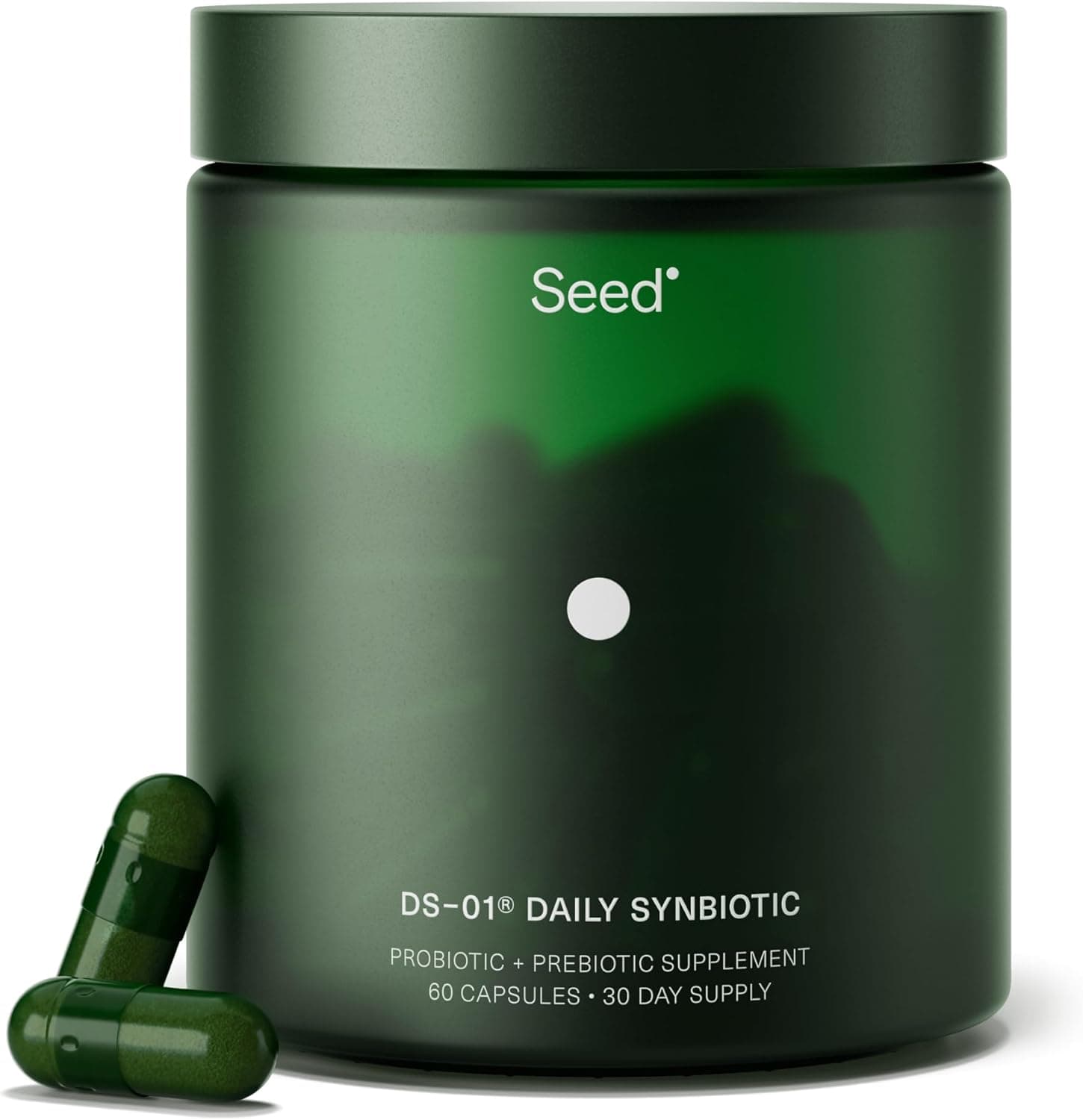 Verified by IngredientMD
The panel on the left is the one we evaluated, line by line.
All 29 actives checked against the clinical evidence: dose, form, and what the research actually shows.
Doses, ratios, and how the ingredients work together. That assessment is the verdict above: "Backed by human trials".
The verdict is public and identical whether or not a brand pays. A formula that does not clear the bar gets nothing.
Read by the engine against 2.1 million data points from clinical trials, PubMed and more than a hundred vetted sources. No individual reviewer is named or implied.
Cross-checked against 7 documented interactions for these actives.
Public health figures the engine matched to this formula's ingredients. Reported by their source, cited and dated, never written by the brand.
74% of US adults
take dietary supplements, and 55% are regular users, in the Council for Responsible Nutrition's 2023 consumer survey of 3,192 adults.
Council for Responsible Nutrition and Ipsos, 202392% of US supplement users
agree that dietary supplements are essential to maintaining their health, in the Council for Responsible Nutrition's 2023 consumer survey.
Council for Responsible Nutrition and Ipsos, 202312.3% of US adults
met the fruit intake recommendation and 10.0% the vegetable recommendation in 2019, in the Behavioral Risk Factor Surveillance System across 49 states.
CDC, MMWR, 202215% of US adults
aged 20 and over ate no breakfast on the day of their dietary recall, in the 2017 to March 2020 What We Eat in America survey.
USDA Agricultural Research Service, 202457.6%
During 2017 to 2018, 57.6% of US adults aged 20 and over reported using a dietary supplement in the past 30 days.
CDC National Center for Health Statistics60.2% of US adults aged 20 and over
took a dietary supplement in the past 30 days, and 38.7% took two or more, in the 2021 to 2023 National Health and Nutrition Examination Survey.
CDC National Center for Health Statistics, 202659 to 66 days
was the median time it took adults to make a new daily health habit automatic across the studies a 2024 review pooled, with individuals ranging from 4 to 335 days.
Systematic review and meta-analysis, 202461% to 74%
About 61 to 74 percent of adults refilling a long-term medicine on their own stopped within a year, versus 33 to 44 percent on one set pickup day.
Cohort study, 2015Randomised trial, 2022
Aronia berry (poly)phenol supplementation was associated with changes in arterial function measures and gut microbiome composition in the participants studied.
Clinical NutritionRandomised trial, 2026
A single-blind randomised study reported changes in cognitive test scores and in microbiota composition with Bifidobacterium longum supplementation.
International Journal of Medical SciencesRandomised trial, 2025
Heat-sterilised L. crispatus KT-11 was associated with changes in T cell-related immune measures, which are laboratory markers of immune activity rather than clinical endpoints.
Nutrition ResearchSystematic review, 2025
Across the trials reviewed, polyphenol-rich interventions were associated with shifts in gut microbiota composition and in some inflammatory or oxidative stress markers.
NutrientsCohort study, 2026
Strain BB536 intake was associated with improvements in gastrointestinal symptom scores and odour-related metabolite measures. This is an association, not a demonstrated cause.
Journal of the International Society of Sports NutritionMeta-analysis, 2025
Pools randomised controlled trials of Lactobacillus supplementation and reports pooled effects on the outcomes those trials measured. The pooled trials span mixed species, strains and settings, so it is not strain-specific evidence for any one product or for L. reuteri in particular.
MicrobiologyOpenRandomised trial, 2026
A (poly)phenol-rich sugarcane extract intervention was assessed for effects on markers of gastrointestinal integrity and systemic inflammation.
Journal of the International Society of Sports NutritionRandomised trial, 2024
Reports glycaemic index, lipid panel and microbiome composition measures in adults supplemented with Lactobacillus rhamnosus. All three are laboratory markers rather than clinical outcomes.
FoodsSystematic review, 2024
Across randomised trials the review examined whether probiotic supplementation changed intestinal permeability measures in adults carrying excess body weight, and reported inconsistent findings across studies and markers.
Advances in NutritionOpen-label trial, 2026
Bifidobacterium supplementation was reported to maintain gut microbiota stability and self-reported well-being measures across the supplementation period.
Frontiers in NutritionRandomised trial, 2026
Evaluates a preparation containing Lactobacillus rhamnosus across clinical, biological and patient-reported measures in a single trial. The multidimensional design is the paper's contribution.
NutrientsSystematic review, 2023
Combining earlier reviews, probiotics raised one blood antioxidant marker and lowered another marker of oxidative balance, not outcomes on their own.
Frontiers in nutritionRandomised trial, 2025
Supplementation with Lactobacillus helveticus plus Bifidobacterium longum was reported to change hormonal and related laboratory measures relative to control. These are markers, not clinical outcomes.
Nutrition JournalSystematic review, 2025
Oral synbiotics shifted gut microbiota composition in healthy adults, while effects on inflammatory biomarkers were inconsistent across trials.
Nutrition ReviewsRandomised trial, 2025
A bioconversion-derived postbiotic improved measured muscle strength and shifted gut microbiota composition in healthy participants.
NutrientsCohort study, 2026
Culture-based sampling described which intestinal lactobacilli were recoverable in young people compared with centenarians. This is an association across age groups and not a supplementation effect.
Frontiers in MicrobiologyRandomised trial, 2026
A study tested a byproduct of a bacteria strain, not the live organism, so findings apply to that processed material only.
BMC MicrobiologyRandomised trial, 2026
The CRANMOOD randomised controlled trial assessed effects of (poly)phenol-rich cranberry on mental health measures in students.
Clinical NutritionMeta-analysis, 2025
Pooled analysis of chokeberry supplementation examined cardiometabolic outcome measures across the available trials.
NutrientsMeta-analysis, 2025
A meta-analysis of Moringa oleifera supplementation on cardiometabolic outcomes, in which phenolic content is discussed as a constituent.
NutrientsRandomised trial, 2026
Oral L. crispatus M247 combined with vaginal laser therapy was assessed for clinical measures and vaginal microbiota composition. Microbiota shifts are community markers rather than clinical outcomes on their own.
Lasers in Medical ScienceMeta-analysis, 2026
Pooled trials reported modestly lower circulating cortisol with probiotic supplementation, with the certainty of the pooled estimate graded as limited.
BMC nutritionRandomised trial, 2026
A synbiotic combining strains including this species with fibre was compared against control for abdominal visceral fat measures and gut microbiota in adults carrying excess body weight. The intervention was a multi-component synbiotic, so nothing is attributable to one strain.
Clinical NutritionRandomised trial, 2026
A 12-week double-blind placebo-controlled exploratory pilot of a heat-treated Bifidobacterium preparation reported pilot-scale findings the authors describe as exploratory and needing confirmation.
BMC NutritionRandomised trial, 2022
A low glycaemic index energy-restricted diet changed faecal short-chain fatty acid concentrations, while adding Lactobacillus rhamnosus did not produce a detectable additional change. A failure to detect a difference, not evidence that none exists.
European Review for Medical and Pharmacological SciencesRandomised trial, 2026
Infants given a specific probiotic strain had fewer caregiver-reported bouts of skin irritation and breathing or digestive symptoms than infants without it, specific to that strain and dose.
QJMRandomised trial, 2026
A randomised trial of the M-63 strain reported gut environment measures and bowel function during weaning.
Pediatric ResearchRandomised trial, 2014
Preterm neonates given Bifidobacterium breve M-16V had higher faecal bifidobacteria counts than those given placebo.
PloS oneRandomised trial, 2016
In growth restricted very preterm infants, M-16V supplementation raised faecal bifidobacteria counts compared with placebo.
The journal of maternal-fetal & neonatal mediRandomised trial, 2026
In early childhood, a different specific probiotic strain was linked to fewer reported bouts of skin irritation and breathing symptoms than no supplement, specific to that strain.
Frontiers in NutritionRandomised trial, 2025
A clinical trial of the YLGB-1496 strain reported changes in gut microbiota composition and immune measures against comparator.
Frontiers in NutritionRandomised trial, 2026
A randomised controlled trial reported that Bifidobacterium longum subsp. infantis B8762 altered infant gut microbial and metabolic profiles.
Microbial pathogenesisRandomised trial, 2026
Bifidobacterium animalis subsp. lactis XLTG11 given with a Lactobacillus plantarum strain shifted gut microbiota composition relative to control. Community composition is a measured microbial readout and not a health endpoint.
European Journal of NutritionRandomised trial, 2026
The authors examined whether the M-63 strain shifts gut microbial composition across the weaning transition.
Pediatric ResearchRandomised trial, 2025
A trial compared a live versus a heat-inactivated Bifidobacterium preparation in preterm infants head-to-head, to test whether the bacteria needed to be alive for any effect.
Archives of disease in childhood, Fetal and neonatal editionCohort study, 2016
In a before-and-after cohort of preterm newborns, routine Bifidobacterium breve M-16V use was linked to better outcomes than the period before it started, an association rather than a proven cause.
PloS oneRandomised trial, 2026
A 12-month randomised trial measuring progression of early enamel lesions in children given a probiotic supplement.
European Journal of Oral SciencesRandomised trial, 2026
A randomised trial of early postoperative synbiotic supplementation, with Lactobacillus rhamnosus among the strains, reporting gastrointestinal tolerance measures after bariatric surgery.
Clinical NutritionSystematic review, 2026
A review of probiotics in hospitalised infants after cardiac surgery reported intestinal mucosal integrity markers and microbial composition. Markers, not clinical outcomes.
Frontiers in ImmunologySystematic review, 2026
The review concluded that early-life probiotic effects on respiratory infection measures are strain-specific and cannot be generalised across products.
NutrientsRandomised trial, 2026
School-age follow-up of a single-strain versus triple-strain probiotic trial reported neurodevelopmental and atopy measures years after the original supplementation period.
NutrientsMeta-analysis, 2023
Pooled trials of a probiotic strain in infants reported measurable effects on the outcomes tracked, along with acceptable tolerability.
FoodsRandomised trial, 2026
In a trial against placebo, the dose and timing of Bifidobacterium infantis both changed how well the strain took hold in infants' guts.
mSphereSystematic review, 2025
Pooled data support vertical mother-to-infant transmission of Bifidobacterium strains in early life, with transmission proportions varying by species and delivery mode.
NPJ Biofilms and MicrobiomesRandomised trial, 2026
Reports executive function test scores in children given a probiotic supplement. Cognitive test scores are measures of performance on the task, and the report should be read at that level.
Neuropsychopharmacology ReportsMeta-analysis, 2026
Systematic review and meta-analysis of trials of the DSM 17938 strain in preterm newborns and in infants with excessive crying, pooling the crying and tolerance outcomes those trials reported.
NutritionPopulation figures from public health data. Context for the category, not a statement about any individual and not a claim about this product.
Each line below was derived from this formula's own record at the time of verification. Nothing here was written by the brand, and nothing can be added that the evidence does not carry.
Time-to-effect windows the engine read from the trial record. Each is a window a named study measured, cited and dated, never written by the brand.
In a randomised preliminary trial, sixteen healthy national-level cross-country skiers took Bifidobacterium lactis BL-99 daily for 8 weeks. Over the supplementation period, gut abundance of Bifidobacterium animalis rose about forty-fold and blood triglyceride levels shifted.
Windows measured in the cited trials. Context for how the active behaves over time, not a statement about any individual and not a claim about this product.
12 ingredients, from each one's own page.
Digestive changes usually show up somewhere between one and four weeks of daily use. Trials that looked at stress and mood measures read them at four weeks or later.
Nobody has published a reliable time to effect for this strain in adults. The infant studies dosed daily for weeks, so weeks is the honest expectation rather than days.
Digestive changes with spore probiotics generally show up over one to three weeks of daily use. Since the species is transient, effects track continued intake.
Most people notice digestive changes over one to two weeks. Immune related measures in trials are read after eight to twelve weeks of continuous use.
Is the length most trials ran. Some people report calmer digestion inside the first two weeks, and the fuller picture tends to land around week four.
Give it one to four weeks of daily use. Stool regularity and less day-to-day bloating are usually the first things people notice.
Community shifts are read by swab or sequencing over weeks rather than felt. Nobody has established a reliable sensation timeline for this one.
Digestive changes usually turn up in the first one to two weeks. The steadier pattern in bowel habit tends to settle around week three or four.
What ME-3 was studied for is redox and lipid readings on a blood panel, so a repeat test tells you more than how your day feels.
Give it two to four weeks of daily intake. The strains show up in stool within days, but the digestive changes people report land in that two to four week window.
Digestive changes tend to land within one to two weeks of daily use. Gum and mouth measures in lozenge studies read out over two to four weeks.
Changes show up in stool pattern and comfort rather than as a sensation.
How each ingredient usually behaves over time, from its own page on IngredientMD. General timing for the ingredient, not a measurement of this product.
It is a capsule, so the amount per serving is fixed and travels without measuring.
Put an earned verification on your own product page.
These statements have not been evaluated by the Food and Drug Administration. This product is not intended to diagnose, treat, cure, or prevent any disease. This record is not medical advice. Always consult your healthcare provider before starting any supplement regimen.