
FolateWWEIA NHANES 2013 to 2016
About 8% of US men aged 19 and over
take in less folate from food and drink than the estimated average requirement.
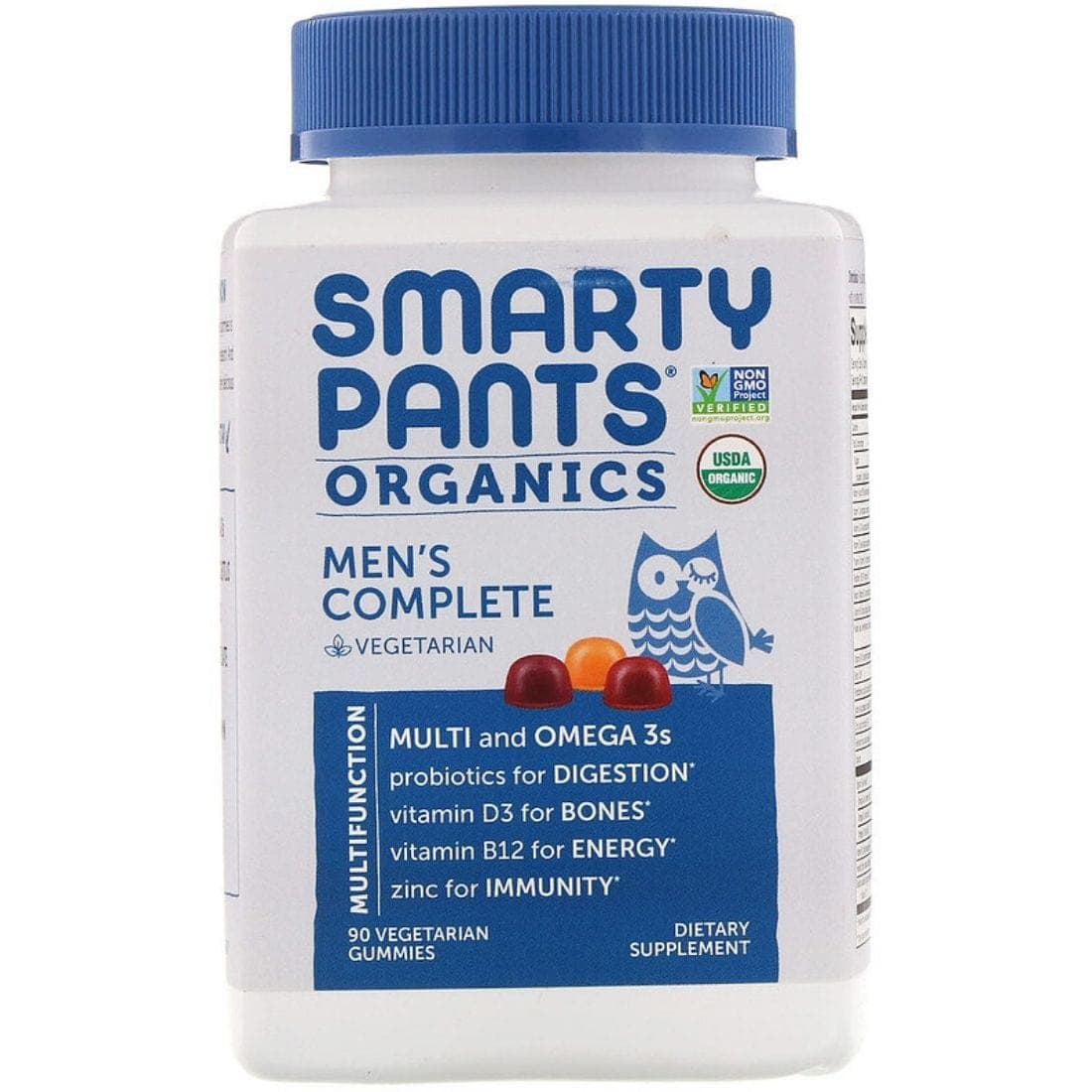
NHANESFolate is the lead active here. 13 human studies on Folate back this formula, each one cited. Who it fits: made for men, adults.
 Verified by IngredientMD
The panel on the left is the one we evaluated, line by line.
All 8 actives checked against the clinical evidence: dose, form, and what the research actually shows.
Doses, ratios, and how the ingredients work together. That assessment is the verdict above: "Stronger in a pair".
The verdict is public and identical whether or not a brand pays. A formula that does not clear the bar gets nothing.
Read by the engine against 2.1 million data points from clinical trials, PubMed and more than a hundred vetted sources. No individual reviewer is named or implied.
Cross-checked against 1,003 documented interactions for these actives.
Public health figures the engine matched to this formula's ingredients. Reported by their source, cited and dated, never written by the brand.
About 8% of US men aged 19 and over
take in less folate from food and drink than the estimated average requirement.
NHANESAbout 84% of US adults
take in less vitamin E than the estimated average requirement.
Peer-reviewed analysisAbout 15% of US adults
take in less zinc than the estimated average requirement.
Peer-reviewed analysisUnder 250 mg a day
US adults average well under the 250 mg a day of EPA and DHA that health authorities suggest for heart health.
Peer-reviewed analysisAbout 72% of US men aged 19 and over
take in less vitamin E from food and drink than the estimated average requirement.
NHANES74% of US adults
take dietary supplements, and 55% are regular users, in the Council for Responsible Nutrition's 2023 consumer survey of 3,192 adults.
Council for Responsible Nutrition and Ipsos, 202392% of US supplement users
agree that dietary supplements are essential to maintaining their health, in the Council for Responsible Nutrition's 2023 consumer survey.
Council for Responsible Nutrition and Ipsos, 202312.3% of US adults
met the fruit intake recommendation and 10.0% the vegetable recommendation in 2019, in the Behavioral Risk Factor Surveillance System across 49 states.
CDC, MMWR, 202215% of US adults
aged 20 and over ate no breakfast on the day of their dietary recall, in the 2017 to March 2020 What We Eat in America survey.
USDA Agricultural Research Service, 202457.6%
During 2017 to 2018, 57.6% of US adults aged 20 and over reported using a dietary supplement in the past 30 days.
CDC National Center for Health Statistics60.2% of US adults aged 20 and over
took a dietary supplement in the past 30 days, and 38.7% took two or more, in the 2021 to 2023 National Health and Nutrition Examination Survey.
CDC National Center for Health Statistics, 202659 to 66 days
was the median time it took adults to make a new daily health habit automatic across the studies a 2024 review pooled, with individuals ranging from 4 to 335 days.
Systematic review and meta-analysis, 202461% to 74%
About 61 to 74 percent of adults refilling a long-term medicine on their own stopped within a year, versus 33 to 44 percent on one set pickup day.
Cohort study, 2015Meta-analysis, 2017
Across 51 trials in about 3,000 people, marine omega-3s lowered resting heart rate by about 2.2 beats per minute, an effect linked to DHA rather than EPA.
European Journal of Clinical NutritionSystematic review and meta-analysis, 2024
Improved flow-mediated dilation, a measure of how well arteries widen, by about 1.45 percentage points across 12 randomized trials.
High Blood Press Cardiovasc PrevMeta-analysis, 2025
Across 17 trials in 440 athletes, CoQ10 lowered muscle damage markers like creatine kinase by about 72 IU/L, though one antioxidant marker showed no detectable change, at low certainty.
Complementary Therapies in Clinical PracticeSystematic review and meta-analysis, 2025
Lowered muscle pain intensity by about 1 point on pooled pain scales across 7 randomized trials in adults taking statins.
J Nutr SciRandomised trial, 1997
In iodine-deficient adults, 0.2 mg of iodide daily reduced thyroid gland volume by about 38% over 12 months compared with placebo.
Journal of Clinical Endocrinology and MetabolismRandomised trial, 2020
In 24 adults given single doses, a specific folate form reached about twice the blood exposure of folic acid.
NutrientsMeta-analysis, 2026
A combined review across eight reviews found CoQ10 lowered fasting blood sugar by about 5.0 mg/dL and HbA1c by 0.17 percent in adults with high blood sugar, though results varied.
The paperMeta-analysis, 2016
Zinc acetate lozenges cut cold symptom length by about 2.7 days, versus a roughly seven day average, across three pooled trials.
British Journal of Clinical PharmacologyRandomised trial, 2025
In 38 adults aged 65 to 75 doing eight weeks of interval training, CoQ10 improved chair-stand scores more than placebo, but grip, balance and walking speed did not differ.
NutrientsRandomised trial, 2023
In 160 postmenopausal women with long-standing sleep difficulty, one month of vitamin E brought the median sleep questionnaire score to 6, versus 9 on placebo, where lower means better sleep.
NutrientsMeta-analysis, 2025
Across 21 trials, vitamin E lowered oxidized LDL and lengthened the time before LDL starts to oxidize, by about 20.45 units, both lab markers of oxidation.
European Journal of PharmacologyMeta-analysis, 2026
A review of vitamin D supplementation and semen quality measures in men found effects on sperm markers, not proven reproductive outcomes.
PeerJMeta-analysis, 2026
Pooling nine placebo-controlled eccentric-exercise trials in healthy adults, long-chain omega-3 fats reduced delayed onset muscle soreness (Hedges g -0.75) and the muscle-damage marker creatine kinase (-0.40) and improved muscle strength (0.45) and range of motion (0.93) at the point of worst impairment.
NutrientsRandomised trial, 2024
Adults taking methylfolate, pyridoxal-5'-phosphate and methylcobalamin together lowered circulating homocysteine compared with placebo.
NutrientsSystematic review, 2026
Reviewing trials that combined sodium bicarbonate, cholecalciferol and protein, the authors reported small gains in muscle mass and muscle function measures, without isolating any single component.
Frontiers in NutritionOpen-label trial, 2026
Investigators report that L-methylfolate with methylcobalamin lowered serum homocysteine and blood pressure readings in adults with hard to control elevated blood pressure and raised homocysteine. Homocysteine is a marker.
BMC nephrologyMeta-analysis, 2025
Across seven trials in 439 adults with elevated liver fat, fish oil moved triglycerides (standardised mean difference -0.40), the liver enzyme AST (-0.29), insulin resistance measured by HOMA-IR and waist circumference (-0.31) in a favourable direction, while ALT, GGT, body mass index and LDL cholesterol showed no detectable change.
Frontiers in NutritionRandomised trial, 2003
Over 24 weeks in 167 healthy adults, a folate form lowered a homocysteine marker by about 14.6% versus placebo, more than folic acid's 9.3%.
The American Journal of Clinical NutritionSystematic review, 2025
Across 16 studies in 6,098 people, vitamin B12 raised blood B12 levels by about 403 pg/mL, with oral or under-the-tongue doses working about as well as injections.
Frontiers in pharmacologyMeta-analysis, 2021
Across trials in older adults, vitamin D alone showed no detectable change in fall risk, while vitamin D with calcium was linked to fewer falls, mainly in those starting with low vitamin D levels.
Clinical NutritionRandomised trial, 2025
A trial of a zinc citrate toothpaste found changes in the oral plaque microbiome, a topical dental-care use rather than a swallowed supplement.
Scientific ReportsRandomised trial, 2024
A multi-micronutrient supplying either 400 or 800 micrograms of methylfolate raised serum folate forms in a dose-related way, with the higher dose producing the larger rise.
Molecular nutrition & food researchMeta-analysis, 2012
In head to head randomised trials, vitamin D3 raised blood 25-hydroxyvitamin D more than vitamin D2, with the gap clearest after a single large dose and less apparent with daily dosing.
The American Journal of Clinical NutritionSystematic review, 2026
A Cochrane review found vitamin B12 supplementation improves vitamin B12 status, while effects on blood counts were less certain.
The Cochrane database of systematic reviewsMeta-analysis, 2015
Across 12 trials, vitamin E lowered a blood marker of inflammation by about 0.62 mg/l compared with not taking it.
European Journal of Clinical NutritionSystematic review, 2023
Across the trials reviewed, B vitamins and vitamin D showed mixed results for low mood and anxiety symptoms, with the authors noting heterogeneity in dose, population and baseline status. Methylfolate appears as one of the B vitamins reviewed rather than as the subject.
Nutritional NeuroscienceRandomised trial, 2026
Two oral B12 doses were compared for nerve-related outcomes, but the report only describes the difference between them, not which dose is better.
The Journal of nutritionMeta-analysis, 2023
Across 12 trials in 794 adults with high liver fat, at least 400 IU of vitamin E daily lowered two liver enzyme markers by 7 to 10 and 5 units.
NutrientsSystematic review, 2025
A review summarizes reported immune-related changes when B12 levels are restored in adults with impaired absorption, noting the evidence base is small and doesn't test this specific form on its own.
Oxidative medicine and cellular longevityMeta-analysis, 2026
Pooling trials in adult men, vitamin D supplementation showed no consistent change in total testosterone or androgen availability markers.
NutrientsMeta-analysis, 2026
Pooling randomised trials in adults, zinc had a small effect on body weight and waist circumference and no detectable effect on body mass index, fat mass, fat-free mass or adipokine levels, and the authors call the size of the changes minor.
Biological Trace Element ResearchMeta-analysis, 2025
Across four trials in women of reproductive age, zinc lowered premenstrual symptom scores, with the biggest gain in mood and a smaller, less certain gain in physical symptoms.
Women and HealthMeta-analysis, 2011
Across 36 studies in children under five, zinc modestly increased height growth, adding roughly 0.37 cm at about 10 mg a day for 24 weeks.
BMC Public HealthMeta-analysis, 2022
Across 8 trials in 1,002 women, vitamin E taken by mouth reduced reported menstrual cramp pain compared with placebo, with the clearest effect in the first month.
Clinical Nutrition ESPENMeta-analysis, 2026
Pooling the available trials, adjuvant vitamin E alongside varicocele surgery was associated with better post-operative semen parameters, which are laboratory markers of sperm quality and not fertility outcomes.
Archivio Italiano di Urologia e AndrologiaMeta-analysis, 2024
Pooling 15 trials in pregnant women, fish oil capsules showed no detectable difference from placebo in blood sugar or blood lipid measures overall, with a lower HOMA-IR (mean difference -0.60) in the subgroup taking under 200 mg of EPA.
Nutrition ReviewsMeta-analysis, 2026
Across 11 trials in 992 women of reproductive age, vitamin D produced no detectable change in a blood hormone marker of ovarian reserve.
Frontiers in EndocrinologyMeta-analysis, 2023
200 micrograms of iodine a day raised iodine levels and shifted thyroid hormones in pregnancy across 11 studies.
Journal of Trace Elements in Medicine and BiologyMeta-analysis, 2026
In pregnant women with low iodine status, iodine was linked to lower TSH and thyroglobulin in the blood, both markers rather than health outcomes.
Frontiers in Public HealthMeta-analysis, 2025
A pooled analysis found the active folate form raised blood folate and lowered homocysteine, both markers rather than clinical outcomes.
MedicineRandomised trial, 2011
In women aged 18 to 40, adding a folate form to birth control for 24 weeks raised blood folate levels.
ContraceptionSystematic review, 2021
Across pooled studies, iodine supplementation in pregnancy shifted maternal iodine status and thyroid function measures, while effects on offspring endpoints were inconsistent between studies.
European Journal of EndocrinologySystematic review, 2026
A Cochrane review of eight trials in children and adolescents found iodine supplements gave a slight rise in cognitive test scores over placebo, a standardised difference of 0.19 in one trial of 166 participants.
The Cochrane database of systematic reviewsSystematic review and meta-analysis, 2016
In children older than six months, zinc may shorten a bout of diarrhea by about half a day across nine trials, on low certainty evidence.
Cochrane Database of Systematic ReviewsSystematic review and meta-analysis, 2020
In pregnant women with mild to moderate iodine deficiency, iodine lowered a thyroid marker and curbed the usual pregnancy rise in thyroid size. Infant cognitive, language and motor scores showed no change across trials.
American Journal of Clinical NutritionMeta-analysis, 2022
Across 71 trials, taking 2 to 3 grams a day of DHA and EPA together lowered the top blood pressure number by about 2.6 points.
Journal of the American Heart AssociationMeta-analysis, 2023
Across 90 trials in 72,598 people, higher daily DHA and EPA intake lowered blood triglycerides and non-HDL cholesterol in a near-linear way, most clear above about 2 g a day.
Journal of the American Heart AssociationPopulation figures from public health data. Context for the category, not a statement about any individual and not a claim about this product.
Each line below was derived from this formula's own record at the time of verification. Nothing here was written by the brand, and nothing can be added that the evidence does not carry.
Time-to-effect windows the engine read from the trial record. Each is a window a named study measured, cited and dated, never written by the brand.
In the trial record, blood vitamin D rises for about 3 months of daily vitamin D3 and then holds at a plateau, near 69 nmol/L at 1,000 IU a day, from a starting level near 41 nmol/L.
A systematic review and Bayesian meta-analysis drew on 108 articles from 14,002 screened records and modelled blood folate against folic acid intake using one-compartment pharmacokinetic models. Red blood cell folate rose 1.78 fold from baseline to steady state at 375 to 570 ug folic acid per day, and reaching that steady state took a median of 36 weeks, 95% credible interval 27 to 52 weeks. Serum or plasma folate rose 11.6% for every 100 ug per day of folic acid intake, 95% credible interval 8.4 to 14.9.
A kinetic study in six healthy men aged 22 to 31 gave 3.6 umol per day, 1.6 mg, of deuterium-labelled folic acid for four weeks, with folate tracked in serum, erythrocytes and urine by microbiological assay and gas chromatography mass spectrometry. Serum folate reached its maximum concentration in about 18 days, while isotopic labelling of erythrocyte folate kept rising across the whole four weeks. After supplementation stopped, red blood cell folate and urinary folate excretion declined linearly, and serum folate fell with a slow-phase half-life of 18.7 days. One study, six men, no control group.
In a 3-phase crossover using two deuterium-labelled forms of alpha-tocopherol, healthy women absorbed about 55 percent of an oral dose taken with a 40 percent fat meal and about 64 percent with a fat-free meal, with samples tracked over 72 hours. The authors conclude absorption is not limited by absent fat or fasting, and that vitamin E leaves the intestine by a prolonged process.
In the trial record, EPA in blood plasma plateaus after 4 to 8 weeks of daily fish oil, while EPA in the red blood cell membrane rises with a 28 day half-life and reaches a steady state at about 180 days.
In a randomised single-blind trial, 20 participants took either fish oil supplying 1,296 mg EPA and 864 mg DHA daily or flaxseed oil for eight weeks, with erythrocyte membrane and plasma samples drawn at weeks 0, 4, 8, 10, 12, 14, 16 and 24. On fish oil, erythrocyte membrane EPA rose 300 percent and DHA rose 42 percent by week eight. Levels held until about week 12 and then declined across the post-supplementation sampling, faster in plasma phospholipids than in erythrocyte membranes. Membrane fatty acid content was measured, not a symptom, and this is one trial of 20 people.
A randomised crossover trial in 36 healthy men compared two 100 mg coenzyme Q10 formulations. After four weeks of daily intake, fasting plasma coenzyme Q10 had roughly doubled from baseline for both preparations (p < 0.001), with no difference between formulations (p = 0.74). Plasma concentration was the measure, not a symptom.
A randomised single-dose crossover study gave 24 men 60 mg of coenzyme Q10 in four formulations and tracked plasma over 12 hours. Time to maximum plasma concentration was 1.3 and 2.0 hours for the fast-melting and effervescent forms against 3.7 and 4.1 hours for the soft gel and powder-filled forms. Total exposure was not significantly different between forms. Blood concentration was measured, no symptom outcome was assessed.
Windows measured in the cited trials. Context for how the active behaves over time, not a statement about any individual and not a claim about this product.
8 ingredients, from each one's own page.
Blood 25-hydroxyvitamin D climbs over six to twelve weeks on a steady daily dose. It is a panel change first, and anything subjective trails behind it.
Serum B12 rises within days of daily use. Methylmalonic acid, the marker of supply inside cells, settles across four to twelve weeks, and anything noticeable follows that.
Serum folate moves within days. Red cell folate, the longer measure, climbs across roughly eight to twelve weeks because red cells turn over slowly.
Plasma alpha-tocopherol climbs within days of daily intake, and anything you'd notice in skin condition is a slow change across a couple of months.
Absorption takes hours, but the hormone pool it feeds turns over slowly, so the change reads on a urinary iodine measure and a thyroid panel first.
Absorbed within hours of a dose. The visible side, skin behaviour and immune resilience, takes four to twelve weeks of steady daily intake.
Membrane incorporation takes weeks. An omega-3 index blood test starts moving by about four weeks and settles across three to four months of daily use.
Blood levels climb over one to two weeks and settle by about four. Anything you notice in stamina tends to land in weeks four to eight.
How each ingredient usually behaves over time, from its own page on IngredientMD. General timing for the ingredient, not a measurement of this product.
What each form is, and where it fits in a formula. Measured findings carry the study that reported them.
Cobalamin carrying a methyl group on the cobalt centre, the same species used directly by methionine synthase.
Alpha-tocopherol with its reactive chromanol hydroxyl capped by an acetate ester. The ester bond is cleaved by esterases in the gut, releasing the free tocopherol. Sold in both natural (d-) and synthetic (dl-) versions.
The potassium salt of hydroiodic acid, a white crystalline solid that is roughly three-quarters iodide by weight and dissolves readily in water.
Zinc bound to citric acid as trizinc dicitrate, usually supplied as the trihydrate. It is slightly soluble in water, carries a high zinc content for an organic salt at about 31 percent by weight, and has a mild, faintly citrus sensory profile rather than the metallic edge of inorganic salts.
In a randomised, double-masked, three-way crossover in 15 healthy adults using a double stable-isotope tracer method, median fractional absorption from 10 mg zinc as citrate taken without food was 61.3% (IQR 56.6 to 71.0), not different from zinc gluconate at 60.9%. The trial was run because zinc citrate has a high zinc content, is slightly soluble in water and has sensory properties suited to syrups, but had no human absorption data before this trial.
The oxidised, quinone form of coenzyme Q10: a fat soluble benzoquinone ring carrying a ten unit isoprenoid tail, supplied as a yellow orange crystalline powder made by yeast fermentation. It is the redox form nearly all CoQ10 raw material ships as, and the form used across the long running clinical trial record.
Descriptions of the form itself, read from the cited studies. Not a comparison between products and not a statement about any individual.
It is a gummy, which is the format people actually keep taking, and adherence decides whether anything else matters.
Because the effect builds and holds only with continued daily use, a steady recurring supply is the practical way to keep it going.
Put an earned verification on your own product page.
These statements have not been evaluated by the Food and Drug Administration. This product is not intended to diagnose, treat, cure, or prevent any disease. This record is not medical advice. Always consult your healthcare provider before starting any supplement regimen.