
Vitamin CNHANES 2005 to 2016
About 46% of US adults
take in less vitamin C than the estimated average requirement.
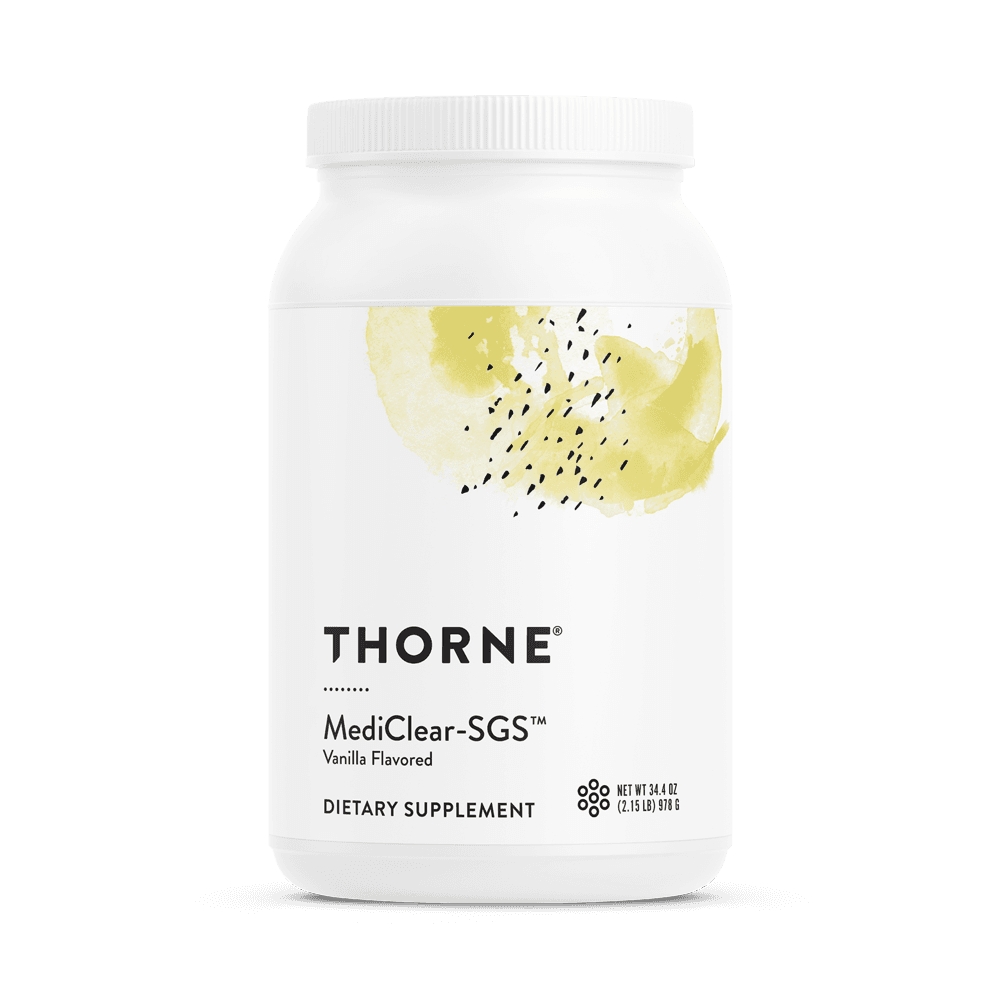
Peer-reviewed analysisSulforaphane Glucosinolate is the lead active here, studied most for oxidative stress defence. 11 human studies on Sulforaphane Glucosinolate back this formula, each one cited. Each serving carries 250 mg of Vitamin C, inside the range the published research used. Who it fits: for everyone, adults.
 Verified by IngredientMD
The panel on the left is the one we evaluated, line by line.
All 7 actives checked against the clinical evidence: dose, form, and what the research actually shows.
Doses, ratios, and how the ingredients work together. That assessment is the verdict above: "Strong evidence, strong dose".
The verdict is public and identical whether or not a brand pays. A formula that does not clear the bar gets nothing.
Read by the engine against 2.1 million data points from clinical trials, PubMed and more than a hundred vetted sources. No individual reviewer is named or implied.
Cross-checked against 1,509 documented interactions for these actives.
Public health figures the engine matched to this formula's ingredients. Reported by their source, cited and dated, never written by the brand.
About 46% of US adults
take in less vitamin C than the estimated average requirement.
Peer-reviewed analysis17.0% of US adults
reported binge drinking or heavy drinking in 2024, above the levels the low-risk guideline defines, in the Behavioral Risk Factor Surveillance System.
CDC Behavioral Risk Factor Surveillance System, 202454% of US adults
say they drink alcohol, matching the record low set the previous year, in Gallup's Consumption Habits survey.
Gallup, 2026US adults who drink average 3.2 drinks weekly
, down from an average of 3.9 drinks per week over prior years, in Gallup's Consumption Habits survey.
Gallup, 202613% of Dry January participants
say they plan to cut back on alcohol even after the month is over, in Numerator's research among US alcohol buyers.
Numerator, 202653.0% of calories
consumed by US adults age 19 and older came from ultra-processed foods, in NHANES data covering August 2021 to August 2023.
CDC National Center for Health Statistics, 202530.5% of US adults
slept less than 7 hours on average in 2024, in the National Health Interview Survey.
CDC National Center for Health Statistics, 202618.1% of US adults
had trouble staying asleep on most days or every day in 2024, in the National Health Interview Survey.
CDC National Center for Health Statistics, 2026US adults drank an average of 44 ounces
of plain water daily, in National Health and Nutrition Examination Survey data covering 2015 to 2018.
CDC, 202457.6%
During 2017 to 2018, 57.6% of US adults aged 20 and over reported using a dietary supplement in the past 30 days.
CDC National Center for Health Statistics59 to 66 days
was the median time it took adults to make a new daily health habit automatic across the studies a 2024 review pooled, with individuals ranging from 4 to 335 days.
Systematic review and meta-analysis, 202461% to 74%
About 61 to 74 percent of adults refilling a long-term medicine on their own stopped within a year, versus 33 to 44 percent on one set pickup day.
Cohort study, 2015Meta-analysis, 2022
Across 10 randomised trials, curcumin taken around hard exercise lowered creatine kinase by about 66 IU/L, reduced muscle soreness ratings and widened joint range of motion by about 6.5 degrees.
Phytotherapy ResearchSystematic review, 2026
An umbrella review found curcumin formulas eased knee pain and improved function scores in adults, most often using absorption-boosted versions.
Frontiers in medicineMeta-analysis, 2011
Across 13 trials, about 500 mg of vitamin C daily lowered blood uric acid by roughly 0.35 mg/dL.
The paperControlled clinical trial, 2004
Adding vitamin C to an iron-fortified meal at a 4 to 1 ratio with iron raised non-heme iron absorption about 2.9-fold, from 4.1% to 11.7%.
American Journal of Clinical NutritionMeta-analysis, 2025
In adults with raised blood sugar, turmeric or curcumin supplementation was linked to small reductions in body weight and waist circumference.
The paperRandomised trial, 2026
In repeated single-person trials, vitamin C raised blood levels by 20.6 micromol/L and lowered two stress markers, with day-to-day swings bigger than differences between people.
Free Radical Biology and MedicineMeta-analysis, 2014
Across 44 trials, vitamin C improved how well the blood vessel lining widens, a moderate effect of 0.50, larger at higher doses.
The paperMeta-analysis, 2025
A network meta-analysis comparing nutritional supplements used for knee joint comfort, with curcumin among the compared entries and ranking uncertainty acknowledged by the authors.
NutrientsRandomised trial, 2021
In 10 young men, four weeks of daily sulforaphane lowered the rise in a muscle damage marker after heavy resistance exercise and reduced a related inflammation marker measured 30 minutes later.
NutritionRandomised trial, 2026
Sixteen adults given mustard-seed myrosinase alongside broccoli seed extract doubled how much sulforaphane they absorbed, with vitamin C present in both study arms.
Scientific reportsRandomised trial, 2025
In 74 adults with above-normal blood sugar, 12 weeks of a sulforaphane-yielding broccoli sprout extract lowered fasting blood sugar by about 0.2 mmol/L versus placebo, short of the trial's 0.3 mmol/L target.
Nature MicrobiologyRandomised trial, 2024
In a pilot trial in 165 adults with low vitamin D, adding L-cysteine to vitamin D for 6 months raised usable vitamin D levels and lowered inflammation markers compared with vitamin D alone.
BMJ Nutrition, Prevention and HealthRandomised trial, 2025
Antioxidant supplementation with N-acetylcysteine was assessed against seminal parameters. The reported outcomes are semen analysis measures rather than clinical endpoints.
Archivio Italiano di Urologia e AndrologiaRandomised trial, 2026
A study using detailed blood chemistry analysis in adults with reduced kidney filtering reported shifts in metabolite profiles after supplementation, a marker readout rather than a clinical outcome.
Food and FunctionMeta-analysis, 2012
Pooling 29 randomized trials, vitamin C at a median of 500 mg a day lowered systolic blood pressure by about 3.8 mmHg and diastolic by about 1.5 mmHg over a median of eight weeks.
American Journal of Clinical NutritionRandomised trial, 2019
Across 170 adults over 10 days, the broccoli sprout beverage dose producing about 25 micromol of urinary sulforaphane metabolites a day raised urinary excretion of the benzene conjugate by 63.2%, while the one-half and one-fifth doses did not differ from placebo.
The American Journal of Clinical NutritionMeta-analysis, 2023
Pooling 66 randomised trials, curcumin or turmeric lowered C-reactive protein by about 0.58 mg/L, TNF-alpha by about 3.48 pg/mL and IL-6 by about 1.31 pg/mL, while IL-1 beta showed no detectable change.
CytokineRandomised trial, 2020
In a small crossover trial in 19 healthy men given alcohol, 1,200 mg of L-cysteine was linked to less next-day nausea and headache, and 600 mg to lower stress and anxiety, on correlational analysis.
Alcohol and AlcoholismMeta-analysis, 2025
Pooling trials, curcumin supplementation was linked to small improvements in overall cognitive performance in adults.
Frontiers in nutritionRandomised trial, 2019
N-acetylcysteine supplementation was linked to changes in sperm quality, chromatin integrity and oxidative stress markers, laboratory semen and marker measures.
Reproductive Biology and EndocrinologyRandomised trial, 2019
N-acetylcysteine supplementation was associated with changes in functional connectivity measured by neuroimaging within the cingulate cortex. A brain imaging marker, not a symptom or functional outcome.
International Journal of NeuropsychopharmacologyRandomised trial, 2024
In adults with reduced kidney filtration, sulforaphane supplementation did not produce a detectable change in the expression of two genes that govern antioxidant and inflammatory signalling, which is a failure to detect a difference rather than proof of none.
Journal of renal nutritionRandomised trial, 2022
Selenium, N-acetylcysteine, or both were compared against thyroid hormone marker changes in adults receiving haemodialysis. The endpoints are circulating markers, not clinical outcomes.
PharmacologyPopulation figures from public health data. Context for the category, not a statement about any individual and not a claim about this product.
Each line below was derived from this formula's own record at the time of verification. Nothing here was written by the brand, and nothing can be added that the evidence does not carry.
Where a trial measured an actual number, we show it next to the claim. It is the average across the trials, never a promise about one person.
About 52 percent lower risk of developing a cold, in trials of people undergoing brief periods of severe physical exertion.
Read at the source. The magnitude sits beside the same trial the claim already cites. It describes what the trials measured, never what any one person will feel.
Time-to-effect windows the engine read from the trial record. Each is a window a named study measured, cited and dated, never written by the brand.
A meta-analysis of randomised trials pooled nine trials for C reactive protein and 23 for high sensitivity C reactive protein in proinflammatory conditions. Pooled CRP fell by a weighted mean of 3.67 mg/L against placebo, and the subgroup analysis placed that fall in interventions running longer than ten weeks, with the high sensitivity CRP effect appearing in trials of ten weeks or less and at doses at or under 1,000 mg a day. An earlier meta-analysis of 19 trials in chronic inflammatory disease, with follow up of 4 to 16 weeks, found no significant change in CRP, hsCRP, IL-6 or TNF alpha. Heterogeneity was high across both reviews, and the measure is a blood marker rather than a symptom.
In a 12-week randomised, double-blind, placebo-controlled trial, 80 middle-aged adults with self-reported memory complaints took heat-treated green tea extract or placebo. The extract group showed a greater improvement in a standardised composite memory score at week 12, alongside increased functional connectivity within the default mode network on imaging. One trial of 80 people, in a population with subjective complaints rather than measured impairment.
In a randomised crossover trial, 12 healthy adults consumed 101.7 mg of vitamin C as a powder, as raw fruits and vegetables, or as juice, and plasma vitamin C rose after every intake form, with plasma and urinary levels tracked over the 24 hours following the single dose.
Windows measured in the cited trials. Context for how the active behaves over time, not a statement about any individual and not a claim about this product.
7 ingredients, from each one's own page.
Same day for the protein it adds to a meal. Joint and skin readouts in collagen peptide trials are measured after eight to twelve weeks of daily use.
Nothing acute. Phase II enzyme activity shifts within a day or two of a dose and settles over two to four weeks, which is measured in urine and blood rather than felt.
Joint comfort and inflammatory markers are where the change is measured, so it shows up as a slow shift rather than a same-day effect.
With caffeine still in, alertness lifts inside an hour. The catechin effects on body composition and lipid markers are measured across 8 to 12 weeks in trials.
Nothing on day one. Glutathione and oxidation markers in trials shifted over roughly two to four weeks of steady daily intake.
Blood levels rise within hours and tissue pools fill over days. Collagen-linked changes in skin and gums build over weeks and show as tissue quality, not as a sensation.
Riboflavin brightens your urine within hours. The measurable part, homocysteine or B12 on a panel, moves across four to twelve weeks.
How each ingredient usually behaves over time, from its own page on IngredientMD. General timing for the ingredient, not a measurement of this product.
What each form is, and where it fits in a formula. Measured findings carry the study that reported them.
The free amino acid with an unprotected thiol group, a white crystalline solid.
Descriptions of the form itself, read from the cited studies. Not a comparison between products and not a statement about any individual.
It is a powder, so the serving scales to the amount you want and mixes into something you already drink.
Where two of this brand's products carry actives the literature has read together, the pairing and its basis are below. The evidence word is the corpus row's own confidence, never a score.
Curcumin has <1% bioavailability alone. Piperine increases absorption 2000%.
Put an earned verification on your own product page.
These statements have not been evaluated by the Food and Drug Administration. This product is not intended to diagnose, treat, cure, or prevent any disease. This record is not medical advice. Always consult your healthcare provider before starting any supplement regimen.