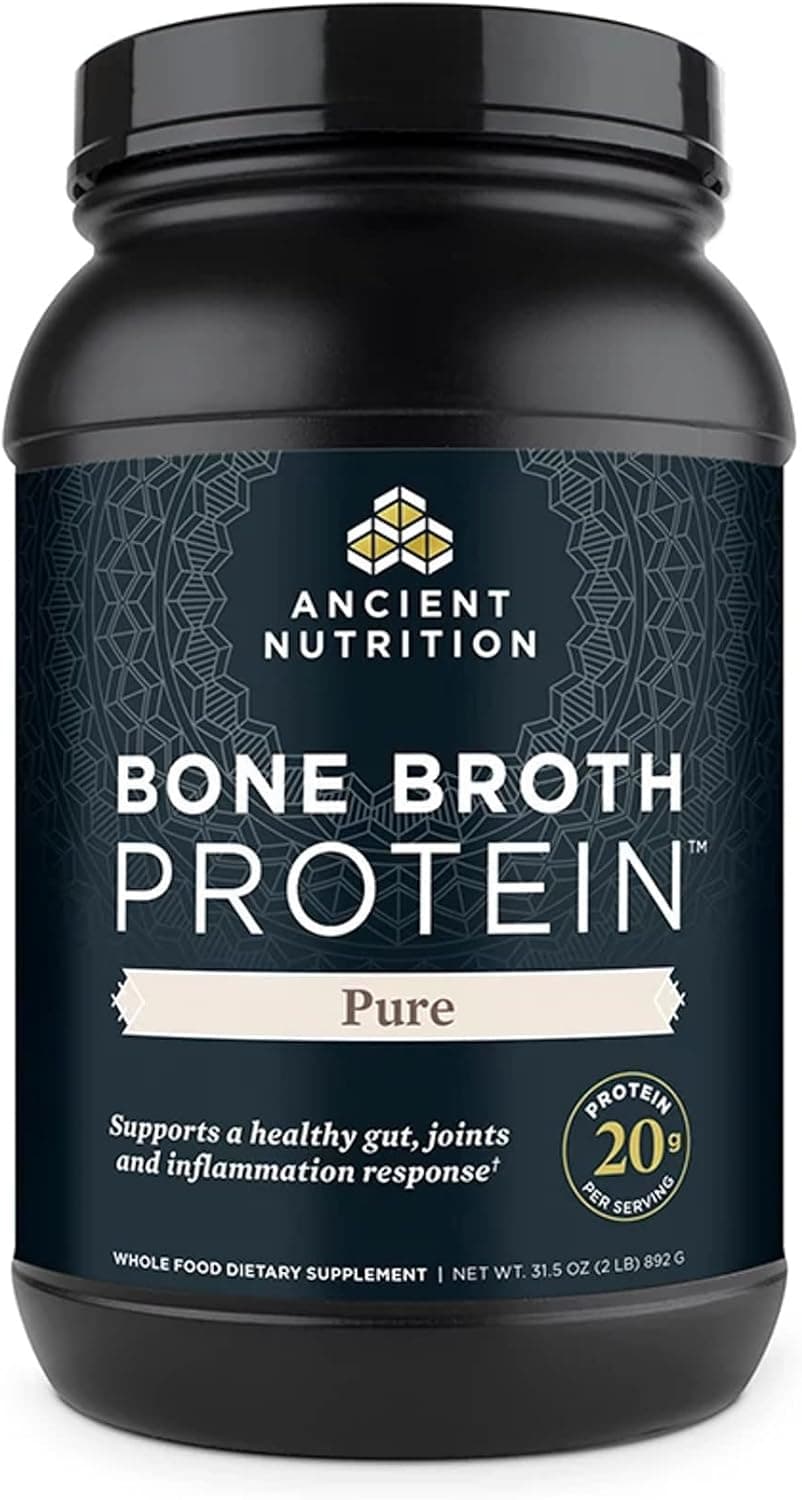
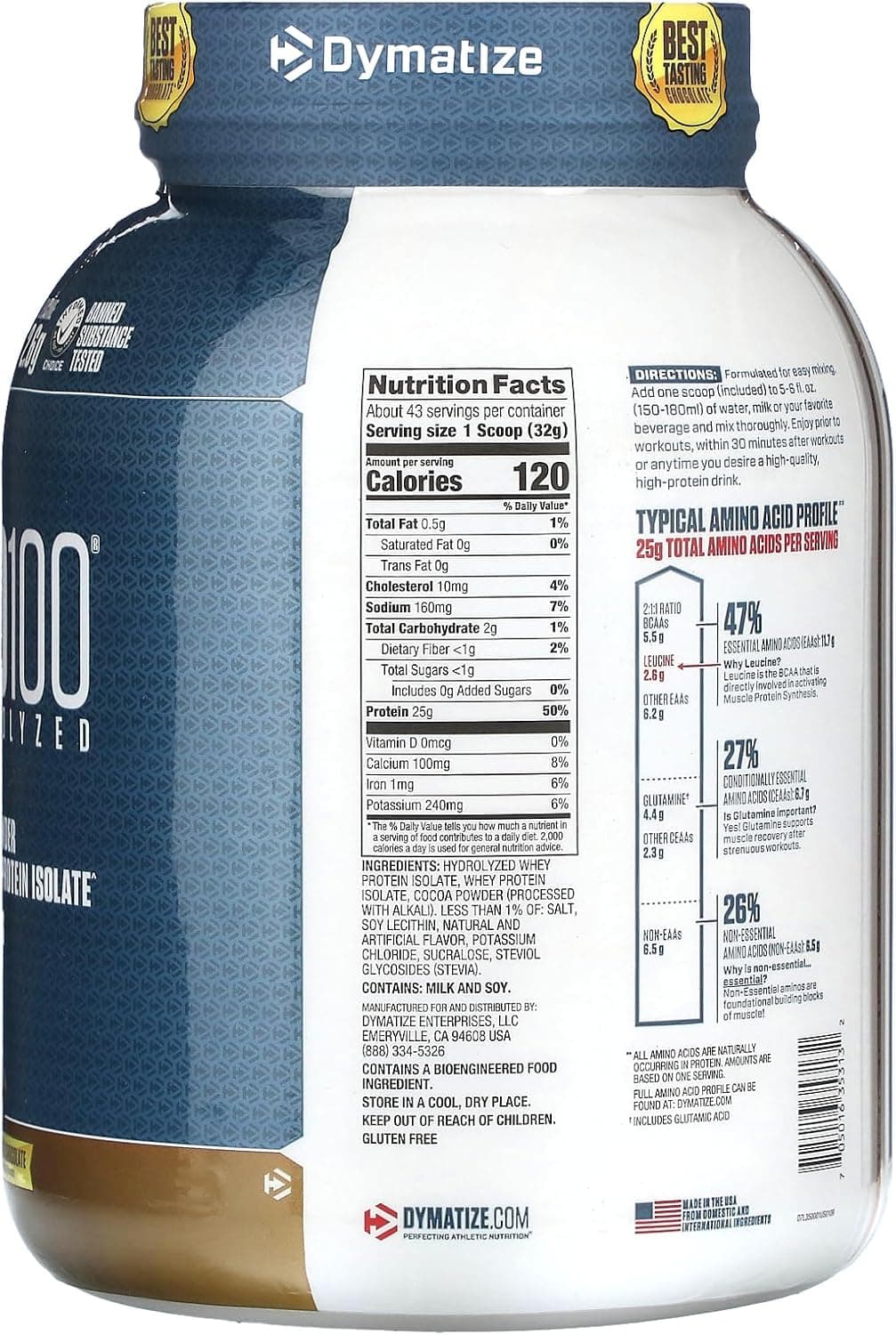
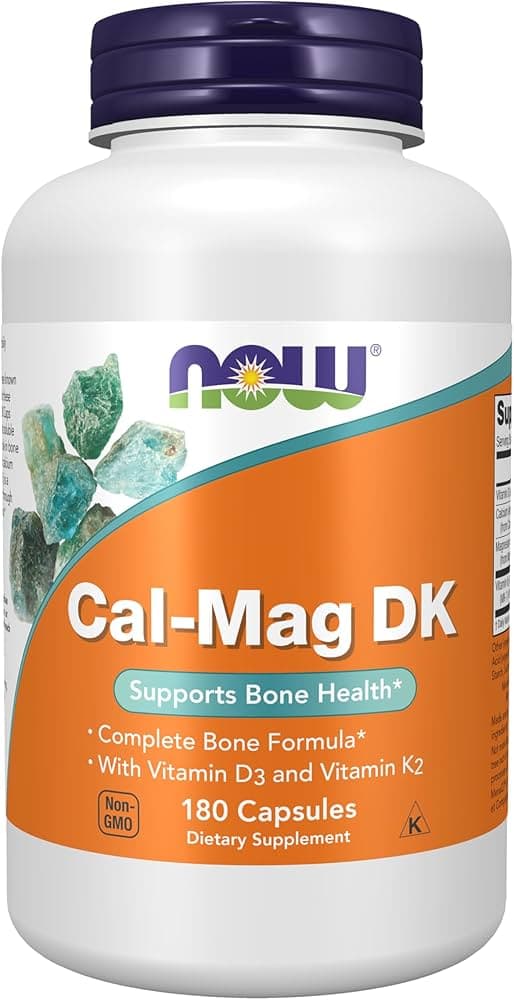
Bone Broth Protein.
Dehydrated bone broth in powder form Provides collagen peptides and gut-supportive amino acids
Reviewed March 2026
- Category
- Protein
- Also filed under
- CollagenGut HealthJoints
What Bone Broth Protein is, and what it does.
- Does it work
- Good alternative protein source with added collagen benefits. Great for sensitive digestion.
- How much to take
- Start with 10g to 20g a day, the maintenance band, alongside your other protein. The 40g used in trials is a research condition. It's low in tryptophan, so it works as an addition.
- Time to feel it
- Same day for the protein it adds to a meal. Joint and skin readouts in collagen peptide trials are measured after eight to twelve weeks of daily use.
- The first dose
- Day one is a savoury drink that most people digest easily. You get that serving's protein and glycine, while the joint and skin readouts are measured much further out.
- With regular use
- Better joint comfort, improved gut health, stronger nails.
- How well tolerated
- Well tolerated, and it behaves like a food. Bone is where lead accumulates in an animal, so a heavy-metal certificate is worth checking here. Ask your doctor if pregnant or on medication.
- How it feels
- Gentle on digestion. Joints feel more comfortable over time.
- The overlooked benefit
- It's a dense everyday source of glycine, about a third of collagen by residue, and glycine is what your body uses to build glutathione and to conjugate bile acids.
10 to 20g a day is where Bone Broth Protein works.
Source: General protein supplementation research; collagen content basis
The proof, claim by claim.
These words describe the research, not the molecule's worth. Research strength is how much work stands behind one claim, and it is never a product score.
- Dietary protein and amino acid supplyNarrative review
- Joint comfort with collagen peptidesMeta-analysis
- Skin hydration and elasticityMeta-analysis
- Nail growth and brittlenessRandomised trial
- Glycine supply for glutathione synthesisNarrative review
- Gut barrier integrityAnimal study
- Amino acid scoring as a sole protein sourceNarrative review
Questions people ask about Bone Broth Protein.
- When should I take it?
- Timing matters less than consistency. Pick a time that works for you and take it daily.
- When is the best time to take it?
- Within 2 hours of training is ideal, but total daily protein matters more than timing. The "anabolic window" is wider than gym bros think.
- How much do I actually need?
- For muscle building: 1.6-2.2g protein per kg bodyweight daily. One scoop (20-25g) per day is a good supplement amount if your diet is already decent.
- Can I take it with other supplements?
- Usually fine. The main thing to watch is not doubling up on the same ingredient from different products. If you're on prescription meds, check with your pharmacist first.
- Who benefits most from this?
- People who've already covered the basics (diet, sleep, exercise) and want to fine-tune. It's not essential, but could be worthwhile for the right person.
Why these belong in the same formula. Each row says what the basis is, from settled biochemistry through to a trial that measured the pair.
Bone broth protein delivers glycine, proline and hydroxyproline, the raw material for connective tissue protein. Vitamin C is the cofactor prolyl and lysyl hydroxylase use to hydroxylate proline and lysine residues, so substrate and cofactor arrive on the same pathway.
Collagen and elastin fibres gain tensile strength when lysyl oxidase crosslinks lysine residues, and that enzyme carries a copper ion at its active site. Supplying collagen amino acids without adequate copper leaves the crosslinking step short of its metal cofactor.
Roughly a third of collagen's residues are glycine, so bone broth protein already delivers a large glycine load and added glycine raises the same substrate pool used for collagen assembly and conjugation reactions. Glycine also gives a known dose where broth composition varies.
Collagen protein is low in leucine, and leucine is the residue that switches on the muscle protein synthesis signal, so bone broth protein is a poor stimulus for that on its own. Adding leucine makes the total amino acid profile behave more like a complete protein.
Collagen contains essentially no tryptophan, which is why it does not count as a complete protein, and adding tryptophan supplies the residue the matrix lacks. This is a compositional fact of collagen rather than a claim about either ingredient.
Lysine residues are hydroxylated and then oxidised to form the covalent crosslinks that give collagen fibrils their tensile strength. Lysine supply therefore sits directly on the assembly step the peptides feed into.
Manganese is the cofactor for the glycosyltransferases that build glycosaminoglycan chains in connective tissue matrix. The peptides supply the protein backbone while manganese supports the sugar chains attached to it.
Glucosamine is the amino sugar backbone of glycosaminoglycans, a different structural class from the collagen peptides bone broth supplies. Together they cover both halves of connective tissue matrix.
Chondroitin is a sulfated glycosaminoglycan that occupies the space between collagen fibrils and holds water there. Bone broth contributes the fibrillar protein, chondroitin the ground substance.
MSM contributes sulfur to the pool used for sulfating glycosaminoglycans and for disulfide bonds in matrix proteins. Collagen peptides themselves carry very little sulfur, so the two are complementary.
Orthosilicic acid is associated with collagen synthesis and with crosslinking in connective tissue and bone matrix. It supports the assembly of the peptides rather than adding substrate.
Zinc is required by the metalloenzymes that remodel matrix and by the machinery of protein synthesis generally, so status affects how supplied peptides are used. It is a supporting nutrient, not a matrix component.
Hyaluronan is a non-sulfated glycosaminoglycan that binds water and organises the space collagen fibrils sit in. Pairing it with collagen peptides covers a different part of the same matrix.
Osteocalcin has to be carboxylated by a vitamin K dependent enzyme before it can bind mineral to the collagen matrix of bone. The peptides supply matrix protein, vitamin K2 activates the protein that mineralises it.
Proline and hydroxyproline together make up close to a quarter of collagen's residues, and hydroxyproline is formed from proline already in the peptide chain by prolyl hydroxylase. Bone broth protein is collagen-derived and already proline-rich, so added proline supplies more of the same limiting residue. Supplying substrate is not the same as increasing synthesis.
Glutamine is the most abundant free amino acid in plasma, the preferred fuel of the enterocyte, and a nitrogen donor for many biosynthetic steps. Collagen-derived protein is low in it, so the two are compositionally complementary. This is a composition statement about the protein, not a claim about any tissue effect.
Arginine appears in collagen at moderate levels and is also the substrate for nitric oxide synthase and a precursor of proline through ornithine. That gives it two roles in a connective-tissue-directed formula. Oral arginine is heavily cleared by intestinal and hepatic arginase, which limits how much reaches circulation.
Both ingredients are collagen-derived, so they overlap heavily on glycine, proline and hydroxyproline rather than complementing each other. The real difference is molecular weight: collagen peptides are enzymatically hydrolysed to a defined low range, while bone broth protein is a cooked extract with a broader and less defined peptide distribution. Stacking them raises collagen amino acid intake without adding a new amino acid profile.
Collagen-derived protein contains essentially no tryptophan and is low in the other indispensable amino acids, which is why it scores poorly as a sole protein source. Whey is high in leucine and covers the indispensable amino acids fully. Combining them addresses that specific compositional gap.
Casein supplies a full indispensable amino acid profile and clots in gastric acid, giving slow amino acid release. Alongside a collagen-derived protein that lacks tryptophan, it covers the gap on a different release curve from whey. Both are dairy proteins and carry that allergen consideration.
Beta-hydroxy-beta-methylbutyrate is a metabolite of leucine, and collagen-derived protein is low in leucine. It occupies a different axis from the amino acid supply a collagen protein provides. The metabolite relationship is settled. Nothing here describes the pair being studied together.
Glycine N-methyltransferase disposes of excess S-adenosylmethionine by transferring a methyl group to glycine, which links high methionine intake to glycine demand. A glycine-rich collagen protein and a methionine dose sit on opposite ends of that reaction. This is textbook one-carbon chemistry rather than a studied supplement pairing.
Betaine donates a methyl group to homocysteine through betaine-homocysteine methyltransferase, regenerating methionine and yielding dimethylglycine, which is further demethylated toward glycine. That places betaine and glycine on the same metabolic thread. Established biochemistry, no combination data.
Cysteine availability is the rate-limiting step in glutathione synthesis, and glycine is the third residue. Pairing a glycine-rich protein with a cysteine source covers two of the three substrates. Free cysteine oxidises readily, which is why cystine or N-acetylcysteine are the usual delivery choices.
N-acetylcysteine is deacetylated after absorption to release cysteine, the rate-limiting substrate for glutathione. Combined with the glycine that a collagen-derived protein supplies in quantity, both limiting substrates are present. Raising a substrate is a mechanism, and measured glutathione is a marker rather than an outcome.
Oral glutathione is substantially hydrolysed by gamma-glutamyl transpeptidase and peptidases in the gut, so much of a dose arrives as its constituent amino acids rather than as the intact tripeptide. That is why substrate strategies using glycine and cysteine exist alongside direct dosing. Stating the limit is more useful than implying intact delivery.
Endogenous creatine is built from glycine and arginine by AGAT, then methylated by GAMT using S-adenosylmethionine, so glycine is a direct precursor. A collagen-derived protein supplies glycine in gram quantities. Supplemental creatine bypasses that synthesis entirely, which is a different and much more direct route to the same molecule.
Boron affects calcium and magnesium handling and steroid hormone metabolism in human balance studies, and appears in bone-directed formulas for that reason. It is a trace element rather than a matrix protein, so it sits on the mineral side of the same tissue. The human evidence base is small and mechanistic.
Bone is a composite of a collagen matrix and hydroxyapatite mineral, so the protein and the mineral are the two halves of the same structure. A collagen-derived protein supplies the organic side. Bone broth itself leaches some calcium from bone during cooking, though the amount varies widely with cooking time, acidity and bone type.
Roughly half to two thirds of body magnesium sits in bone, partly on the hydroxyapatite surface, and magnesium is a cofactor for the ATP-dependent enzymes of matrix synthesis. That places it on both the mineral and the enzymatic side. Cofactor chemistry is settled. Nothing here is a claim about bone density.
Calcitriol induces the intestinal calcium transport machinery including TRPV6 and calbindin, which is how dietary calcium is actively absorbed. Its role is on mineral supply rather than on the collagen matrix. The vitamin needs dietary fat for its own absorption.
Biotin is the prosthetic group of the carboxylase enzymes that handle fatty acid synthesis and gluconeogenic steps, and it appears alongside collagen protein in formulas positioned on skin, hair and nail structure. The cofactor role is textbook. The structural claim usually attached to it is far weaker than the biochemistry. Worth separating the two.
Pyridoxal 5-phosphate is the cofactor for the transaminases and for glycine-cleaving and serine-glycine interconversion enzymes, so it sits directly on the metabolism of the amino acids a collagen-derived protein delivers in bulk. It also feeds the transsulfuration route toward cysteine. Established cofactor biochemistry.
Protease cleaves protein into di- and tripeptides taken up on PepT1 and into free amino acids. Bone broth protein is already partly hydrolysed by long cooking, so there is less proteolytic work to do than with an intact protein. The enabling relationship is real and smaller here than for a native protein.
Pepsin's proteolytic activity depends on a gastric pH below roughly 3.5, and betaine hydrochloride transiently lowers stomach pH. That supports the first stage of protein digestion. It is a pH adjunct rather than an enzyme, and it is inappropriate alongside anything acid-labile.
Bromelain is a broad-specificity cysteine protease active across an unusually wide pH range, so it acts on collagen-derived peptides in both gastric and intestinal conditions. Gelatin is one of the classic substrates used to demonstrate proteolytic activity. Bromelain is a recognised allergen for some people.
Strontium is chemically similar to calcium, substitutes for it in the hydroxyapatite lattice, and competes with it for intestinal absorption, so the two should not be taken in the same dose. It also interferes with the bone density measurement itself because it is denser than calcium on imaging. Both facts belong on any row that pairs it with a bone-directed protein.
Bile acids are conjugated with either taurine or glycine before secretion, which is one of the larger routine uses of glycine in the body. A glycine-rich protein and taurine therefore both feed bile acid conjugation. Established biochemistry rather than a studied combination.
Calcium carbonate neutralises gastric acid, and pepsin activity falls steeply as pH rises above about 4, so it works against the first stage of protein digestion when taken in the same window. Its own absorption is also acid-dependent, unlike calcium citrate. Timing is the whole interaction.
Lactoferrin is an iron-binding glycoprotein that survives partial gastric digestion and appears in gut-directed formulas beside collagen-derived protein. It contributes a defined glycoprotein rather than amino acid bulk. Its iron-binding capacity means it interacts with iron chemistry in the same dose.
Bovine colostrum supplies immunoglobulins, lactoferrin and growth factors, a different protein class from collagen-derived peptides. Its constituents are largely digested like other proteins, which limits how much arrives intact. Both are animal-derived, and colostrum carries the dairy allergen question.
Nothing specific on file for Bone Broth Protein. Match the label to the daily amount above, and tell your doctor what you take.
Not medical advice. Show the label to your pharmacist.What Bone Broth Protein actually does.
About a third of collagen's building blocks are glycine, with proline and hydroxyproline close to another quarter. That repeating pattern lets three chains twist into a triple helix.
Two of those amino acids get their hydroxyl groups added after the chain is built, by enzymes that need vitamin C as a helper and iron at the active site.
Collagen protein has essentially no tryptophan and is low in the other essential amino acids, so it rates poorly on protein quality scales as your only protein, whatever the gram figure says.
Long wet cooking unwinds collagen into gelatin. On cooling the chains partly re-link, which is why a broth turns to jelly in the fridge.
Where Bone Broth Protein comes from.
This one is made the way a stock is made, at industrial scale. Bone, cartilage, skin and tendon left over from meat processing are simmered for hours, sometimes with a splash of acid, which turns the collagen into gelatin and pulls some minerals out of the bone. The fat and solids are strained and spun off, the liquid is boiled down or filtered to concentrate it, and it is dried into powder. If the maker wants a powder that stays liquid in a cold drink, enzymes are added first to cut the peptides smaller, because otherwise it thickens as it cools. Protein on the label comes from a nitrogen test. And because bone is exactly where lead builds up in an animal, heavy-metal testing is a standard part of releasing a batch, not an extra.
Made from an animal material. Species and tissue are the things worth knowing, and both belong on a label.
Bovine or poultry bone, cartilage, skin and tendon recovered as by-products of meat processing. Species, animal age and tissue mix determine the collagen type distribution and the mineral content of the finished ingredient.
The material is simmered for hours, sometimes with acid such as vinegar to accelerate mineral release and collagen hydrolysis. Heat and water break collagen's triple helix into soluble gelatin, and some bone mineral leaches into the liquid.
Solids and fat are removed by straining, skimming and centrifugation, leaving a protein- and mineral-bearing broth. Fat removal matters because residual lipid limits shelf life in a dried powder.
The broth is concentrated by evaporation or membrane filtration. Where a lower molecular weight and non-gelling powder is the target, added proteases cleave the gelatin further before drying.
Protein content is determined by nitrogen assay with a conversion factor, and lots are tested for moisture, ash, microbial limits and heavy metals. Because bone accumulates lead, that limit is a routine release criterion rather than an optional test.
The concentrate is spray-dried to a free-flowing powder, sometimes with a flow agent, then blended and packed. Powders that were not enzymatically hydrolysed retain some gelling behaviour when rehydrated in cold liquid.
Labels commonly do not state the species mix, the tissue mix and therefore the collagen types present, the cooking time, whether enzymatic hydrolysis was used, the peptide molecular weight range, or actual mineral content, all of which vary with the process.
Getting Bone Broth Protein from food.
The whole-food sources on file. A supplement closes the gap, it does not replace dinner.
A gram-for-gram figure (how much of each you would eat to match a dose) will appear here once it is sourced and reviewed. This page will not print a number it cannot cite.
The forms it comes in.
The essence, in one line each.
- In broilers, Bacillus subtilis supplementation was reported to alter growth performance, bone mineralisation measures and gut bacterial populations.Animal study. Ciurescu G et al., 2020 (Poultry Science). PMID 33142513 ↗
- Culture conditions were optimised to increase magnesium uptake into Lacticaseibacillus rhamnosus biomass for use as a mineral-carrying ingredient.In vitro study. Varvara RA et al., 2026 (Current Microbiology). PMID 41524909 ↗
These are the studies our verdict leans on, chosen from the 2 we read for Bone Broth Protein. The full linked list is below.
FDA Disclaimer: These statements have not been evaluated by the Food and Drug Administration. This information is for educational purposes only and is not intended to diagnose, treat, cure, or prevent any disease. Consult your healthcare provider before starting any supplement regimen.