Acesulfame Potassium.
A zero-calorie artificial sweetener that makes your chewable or powder supplement taste sweet without sugar. Makes your supplement sweet without sugar or calories.
Reviewed March 2026
- Category
- General
- Also filed under
- Zero calorie sweeteningImproves supplement compliance through taste
What Acesulfame Potassium is, and what it does.
- Does it work
- Sweetener, not a supplement.
- How much to take
- There is no amount to take. It is a sweetener used at whatever level a formula needs for taste, and no dose figure is on record for it as an active.
- Time to feel it
- Sweetness arrives the moment it touches your tongue. There is nothing else to wait for, since the molecule leaves in urine unchanged.
- The first dose
- The only day one event is sweetness on the tongue. It is absorbed and leaves in urine unchanged, so it adds no carbohydrate and no energy to your day.
- With regular use
- Its job does not change with weeks of use. It keeps a powder or chewable palatable without sugar, and since it is not metabolised for energy, nothing accumulates.
- How well tolerated
- FDA approved. ADI of 15 mg/kg/day. Supplement amounts are far below that.
- How it feels
- Sweet, and it arrives fast. At higher levels it carries a faintly bitter metallic edge, which is why it is usually paired with another sweetener.
- The overlooked benefit
- It holds its sweetness through heat and acid, so a chewable or a drink mix still tastes right after processing that breaks other sweeteners down.
The proof, claim by claim.
These words describe the research, not the molecule's worth. Research strength is how much work stands behind one claim, and it is never a product score.
- Well tolerated at approved levelsFDA, EFSA, WHO
- No blood sugar impactNot metabolized
- Gut microbiome effectsInconsistent evidence, mostly at higher doses
Questions people ask about Acesulfame Potassium.
- Is Ace-K safe?
- FDA says yes. Over 90 studies support its safety. The ADI is 15 mg/kg/day. You'd need to consume an improbable amount from supplements to reach that.
- Does it spike insulin?
- Debated. Some studies show minimal insulin response, others show none. At supplement sweetener amounts, it's not enough to matter either way.
- Does it provide potassium?
- The name is misleading. The potassium content is negligible. Don't count it toward your potassium intake.
- Why not use stevia instead?
- Some formulations use stevia, some use Ace-K. Ace-K blends well with other sweeteners and has a more consistent taste profile in certain products.
- Does it affect gut bacteria?
- Some studies suggest artificial sweeteners may affect gut microbiome. The evidence is mixed and mostly from much higher doses than what's in supplements.
- Is it the same as aspartame?
- No. Different chemical structure, different metabolic pathway. Ace-K passes through unchanged. Aspartame is metabolized into amino acids.
Why these belong in the same formula. Each row says what the basis is, from settled biochemistry through to a trial that measured the pair.
Acesulfame potassium is blended with steviol glycosides because the two sweeten more than the sum of their parts and the fast onset of the acesulfame covers the slow build and lingering finish of stevia. The blend lets each be used at a lower level.
Standardised stevia extracts carry a licorice-like tail that acesulfame potassium masks by front-loading the sweetness curve. Sweetness synergy between the two is a routine formulation lever.
Mogrosides sweeten slowly and linger, so acesulfame potassium is added to sharpen the onset and round the profile. The pair reaches target sweetness at lower total sweetener load.
Monk fruit concentrate paired with acesulfame potassium gives a fuller sweetness curve than either alone because their onset and decay profiles overlap rather than coincide. This is standard practice in flavoured powders.
Acesulfame potassium shows measurable sweetness synergy with sucrose, so partial sugar replacement keeps perceived sweetness while lowering sugar content. The perceived sweetness of the mixture exceeds the additive prediction.
Erythritol supplies bulk and mouthfeel that a high-intensity sweetener cannot, while acesulfame potassium supplies the sweetness erythritol lacks at usable levels. The cooling sensation of erythritol is partly offset in the blend.
Xylitol carries bulk and a sugar-like body, and acesulfame potassium tops up sweetness so less polyol is needed. A lower polyol load also means less osmotic load in the gut.
Sorbitol gives bulk and humectancy in chewables but is only about half as sweet as sugar, so acesulfame potassium is added to close the gap. The combination keeps the polyol dose down.
The sweetener is supplied as the potassium salt, so every dose delivers potassium as the counter-ion along with the acesulfame anion. Use levels are low enough that the contribution is small next to dietary potassium, but it is real and it is worth knowing in a formula that already counts potassium. This is stoichiometry, not an interaction.
Electrolyte drink mixes declare potassium on the label, and any acesulfame potassium in the flavour system contributes to that total. Formulators reconciling a potassium claim to an analytical result should account for the sweetener. The amount involved is small relative to the added mineral salts.
A candidate review describes reported shifts in bacterial species associated with non-nutritive sweetener intake and the mechanisms proposed for them. Findings across that literature are mixed, much of it is animal or in vitro, and the review reports associations rather than demonstrated causes. Anyone combining live organisms with these sweeteners is working from an open question, not a settled one.
Inulin is fermented by colonic bacteria and is deliberately used to shift that community, while acesulfame potassium is reported in review literature to be associated with microbial shifts of its own. The two arrive in the same compartment. Whether they interact there has not been measured, and the sweetener literature reports associations rather than causes.
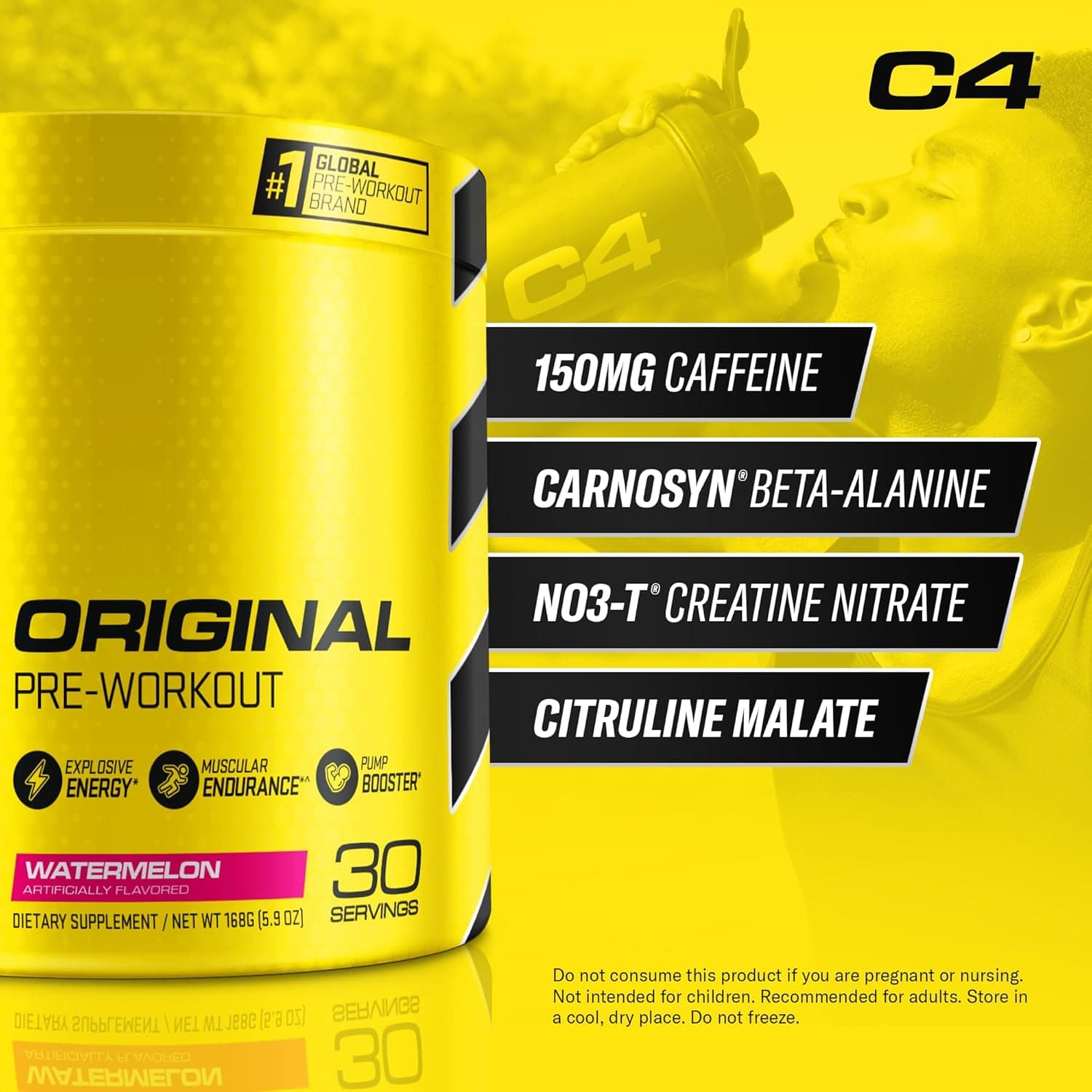
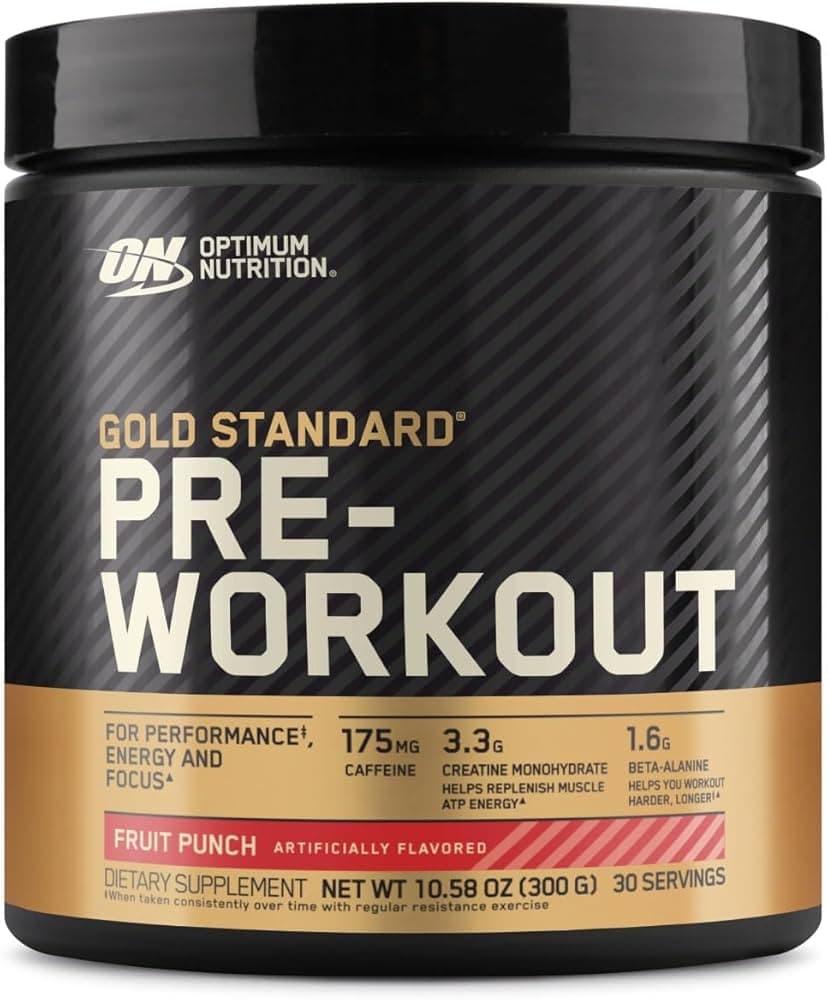
Caffeine is bitter and pre-workout or energy formats need that bitterness covered without adding sugar mass. Acesulfame potassium is heat and acid stable, which suits the low-pH carbonated and powder formats caffeine usually appears in. The relationship is entirely about taste.
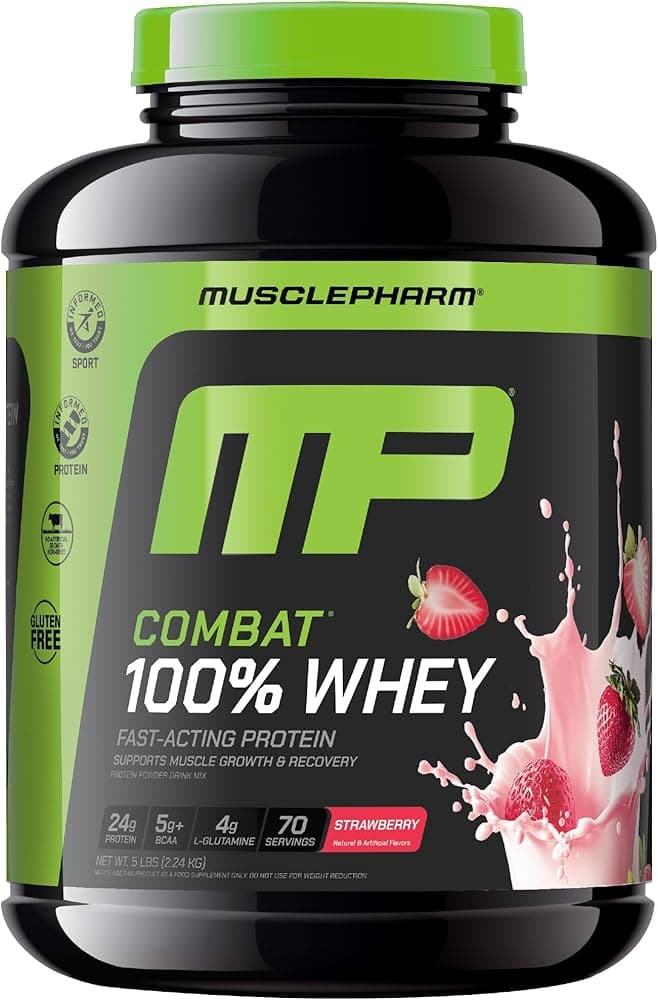
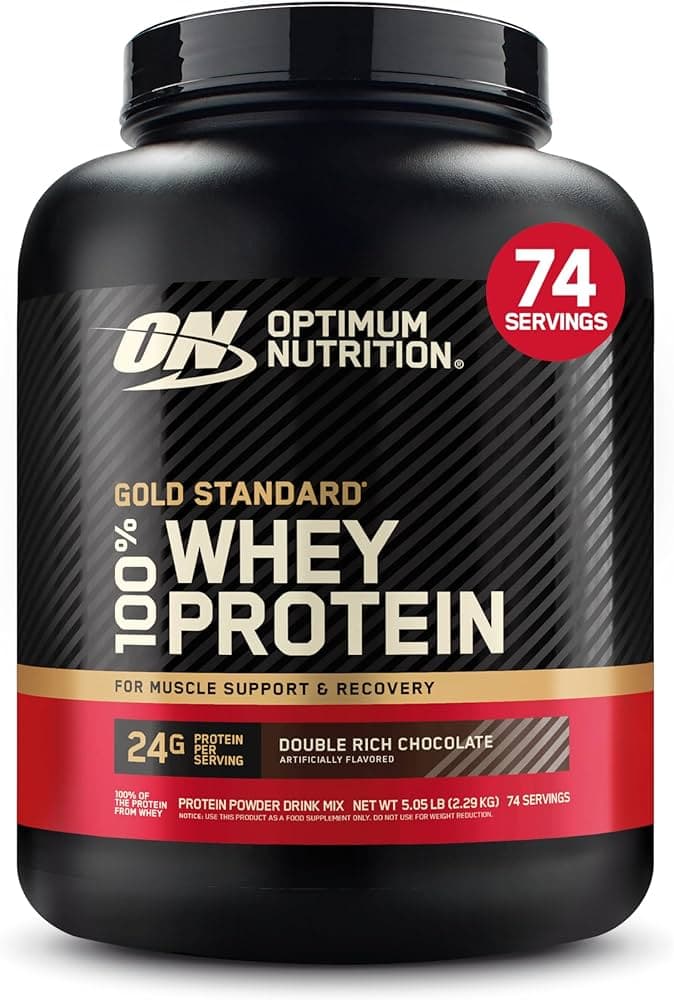
Protein powders carry a cardboard and bitter background that flavour systems have to cover, and a high-intensity sweetener does that at a few hundredths of a percent of the formula weight. Using it avoids adding sugar to a product sold on its protein-to-calorie ratio. No physiological interaction is implied.
Creatine monohydrate is gritty and slightly bitter in water, and flavoured versions rely on high-intensity sweeteners to be drinkable. Acesulfame potassium survives the shelf life of a dry powder without losing sweetness. The pairing has no bearing on how creatine is handled in the body.
Sodium bicarbonate is unpleasant to drink at the amounts used in sports formats, and sweetener plus acid flavour systems are how that is handled. Acesulfame potassium holds up at the higher pH bicarbonate creates, where some other sweeteners degrade faster. This is stability and taste, nothing more.
Talk to a doctor before taking Acesulfame Potassium if any of these apply to you: Artificial sweetener (some people prefer to avoid), Minimal potassium contribution despite the name. These are flags to check first, not effects Acesulfame Potassium is known to cause.
Not medical advice. Show the label to your pharmacist.What Acesulfame Potassium actually does.
Acesulfame potassium is a potassium salt that splits apart in water into a potassium ion and the sweetener itself.
It tastes sweet by activating the same taste receptor on your tongue that sugar does, which is why a milligram amount of it can replace grams of sugar.
Your body doesn't break this molecule down for energy. It's absorbed and passed out in urine essentially unchanged, so it adds no carbs and no calories to a product.
This sweetener holds up to heat and to the acidity found in baking and fizzy drinks, which is the main practical reason it's chosen over sweeteners that break down under those conditions.
Where Acesulfame Potassium comes from.
It is built in a chemical plant, not extracted from anything. Two starting chemicals are joined into a ring, potassium is added to make it a salt, and the crystals are washed and milled into powder.
Chemically synthesised. The molecule is identical to the one a plant or an animal makes, and building it deliberately means a known purity, a fixed dose and no crop contaminants. For several nutrients this is the only route that reaches a usable amount.
The synthesis starts from an acetoacetic acid derivative and a sulfamic acid component, both industrial chemical feedstocks rather than plant or animal material.
The intermediates are cyclised to form the six-membered oxathiazinone dioxide ring that carries the sweet-tasting structure.
The acid form is neutralised with a potassium base, which is what makes the finished ingredient a potassium salt and the reason potassium appears in its name.
The salt is recrystallised from water to remove reaction residues, then washed and dried against food-grade purity specifications.
Dried crystals are milled to a specified particle size and packed. No carrier or excipient is added.
Getting Acesulfame Potassium from food.
The whole-food sources on file. A supplement closes the gap, it does not replace dinner.
A gram-for-gram figure (how much of each you would eat to match a dose) will appear here once it is sourced and reviewed. This page will not print a number it cannot cite.
The forms it comes in.
The essence, in one line each.
- In a crossover trial, an oral acesulfame potassium load left total energy intake at the following meal broadly similar to xylitol and sucrose, which is a failure to detect a difference rather than proof that none exists.Randomised trial. Flad et al., 2025 (Nutrients). PMID 39940340 ↗
- Pooled trials in children and adolescents found replacing sugar with non-nutritive sweeteners, acesulfame potassium among them, was linked with small reductions in BMI.Meta-analysis. Espinosa et al., 2024 (Advances in Nutrition). PMID 39299839 ↗
- An umbrella review found the evidence on artificially sweetened beverages is mixed, with observational associations not consistently reproduced in randomised trials.Systematic review. Diaz et al., 2023 (Advances in Nutrition). PMID 37187453 ↗
- Reviews reported associations between non-nutritive and low-calorie sweeteners and shifts in gut bacterial species, and sets out the mechanisms proposed for them. The review reports associations and proposed mechanisms rather than established causes, and much of the underlying work is non-human.Narrative review. Feng et al., 2024 (Metabolites). PMID 39452925 ↗
These are the studies our verdict leans on, chosen from the 199 we read for Acesulfame Potassium. The full linked list is below.
The studies, linked.
3 sources behind our Acesulfame Potassium verdict: peer-reviewed studies and registered clinical trials. Every one links straight to PubMed, the journal, or ClinicalTrials.gov. Read them yourself.
- Clinical trialEffects of Oral Xylitol on Subsequent Energy Intake, Gastrointestinal Hormones, Glycemic Control, Appetite-related Sensations, and Gastrointestinal ToleranceClinicalTrials.gov ↗21 participants, Completed
- Clinical trialAcute Impact of Saccharin and Acesulfame-Potassium Consumption and Glucose Levels in Middle-Aged and Older Adults With PrediabetesClinicalTrials.gov ↗14 participants, Completed
- Clinical trialMetabolic Profiling of Acesulfame Potassium After Coca-Cola Zero Sugar Consumption in Healthy AdultsClinicalTrials.gov ↗10 participants, Completed
Evidence surfaced via Semantic Scholar (Allen Institute for AI) and ClinicalTrials.gov. Ranked by study type and citation weight, not cherry-picked.
Problems people have reported.
Read this carefully. These are 50 voluntary, unverified reactions reported to the FDA (openFDA). The number mostly reflects how popular Acesulfame Potassium is, not how risky it is. A report is not proof Acesulfame Potassium caused anything. It is a signal of what to watch for, nothing more.
Source: openFDA adverse-event reports. Voluntary reporting, not an incidence rate.
FDA Disclaimer: These statements have not been evaluated by the Food and Drug Administration. This information is for educational purposes only and is not intended to diagnose, treat, cure, or prevent any disease. Consult your healthcare provider before starting any supplement regimen.