Polydextrose.
A soluble fiber that feeds your good gut bacteria and keeps things moving. Feeds beneficial gut bacteria, improves bowel regularity, may blunt blood sugar spikes.
Reviewed March 2026
- Category
- Fiber
- Also filed under
- Supports healthy gut bacteriaImproves bowel regularityMay reduce post meal blood sugar spikes
What Polydextrose is, and what it does.
- Does it work
- Legitimate prebiotic fiber with data, but not the strongest option. Often appears as a filler at sub-therapeutic doses.
- How much to take
- Start with 4g a day and build towards 12g, the maintenance band where this fibre feeds colon bacteria and adds stool bulk. Splitting it across two servings is gentler.
- Time to feel it
- Bowel habit usually shifts within three to seven days. The bacterial changes take two to four weeks and are read from a stool sample rather than felt.
- The first dose
- Expect a little gurgling or gas as bacteria meet a new substrate. Stool softens across the first few days rather than on day one.
- With regular use
- Better bowel regularity, increased beneficial bacteria, potentially better blood sugar.
- How well tolerated
- Well tolerated. GI discomfort above 50g/day. Start low.
- How it feels
- It has no taste and dissolves clear into a drink. Once your gut adapts, what you notice is easier, more regular bathroom habits and a little more fullness.
- The overlooked benefit
- It ferments slowly, so substrate still reaches the far end of the colon instead of being used up early. Slow fermentation is also why gas builds gently rather than all at once.
4 to 12g a day is where Polydextrose works.
Source: Jie et al., 2000; Hengst et al., 2009
The proof, claim by claim.
These words describe the research, not the molecule's worth. Research strength is how much work stands behind one claim, and it is never a product score.
- Increases beneficial gut bacteriaJie et al., 2000
- Improves bowel regularityMultiple human trials
- Reduces post-meal blood sugarHengst et al., 2009
Questions people ask about Polydextrose.
- Is polydextrose a real fiber?
- Yes. FDA-classified soluble fiber. Resists digestion and gets fermented by gut bacteria.
- How is it different from inulin?
- Inulin is natural (chicory root). Polydextrose is synthetic. Inulin is more potent but polydextrose causes less gas.
- Why is it in my supplement?
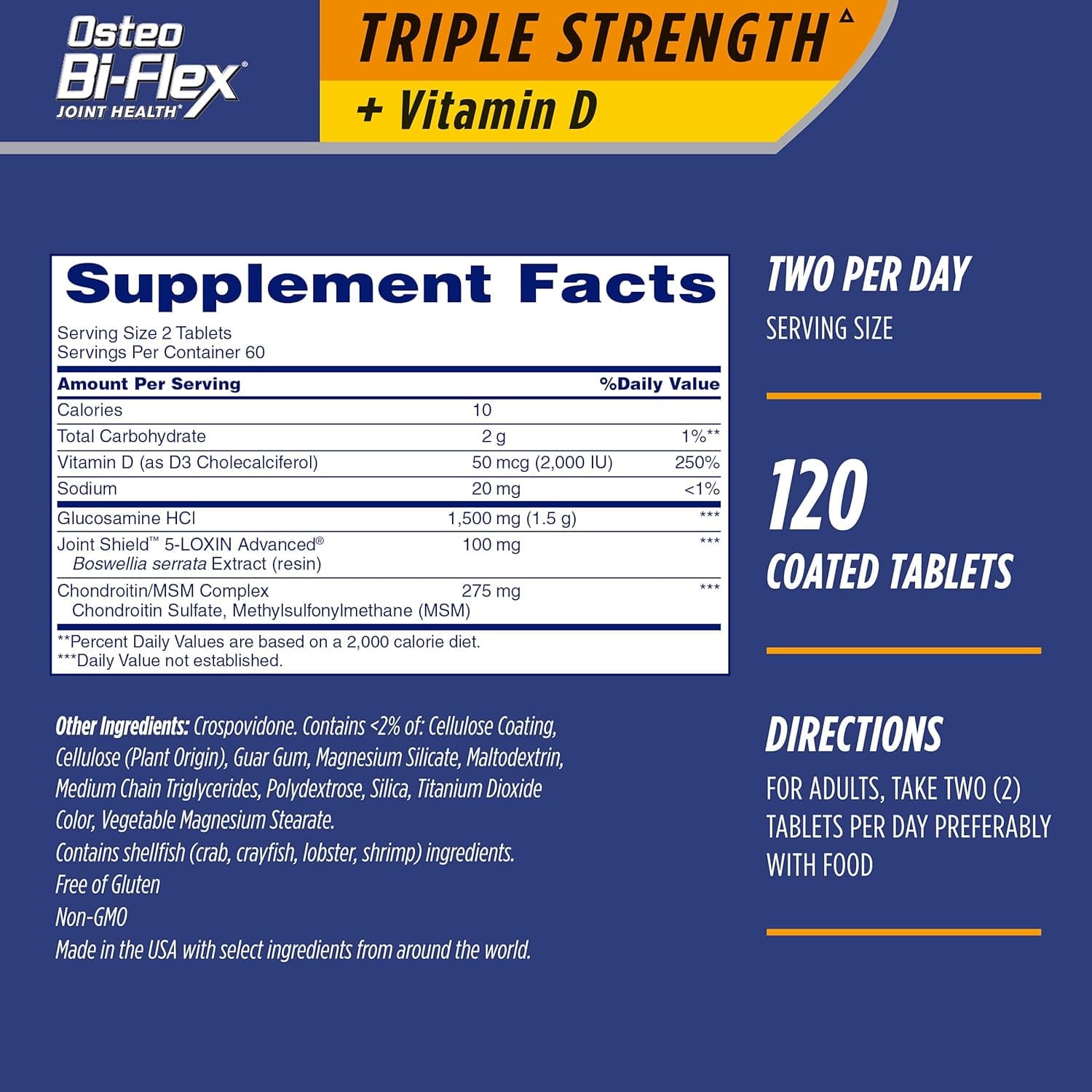
- Could be a fiber ingredient or just a filler. Check the dose. 4g+ is therapeutic. Trace amounts are just bulk.
- Does it count toward daily fiber?
- Yes. FDA recognizes it as dietary fiber.
- Will it upset my stomach?
- Possibly at first. Start small, build up. Most adapt in 1-2 weeks.
- Can it help with weight loss?
- Modestly increases satiety. Don't expect miracles.
Why these belong in the same formula. Each row says what the basis is, from settled biochemistry through to a trial that measured the pair.
Polydextrose is a randomly bonded glucose polymer fermented slowly by bifidobacteria along the whole colon. Supplying the organism with it is the standard synbiotic pairing.
B. longum ferments polydextrose fragments to acetate and lactate. The slow fermentation profile carries substrate further down the colon than a fructan would.
Lactobacilli use the shorter glucose oligomers released as polydextrose is broken down. The fibre gives the strain fermentable carbon in the proximal colon.
Inulin ferments quickly in the proximal colon while polydextrose ferments slowly and reaches the distal colon. Blending them spreads short-chain fatty acid production across a longer stretch.
Short-chain fatty acids from polydextrose fermentation lower luminal pH and keep calcium soluble. That favours absorption in the large bowel.
The acidified colonic environment produced by fermentation improves magnesium solubility. The fibre and the mineral therefore act in the same direction rather than competing.
Polydextrose is low viscosity and highly fermented. Psyllium is viscous and largely unfermented. Together they cover stool water and fermentation without the gas load of doubling either.
Both are low-viscosity fibres fermented gradually rather than in a burst. Blending them raises total fermentable load while keeping gas production gentle.
A prebiotic supplies the carbon a delivered organism needs on arrival in the colon. Polydextrose is used in that role because it resists digestion in the small intestine.
Galactooligosaccharides and polydextrose have been supplemented together in a non-human intestinal model and the lactobacilli community characterised afterwards, so the pairing has a literature footprint rather than only a rationale, though community composition is a microbial marker and the model was not human. The two ferment at different rates and in different colonic regions, GOS proximally and polydextrose more slowly and further along. That staggering is the mechanistic reason formulators combine them.
Short-chain fructooligosaccharides ferment fast and mostly in the proximal colon, while polydextrose resists fermentation long enough to reach the distal colon. Combining them spreads short-chain fatty acid production along more of the large bowel. Fast-fermenting substrates also generate more gas early, so the ratio is a comfort decision.
Resistant starch is a recognised distal-colon substrate favouring butyrate production, and polydextrose ferments slowly enough to reach the same territory. The two arrive at the far end of the colon by different chemistries. Pairing them is a substrate-delivery strategy, not a demonstrated combined outcome.
Oat beta-glucan is viscous and acts largely in the small intestine by slowing gastric emptying and nutrient diffusion, while polydextrose is non-viscous and does its work as a colonic substrate and an osmotic bulking agent. The two cover different fibre functions in one formula. No combination trial is cited here.
Pectin is fermented largely to acetate and forms a gel in the upper gut. Polydextrose contributes a slower, non-gelling substrate. Combining them broadens both the texture profile and the fermentation window. This rests on fibre chemistry rather than a paired study.
Guar gum is highly viscous, which is what slows carbohydrate absorption in the small intestine, whereas polydextrose adds fermentable substrate and stool water without thickening the meal. Formulas use them for two different jobs. Viscosity is also where guar's tolerance limits sit, so the split matters.
Glucomannan swells substantially in water and contributes bulk and viscosity. Polydextrose contributes osmotic water-holding and colonic substrate without the same viscosity. The pairing spreads the fibre load across mechanisms. Adequate fluid intake governs how glucomannan behaves.
Polydextrose fermentation yields short-chain fatty acids including acetate, propionate and butyrate, produced along the colon by the resident microbiota. Supplemental butyrate delivers the end product directly, mostly to the upper gut unless it is coated. The two routes overlap in the molecule they supply and differ in where it appears, so they are complements rather than duplicates. No combination study is cited here.
Polydextrose supplementation has been used in a non-human model specifically to look at how the intestinal lactobacilli community shifts, which is the rationale for pairing it with a lactobacillus strain. The substrate lowers colonic pH as it ferments, which favours acid-tolerant lactobacilli. Community composition is a marker, and strain-level benefit does not transfer between strains.
L. plantarum ferments a wide range of carbohydrates and is a common synbiotic partner to slow-fermenting substrates such as polydextrose. Providing substrate along the length of the colon gives an introduced strain something to work on beyond the proximal segment. Colonisation and community shifts are markers rather than outcomes.
S. boulardii is a yeast and does not depend on prebiotic carbohydrate the way bifidobacteria do, so pairing it with polydextrose is about covering two different mechanisms in one product rather than feeding the organism. The fibre still shapes the bacterial community around it. No combination study is cited here.
Lactoferrin and prebiotic carbohydrates including polydextrose appear together in formula products aimed at gut microbial composition. The two act by unrelated routes, one an iron-binding protein and the other a fermentable substrate. The pairing is formulation practice, and the prebiotic evidence in infants pools several substrates rather than isolating polydextrose.
Short-chain fatty acids from fibre fermentation acidify the colonic lumen, and non-heme iron is more soluble at lower pH, which is the basis for the general fibre and mineral absorption literature. Most iron absorption happens upstream in the duodenum, so any colonic contribution is secondary. This is a mechanistic possibility measured mostly as an absorption marker, not an established iron benefit of polydextrose.
The same acidification that raises non-heme iron solubility applies to zinc, and colonic zinc uptake is a documented if minor route. Polydextrose is not a phytate-type binder, so it does not carry the mineral-binding problem some fibres do. The size of any effect on zinc status has not been established here.
Urolithins are produced when specific gut bacteria convert dietary ellagitannins, and only some people carry the converting community. A fermentable substrate that shifts colonic composition is a plausible way to influence that capacity. Whether polydextrose changes urolithin production has not been measured, so this is a mechanism to test rather than a claim.
Most ingested catechins reach the colon intact and are metabolised there by bacteria into smaller phenolic acids, so the community doing the work matters. Polydextrose changes that community as it ferments. The downstream effect on catechin metabolites has not been characterised with this fibre.
Polydextrose contributes little digestible carbohydrate and slows the glucose load of a meal by displacement and bulking, while berberine acts on cellular glucose handling and on the gut microbiota. Both are reported against post-meal glucose markers by different routes. Post-meal glucose is a marker, the two have not been tested together, and stacking anything that moves glucose needs individual planning.
Talk to a doctor before taking Polydextrose if any of these apply to you: Can cause gas and bloating at higher doses, Synthetic fiber (not naturally occurring). These are flags to check first, not effects Polydextrose is known to cause.
Not medical advice. Show the label to your pharmacist.What Polydextrose actually does.
It is glucose linked together in a jumbled, branched way that human gut enzymes cannot properly take apart, so most of it travels through to the large intestine.
Since it is not broken down into sugar upstream, it carries about 1 kcal per gram and barely adds to the blood sugar rise from a meal.
Gut bacteria slowly break it down into short-chain fatty acids, and because it ferments slowly some of it makes it all the way to the far end of the colon.
Those acids make the colon slightly more acidic, which suits bifidobacteria and lactobacilli and suits some pH-sensitive organisms less well.
Where Polydextrose comes from.
It is made by heating plant sugar with sorbitol under vacuum until the glucose links up in a jumbled way the body cannot digest, then cleaning that mixture up and testing it for fibre content.
Chemically synthesised. The molecule is identical to the one a plant or an animal makes, and building it deliberately means a known purity, a fixed dose and no crop contaminants. For several nutrients this is the only route that reaches a usable amount.
The glucose is hydrolysed from corn, wheat or another starch crop. Sorbitol supplies the chain-terminating end groups.
Molten glucose is polymerised with sorbitol under reduced pressure at high temperature with a food acid such as citric acid as catalyst, which produces the random branched linkage pattern and a small number of citrate ester bonds.
The melt is dissolved, neutralised, carbon-treated and filtered to remove colour and off-flavour bodies. Some grades then pass through chromatographic or membrane separation to cut residual glucose and sorbitol.
Grades are specified on total dietary fibre by an official AOAC-type method, with limits on residual mono- and disaccharides and on 5-hydroxymethylfurfural from the thermal step.
Dried to a powder for dry applications or held as a concentrated syrup for liquid dosing.
Labels rarely state which starch crop the glucose came from, which matters for gluten and allergen questions, and almost never state the residual sugar grade or whether the material is a blend with other fibres.
Getting Polydextrose from food.
The whole-food sources on file. A supplement closes the gap, it does not replace dinner.
A gram-for-gram figure (how much of each you would eat to match a dose) will appear here once it is sourced and reviewed. This page will not print a number it cannot cite.
The forms it comes in.
The essence, in one line each.
- In adults with infrequent bowel movements, polydextrose shortened colonic transit time and eased everyday digestive symptoms, without increasing stool frequency.Randomised trial. Ibarra et al., 2019 (Nutrients). PMID 30791557 ↗
- Polydextrose and resistant starch each shifted plasma and faecal bile acid profiles, which are markers rather than health outcomes, and they did so in different patterns.Randomised trial. Fan et al., 2026 (European journal of nutrition). PMID 42489745 ↗
- Non-digestible carbohydrates including polydextrose changed gut bacterial composition and the microbial metabolites measured in stool.Randomised trial. Malcomson et al., 2024 (The British journal of nutrition). PMID 39494600 ↗
- A double-blind randomised design tested polydextrose supplementation against a control on intestinal function measures in adults receiving hemodialysis. The report is the primary human trial of this fibre in that group.Randomised trial. Borges et al., 2023 (Journal of Renal Nutrition). PMID 37321430 ↗
- The intestinal lactobacilli community was characterised after supplementation with galactooligosaccharides and polydextrose, showing measurable shifts in community composition.Animal study. Hoeflinger et al., 2015 (PLoS One). PMID 26275147 ↗
- In a simulated colonic fermentation system, polydextrose delivered in a synbiotic yogurt drove measurable changes in gut microbiota composition.In vitro study. Pessotti et al., 2025 (Frontiers in Nutrition). PMID 40977968 ↗
- A GRADE-assessed systematic review and meta-analysis of randomised trials examined prebiotic supplementation and growth metrics in infants. Polydextrose appears within the pooled prebiotic set rather than being analysed on its own.Systematic review. Mirzohreh et al., 2025 (Nutrition Research). PMID 40215676 ↗
- Polydextrose appears in this beta-alanine and sprint-training trial as the inert comparator rather than as the tested ingredient, so it grounds nothing about polydextrose itself and is listed here to keep the citation honest.Randomised trial. Guo et al., 2024 (Scientific Reports). PMID 39039103 ↗
- Prebiotic carbohydrates including polydextrose shifted gut microbiota composition in a rodent model of chemically induced colonic inflammation.Animal study. Kong et al., 2026 (Microbiology Spectrum). PMID 41363846 ↗
These are the studies our verdict leans on, chosen from the 772 we read for Polydextrose. The full linked list is below.
The studies, linked.
12 sources behind our Polydextrose verdict: peer-reviewed studies and registered clinical trials. Every one links straight to PubMed, the journal, or ClinicalTrials.gov. Read them yourself.
- Clinical trialThe Effect of Separate or Combined Supplementation of Probiotic (Bifidobacterium Lactis B420) and Polydextrose on Body Fat MassClinicalTrials.gov ↗Phase 2, 225 participants, Completed
- Clinical trialDose-ranging Efficacy of Supplementation With Polydextrose, a Dietary Fibre, on Colonic Transit Time and Gastrointestinal Symptoms in Adults With Functional Constipation: A Double-blind, Randomized, Placebo-controlled TrialClinicalTrials.gov ↗Phase 2, 192 participants, Completed
- Clinical trialSoluble Dietary Fibres as Dietetic Aid to Reduce the Risks of Type 2 Diabetes MellitusClinicalTrials.gov ↗60 participants, Completed
- Clinical trialA Two-center, Randomized, Double-blind, Placebo Controlled, Parallel Study to Evaluate the Effect of Polydextrose on Fecal Bulk and Bowel Function in Mildly Constipated SubjectsClinicalTrials.gov ↗51 participants, Completed
- Clinical trialA Randomized, Double-blind, Placebo-controlled Study to Evaluate the Effect of Novel Glycans on Nitrogen Metabolism of the Gut in Healthy Subjects Using a Stable IsotopeClinicalTrials.gov ↗47 participants, Completed
- Clinical trialA Randomized, Double-Blind, Crossover Study to Assess Gastrointestinal Tolerability of Cba-1, a Novel Dietary Fiber, Using Three Dose Levels at Multiple Eating Occasions in Healthy Men and WomenClinicalTrials.gov ↗45 participants, Completed
- Clinical trialEffects of Polydextrose Supplementation on Constipation in Patients Undergoing HemodialysisClinicalTrials.gov ↗40 participants, Completed
- Clinical trialVerifying Fibers Meet Regulatory Definitions for Nutrition Facts Labeling: A Randomized, Controlled Trial Evaluating PolydextroseClinicalTrials.gov ↗40 participants, Completed
- Clinical trialTolerance and Utilization of Polydextrose, Inulin, and Soluble Corn FiberClinicalTrials.gov ↗25 participants, Completed
- Clinical trialThe Effects of Consuming Between- Meal, High Protein Polydextrose Containing Snack Bars on Subjective Satiety, Energy Intake and Metabolic Responses.ClinicalTrials.gov ↗10 participants, Completed
- Clinical trialChemoprevention of Colorectal Cancer: the Role of Non-digestible CarbohydratesClinicalTrials.gov ↗75 participants, Unknown
- Clinical trialHepatic Encephalopathy Prevention With Polydextrose After TIPS: Pilot StudyClinicalTrials.gov ↗30 participants, Unknown
Evidence surfaced via Semantic Scholar (Allen Institute for AI) and ClinicalTrials.gov. Ranked by study type and citation weight, not cherry-picked.
FDA Disclaimer: These statements have not been evaluated by the Food and Drug Administration. This information is for educational purposes only and is not intended to diagnose, treat, cure, or prevent any disease. Consult your healthcare provider before starting any supplement regimen.