
Vitamin ANHANES 2005 to 2016
About 45% of US adults
take in less vitamin A than the estimated average requirement.
Peer-reviewed analysisElderberry Fruit Extract is the lead active here, studied most for immune resilience. Zinc is the most studied active here, with 22 human studies behind it, each one cited. Each serving carries 1,500 mcg of Vitamin A, inside the range the published research used. Who it fits: skews toward women, adults.
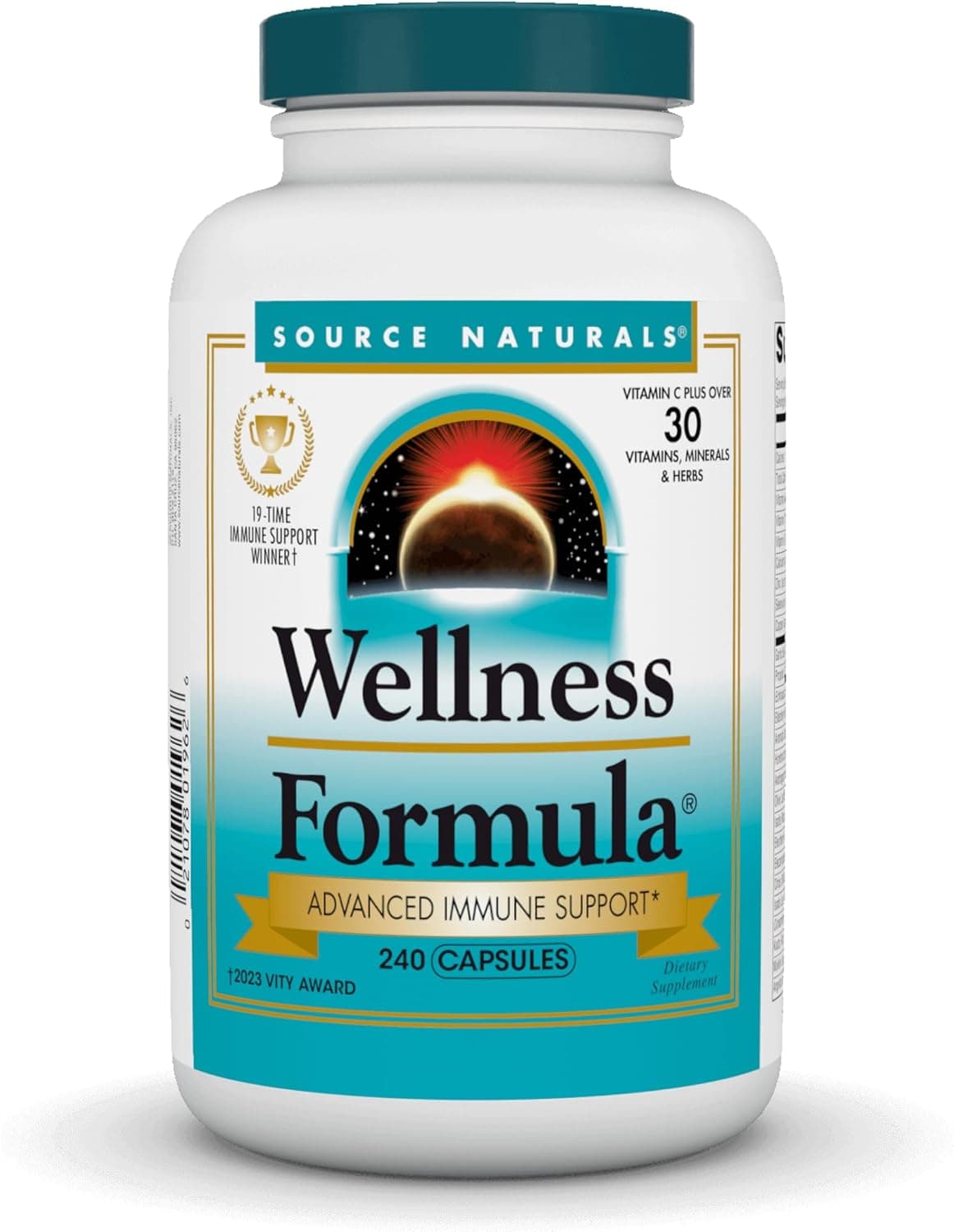 Verified by IngredientMD
The panel on the left is the one we evaluated, line by line.
All 16 actives checked against the clinical evidence: dose, form, and what the research actually shows.
Doses, ratios, and how the ingredients work together. That assessment is the verdict above: "Strong evidence, strong dose".
The verdict is public and identical whether or not a brand pays. A formula that does not clear the bar gets nothing.
Read by the engine against 2.1 million data points from clinical trials, PubMed and more than a hundred vetted sources. No individual reviewer is named or implied.
Cross-checked against 3,943 documented interactions for these actives.
Public health figures the engine matched to this formula's ingredients. Reported by their source, cited and dated, never written by the brand.
About 45% of US adults
take in less vitamin A than the estimated average requirement.
Peer-reviewed analysisAbout 46% of US adults
take in less vitamin C than the estimated average requirement.
Peer-reviewed analysisAbout 41% of US adults
have blood vitamin D below the level considered sufficient.
Peer-reviewed analysisAbout 42% of Americans
take in less calcium than the estimated average requirement.
NHANESAbout 15% of US adults
take in less zinc than the estimated average requirement.
Peer-reviewed analysis15% of US adults
had a usual zinc intake below the Estimated Average Requirement, up from 11% in an earlier survey period, across NHANES data from 2005 to 2016.
Peer-reviewed NHANES analysis, 202057.6%
During 2017 to 2018, 57.6% of US adults aged 20 and over reported using a dietary supplement in the past 30 days.
CDC National Center for Health StatisticsAbout 24% of US girls aged 14 to 18
take in less copper from food and drink than the estimated average requirement.
NHANES30% of US supplement users
name immune health as a reason they take a supplement, second only to general health and wellness, in the Council for Responsible Nutrition's 2024 Consumer Survey.
Council for Responsible Nutrition, 202460.2% of US adults age 20 and over
took a dietary supplement of any kind in the past 30 days, with use higher among women at 66.1% than men at 53.9%, in NHANES data covering August 2021 to August 2023.
CDC National Center for Health Statistics, 202446% of US adults
had a usual vitamin C intake below the Estimated Average Requirement from food alone, falling to 33% once supplement intake is counted, across NHANES data from 2005 to 2016.
Peer-reviewed NHANES analysis, 202043.5% of employed US women
and 37.0% of employed US men aged 18 and over missed at least one day of work in the past 12 months because of illness or injury, in the 2017 National Health Interview Survey.
CDC National Center for Health Statistics, 201948% of US adults
admit they forget or choose not to wash their hands at key moments, and one in five say they actively choose not to, in the 2025 State of Handwashing Report.
National Foundation for Infectious Diseases, 202530.5% of US adults
slept less than 7 hours on average in a 24 hour period in 2024, short of the amount the American Academy of Sleep Medicine recommends, in the National Health Interview Survey.
CDC National Center for Health Statistics, 202559 to 66 days
was the median time it took adults to make a new daily health habit automatic across the studies a 2024 review pooled, with individuals ranging from 4 to 335 days.
Systematic review and meta-analysis, 202461% to 74%
About 61 to 74 percent of adults refilling a long-term medicine on their own stopped within a year, versus 33 to 44 percent on one set pickup day.
Cohort study, 2015Randomised trial, 2026
In repeated single-person trials, vitamin C raised blood levels by 20.6 micromol/L and lowered two stress markers, with day-to-day swings bigger than differences between people.
Free Radical Biology and MedicineMeta-analysis, 2016
Zinc acetate lozenges cut cold symptom length by about 2.7 days, versus a roughly seven day average, across three pooled trials.
British Journal of Clinical PharmacologyMeta-analysis, 2017
Across 33 trials in 7,175 people, andrographis eased sore throat and cough versus placebo and shortened time to symptom resolution, though the pooled trials were of poor quality.
PLoS OneMeta-analysis, 2019
Across trials in 180 people, elderberry was linked to shorter and milder upper airway symptoms, with a large average effect.
Complementary Therapies in MedicineSystematic review, 2021
The authors pooled the available elderberry trials for upper respiratory symptoms and concluded the evidence is limited, the trials small and the certainty low, with some reporting shorter symptom duration.
BMC Complementary Medicine and TherapiesRandomised trial, 2025
Vitamin D3 supplementation changed the inflammatory protein CHI3L1 and oxidative stress markers in adults with a chronic demyelinating condition. These are markers, not clinical outcomes.
Neuropsychopharmacology ReportsMeta-analysis, 2015
Pooling six trials, andrographis lowered cough frequency and severity more than placebo, though the result varied a lot between studies.
Forschende KomplementarmedizinControlled clinical trial, 2004
Adding vitamin C to an iron-fortified meal at a 4 to 1 ratio with iron raised non-heme iron absorption about 2.9-fold, from 4.1% to 11.7%.
American Journal of Clinical NutritionSystematic review, 2020
Across nine trials in 333 people, propolis mouthwash reduced dental plaque and gum inflammation, performing close to chlorhexidine, though most trials carried a high risk of bias.
BMC Oral HealthMeta-analysis, 2024
Across 10 trials in 318 athletes, vitamin D3 raised blood vitamin D by about 14.8 nmol/L and hinted at better muscle strength, though few trials leave that uncertain.
Frontiers in NutritionMeta-analysis, 2011
Across 13 trials, about 500 mg of vitamin C daily lowered blood uric acid by roughly 0.35 mg/dL.
The paperMeta-analysis, 2024
Across six trials in 739 women, zinc lowered menstrual discomfort scores, with bigger drops after eight weeks or more, even at doses as low as 7 mg daily.
NutrientsMeta-analysis, 2014
Pooling 30 trials of 5,615 adults, vitamin D gave a small rise in overall muscle strength, with no measurable effect on muscle mass or power.
Journal of Clinical Endocrinology and MetabolismMeta-analysis, 2014
Across 44 trials, vitamin C improved how well the blood vessel lining widens, a moderate effect of 0.50, larger at higher doses.
The paperRandomised trial, 2024
In a crossover trial of 18 overweight adults, one week of elderberry juice lowered post-meal blood glucose and raised fat oxidation during and after a meal test.
NutrientsMeta-analysis, 2024
Across 20 randomised trials with 1,139 adults, propolis lowered interleukin 6 and TNF-alpha, while C-reactive protein was unchanged overall and fell only in trials running 10 weeks or longer.
Prostaglandins and Other Lipid MediatorsMeta-analysis, 2024
Across controlled trials, propolis supplementation was followed by lower blood interleukin-6 and CRP, both blood markers rather than measured outcomes.
Journal of health, population, and nutritionRandomised trial, 2016
The authors reported shorter symptom duration and lower symptom scores in the elderberry arm compared with placebo among long-haul air travellers.
NutrientsMeta-analysis, 2026
In adults with metabolic risk factors, selenium supplementation was linked to small changes in blood lipid and inflammatory markers, with results varying between trials.
Meta-analysisMeta-analysis, 2024
Across 20 studies, daily vitamin D3 raised blood vitamin D levels by about 10.4 nmol/L more than the same dose of vitamin D2, roughly 40 percent more.
Advances in NutritionRandomised trial, 2025
In ten adults with excess weight, a week of twice-daily elderberry juice shifted activity in 234 genes versus 59 on placebo, a gene-activity signal rather than a measured outcome.
NutrientsMeta-analysis, 2019
Across 13 trials, selenium increased activity of an antioxidant enzyme and overall antioxidant capacity, and lowered a marker of fat oxidation in the blood.
HormonesMeta-analysis, 2023
Pooling nine controlled trials, propolis raised glutathione, glutathione peroxidase and total antioxidant capacity, with no detectable change in superoxide dismutase and no overall change in malondialdehyde.
Phytotherapy ResearchSystematic review, 2026
Systematically compares selenium supplementation strategies and reports tissue selenium retention across the forms used.
Poultry ScienceMeta-analysis, 2012
In trials directly comparing the two forms, vitamin D3 raised blood 25-hydroxyvitamin D more than vitamin D2 did (P = 0.001).
American Journal of Clinical NutritionMeta-analysis, 2018
Pooling 21 trials, vitamin A on its own raised haemoglobin and cut the share of people with low haemoglobin by about 26 percent in those with low vitamin A status.
Critical Reviews in Food Science and NutritionMeta-analysis, 2025
Pooled analysis of selenium supplementation reports changes in selenium status and in inflammatory and oxidative markers in the population studied.
International Urology and NephrologyMeta-analysis, 2012
Pooling 29 randomized trials, vitamin C at a median of 500 mg a day lowered systolic blood pressure by about 3.8 mmHg and diastolic by about 1.5 mmHg over a median of eight weeks.
American Journal of Clinical NutritionMeta-analysis, 2018
Pooling trials, selenium raised the share of motile sperm by about 3.3 percentage points, with a smaller rise in normally shaped sperm and a higher sperm concentration.
Advances in NutritionMeta-analysis, 2025
Across four trials in women of reproductive age, zinc lowered premenstrual symptom scores, with the biggest gain in mood and a smaller, less certain gain in physical symptoms.
Women and HealthMeta-analysis, 2025
Pooling controlled trials, the authors report a change in blood pressure readings with propolis supplementation.
Minerva Cardiology and AngiologyMeta-analysis, 2025
Pooling the randomised evidence, the review reports reductions in circulating thyroid autoantibody concentrations with selenium supplementation.
MedicineMeta-analysis, 2024
Pooling 21 trials in adults, propolis lowered fasting blood sugar by about 9.75 mg per deciliter and a sugar marker by about 0.46 points.
Clinical TherapeuticsMeta-analysis, 2014
Across 23 trials of 4,082 adults, vitamin D raised bone mineral density at the femoral neck by about 0.8%, with no measurable change at the spine, hip, or other sites.
LancetRandomised trial, 2020
In this double-blind placebo-controlled trial the investigators did not detect a difference in symptom duration between elderberry extract and placebo. A failure to detect a difference is not a demonstration that none exists.
Journal of General Internal MedicineMeta-analysis, 2026
Pooling randomised trials in adults, zinc had a small effect on body weight and waist circumference and no detectable effect on body mass index, fat mass, fat-free mass or adipokine levels, and the authors call the size of the changes minor.
Biological Trace Element ResearchSystematic review and meta-analysis, 2016
In children older than six months, zinc may shorten a bout of diarrhea by about half a day across nine trials, on low certainty evidence.
Cochrane Database of Systematic ReviewsMeta-analysis, 2011
Across 36 studies in children under five, zinc modestly increased height growth, adding roughly 0.37 cm at about 10 mg a day for 24 weeks.
BMC Public HealthMeta-analysis, 2022
Across 19 trials of about 1.2 million children in vitamin A deficient settings, supplementation lowered all-cause mortality by 12 percent (risk ratio 0.88), rated high-certainty evidence.
Cochrane Database of Systematic ReviewsRandomised trial, 1998
Weekly vitamin A lowered the incidence of night blindness in pregnant women from 10.7 percent to 6.7 percent, and by about 67 percent among those who took nearly all of their doses.
Journal of NutritionRandomised trial, 2026
In 306 newborns given 50,000 IU vitamin A within 48 hours of birth, the delayed skin immune response to BCG improved modestly in heavier babies, while antibody responses to polio, tetanus and hepatitis B vaccines showed no detectable change.
VaccineRandomised trial, 2019
In 103 adults with knee joint discomfort, a standardised andrographis extract (ParActin, 300 or 600 mg daily) lowered WOMAC joint pain and stiffness scores versus placebo across 84 days.
Phytotherapy ResearchPopulation figures from public health data. Context for the category, not a statement about any individual and not a claim about this product.
Each line below was derived from this formula's own record at the time of verification. Nothing here was written by the brand, and nothing can be added that the evidence does not carry.
One pairing in this formula has been studied as a combination in human trials. Each finding below is what a named study measured, cited and dated, never written by the brand.
In a two-year trial in older adults, zinc taken together with selenium improved the antibody response to influenza vaccination.
Research strength. Research strength says how much work stands behind the combination. It is never a product score.
Fail closed. Where actives were studied on their own rather than together, each shows on its own evidence, never a combined effect no trial measured.
Independent record. Every finding is cited to a named trial, dated, and never written by the brand.
Findings from trials that studied these actives as a combination. Context for how the actives were tested together, not a statement about any individual and not a claim about this product.
Where a trial measured an actual number, we show it next to the claim. It is the average across the trials, never a promise about one person.
About 52 percent lower risk of developing a cold, in trials of people undergoing brief periods of severe physical exertion.
Read at the source. The magnitude sits beside the same trial the claim already cites. It describes what the trials measured, never what any one person will feel.
Time-to-effect windows the engine read from the trial record. Each is a window a named study measured, cited and dated, never written by the brand.
In a randomised crossover trial, 12 healthy adults consumed 101.7 mg of vitamin C as a powder, as raw fruits and vegetables, or as juice, and plasma vitamin C rose after every intake form, with plasma and urinary levels tracked over the 24 hours following the single dose.
In the trial record, blood vitamin D rises for about 3 months of daily vitamin D3 and then holds at a plateau, near 69 nmol/L at 1,000 IU a day, from a starting level near 41 nmol/L.
A randomised cross-over trial in ten women of mean age 69 gave a single 500 mg dose of calcium as citrate fasting, citrate with a meal, fortified juice or a dairy product meal, with blood drawn before and at 1, 2, 4 and 6 hours. Serum ionised and total calcium increased significantly from baseline over six hours, with the rise similar after fortified juice, delayed when citrate was taken with a meal and smaller after the dairy meal. A separate double-blind cross-over trial in 25 postmenopausal women measured parathyroid hormone and a bone resorption marker 12 hours after a single calcium dose. Ten participants is a small sample, and what moved was blood chemistry, not a sensation.
Across three randomised placebo-controlled trials pooled as individual patient data (199 adults with naturally acquired colds, 80 to 92 mg of elemental zinc a day as acetate lozenges), 70 percent of the zinc group had recovered by day 5 against 27 percent on placebo, and colds ran 2.73 days shorter against a 7 day average duration. A separate meta-analysis of seven lozenge trials (575 participants, doses above 75 mg a day, zinc acetate or zinc gluconate) measured cold duration 33 percent shorter, with no significant difference between the two salts.
In a controlled feeding study in nine healthy men, six weeks of restricted zinc intake raised DNA strand breaks in peripheral blood cells, and four weeks of repletion at 11 mg a day, with 20 mg of supplemental zinc for the first seven days, reversed the rise. In a separate randomised placebo-controlled trial in 40 Ethiopian women eating a high-phytate diet, 20 mg a day of zinc sulfate for 17 days lowered mean comet tail moment from 39.7 to 30.0 while plasma zinc did not change significantly. Both windows were measured on a DNA damage marker in blood cells, not on a symptom.
In a 12 week randomised double-blind placebo-controlled trial in 119 healthy UK adults aged 50 to 64, mean plasma selenium rose from 95.7 ng/mL at baseline to steady state by week 10, reaching 118.3, 152.0 and 177.4 ng/mL on 50, 100 and 200 micrograms a day of selenium-enriched yeast. Plasma selenoprotein P rose in every selenium arm. Platelet glutathione peroxidase activity did not change significantly at any dose or form.
In an 8 week pilot with a parallel placebo group, 8 young women taking 2 mg of copper a day as copper glycinate showed a 9 percent mean rise in serum ceruloplasmin and a 75 percent rise in diamine oxidase, alongside a 39 percent fall in plasma F2-alpha isoprostanes. Erythrocyte copper-zinc superoxide dismutase did not change. In a separate 4 week double-blind crossover in 20 men with moderately high cholesterol at the same 2 mg a day, copper moved no measure across the whole group and raised superoxide dismutase and diamine oxidase only in the 10 men who started below the median. Both are small and both measured enzymes in blood, not a symptom.
In a kinetic study, 6 healthy volunteers took a single 30 ml oral dose of elderberry extract providing 147.3 mg of anthocyanins. The anthocyanins appeared in plasma and were excreted in urine within 7 hours, with a plasma half-life of about 1.74 hours.
In a randomised crossover trial, adults with overweight consumed anthocyanin-rich elderberry juice twice daily for 1 week. After that week, gut microbiota composition had shifted, post-meal blood glucose was lower and fat oxidation was higher than after placebo.
Windows measured in the cited trials. Context for how the active behaves over time, not a statement about any individual and not a claim about this product.
12 ingredients, from each one's own page.
Weeks to months. Liver stores buffer intake, so vitamin A status moves slowly and shows up on a blood panel rather than as a sensation.
Blood levels rise within hours and tissue pools fill over days. Collagen-linked changes in skin and gums build over weeks and show as tissue quality, not as a sensation.
25-hydroxyvitamin D climbs over roughly six to twelve weeks of daily dosing before it plateaus. It's a blood level you watch rather than a feeling.
No acute sensation. Parathyroid hormone responds within hours, while bone density shifts over a year or more of steady intake, so this reads on a panel and a scan.
Blood zinc moves within days. The parts you would notice, skin behaviour and immune resilience, take four to twelve weeks of steady daily intake.
No felt onset. Plasma selenium and glutathione peroxidase activity rise over three to six weeks of daily intake and then plateau once the enzyme pool is filled.
The enzymes that need copper get their supply within days. The change shows on a blood panel rather than in how you feel, and any felt difference takes weeks.
Give it four to twelve weeks. Changes land on a blood pressure cuff or a lipid panel rather than in how the day feels, so a repeat reading is where you see them.
Mouth and gum comfort uses tend to read within a few days. For everyday immune support, think in weeks of daily use.
A liquid form tingles on the tongue within seconds. Anything beyond that plays out over the following few days of a short course, not within an hour of the first dose.
It moves on a scale of days, not minutes. Studies that started daily use at the first sign of a sniffle followed the difference over the next two to four days.
Trials that tracked symptom scores saw differences by day three to five of a short course. Taken steadily through a season, it works as a slow background effect rather than an hourly one.
How each ingredient usually behaves over time, from its own page on IngredientMD. General timing for the ingredient, not a measurement of this product.
What each form is, and where it fits in a formula. Measured findings carry the study that reported them.
The animal-sourced form of vitamin D, made in skin under UVB light and produced commercially from lanolin. Fat-soluble, so it travels with dietary fat and is stored in body fat.
In a 12-week double-blind randomised controlled trial in 108 young women in urban Bangalore, most of whom began vitamin D-deficient, daily vitamin D3 at 400, 600 or 800 IU in a fortified wafer raised serum 25-hydroxyvitamin D, parathyroid hormone fell over time, and effects on bone-turnover markers were modest and not dose specific. The 800 IU dose brought 65 percent of participants to sufficiency.
An alcohol-containing extraction that recovers the less water-soluble constituents, including a larger share of the indole alkaloid fraction.
Descriptions of the form itself, read from the cited studies. Not a comparison between products and not a statement about any individual.
It is a tablet, so the amount per serving is fixed and it stores well.
Put an earned verification on your own product page.
These statements have not been evaluated by the Food and Drug Administration. This product is not intended to diagnose, treat, cure, or prevent any disease. This record is not medical advice. Always consult your healthcare provider before starting any supplement regimen.