Vitamin ANHANES 2005 to 2016
About 45% of US adults
take in less vitamin A than the estimated average requirement.
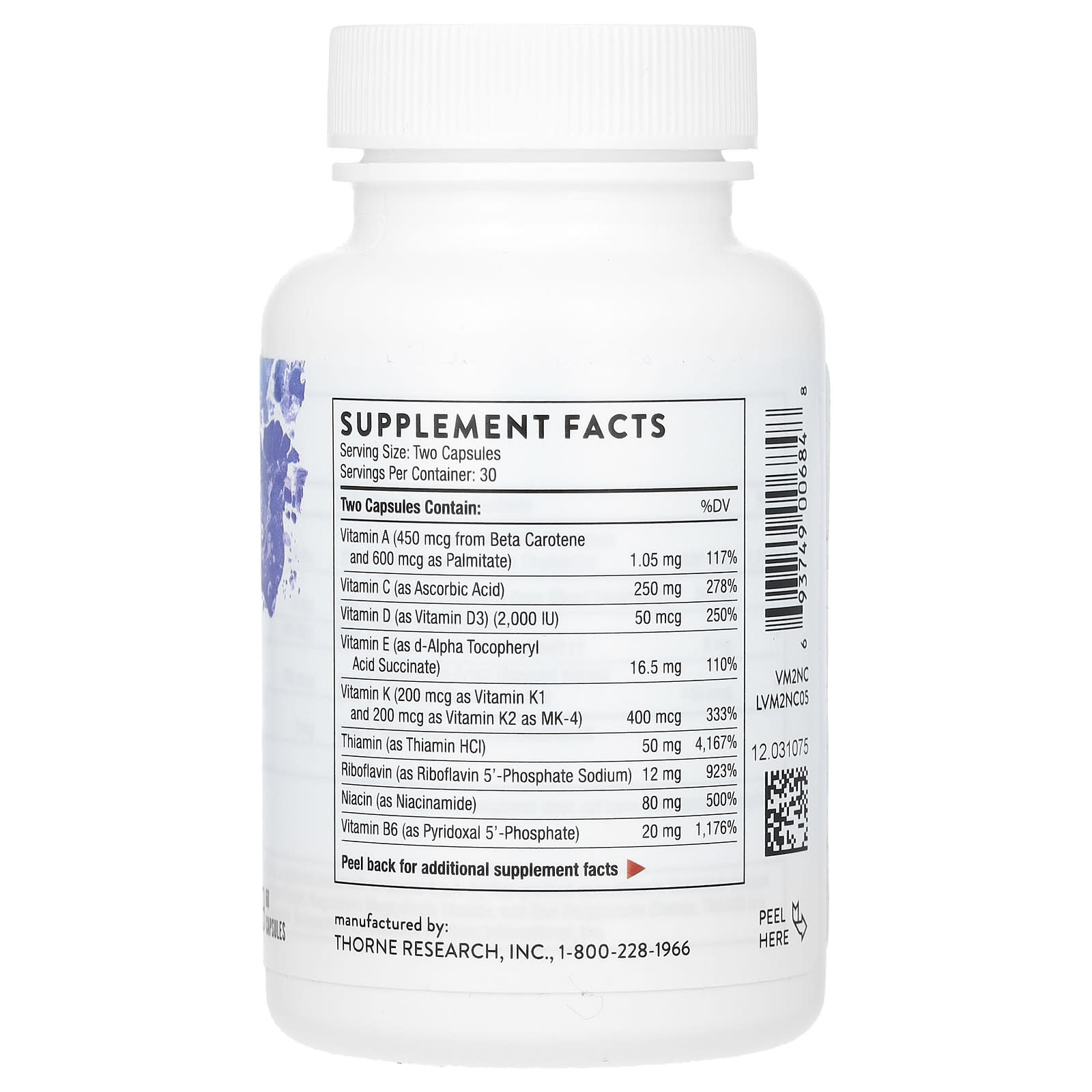
Peer-reviewed analysisVitamin C is the lead active here, studied most for iron status. 20 human studies on Vitamin C back this formula, each one cited. Each serving carries 1.05 mg of Vitamin A, inside the range the published research used. Who it fits: skews toward women, adults.
 Verified by IngredientMD
The panel on the left is the one we evaluated, line by line.
All 9 actives checked against the clinical evidence: dose, form, and what the research actually shows.
Doses, ratios, and how the ingredients work together. That assessment is the verdict above: "Strong evidence, strong dose".
The verdict is public and identical whether or not a brand pays. A formula that does not clear the bar gets nothing.
Read by the engine against 2.1 million data points from clinical trials, PubMed and more than a hundred vetted sources. No individual reviewer is named or implied.
Cross-checked against 2,439 documented interactions for these actives.
Public health figures the engine matched to this formula's ingredients. Reported by their source, cited and dated, never written by the brand.
About 45% of US adults
take in less vitamin A than the estimated average requirement.
Peer-reviewed analysisAbout 46% of US adults
take in less vitamin C than the estimated average requirement.
Peer-reviewed analysisAbout 41% of US adults
have blood vitamin D below the level considered sufficient.
Peer-reviewed analysisAbout 84% of US adults
take in less vitamin E than the estimated average requirement.
Peer-reviewed analysis74% of US adults
take dietary supplements, and 55% are regular users, in the Council for Responsible Nutrition's 2023 consumer survey of 3,192 adults.
Council for Responsible Nutrition and Ipsos, 202392% of US supplement users
agree that dietary supplements are essential to maintaining their health, in the Council for Responsible Nutrition's 2023 consumer survey.
Council for Responsible Nutrition and Ipsos, 202312.3% of US adults
met the fruit intake recommendation and 10.0% the vegetable recommendation in 2019, in the Behavioral Risk Factor Surveillance System across 49 states.
CDC, MMWR, 202215% of US adults
aged 20 and over ate no breakfast on the day of their dietary recall, in the 2017 to March 2020 What We Eat in America survey.
USDA Agricultural Research Service, 202457.6%
During 2017 to 2018, 57.6% of US adults aged 20 and over reported using a dietary supplement in the past 30 days.
CDC National Center for Health Statistics60.2% of US adults aged 20 and over
took a dietary supplement in the past 30 days, and 38.7% took two or more, in the 2021 to 2023 National Health and Nutrition Examination Survey.
CDC National Center for Health Statistics, 202659 to 66 days
was the median time it took adults to make a new daily health habit automatic across the studies a 2024 review pooled, with individuals ranging from 4 to 335 days.
Systematic review and meta-analysis, 202461% to 74%
About 61 to 74 percent of adults refilling a long-term medicine on their own stopped within a year, versus 33 to 44 percent on one set pickup day.
Cohort study, 2015Systematic review, 2024
Across trials in middle-aged and older adults, vitamin K supplementation raised the active carboxylated form of the bone protein osteocalcin and lowered its inactive form, reflecting greater osteocalcin activation.
Bone & Joint ResearchMeta-analysis, 2024
Across 10 trials in 318 athletes, vitamin D3 raised blood vitamin D by about 14.8 nmol/L and hinted at better muscle strength, though few trials leave that uncertain.
Frontiers in NutritionMeta-analysis, 2011
Across 13 trials, about 500 mg of vitamin C daily lowered blood uric acid by roughly 0.35 mg/dL.
The paperMeta-analysis, 2014
Pooling 30 trials of 5,615 adults, vitamin D gave a small rise in overall muscle strength, with no measurable effect on muscle mass or power.
Journal of Clinical Endocrinology and MetabolismControlled clinical trial, 2004
Adding vitamin C to an iron-fortified meal at a 4 to 1 ratio with iron raised non-heme iron absorption about 2.9-fold, from 4.1% to 11.7%.
American Journal of Clinical NutritionRandomised trial, 2026
In repeated single-person trials, vitamin C raised blood levels by 20.6 micromol/L and lowered two stress markers, with day-to-day swings bigger than differences between people.
Free Radical Biology and MedicineMeta-analysis, 2005
Across 30 trials in 4,749 people, niacin raised HDL cholesterol by about 16 percent, lowered triglycerides by about 20 percent, and lowered LDL cholesterol by about 14 percent.
Journal of the American College of CardiologySystematic review and meta-analysis, 2016
Across 14 placebo-controlled trials totaling about 9,000 people, extended-release niacin lowered blood lipoprotein(a) by about 23 percent.
MetabolismSystematic review and meta-analysis, 2014
Across 7 trials of 441 people, niacin improved a blood vessel dilation test by about 2 percentage points.
Vascular MedicineMeta-analysis, 2022
Across 8 trials in 1,002 women, vitamin E taken by mouth reduced reported menstrual cramp pain compared with placebo, with the clearest effect in the first month.
Clinical Nutrition ESPENMeta-analysis, 2014
Across 44 trials, vitamin C improved how well the blood vessel lining widens, a moderate effect of 0.50, larger at higher doses.
The paperRandomised trial, 2023
In 160 postmenopausal women with long-standing sleep difficulty, one month of vitamin E brought the median sleep questionnaire score to 6, versus 9 on placebo, where lower means better sleep.
NutrientsMeta-analysis, 2020
Across eight trials in 2,110 adults with high blood sugar, niacin shifted cholesterol, triglycerides, LDL and HDL by 0.28 to 0.42, with no detected change in blood sugar or HbA1c.
MedicineRandomised trial, 2025
Vitamin D3 supplementation changed the inflammatory protein CHI3L1 and oxidative stress markers in adults with a chronic demyelinating condition. These are markers, not clinical outcomes.
Neuropsychopharmacology ReportsMeta-analysis, 2022
Pooling 16 randomized trials in 6,425 postmenopausal women, vitamin K2 supplementation improved lumbar spine bone mineral density and lowered undercarboxylated osteocalcin.
Frontiers in Public HealthRandomised trial, 2015
In 244 healthy postmenopausal women, three years of 180 mcg per day menaquinone-7 reduced carotid-femoral pulse wave velocity, a marker of arterial stiffness, and cut inactive matrix Gla-protein by about 50 percent versus placebo.
Thrombosis and HaemostasisMeta-analysis, 2024
Across 20 studies, daily vitamin D3 raised blood vitamin D levels by about 10.4 nmol/L more than the same dose of vitamin D2, roughly 40 percent more.
Advances in NutritionMeta-analysis, 2018
Pooling 21 trials, vitamin A on its own raised haemoglobin and cut the share of people with low haemoglobin by about 26 percent in those with low vitamin A status.
Critical Reviews in Food Science and NutritionMeta-analysis, 2012
In trials directly comparing the two forms, vitamin D3 raised blood 25-hydroxyvitamin D more than vitamin D2 did (P = 0.001).
American Journal of Clinical NutritionSystematic review, 2026
The review found that reported responsiveness to riboflavin across inherited disorders of metabolism is uneven and rests largely on small series, so the strength of evidence varies by the specific condition.
Journal of Inherited Metabolic DiseaseMeta-analysis, 2012
Pooling 29 randomized trials, vitamin C at a median of 500 mg a day lowered systolic blood pressure by about 3.8 mmHg and diastolic by about 1.5 mmHg over a median of eight weeks.
American Journal of Clinical NutritionMeta-analysis, 2015
Across 12 trials, vitamin E lowered a blood marker of inflammation by about 0.62 mg/l compared with not taking it.
European Journal of Clinical NutritionMeta-analysis, 2025
Across 21 trials, vitamin E lowered oxidized LDL and lengthened the time before LDL starts to oxidize, by about 20.45 units, both lab markers of oxidation.
European Journal of PharmacologyRandomised trial, 2013
In adults with elevated blood pressure carrying the MTHFR 677TT genotype, riboflavin 1.6 mg per day lowered systolic blood pressure by about 5.6 mmHg versus placebo over 16 weeks.
The paperCohort study, 2026
Reports an association between dietary thiamin, riboflavin and niacin intake and elevated blood pressure and pulse pressure. An association in intake data, not a demonstration of cause.
MedicineMeta-analysis, 2024
In a dose-response meta-analysis of randomised trials, riboflavin was associated with about 1.3 fewer severe recurring headache attacks per month compared with control.
Neurological SciencesMeta-analysis, 2023
Across 12 trials in 794 adults with high liver fat, at least 400 IU of vitamin E daily lowered two liver enzyme markers by 7 to 10 and 5 units.
NutrientsMeta-analysis, 2014
Across 23 trials of 4,082 adults, vitamin D raised bone mineral density at the femoral neck by about 0.8%, with no measurable change at the spine, hip, or other sites.
LancetMeta-analysis, 2024
Pooling randomised trials, vitamin K supplementation showed no consistent improvement in circulating markers such as blood lipids and blood pressure.
Journal of nutritional scienceRandomised trial, 2019
Thiamin supplementation did not improve left ventricular ejection fraction in the participants studied. This is a failure to detect a difference in an imaging marker, not evidence that no difference exists.
The American Journal of Clinical NutritionMeta-analysis, 2022
Across 19 trials of about 1.2 million children in vitamin A deficient settings, supplementation lowered all-cause mortality by 12 percent (risk ratio 0.88), rated high-certainty evidence.
Cochrane Database of Systematic ReviewsSystematic review, 2023
Across 18 studies, pyridoxine on its own and in combinations improved nausea scores in pregnancy on both the Rhode and PUQE scales, a use with a long clinical track record.
Archives of Gynecology and ObstetricsMeta-analysis, 2025
A nutrition-status analysis in children included thiamin among the micronutrients measured, reporting intake and status data rather than a result of giving supplements.
Journal of Human Nutrition and DieteticsRandomised trial, 2026
Thiamin supplementation improved the thiamin pyrophosphate effect, a blood marker of thiamin adequacy, in children whose levels were low.
Scientific reportsRandomised trial, 1998
Weekly vitamin A lowered the incidence of night blindness in pregnant women from 10.7 percent to 6.7 percent, and by about 67 percent among those who took nearly all of their doses.
Journal of NutritionMeta-analysis, 2026
Pooling the available trials, adjuvant vitamin E alongside varicocele surgery was associated with better post-operative semen parameters, which are laboratory markers of sperm quality and not fertility outcomes.
Archivio Italiano di Urologia e AndrologiaRandomised trial, 2026
In 306 newborns given 50,000 IU vitamin A within 48 hours of birth, the delayed skin immune response to BCG improved modestly in heavier babies, while antibody responses to polio, tetanus and hepatitis B vaccines showed no detectable change.
VaccineMeta-analysis, 2021
Pooling nine controlled trials in 673 people, vitamin B2 at 400 mg per day for three months lowered the frequency, days, duration and pain score of severe recurring headache attacks.
Nutritional NeuroscienceRandomised trial, 2023
Two weeks of 50 or 100 mg per day of riboflavin raised measured gut butyrate production and increased microbial network connectivity, without shifting overall gut bacterial composition or Faecalibacterium prausnitzii abundance.
Antioxidants and Redox SignalingPopulation figures from public health data. Context for the category, not a statement about any individual and not a claim about this product.
Each line below was derived from this formula's own record at the time of verification. Nothing here was written by the brand, and nothing can be added that the evidence does not carry.
Where a trial measured an actual number, we show it next to the claim. It is the average across the trials, never a promise about one person.
About 52 percent lower risk of developing a cold, in trials of people undergoing brief periods of severe physical exertion.
Read at the source. The magnitude sits beside the same trial the claim already cites. It describes what the trials measured, never what any one person will feel.
Time-to-effect windows the engine read from the trial record. Each is a window a named study measured, cited and dated, never written by the brand.
In a randomised crossover trial, 12 healthy adults consumed 101.7 mg of vitamin C as a powder, as raw fruits and vegetables, or as juice, and plasma vitamin C rose after every intake form, with plasma and urinary levels tracked over the 24 hours following the single dose.
In the trial record, blood vitamin D rises for about 3 months of daily vitamin D3 and then holds at a plateau, near 69 nmol/L at 1,000 IU a day, from a starting level near 41 nmol/L.
In a 3-phase crossover using two deuterium-labelled forms of alpha-tocopherol, healthy women absorbed about 55 percent of an oral dose taken with a 40 percent fat meal and about 64 percent with a fat-free meal, with samples tracked over 72 hours. The authors conclude absorption is not limited by absent fat or fasting, and that vitamin E leaves the intestine by a prolonged process.
A double-blind randomised dose-finding trial gave 60 postmenopausal women aged 50 to 69 either 0, 50, 100 or 200 micrograms of menaquinone-7 daily for four weeks on a controlled diet. The ratio of carboxylated to undercarboxylated osteocalcin rose dose dependently, with significant differences from the 0 microgram group at 100 and 200 micrograms. A companion 12-week trial in 120 people aged 20 to 69 confirmed the change at 100 micrograms daily. Both studies were run by authors affiliated with the R and D division of J-Oil Mills. An independent 8-week double-blind trial in 55 healthy prepubertal children found the same direction at 45 micrograms daily. What was measured is a blood marker of vitamin K status, not bone density and not a sensation.
A double-blind randomised trial gave 244 healthy postmenopausal women either placebo or 180 micrograms of menaquinone-7 daily for three years, with bone mineral density measured by DXA at baseline and after each year. Menaquinone-7 decreased the age-related decline in bone mineral content and bone mineral density at the lumbar spine and femoral neck, but not at the total hip. The effect is a slowed decline rather than a gain, and the trial ran three years rather than weeks.
In the controlled depletion study the EFSA reference opinion reviews, restricting thiamin intake to 0.009 to 0.015 mg/MJ for 30 days brought urinary free thiamin excretion from a mean of 0.283 mg/24 h down to undetectable levels by day 18 of the depletion period.
In the same depletion and repletion record the EFSA reference opinion reviews, erythrocyte transketolase activity fell progressively to about 75% of baseline during the 30-day depletion period and returned to its baseline value after 1 week of thiamin repletion.
In an intervention the EFSA reference opinion reviews, adults whose baseline riboflavin intake and status were unknown received 5 mg/day of riboflavin for 8 weeks, and haemoglobin concentration, haematocrit and erythrocyte count all rose significantly over that period.
An expert consensus on vitamin B6 use, developed by a six-member Delphi panel with a structured evidence-quality assessment, calculated from pharmacokinetic parameters that complete clearance of vitamin B6 from the body takes a washout period of about 20 to 40 days after intake stops.
Windows measured in the cited trials. Context for how the active behaves over time, not a statement about any individual and not a claim about this product.
9 ingredients, from each one's own page.
Weeks to months. Liver stores buffer intake, so vitamin A status moves slowly and shows up on a blood panel rather than as a sensation.
Blood levels rise within hours and tissue pools fill over days. Collagen-linked changes in skin and gums build over weeks and show as tissue quality, not as a sensation.
25-hydroxyvitamin D climbs over roughly six to twelve weeks of daily dosing before it plateaus. It's a blood level you watch rather than a feeling.
Plasma alpha-tocopherol climbs within days of daily intake, and anything you'd notice in skin condition is a slow change across a couple of months.
Clotting factor carboxylation responds within days. The bone marker undercarboxylated osteocalcin shifts across roughly four to twelve weeks, so this shows up on a panel.
There is no onset to time in the usual sense. Status markers such as erythrocyte transketolase activity move across weeks, and that is where the change is read.
Urine turns bright yellow within hours of the first dose. Status itself, read as red cell glutathione reductase activity, shifts across two to eight weeks.
Nothing to wait for at everyday amounts. Niacin status shows up on blood work rather than as a sensation. The flush from the nicotinic acid form arrives within 30 minutes.
Nothing quick. Conversion to the active coenzyme happens within hours, but plasma pyridoxal 5-phosphate takes a couple of weeks to settle at a new level.
How each ingredient usually behaves over time, from its own page on IngredientMD. General timing for the ingredient, not a measurement of this product.
What each form is, and where it fits in a formula. Measured findings carry the study that reported them.
The animal-sourced form of vitamin D, made in skin under UVB light and produced commercially from lanolin. Fat-soluble, so it travels with dietary fat and is stored in body fat.
In a 12-week double-blind randomised controlled trial in 108 young women in urban Bangalore, most of whom began vitamin D-deficient, daily vitamin D3 at 400, 600 or 800 IU in a fortified wafer raised serum 25-hydroxyvitamin D, parathyroid hormone fell over time, and effects on bone-turnover markers were modest and not dose specific. The 800 IU dose brought 65 percent of participants to sufficiency.
The free vitamin B2 molecule, an isoalloxazine ring joined to a ribitol sugar chain, supplied as the unmodified crystalline compound with no added salt or phosphate group.
The free-acid form of vitamin B3, pyridine-3-carboxylic acid. It is the reference form of niacin, a small water-soluble molecule carrying a bare carboxylic acid group on the pyridine ring.
Descriptions of the form itself, read from the cited studies. Not a comparison between products and not a statement about any individual.
It is a capsule, so the amount per serving is fixed and travels without measuring.
Put an earned verification on your own product page.
These statements have not been evaluated by the Food and Drug Administration. This product is not intended to diagnose, treat, cure, or prevent any disease. This record is not medical advice. Always consult your healthcare provider before starting any supplement regimen.