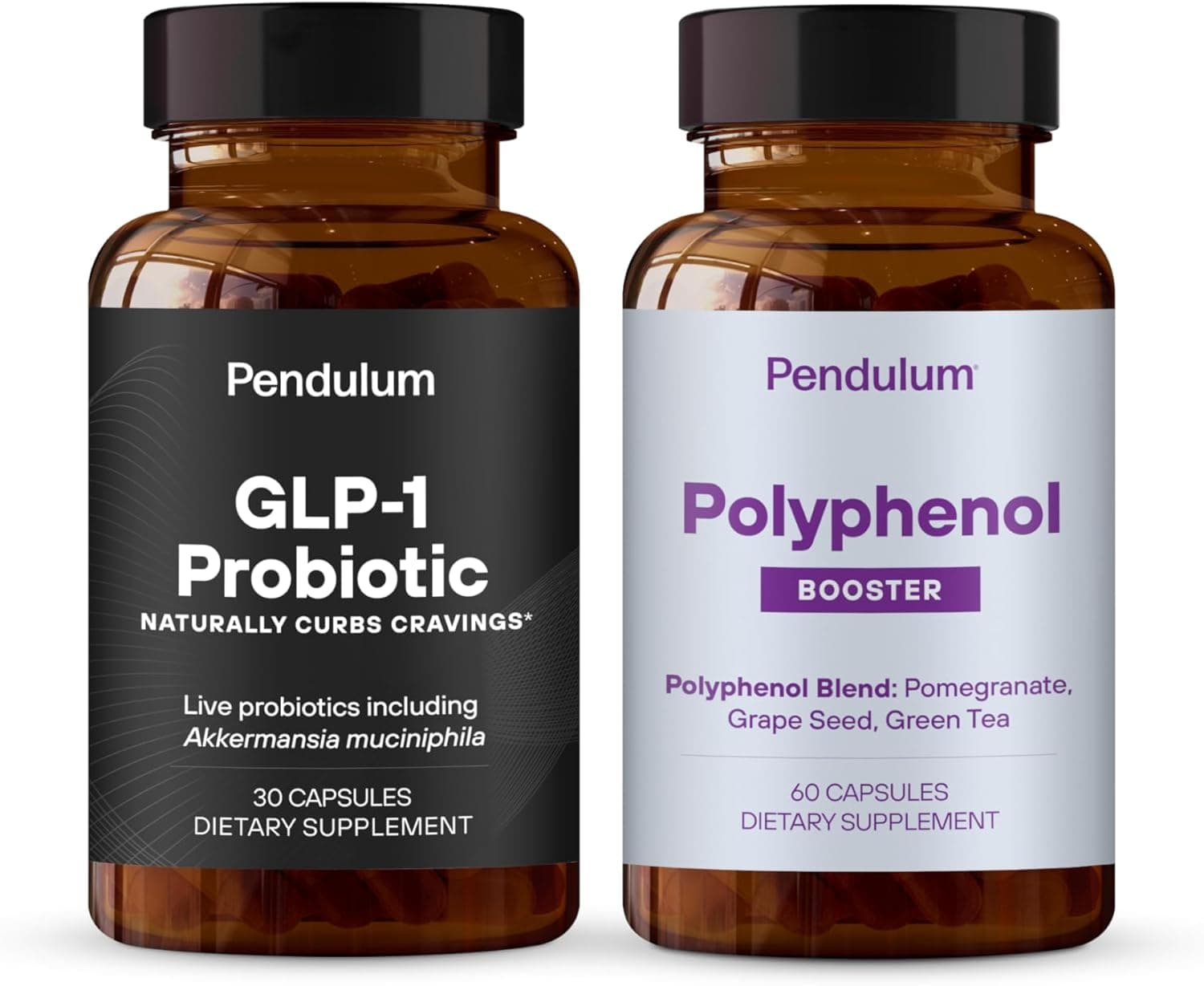
Akkermansia muciniphila.
The next-gen probiotic. Gut lining guardian. Supports gut barrier integrity and metabolic health. This bacteria helps maintain the mucus layer protecting your gut lining.
Reviewed March 2026
- Category
- Probiotic
- Also filed under
- MetabolismGut liningWeight
What Akkermansia muciniphila is, and what it does.
- Does it work
- Suits people focused on the gut lining and metabolic markers rather than day-to-day digestion. It does a different job from a lactobacillus blend, so it sits alongside one.
- How much to take
- 100 million to 10 billion CFU daily. Follow product instructions as viability varies.
- Time to feel it
- Think in months. The human pilot work ran three months and read blood markers, so the change shows up on a panel rather than in your day.
- The first dose
- Day one passes quietly. The cells arrive in a mucus layer that turns over continuously, and any change registers on blood markers across months rather than on the first day.
- With regular use
- May support metabolic markers and gut health over months.
- How well tolerated
- Appears well tolerated in studies. Still relatively new as a supplement.
- How it feels
- Subtle. May notice improved digestion or energy. Effects are mainly internal.
- The overlooked benefit
- The heat-treated version is not a lesser one. The surface protein credited with the effects survives pasteurisation, so a non-viable preparation has no live count to lose in storage.
1 to 10 CFU a day is where Akkermansia muciniphila works.
Source: Depommier et al. Nat Med 2019; Pendulum Therapeutics data
The proof, claim by claim.
These words describe the research, not the molecule's worth. Research strength is how much work stands behind one claim, and it is never a product score.
Based on 5 human trials.
- Metabolic healthMultiple human trials show benefit
- Gut barrier supportMechanism well-established
- Weight managementSome positive trials
Questions people ask about Akkermansia muciniphila.
- When should I take it?
- Timing matters less than consistency. Pick a time that works for you and take it daily.
- Can I take it with other supplements?
- Usually fine. The main thing to watch is not doubling up on the same ingredient from different products. If you're on prescription meds, check with your pharmacist first.
- Any side effects to watch for?
- Most people tolerate it well at recommended doses. GI upset is the most common complaint with any supplement. Start with a lower dose and work up. If something feels off, stop and reassess.
- Who benefits most from this?
- People who've already covered the basics (diet, sleep, exercise) and want to fine-tune. It's not essential, but could be worthwhile for the right person.
Why these belong in the same formula. Each row says what the basis is, from settled biochemistry through to a trial that measured the pair.
Fructan fermentation raises short-chain fatty acid production and mucus turnover, which is the substrate niche Akkermansia occupies. Fructan intake consistently raises its relative abundance.
Akkermansia degrades mucin into acetate and propionate, which butyrate-producing species take up and convert onward. Butyrate in turn drives goblet cell mucin production, which regenerates the substrate Akkermansia lives on.
Cranberry proanthocyanidins reach the colon largely unabsorbed and raise the relative abundance of Akkermansia. The polyphenols act as the selective substrate rather than as a direct nutrient.
Catechins that escape small intestinal absorption are metabolised in the colon and shift community composition toward mucin-associated organisms. Akkermansia abundance rises in that setting.
Oligomeric proanthocyanidins are poorly absorbed and reach the colon intact, where they favour polyphenol-tolerant taxa. Akkermansia is among the organisms that expand under that pressure.
Long-chain omega-3 intake changes bile acid profile and mucus composition, and Akkermansia abundance rises in that setting in several intervention datasets. The mechanism is indirect and still being mapped.
Charcoal binds organic material non-selectively as it passes through the gut, lowering what a live culture dose delivers to the colon. The two should be taken several hours apart.
Carvacrol and thymol disrupt bacterial membranes indiscriminately in the lumen. Co-dosing lowers the viable count of any supplemented bacterium, including a mucin-associated one.
Akkermansia lives on host mucin rather than on dietary fructans directly, so the effect is indirect: fructan fermentation shifts pH and cross feeding in the colon in ways associated with higher Akkermansia counts. That is an abundance measure, a marker, not a clinical outcome. Taking a fructan alongside a live or pasteurised cell preparation is a coherent pairing, and fructans also cause gas and bloating in sensitive people.
GOS feeds bifidobacteria first, and the resulting acetate and lactate become substrate for other members of the community. Any effect on Akkermansia is second order through cross feeding rather than direct nutrition. Report it as a compositional shift, not a health result.
Resistant starch mainly drives butyrate production by Firmicutes rather than feeding a mucin specialist. The relevance to Akkermansia is that butyrate supports colonocyte energy metabolism and mucus turnover, which is the substrate this organism actually eats. The chain of reasoning is mechanistic and the human data are about community composition.
PHGG ferments slowly and more distally, which is why it is chosen when fructans are poorly tolerated. It supports the same short chain fatty acid economy that mucus production depends on. Any Akkermansia change is a compositional marker.
Psyllium is largely non fermented, so it does not feed the community the way inulin does. It changes transit time and the viscosity of the luminal contents. Slower or faster transit alters how long mucin is exposed to degraders. Pair it for bowel regularity reasons rather than as a way to raise a single genus.
Pectin fermentation yields acetate and propionate, the same short chain fatty acids Akkermansia itself produces from mucin. The organism does not degrade pectin directly. Framed honestly this is a shared end product, not a feeding relationship.
Oat beta glucan raises viscosity in the small intestine and is fermented distally. Both actions change the chemistry the mucus layer sits in. Its own established role concerns normal blood cholesterol maintenance, which is a separate axis from anything the bacterium does.
Glucomannan forms a viscous gel that slows gastric emptying and is fermented in the colon. It is often placed in the same weight management formulas that carry a pasteurised cell preparation. The pairing has not been measured together.
Most ingested resveratrol is unabsorbed or conjugated, so a large share reaches the colon and is transformed there. The abundance association runs in both directions: polyphenols change the community and the community determines which metabolites are produced. This is association in compositional data, not a demonstrated cause.
Because more pterostilbene is absorbed intact, less reaches the colon per dose than with resveratrol. The polyphenol and microbiota rationale is the same in kind but weaker in quantity. Label it as extrapolated from the stilbene class.
Quercetin glycosides need bacterial glycosidases before absorption, so the community and the compound act on each other. Reports linking flavonoid intake to Akkermansia abundance are observational or from animal feeding work. State it as a compositional association.
Not everyone converts ellagitannins to urolithin A, which is why the finished metabolite is sold directly. The dependency is on gut microbial capacity, and Akkermansia is one marker of the kind of community associated with that capacity. Being a marker of a converting community is not the same as doing the conversion.
Low oral bioavailability means most of a berberine dose is a colonic intervention whether or not that is the intent. Composition shifts reported with berberine include changes in Akkermansia abundance, in both directions depending on model. It also has antimicrobial activity, so co dosing with a live cell preparation is a genuine question rather than an obvious win.
S. boulardii occupies a different niche and survives conditions that kill bacterial probiotics. Co dosing avoids the direct competition two bacterial strains can have for the same substrate. Nothing has been measured for this specific pair.
Bifidobacteria ferment oligosaccharides to acetate and lactate, which other taxa consume and convert onward to butyrate. Akkermansia is itself an acetate producer, so the two sit in the same short chain fatty acid economy. Placing them in one capsule is common practice, not a measured combination.
Enterocytes oxidise glutamine preferentially, and adequate glutamine supports normal intestinal epithelial turnover and tight junction protein synthesis. That is settled physiology and needs no combination trial. The overlap with a mucin associated organism is that both relate to the state of the mucus and epithelium rather than to each other.
Zinc is a cofactor across the metalloenzymes involved in epithelial proliferation and repair, which is established nutrition. The carnosine complex is chosen for its adherence to mucosal surfaces. Both concern the barrier rather than the bacterium, so present them as parallel barrier supports.
Lactoferrin sequesters iron away from iron dependent bacteria, which is why its effect on a community is selective rather than uniform. Whether that favours or disfavours a given genus is model dependent. Flag it as an interaction to be aware of, not a benefit to claim.
Bovine colostrum carries oligosaccharides and glycoproteins that survive to the colon and are fermented there. It also carries immunoglobulins directed at bacterial surfaces. Both effects are real and they point in different directions, so no net claim is warranted.
The vitamin D receptor is expressed in intestinal epithelium and its signalling influences expression of claudins and other junction proteins, which is established cell biology. Observational work reports associations between vitamin D status and microbial composition, and association is not cause. Pair them as two barrier relevant inputs.
Slippery elm mucilage is a viscous polysaccharide, so it both coats and eventually ferments. It is not host mucin and is not the substrate this organism specialises in. The rationale is barrier comfort, kept separate from any abundance claim.
When plant myrosinase is inactivated by cooking or processing, conversion depends on bacterial enzymes in the colon, which makes yield community dependent. That is established chemistry of the glucosinolate pathway. It is a reason microbial composition matters, not evidence that this genus performs the step.
Nothing specific on file for Akkermansia muciniphila. Match the label to the daily amount above, and tell your doctor what you take.
Not medical advice. Show the label to your pharmacist.What Akkermansia muciniphila actually does.
It lives in the mucus lining the colon and eats that mucus, which is unusual: most gut bacteria eat what you eat.
Breaking down mucus releases acids that other gut bacteria feed on, which is why one species changes what the whole community makes.
The gut is always making new mucus while bacteria eat the old outer layer, so eating mucus is not the same as stripping the lining.
Living Akkermansia dies in air, so live products need airtight handling. A pasteurised product does not have that problem because the cells are already dead.
Where Akkermansia muciniphila comes from.
It is a gut bacterium grown in a sealed tank with no oxygen, then freeze dried. Manufacturers either keep it alive, which needs careful packaging, or heat it to kill it on purpose, because one of its surface proteins survives the heat.
Produced by a cultured organism rather than harvested. The strain is selected and the conditions are controlled, so batches sit closer together than a field crop.
The strain is grown from a characterised seed bank. Its natural substrate is host mucin, so commercial fermentation uses either purified mucin or a defined animal free medium designed to replace it, and which one is used affects whether the product can be called animal free.
Growth requires oxygen to be excluded throughout, with reducing agents in the medium and an inert gas headspace. This is the step that makes the organism harder to manufacture than a Lactobacillus.
Cells are separated from spent medium by centrifugation or filtration and washed, still under oxygen exclusion for a live product.
A controlled heat hold inactivates the cells while retaining heat stable surface proteins. This is a deliberate fork in the process, not a failure of the live route, and the two products are not interchangeable.
Biomass is lyophilised with sugars or polyols that protect membranes during ice formation. These carriers are part of the finished powder weight.
Live products are assayed for viable or total cell count and confirmed by strain level genetic identity. Pasteurised products are assayed as total cells since no viable count exists.
Powder is filled into capsules or sachets with desiccant and an oxygen barrier. Packaging is functional for a live product rather than cosmetic.
Getting Akkermansia muciniphila from food.
The whole-food sources on file. A supplement closes the gap, it does not replace dinner.
A gram-for-gram figure (how much of each you would eat to match a dose) will appear here once it is sourced and reviewed. This page will not print a number it cannot cite.
The forms it comes in.
The essence, in one line each.
- A clinical trial of pasteurised Akkermansia muciniphila MucT during weight loss maintenance in adults with excess body weight. The reported endpoints concern body weight and composition after a preceding weight loss phase.Randomised trial. Mount et al., 2026 (Nature Medicine). PMID 42120725 ↗
- Reports effects of pasteurised Akkermansia muciniphila MucT on insulin sensitivity and body composition. Insulin sensitivity is a measured marker of glucose handling rather than a clinical outcome.Randomised trial. Suenaert et al., 2026 (Gut Microbes). PMID 42343233 ↗
- In adults with excess body weight and high blood sugar, the reported effect of supplementation depended on baseline characteristics rather than being uniform across participants, which the authors frame as responder dependence.Randomised trial. Zhang et al., 2025 (Cell Metabolism). PMID 39879980 ↗
- A single site clinical study of a prebiotic formula intended to raise Akkermansia levels, reporting changes in gut health measures. Abundance is a compositional marker, not an outcome.Open-label trial. Wu et al., 2026 (International Journal of Medical Sciences). PMID 42158814 ↗
- Inulin supplementation was studied for its effect on metabolic measures and on Akkermansia abundance in adults with high blood sugar. The Akkermansia figure is a microbial abundance marker.Randomised trial. Ojetti et al., 2026 (European Review for Medical and Pharmacological Sciences). PMID 41636295 ↗
- A systematic review of Akkermansia muciniphila in the setting of elevated liver fat, summarising mostly preclinical work and reporting that human evidence remains limited.Systematic review. Asghari et al., 2025 (BMC Gastroenterology). PMID 41257640 ↗
- A systematic review of reports in which higher Akkermansia abundance was observed in colorectal tissue, examining whether the organism can act as a pathobiont. The relationship reported is an association, not a demonstrated cause, and the authors present it as a caution.Systematic review. Soheilipour et al., 2025 (BMC Gastroenterology). PMID 41062951 ↗
- In high fat fed animals, supplementation was reported to improve blood lipid measures, cardiac function measures and microbial composition. All are animal findings.Animal study. Xiao et al., 2024 (Prostaglandins and Other Lipid Mediators). PMID 39265779 ↗
- Pasteurised MucT reduced high caloric diet induced changes in the reported animal model, supporting the idea that non viable cells retain activity.Animal study. Timmerman et al., 2026 (Microbiology Spectrum). PMID 42446215 ↗
- In sleep deprived mice, supplementation was reported to preserve performance on cognitive tasks alongside changes in metabolite profiles. An animal model of sleep loss, not human cognition.Animal study. Li et al., 2023 (Gut Microbes). PMID 37671803 ↗
- Supplementation improved glucose tolerance in mice lacking intestinal Ffar4, implicating a fatty acid receptor dependent route. A mechanistic knockout experiment.Animal study. Wang et al., 2023 (mSystems). PMID 37787527 ↗
- Intermittent fasting restored cardiac lipid handling in an animal model, and the effect was reported in association with a rise in Akkermansia. The microbial change is correlated with the outcome, not shown to cause it.Animal study. Jiang et al., 2026 (Advanced Science). PMID 42429615 ↗
- Oral supplementation was given to healthy dogs after antimicrobial administration. The study reports tolerability and microbial recovery measures in a veterinary population.Randomised trial, in animals. Jugan et al., 2018 (American Journal of Veterinary Research). PMID 30058857 ↗
These are the studies our verdict leans on, chosen from the 13 we read for Akkermansia muciniphila. The full linked list is below.
The studies, linked.
12 sources behind our Akkermansia muciniphila verdict: peer-reviewed studies and registered clinical trials. Every one links straight to PubMed, the journal, or ClinicalTrials.gov. Read them yourself.
- Clinical trialThe Effects of the Anti-inflammatory Microbe - Pasteurized Akkermansia Muciniphila (PAM) on Symptoms of Somatic and Mental Stress in Healthcare ProfessionalsClinicalTrials.gov ↗202 participants, Completed
- Clinical trialA Randomized, Double-blind, Placebo-controlled Study to Investigate the Effects of 'Next Generation Beneficial Microbes', Akkermansia Muciniphila (AMF-01), on Long-term Improvements in Insulin Resistance in Otherwise Healthy Hyperglycaemic AdultsClinicalTrials.gov ↗143 participants, Completed
- Clinical trialEffect of Akkermansia Muciniphila Akk11 on Weight Loss in Obese Patients: a Multicenter, Randomized, Double-blind, Placebo-controlled Study.ClinicalTrials.gov ↗106 participants, Completed
- Clinical trialStudy to Evaluate the Effect of Pasteurized Akkermansia Muciniphila (pAkk) on Complaints Related to Irritable Bowel SyndromeClinicalTrials.gov ↗90 participants, Completed
- Clinical trialEffect of Pasteurized Akkermansia Muciniphilia on Maintenance of Body Weight After a Low Calorie DietClinicalTrials.gov ↗90 participants, Completed
- Clinical trialA Randomized, Double-blind, Placebo-controlled Clinical Trial to Evaluate the Effects of Oral Intake of HB05P on Improving Muscle StrengthClinicalTrials.gov ↗80 participants, Completed
- Clinical trialEffectiveness and Safety of Inactivated Akkermansia Muciniphila Akk11 for Weight and Energy Metabolism in Obesity/Overweight: a Randomized, Double-blind, Placebo-controlled TrialClinicalTrials.gov ↗61 participants, Completed
- Clinical trialA Randomized, Controlled Trial Investigating the Efficacy of Akkermansia Muciniphila Combined With Infliximab in Promoting Intestinal Mucosal Healing in Patients With Crohn's DiseaseClinicalTrials.gov ↗Phase 4, 400 participants, Not yet recruiting
- Clinical trialA Randomized, Double-blind, Placebo-controlled Trial to Access the Efficacy and Safety of Akkermansia Muciniphila AKM Lab-01 in Participents With Overweigh and ObesityClinicalTrials.gov ↗200 participants, Recruiting
- Clinical trialA Randomized, Double-Blind, Placebo-Controlled, Multicenter Clinical Trial to Evaluate the Effect of Akkermansia Muciniphila WST01 Strain in Patients With Type 2 DiabetesClinicalTrials.gov ↗Phase 2, 60 participants, Unknown
- Clinical trialImpact of Intestinal Enrichment in Akkermansia Muciniphila by Next-generation Hormonal Therapies on Castration Resistant-prostate Cancer ResponseClinicalTrials.gov ↗52 participants, Recruiting
- Clinical trialAccelerating Recovery After ICU Admission: Post-discharge Supplementation With Pasteurized Akkermansia Muciniphila.ClinicalTrials.gov ↗50 participants, Not yet recruiting
Evidence surfaced via Semantic Scholar (Allen Institute for AI) and ClinicalTrials.gov. Ranked by study type and citation weight, not cherry-picked.
Problems people have reported.
Read this carefully. These are 42 voluntary, unverified reactions reported to the FDA (openFDA). The number mostly reflects how popular Akkermansia muciniphila is, not how risky it is. A report is not proof Akkermansia muciniphila caused anything. It is a signal of what to watch for, nothing more.
Source: openFDA adverse-event reports. Voluntary reporting, not an incidence rate.
FDA Disclaimer: These statements have not been evaluated by the Food and Drug Administration. This information is for educational purposes only and is not intended to diagnose, treat, cure, or prevent any disease. Consult your healthcare provider before starting any supplement regimen.