Dextrose.
Simple glucose sugar used as a filler, sweetener, and energy source in chewable tablets and powders. Sweetens and fills supplement tablets. Provides a tiny bit of quick energy.
Reviewed March 2026
- Category
- General
- Also filed under
- Quick energy sourceImproves taste of chewablesStable tablet filler
What Dextrose is, and what it does.
- Does it work
- Suits endurance athletes carrying fuel and fluid through long efforts, and anyone who wants a chewable that tastes of something. In a tablet the amount is small.
- How much to take
- No daily amount is on record. In a drink the concentration is what matters, since a near isotonic mix leaves the stomach quickly and a stronger one draws water into the gut.
- Time to feel it
- Glucose needs no digestion, so it is absorbed within minutes and shows up on a blood glucose reading. In the small amounts that sweeten a tablet, it is the taste you notice.
- The first dose
- It needs no digestion, so it is absorbed within minutes and shows up on a glucose reading. In the small amount that sweetens a tablet, the taste is what registers.
- With regular use
- The amount in supplements is negligible for blood sugar or weight.
- How well tolerated
- Well tolerated at supplement amounts. It's glucose.
- How it feels
- Sweet taste in chewables. No energy effect at these tiny amounts.
- The overlooked benefit
- Glucose is what pulls sodium and water across the gut wall, because they share a transporter. That coupling is why rehydration drinks carry a sugar and not salt alone.
The proof, claim by claim.
These words describe the research, not the molecule's worth. Research strength is how much work stands behind one claim, and it is never a product score.
- Quick energy source
- Spikes blood sugar
What the trials show about these together.
Outcomes the engine found studied for these actives as a combination, not one at a time. Each is a finding a named trial measured, cited and dated, never written by the brand.
- EarlyDextrose + CreatineAbsorption
In a controlled trial in 24 men, taking creatine with a simple carbohydrate drink raised muscle total creatine about 60 percent more than creatine alone, and lowered the amount lost in urine.
Green et al., 1996 (Am J Physiol)PMID 8944667 - EarlyDextrose + L CarnitineAbsorption
In two human studies, the first randomized, adding a carbohydrate drink to oral L-carnitine lowered 24-hour urinary carnitine excretion compared with L-carnitine alone, which the authors said suggests more of the dose was retained.
Stephens et al., 2006 (J Appl Physiol)PMID 17138832 - EarlyDextrose + CaffeineEndurance
In a 2026 meta-analysis of eleven crossover trials, caffeine taken together with carbohydrate improved high-intensity interval performance compared with carbohydrate or placebo, but not compared with caffeine alone. The benefit was smaller when the carbohydrate was swallowed than when it was only rinsed in the mouth, and the authors graded the certainty of the evidence as low.
Li et al., 2026 (Nutrients)PMID 42356256 - EarlyDextrose + SodiumHydration
In a randomized placebo-controlled trial in 26 athletes rehydrating after exercise, drinks containing sodium and carbohydrate retained about 74 to 77 percent of the fluid consumed over three and a half hours, compared with about 58 percent for plain water.
Ly et al., 2023 (Nutrients)PMID 38004153
Research strength. Research strength says how much work stands behind the combination. It is never a product score.
Fail closed. Where actives were studied on their own rather than together, each shows on its own evidence, never a combined effect no trial measured.
Independent record. Every finding is cited to a named trial, dated, and never written by the brand.
Findings from trials that studied these actives as a combination. Context for how the actives were tested together, not a statement about any individual and not a claim about this product.
Why these belong in the same formula. Each row says what the basis is, from settled biochemistry through to a trial that measured the pair.
The intestinal SGLT1 carrier moves sodium with each glucose molecule, so glucose and sodium each pull the other across the brush border. This coupling is the basis of oral rehydration formulation and drives water absorption with them.
An insulin rise after glucose activates the sodium-potassium ATPase and moves potassium from plasma into muscle and liver. Rehydration blends supply potassium alongside dextrose to keep the extracellular pool stocked.
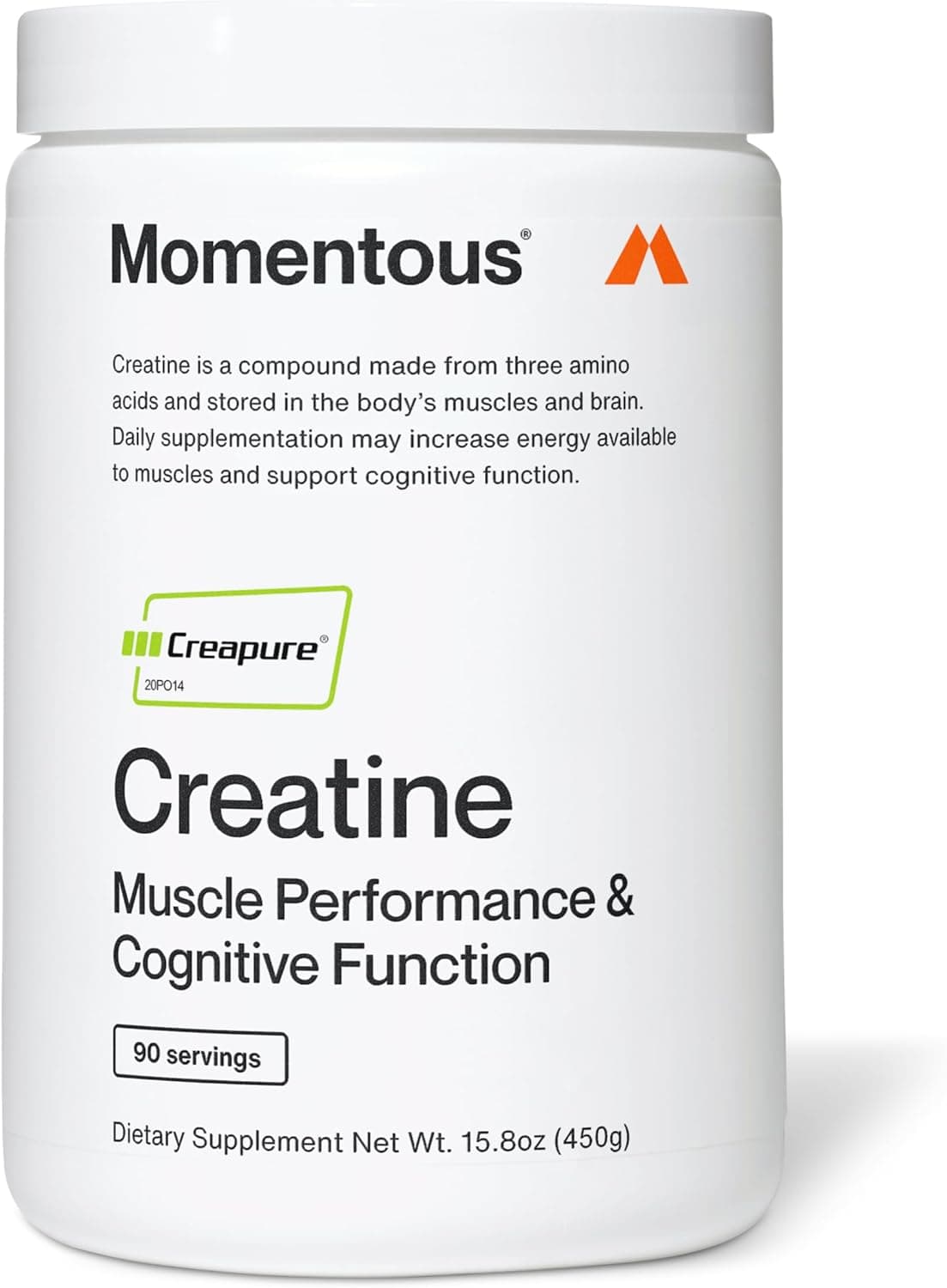
Dextrose raises insulin, which increases activity of the sodium-dependent creatine transporter and pushes more creatine into muscle. Carrying creatine in dextrose is long-standing sports formulation practice.
Pyruvate dehydrogenase and transketolase both need thiamine pyrophosphate, so a large glucose load raises the demand for thiamine. Supplying the vitamin alongside keeps the cofactor pool matched to the substrate.
Glucose and whey together produce a larger insulin response than either alone, and insulin drives amino acid transport into muscle while lowering protein breakdown. This is the classic post-training carbohydrate plus protein pairing.
Chromium is bound by low molecular weight chromium-binding protein, which has been reported to amplify insulin receptor tyrosine kinase activity. A glucose load is the stimulus that engages that pathway, so the two are formulated together, though the mechanism is still argued.
Skeletal muscle only accumulates additional carnitine when insulin is elevated, because insulin recruits the OCTN2 transporter. Carnitine is therefore given with a substantial dextrose load rather than alone.
Cotransport of glucose with sodium creates the osmotic gradient that pulls water and the accompanying electrolytes across the intestinal wall. Without a modest glucose content the electrolyte blend is absorbed more slowly.
Insulin released in response to a glucose load drives magnesium from the extracellular space into cells alongside glucose and potassium. A large carbohydrate load therefore lowers circulating magnesium for a period without any change in total body magnesium. This matters most where intake has been low for a while.
Glycolysis consumes phosphate to make phosphorylated sugar intermediates, and insulin moves phosphate into cells at the same time. A carbohydrate load consequently pulls serum phosphate down. The shift is a measured biochemical response to feeding, not a nutrient interaction in the usual sense.
Leucine is an insulin secretagogue in its own right, and co-ingesting it with a fast carbohydrate produces a larger insulin response than either alone. Sports formulas use this deliberately to move amino acids and glucose into muscle after training. The insulin response is a measured intermediate, not an outcome by itself.
Casein clots in the stomach and slows gastric emptying, which flattens the rise from a dextrose load rather than removing it. Pairing the two changes the shape of the glucose curve. Useful to know when the point of using dextrose was speed.
Viscous soluble fibre slows gastric emptying and thickens the intestinal boundary layer, which spreads glucose absorption over a longer window. Taken with dextrose it lowers the peak blood glucose reading without changing the total amount absorbed. Anyone using dextrose for a rapid rise is working against the fibre.
Glucomannan forms a highly viscous gel in water, and that viscosity is what slows glucose transit to the absorptive surface. The result is a lower and later peak in blood glucose. Blood glucose here is a marker, and the effect depends on the fibre being taken with the load, not hours apart.
Oat beta-glucan raises the viscosity of gut contents in proportion to its molecular weight, which is the mechanism behind its effect on post-meal glucose readings. Combined with dextrose it blunts the rise. Processing that cuts the molecular weight cuts the effect.
Deoxynojirimycin inhibits intestinal alpha-glucosidases, the enzymes that split disaccharides and starch fragments into free glucose. Dextrose is already free glucose, so it bypasses that step entirely and DNJ would not be expected to blunt a dextrose load the way it blunts a starch load. This is a useful negative: the two are often formulated together on an assumption the biochemistry does not support.
Lipoic acid is the covalently bound cofactor of the pyruvate dehydrogenase complex, the gate between glycolysis and the citric acid cycle. Every molecule of glucose oxidised aerobically passes through that complex. The relationship is textbook biochemistry rather than a supplement pairing trial.
Riboflavin-derived FAD is a cofactor within the pyruvate dehydrogenase and alpha-ketoglutarate dehydrogenase complexes and carries electrons into the respiratory chain. Oxidising a glucose load draws on that FAD pool. Settled biochemistry, no trial needed.
Pantothenate is the backbone of coenzyme A, and pyruvate from glucose enters the citric acid cycle only as acetyl-CoA. Carbohydrate oxidation therefore depends on CoA availability. This is a cofactor relationship, not a dose-response claim.
NAD derived from niacin is the electron acceptor at the glyceraldehyde-3-phosphate step of glycolysis and at three points in the citric acid cycle. Glucose cannot be oxidised without a supply of it. Textbook, and it applies to any carbohydrate source.
Caffeine taken with carbohydrate after exercise has been studied for its effect on the rate of muscle glycogen resynthesis, with reports of a higher rate than carbohydrate alone. The pairing is common in recovery products. What is measured is glycogen storage rate, an intermediate, and results across studies are not uniform.
Amylase is the enzyme that produces dextrose from starch, first in saliva and then in the small intestine, and the same enzyme class is used industrially to make dextrose from corn starch. Supplemental amylase acts upstream of free dextrose, so it adds nothing to a dextrose dose already in the glass. The relationship is worth stating precisely because it is often assumed to run the other way.
Dextrose is used as the carrier and sweetening bulk in effervescent and flavoured powders that carry bicarbonate. The pairing is about dissolution and taste rather than physiology. Read it as formulation convention.
Ribose and glucose are both absorbed in the small intestine and both enter cellular carbohydrate metabolism, with ribose feeding the pentose phosphate pathway that glucose also supplies. Co-ingestion changes the osmotic load of a drink and can affect gastrointestinal tolerance. The metabolic overlap is established. The practical combination is not well studied.
Talk to a doctor before taking Dextrose if any of these apply to you: Pure sugar, Spikes blood glucose. These are flags to check first, not effects Dextrose is known to cause.
Not medical advice. Show the label to your pharmacist.What Dextrose actually does.
Dextrose is plain glucose, the same sugar your body already carries in blood, so it doesn't need to be digested before it's absorbed.
Glucose gets absorbed through a transporter that carries it into gut cells together with sodium, then exits into the bloodstream through a different transporter. That sodium pairing is why rehydration drinks are formulated the way they are.
Once inside a cell, glucose gets tagged by an enzyme, which traps it there so it can be burned for energy, stored, or routed into other cell processes.
Insulin released after a glucose load pushes glucose, potassium, magnesium and phosphate into cells all at once, which is why blood readings for those minerals can dip for a while after eating carbohydrate.
Where Dextrose comes from.
It is made from starch, usually corn. Enzymes chop the long starch chains down into single sugar units, the liquid is cleaned up and filtered, and the sugar is crystallised out as a white powder. The starting crop does not change the final molecule.
Made from a plant. What ends up in the capsule tracks the harvest, so batch testing and a stated marker matter more here than with a made molecule.
Most commercial dextrose starts as corn starch. Wheat, cassava, potato and rice starch are used in other regions and the finished molecule is identical.
The starch slurry is heated and treated with a heat-stable microbial alpha-amylase that cuts the long chains into shorter dextrins.
A second microbial enzyme cleaves glucose units off the dextrin chain ends until the syrup is close to fully glucose. This step sets the dextrose equivalent.
Protein and fibre residues are filtered out, colour and off-flavour compounds are adsorbed on activated carbon, and ion exchange removes salts.
The purified syrup is evaporated and seeded to crystallise as the monohydrate, or dried further to the anhydrous form, then milled or agglomerated to the required particle grade.
Getting Dextrose from food.
The whole-food sources on file. A supplement closes the gap, it does not replace dinner.
A gram-for-gram figure (how much of each you would eat to match a dose) will appear here once it is sourced and reviewed. This page will not print a number it cannot cite.
The forms it comes in.
The essence, in one line each.
- Sports drinks of differing carbohydrate composition were compared for their effect on endurance performance and on which fuels the body burned.Randomised trial. Ketelhut et al., 2025 (Journal of the International Society of Sports Nutrition). PMID 40468684 ↗
- Compared oral against parenteral dextrose given before an operation on pain, nausea and recovery quality scores. The comparison is between two routes of the same sugar, and the endpoints are self-reported scales.Randomised trial. Mousavie et al., 2021 (Journal of PeriAnesthesia Nursing). PMID 33218878 ↗
- Intravenous dextrose given during emergence from deep sedation was reported to lower post-procedure dizziness in the adults studied. An intravenous clinical setting, not oral supplement use.Randomised trial. Wang et al., 2026 (Gastrointestinal Endoscopy). PMID 40835036 ↗
- A double-blinded randomised design tested whether dextrose given alongside sedation changed sedation measures in the children studied. A hospital sedation protocol, not a nutrition question.Randomised trial. Koh et al., 2023 (Chonnam Medical Journal). PMID 37840674 ↗
- Dextrose-containing intraoperative fluid was associated with higher measured blood glucose during surgery in the children studied. Blood glucose is a marker and the design supports association rather than cause.Cohort study. Babu et al., 2025 (Journal of Anaesthesiology, Clinical Pharmacology). PMID 40026728 ↗
- Raising the dextrose content of an intravenous insulin infusion protocol was reported to reduce episodes of low blood glucose during treatment. An inpatient infusion protocol under clinical supervision.Cohort study. Clark et al., 2026 (Academic Emergency Medicine). PMID 41896513 ↗
- A single animal case describing raised serum potassium after an accidental overdose of intravenous dextrose. One animal, one event, and it illustrates that large intravenous glucose loads move electrolytes.Case report. Burns et al., 2025 (Veterinary Anaesthesia and Analgesia). PMID 39986917 ↗
- Dietary dextrose supplementation before ovulation altered litter birth weight measures across seasons in the animals studied. Livestock production data, not human evidence.Animal study. Plush et al., 2019 (Animals). PMID 31766343 ↗
- A systematic review and meta-analysis of infant feeding approaches for maintaining newborn blood glucose, in which dextrose-based interventions appear as comparators. The ingredient is named inside a broader review and the setting is clinical newborn care.Systematic review. Iqbal et al., 2026 (Acta Paediatrica). PMID 41074566 ↗
- A randomised comparison of intravenous fluid supplementation, including dextrose-containing fluid, in preterm newborns. Dextrose is a component of the fluid rather than the intervention under test.Randomised trial. Aradhana et al., 2025 (European Journal of Pediatrics). PMID 40455331 ↗
These are the studies our verdict leans on, chosen from the 12,210 we read for Dextrose. The full linked list is below.
The studies, linked.
1 source behind our Dextrose verdict: peer-reviewed studies and registered clinical trials. Every one links straight to PubMed, the journal, or ClinicalTrials.gov. Read them yourself.
- Clinical trialComparison of the Effectiveness of Extracorporeal Shock Wave Therapy and 5% Dextrose Prolotherapy in Patients With Lateral Epicondylitis: A Prospective Randomized Controlled TrialClinicalTrials.gov ↗96 participants, Completed
Evidence surfaced via Semantic Scholar (Allen Institute for AI) and ClinicalTrials.gov. Ranked by study type and citation weight, not cherry-picked.
Problems people have reported.
Read this carefully. These are 338,474 voluntary, unverified reactions reported to the FDA (openFDA). The number mostly reflects how popular Dextrose is, not how risky it is. A report is not proof Dextrose caused anything. It is a signal of what to watch for, nothing more.
Source: openFDA adverse-event reports. Voluntary reporting, not an incidence rate.
FDA Disclaimer: These statements have not been evaluated by the Food and Drug Administration. This information is for educational purposes only and is not intended to diagnose, treat, cure, or prevent any disease. Consult your healthcare provider before starting any supplement regimen.