Steviol Glycosides (Stevia).
The purified sweet compounds from stevia leaves. Zero calories, 200-300x sweeter than sugar. Sweetens supplements without adding calories or spiking blood sugar.
Reviewed March 2026
- Category
- General
- Also filed under
- Zero calorie natural sweetenerMay have minor blood sugar lowering effectsMay have minor blood pressure lowering effects
What Steviol Glycosides (Stevia) is, and what it does.
- Does it work
- Good sweetener choice. Zero calories, doesn't affect blood sugar. Some potential health benefits at high doses, but supplement amounts are just for taste.
- How much to take
- As sweetener: 5-50mg per serving. ADI: 4mg/kg body weight. Blood pressure studies used 750-1,500mg (way more than supplements contain).
- Time to feel it
- The taste is immediate. There is no second onset to wait for, because at sweetening amounts this is a flavour ingredient rather than an active with a build-up.
- The first dose
- Sweet taste. No physiological effects at supplement amounts.
- With regular use
- No known issues. Some evidence of blood pressure benefits at therapeutic doses, but not from supplement sweetening amounts.
- How well tolerated
- Well tolerated. FDA GRAS. WHO acceptable daily intake established. No blood sugar impact.
- How it feels
- Sweet taste, possibly with a slight licorice-like aftertaste depending on the specific glycoside used.
- The overlooked benefit
- It is so sweet by weight that only milligrams go into a serving, which is why a bulking agent usually sits beside it to give a powder its volume.
The proof, claim by claim.
These words describe the research, not the molecule's worth. Research strength is how much work stands behind one claim, and it is never a product score.
- Zero calorie sweetener
- Doesn't affect blood sugar
- Lowers blood pressure
Questions people ask about Steviol Glycosides (Stevia).
- Is stevia safe?
- Yes. FDA GRAS since 2008. WHO established safe intake levels. Japan used it for 30+ years before US approval with no issues.
- Does stevia affect blood sugar?
- No. Multiple studies confirm zero glycemic impact. It's a good choice for diabetics.
- Why does stevia sometimes taste bitter?
- Different steviol glycosides have different taste profiles. Reb A is the cleanest. Older stevia products used cruder extracts with more bitter glycosides.
- Can stevia lower blood pressure?
- Possibly at high doses (750-1,500mg daily). But supplement sweetening uses 5-50mg, which is way too little for blood pressure effects.
- Is stevia better than aspartame or sucralose?
- Depends on what you value. Stevia is plant-derived, which appeals to many people. Safety-wise, all three are considered well tolerated at normal intake levels.
- Is 'natural' stevia really natural?
- The plant is natural. The extraction process is industrial (water extraction, filtration, crystallization). Whether you consider the final product 'natural' depends on your definition.
Why these belong in the same formula. Each row says what the basis is, from settled biochemistry through to a trial that measured the pair.
Erythritol supplies the bulk and cooling mouthfeel that milligram doses of steviol glycosides cannot, and it damps the bitter tail of rebaudioside A. Almost every tabletop stevia blend is built this way.
Mogroside sweetness arrives earlier and fades faster than steviol glycoside sweetness, so a blend covers the whole curve. This lets formulators drop the dose of each and reduce off-notes.
Xylitol adds volume and a cooling sensation that offsets the licorice note carried by stevia leaf glycosides. It is the usual choice in chewable formats.
Inulin gives body and faint sweetness to a powder sweetened at milligram doses, without adding rapidly absorbed sugars. It is the standard carrier in fibre-forward blends.
Glycerin is the usual carrier for liquid stevia drops because it holds the glycosides in solution and contributes its own mild sweetness. That is why the two appear on the same liquid label.
Steviol glycosides pass the small intestine largely intact and are hydrolysed to steviol by colonic bacteria before absorption. Fermentable fibres such as chicory inulin shift the composition and activity of that same microbial population. The pairing is also common in formulation, where the fibre supplies bulk and mouthfeel that an intense sweetener cannot. Whether the microbial shift changes steviol release in a way that matters clinically has not been measured here.
Short-chain fructooligosaccharides carry mild sweetness and bulk, so they are routinely combined with steviol glycosides to rebuild the body that sugar would have given. Both reach the colon, where the fibre is fermented and the glycosides are deglycosylated by bacterial enzymes. The interaction is one of shared site rather than a measured combined effect.
Steviol glycosides activate the T1R2 and T1R3 sweet taste receptor on the tongue. Gymnemic acids from Gymnema sylvestre block that same receptor. Taken together the gymnema suppresses the perceived sweetness of the glycoside for as long as it coats the tongue. This is a direct competition at one receptor, and it is a taste effect rather than a metabolic one.
Glucomannan supplies viscosity and bulk that a high-intensity sweetener does not, which is why the two appear together in low-sugar drink mixes. Neither ingredient changes the chemistry of the other. Read the pairing as texture and taste engineering, not as a metabolic interaction.
Pectin gels and stabilises products where sugar previously provided structure, so it is a common companion to steviol glycosides in jellies, gummies and beverages. The two act on different properties, sweetness and set. No chemical reaction between them is described.
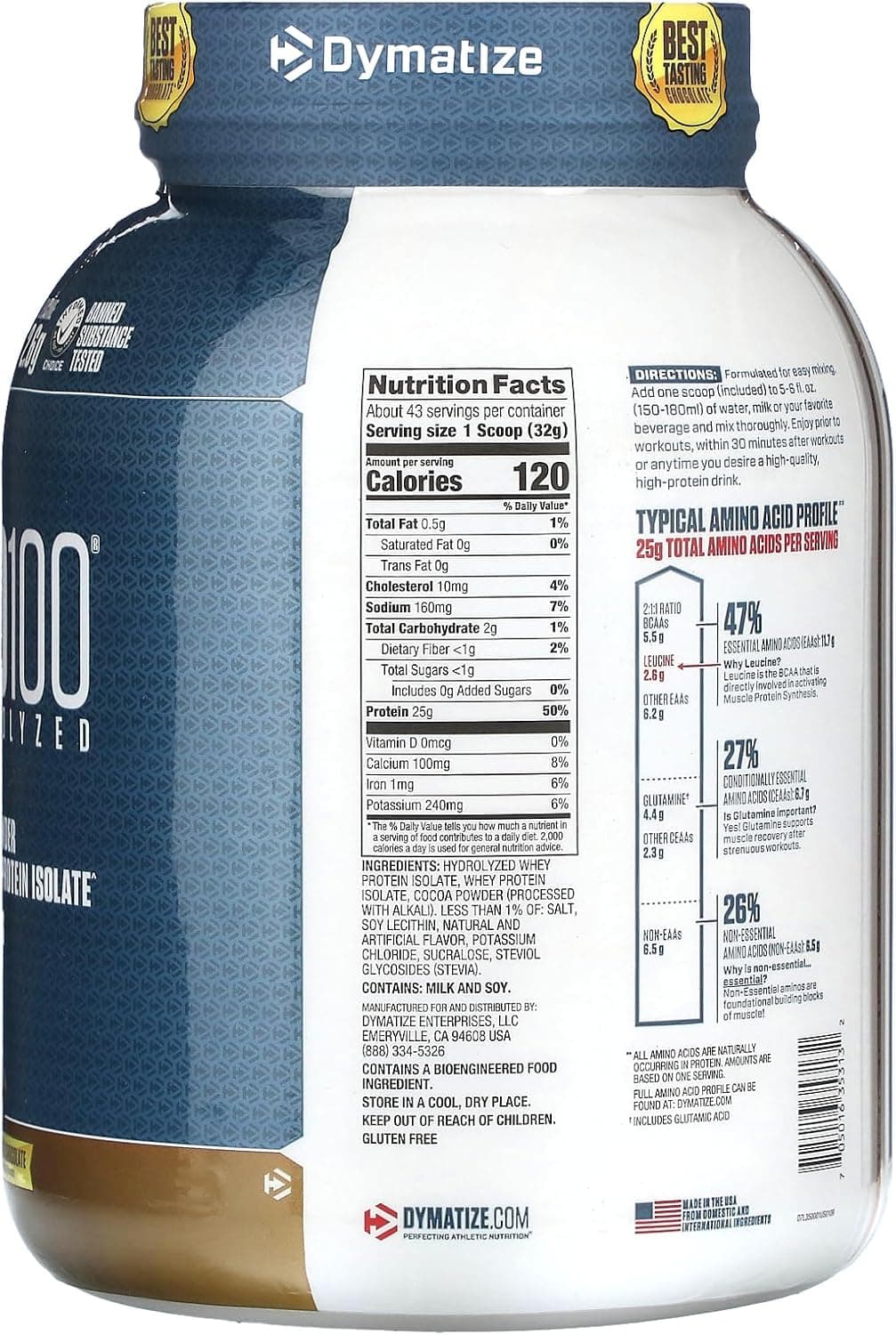
Steviol glycosides are used to sweeten protein powders because they contribute no digestible carbohydrate to the macronutrient panel. Protein carries bitter and astringent notes that a sweetener partly masks. This is a taste-masking pairing and says nothing about protein absorption.
Creatine powder is unflavoured and slightly gritty, so flavoured versions are commonly sweetened with steviol glycosides rather than sugar. The sweetener does not alter creatine solubility or uptake in any described way. The pairing exists for palatability.
Caffeine is bitter, and steviol glycosides are one of the sweeteners used to cover that bitterness in zero-sugar drinks. Stevia extracts themselves carry a liquorice-like aftertaste that formulators balance against the caffeine note. Neither compound changes the absorption of the other in any described way.
Cinnamon contributes an aroma that people read as sweetness, so small amounts reduce how much sweetener a formula needs. The combination is culinary and sensory. No combined measurement of the two together is cited here.
Chromium picolinate appears in sugar-reduced drink mixes that also use steviol glycosides for sweetness. The two have no shared metabolic step that is described. Read the pairing as product design rather than as a measured interaction.
Talk to a doctor before taking Steviol Glycosides (Stevia) if any of these apply to you: Bitter aftertaste for some people, May interact with blood pressure and diabetes medications at high doses, Very high purity required to remove bitter compounds. These are flags to check first, not effects Steviol Glycosides (Stevia) is known to cause.
Not medical advice. Show the label to your pharmacist.What Steviol Glycosides (Stevia) actually does.
Stevia's sweet compounds pass through the mouth, stomach and small intestine without being broken down, arriving intact in the colon.
Once in the colon, gut bacteria strip off the sugar units to release steviol, which then gets absorbed, processed by the liver, and cleared out in urine.
Since the intact compound isn't digested and the byproduct isn't used as energy, stevia adds essentially no usable carbohydrate at the amounts used to sweeten something.
The sweet taste comes from binding sweet taste receptors on the tongue, and those same receptor types also exist on hormone-producing cells lining the gut.
Where Steviol Glycosides (Stevia) comes from.
The sweet compounds are steeped out of dried stevia leaves with hot water, then filtered and crystallised until what is left is mostly the sweet part. Some of the individual glycosides are built up with enzymes instead, because the leaf holds only traces of them.
Made from a plant. What ends up in the capsule tracks the harvest, so batch testing and a stated marker matter more here than with a made molecule.
A perennial of the daisy family grown mainly in subtropical climates. The sweet glycosides accumulate in the leaf.
Harvested leaves are dried and steeped in hot water, which pulls the glycosides into solution along with plant pigments and organic acids.
The extract is clarified, passed over adsorbent resin to strip colour and off-taste, then concentrated and crystallised to raise the glycoside content.
For glycosides present only in traces in the leaf, such as Reb M, enzymes or fermentation are used to add glucose units to a more abundant starting glycoside. Not every product uses this step.
The finished powder is assayed and declared as total steviol glycosides or as a named glycoside at a stated percentage.
Blended with a bulking agent such as erythritol or dispersed in glycerin or water for a drop-format product.
Getting Steviol Glycosides (Stevia) from food.
The whole-food sources on file. A supplement closes the gap, it does not replace dinner.
A gram-for-gram figure (how much of each you would eat to match a dose) will appear here once it is sourced and reviewed. This page will not print a number it cannot cite.
The forms it comes in.
The essence, in one line each.
- In a multicentre trial, sweeteners and sweetness enhancers used in place of sugar were examined for effects on weight management and gut bacteria composition.Randomised trial. Pang et al., 2025 (Nature metabolism). PMID 41057614 ↗
- In adults with high blood sugar, the pooled evidence on non-nutritive sweeteners showed no clear difference in blood sugar control, and the certainty was rated very low.Meta-analysis. Lohner et al., 2020 (The Cochrane database of systematic reviews). PMID 32449201 ↗
- The authors report that a dietary steviol glycoside mixture changed gene expression of gut chemoreceptors in the animals studied, a molecular marker rather than a clinical outcome.Animal study. Xiong Y et al., 2025 (Porcine Health Management). PMID 39915811 ↗
- A review of Stevia rebaudiana pulling together chemical composition, pharmacokinetics and reported pharmacological activity. It summarises existing work rather than measuring anything new.Narrative review. Peng Z et al., 2026 (Frontiers in Nutrition). PMID 41777858 ↗
- A narrative review of natural bioactive compounds and glycaemic control that names steviol glycosides among the sweeteners discussed. The review reports associations and mechanisms, not a controlled effect.Narrative review. Pelczynska M et al., 2025 (Nutrients). PMID 41515170 ↗
- An update on the structure, physicochemical properties and reported biological activity of steviosides, drawing mainly on laboratory and animal work.Narrative review. Wang A et al., 2025 (Food Science & Nutrition). PMID 39898123 ↗
These are the studies our verdict leans on, chosen from the 151 we read for Steviol Glycosides (Stevia). The full linked list is below.
FDA Disclaimer: These statements have not been evaluated by the Food and Drug Administration. This information is for educational purposes only and is not intended to diagnose, treat, cure, or prevent any disease. Consult your healthcare provider before starting any supplement regimen.