Sugar.
Added sugar in your supplement for taste. That's it. Makes supplements taste good. That's the complete job description.
Reviewed March 2026
- Category
- General
- Also filed under
- Improves supplement palatability
What Sugar is, and what it does.
- Does it work
- It does what it's there for (taste). Zero health benefit.
- How much to take
- There is no dose figure on record, because it is not dosed like an active. A formulator adds it for taste, and the total sugar line on the label is the number to read.
- Time to feel it
- Sweetness lands immediately. Once it is split into glucose and fructose in the small intestine, blood glucose starts rising within roughly half an hour.
- The first dose
- A sweet taste, and a small brief rise in blood glucose from the amount a chewable carries. Nothing else about the day changes.
- With regular use
- At the gram or so used to flavour a supplement, weeks of use do not move much. Its role stays what it was on day one: making the format pleasant to take.
- How well tolerated
- Well tolerated at supplement amounts (1-4g). Not ideal for those strictly managing blood sugar.
- How it feels
- Sweet on the tongue, and that is the extent of it. It is the reason a chewable or a flavoured powder is something you will actually keep taking.
- The overlooked benefit
- Glucose and fructose enter the gut through separate transporters, which is why sugar delivers carbohydrate faster during long efforts than glucose alone manages.
The proof, claim by claim.
These words describe the research, not the molecule's worth. Research strength is how much work stands behind one claim, and it is never a product score.
- Contributes to daily sugar intake
Questions people ask about Sugar.
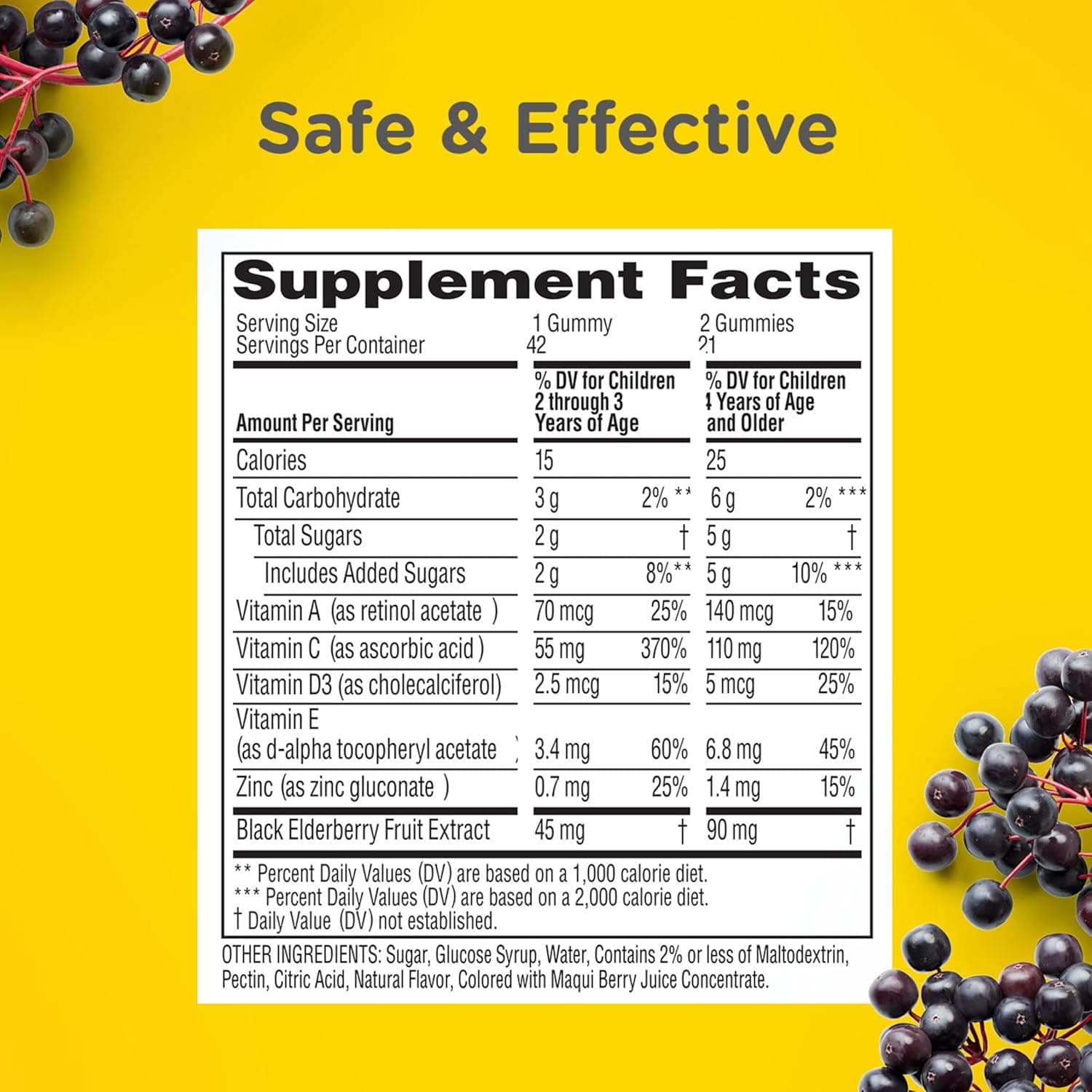
- How much sugar is in a gummy supplement?
- Typically 1-4g per serving (2 gummies). For reference, the WHO recommends limiting added sugar to 25g per day.
- Should I switch from gummies to capsules?
- If the sugar bothers you, yes. Capsules deliver the same active ingredients without the sugar. But a few grams of sugar from supplements isn't a health crisis for most people.
- Is organic sugar better in supplements?
- Biochemically identical to regular sugar. The organic label refers to farming practices, not health outcomes.
Why these belong in the same formula. Each row says what the basis is, from settled biochemistry through to a trial that measured the pair.
Table sugar is sucrose, and sucrase splits it into glucose and fructose before either can be absorbed. The disaccharide itself does not cross the mucosa.
Iminosugars from mulberry leaf compete with sugar at the brush border sucrase-isomaltase site. Hydrolysis slows, and glucose enters the circulation over a longer window.
Gymnemic acids bind the sweet taste receptor, so sugar tasted afterwards reads as flat for a period. This is a taste-side interaction and does not change how the sugar is handled downstream.
Glucose from sugar is processed through pyruvate dehydrogenase and the pentose phosphate pathway, both of which run on thiamine pyrophosphate. A higher sugar intake raises the thiamine the body has to supply to those enzymes.
A viscous guar solution slows how fast sugar leaves the stomach and diffuses to the brush border. The peak in blood glucose after the same sugar dose is lower and later.
Psyllium forms a gel that raises the viscosity of gut contents and slows diffusion of dissolved sugars to the absorptive surface. Total absorption is largely unchanged, the rate is not.
Steviol glycosides replace most of the sweetening mass, while a small amount of sugar rounds out the profile and covers the licorice-like tail. Formulators use the pair to cut sugar without losing taste.
Glucose crosses the small-intestine brush border on SGLT1, a carrier that moves sodium and glucose together. Sodium is what drives the transport, which is why oral rehydration formulas pair a sugar with a sodium salt rather than using either alone. Water follows the absorbed solutes. The pairing is standard formulation practice in rehydration products.
Carbohydrate-electrolyte drinks combine a sugar with sodium, potassium, chloride and often magnesium. The sugar supplies transportable carbohydrate during activity and supports fluid uptake through sodium-coupled transport. The electrolytes replace what is lost in sweat. Concentration matters, since a very concentrated sugar solution slows gastric emptying. Read this as formulation convention with a mechanistic basis.
Creatine enters muscle through a sodium-dependent transporter whose activity is increased by insulin. Co-ingesting a simple sugar raises circulating insulin and has been used in loading protocols for that reason. The effect is on muscle uptake, a marker of retention rather than a performance outcome on its own.
Carbohydrate plus a rapidly digested protein raises the insulin response above either alone, and insulin drives both glucose uptake for glycogen resynthesis and amino acid transport into muscle. Recovery formulas pair the two for that reason. What is measured in most work is substrate handling, not a downstream performance outcome.
Dehydroascorbate, the oxidised form of vitamin C, shares GLUT-family transporters with glucose, so high glucose concentrations compete with its cellular uptake. The interaction sits at the transporter, and it is the reason vitamin C uptake is described as glucose-sensitive in cell physiology. This is mechanistic pharmacology rather than a demonstrated clinical effect of eating sugar with a vitamin C supplement.
Chromium is described in nutrition monographs as participating in insulin signalling, and trials of chromium supplements typically read out glucose and insulin markers after a carbohydrate load. The measured endpoints are markers, not clinical outcomes. Effect sizes across the literature are inconsistent, which is why this sits at a middling confidence.
Cinnamon extracts have been studied for their effect on glucose readings taken after a carbohydrate meal, with mixed results across preparations and doses. Where an effect appears it is on a blood marker measured over hours. Anyone already using medication that lowers blood sugar should raise the combination with a clinician, since the direction of effect is the same.
Berberine activates AMPK and has been studied for its effect on fasting and post-load glucose readings. Taken alongside a sugar load the two act in opposite directions on the same marker. The additive direction matters most for people already on glucose-lowering medication, who should discuss it with a clinician.
Glucomannan forms a viscous gel in the stomach and upper intestine that slows gastric emptying and the rate at which sugars reach the absorptive surface. The total amount absorbed changes little. The shape of the post-meal glucose curve is what moves. Adequate fluid is needed with any viscous fibre.
Oat beta-glucan raises the viscosity of gut contents, which slows the delivery of digested sugars to the intestinal wall and blunts the post-meal rise in blood glucose. The effect depends on molecular weight and on the dose being eaten in the same meal as the carbohydrate. This is a marker measurement across a few hours.
Pectin gels in the gut lumen and slows the diffusion of sugars towards the mucosa, flattening the rise in blood glucose after a sweet meal. It also ferments in the colon to short-chain fatty acids. The glycaemic part is a rate effect, not a reduction in the calories absorbed.
Resistant starch escapes amylase digestion in the small intestine and ferments in the colon, so it contributes little to the glucose that appears in blood. Replacing part of the rapidly digested carbohydrate in a food changes the post-meal glucose profile. The colonic fermentation yields short-chain fatty acids, butyrate among them.
Inulin is a fructan that human enzymes cannot hydrolyse, so it passes to the colon and feeds saccharolytic bacteria instead of contributing absorbable sugar. Formulators use it to replace part of the sugar mass in a product while keeping bulk and some sweetness. Larger doses commonly produce gas and bloating.
Bitter melon has a long traditional record and small human trials that read out fasting and post-meal glucose. The trials are small and heterogeneous in preparation and dose. The direction of effect overlaps with glucose-lowering medication, which is worth a clinician conversation.
Lipoic acid is the covalently bound cofactor of the pyruvate dehydrogenase and alpha-ketoglutarate dehydrogenase complexes, the entry points for glucose-derived carbon into the citric acid cycle. Carbohydrate oxidation runs through those complexes. The supplemental free form is largely a redox agent rather than a top-up of the enzyme-bound pool, which is a distinction often blurred in marketing copy.
Lactic acid bacteria ferment simple sugars to organic acids, which is the basis of both fermented foods and the acid produced by oral bacteria on tooth surfaces. Sugar in a formula is the substrate. The organism determines the products. Formulators also use sugars and sugar alcohols as cryoprotectants in probiotic powders.
Every kinase step in glycolysis, hexokinase and phosphofructokinase included, uses ATP complexed with magnesium as the true substrate. Carbohydrate metabolism therefore runs on a magnesium-dependent set of enzymes. This is textbook biochemistry rather than a claim that adding magnesium to a sugary drink does anything measurable.
Talk to a doctor before taking Sugar if any of these apply to you: Adds empty calories, Can spike blood sugar, Not ideal for diabetics. These are flags to check first, not effects Sugar is known to cause.
Not medical advice. Show the label to your pharmacist.What Sugar actually does.
Table sugar is two simple sugars joined together, and an enzyme in your gut splits them apart before either one gets absorbed.
Glucose crosses into your gut lining cells riding along with sodium, then exits into the bloodstream through a separate transporter.
Fructose takes a different route into cells and gets processed mainly by the liver, using an enzyme that isn't held back by the same feedback controls that regulate glucose.
When blood sugar rises, insulin is released and pushes glucose into muscle and fat cells and helps store it as glycogen.
Where Sugar comes from.
It starts as cane stalks or beet roots. The juice is pressed or soaked out, cleaned up with lime and filtration, boiled down to a syrup, and grown into crystals. Cane and beet give the same sugar in the end.
Made from a plant. What ends up in the capsule tracks the harvest, so batch testing and a stated marker matter more here than with a made molecule.
Sugarcane stalks in tropical and subtropical growing regions, sugar beet roots in temperate ones. The two feedstocks converge on the same purified sucrose molecule.
Cane is crushed through roller mills to press out juice. Beet is sliced into cossettes and the sugar is drawn out with hot water in a diffuser.
Lime and heat, with carbon dioxide in the beet process, precipitate non-sugar solids that are filtered off, leaving a clarified juice.
Multi-effect evaporators concentrate the juice to a syrup, which is decolourised over activated carbon or ion-exchange resin to remove colour bodies and residual ash.
The syrup is boiled under vacuum, seeded, and grown into crystals that are spun off in centrifuges, washed and dried to a defined grain size.
Getting Sugar from food.
The whole-food sources on file. A supplement closes the gap, it does not replace dinner.
A gram-for-gram figure (how much of each you would eat to match a dose) will appear here once it is sourced and reviewed. This page will not print a number it cannot cite.
The forms it comes in.
The essence, in one line each.
- Pooled human trials of the rare sugars allulose and tagatose reported changes in glycaemic and cardiometabolic markers relative to conventional sugars. These are blood markers, not long-term outcomes.Meta-analysis. Osborn et al., 2026 (The American Journal of Clinical Nutrition). PMID 41985675 ↗
- Cultured stem cells grown on fructose behaved differently from those grown on glucose, showing that the specific sugar, not just total carbohydrate, changes cell-level handling.In vitro study. Elsaid et al., 2024 (FEBS Open Bio). PMID 38923793 ↗
- Added sugar increased bacterial biofilm formation and extracellular polysaccharide production in culture, illustrating that free sugar is a direct substrate for microbial biofilm building.In vitro study. Pizarro et al., 2026 (Frontiers in Microbiology). PMID 42238883 ↗
- Two standard biofilm assays gave inconsistent readings under comparable sugar conditions, so biofilm numbers depend heavily on the method used to measure them.In vitro study. Unubol et al., 2025 (Microorganisms). PMID 41597542 ↗
- Sugar supplementation reduced the toxicity produced by bacterial tryptophan metabolism in nematodes, an interaction between dietary sugar and microbial metabolite production.Animal study. Gahlot et al., 2026 (The FEBS Journal). PMID 41454432 ↗
- Bypass sugar fed around calving altered milk production and metabolic blood markers in dairy cows. Species-specific rumen physiology means this does not transfer to people.Animal study. Satoh et al., 2026 (Animal Bioscience). PMID 41289950 ↗
- Feeding colonies artificial sugar changed the composition and nutritional profile of the honey produced, showing that the sugar source feeds through into the finished product.Animal study. Hu et al., 2024 (Insects). PMID 38786900 ↗
These are the studies our verdict leans on, chosen from the 7 we read for Sugar. The full linked list is below.
The studies, linked.
2 sources behind our Sugar verdict: peer-reviewed studies and registered clinical trials. Every one links straight to PubMed, the journal, or ClinicalTrials.gov. Read them yourself.
- ClinicalTrials.gov ↗
- Clinical trialEffect of Preoperative Melatonin in Inhaled Anesthetic ConsumptionClinicalTrials.gov ↗Early phase 1, 30 participants, Completed
Evidence surfaced via Semantic Scholar (Allen Institute for AI) and ClinicalTrials.gov. Ranked by study type and citation weight, not cherry-picked.
Problems people have reported.
Read this carefully. These are 2,067 voluntary, unverified reactions reported to the FDA (openFDA). The number mostly reflects how popular Sugar is, not how risky it is. A report is not proof Sugar caused anything. It is a signal of what to watch for, nothing more.
Source: openFDA adverse-event reports. Voluntary reporting, not an incidence rate.
FDA Disclaimer: These statements have not been evaluated by the Food and Drug Administration. This information is for educational purposes only and is not intended to diagnose, treat, cure, or prevent any disease. Consult your healthcare provider before starting any supplement regimen.