Tapioca Syrup.
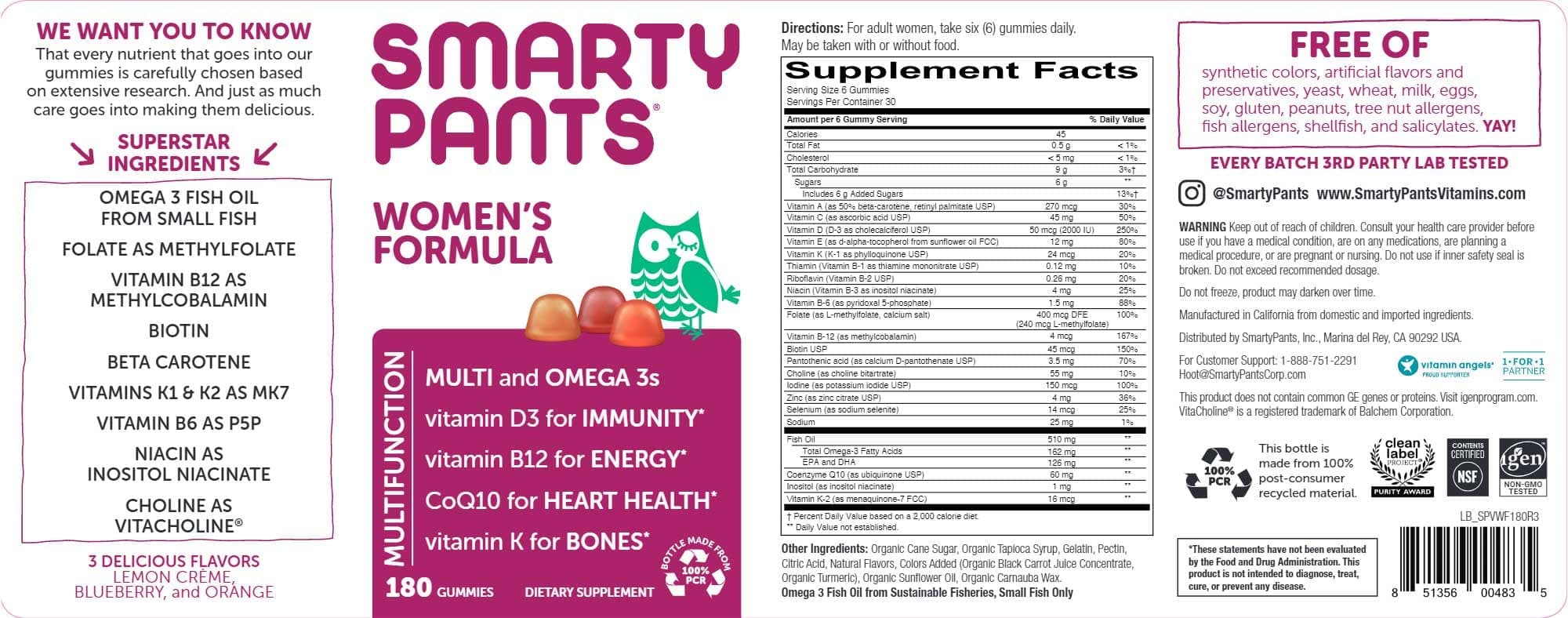
A syrupy sweetener from cassava root that binds gummy supplements together. Binds gummy supplements together and provides sweetness.
Reviewed March 2026
- Category
- General
- Also filed under
- Binder for gummy supplementsGluten free sweetener
What Tapioca Syrup is, and what it does.
- Does it work
- It is what makes a gummy a gummy. It suits people who will chew a supplement daily but not swallow a capsule, and it counts toward the sugar on the label.
- How much to take
- There is no amount for you to take. It goes in at whatever a gummy needs to set and taste right, and no daily figure for it is on record.
- Time to feel it
- Sweetness is immediate and the glucose is absorbed within about half an hour. It is not an active with a timeline of its own.
- The first dose
- Sweet taste, a chewy texture, and a few grams of digestible carbohydrate. That is the whole of day one.
- With regular use
- Watch total sugar intake if taking multiple gummy products.
- How well tolerated
- Well tolerated. It is sugar, so it counts toward your daily total, which is worth watching if you take several gummy products.
- How it feels
- Sweet and chewy. Plenty of people take a gummy far more consistently than a capsule, and the syrup is a large part of why.
- The overlooked benefit
- By binding water it lowers water activity in the finished gummy, which constrains microbial growth without a preservative being added.
The proof, claim by claim.
These words describe the research, not the molecule's worth. Research strength is how much work stands behind one claim, and it is never a product score.
- Provides any health benefit
Questions people ask about Tapioca Syrup.
- How much sugar am I getting from gummies?
- Typically 2-4 g per serving. If you take 3 different gummy supplements, that's 6-12 g of added sugar daily.
- Is tapioca syrup better than corn syrup?
- Nutritionally similar. Tapioca syrup is gluten-free and sounds more natural on a label, but it's still sugar.
- Should I switch from gummies to capsules?
- If sugar intake matters to you, yes. Capsules and tablets don't need sweeteners.
Why these belong in the same formula. Each row says what the basis is, from settled biochemistry through to a trial that measured the pair.
Glucose uptake at the small-intestinal brush border runs through SGLT1, which moves sodium and glucose together, and water follows osmotically. This coupling is the reason oral rehydration solutions pair a glucose source with sodium rather than using either alone. Tapioca syrup is a glucose-based syrup, so it can serve as the carbohydrate half of that pairing.
Rehydration and sports drink formulation rests on a carbohydrate source moving sodium and water across the gut wall through SGLT1. Glucose syrups including tapioca syrup fill that role, with the osmolality of the finished drink as the design constraint. Too much carbohydrate raises osmolality and slows gastric emptying, which is the practical limit on the pairing.
Creatine enters muscle through the sodium-dependent CRT1 transporter, and insulin increases that transport. Co-ingesting a rapidly absorbed carbohydrate such as a glucose syrup raises insulin and therefore uptake, which is the reason many loading protocols specify it. The carbohydrate contributes calories and does nothing else useful here.
Tapioca syrup delivers glucose, maltose and higher dextrins, and the maltose and dextrins need brush-border alpha-glucosidase before absorption. DNJ from white mulberry inhibits that enzyme competitively, slowing the release. The undigested carbohydrate then moves further down the gut, which can produce gas and loose stools at higher intakes.
Viscous fibres raise the thickness of gut contents, which slows how quickly a carbohydrate load reaches the absorbing surface. Taken alongside a glucose syrup, this flattens the rate of appearance of glucose in blood. The endpoint here is a blood marker over a few hours, not a longer-term outcome.
Psyllium forms a gel that slows the mixing and delivery of a sugar load to the intestinal surface. When it is formulated into a syrup-sweetened product, it changes how quickly that sugar is absorbed. Adequate fluid must be taken with psyllium in any format.
Tapioca syrup raises post-meal glucose because it is a digestible glucose source, while cinnamon is studied for slowing that rise. Products that carry both are effectively offsetting one against the other. The measurements available are blood markers, not outcomes.
Chromium is involved in the cellular response to insulin, and higher intakes of refined carbohydrate raise urinary chromium loss. A syrup-sweetened format therefore sits alongside chromium in some formulas for that reason. The link between refined sugar intake and chromium loss is established. The practical significance of adding chromium back is not settled.
Tapioca syrup is the binding phase that holds a protein bar together and gives it a chewable texture without crystallising. In recovery drinks it also supplies the carbohydrate that co-ingested protein is usually paired with. The role is structural and caloric, and the syrup adds no protein of its own.
Unlike a resistant dextrin or an oligosaccharide, tapioca syrup is almost fully absorbed in the small intestine, so it does not act as a colonic fermentation substrate. Calling a glucose syrup prebiotic confuses it with tapioca fibre syrup, which is a different material. The distinction matters when reading a label that carries both names.
Inulin brings bulk and a declared fibre content but limited sweetness, and a glucose syrup supplies the sweetness without fibre. Blending them lets a formulator hit both targets in one syrup phase. The trade-off is that the fermentable fibre fraction can cause gas at higher servings.
Talk to a doctor before taking Tapioca Syrup if any of these apply to you: Adds sugar to your supplement, Glycemic impact. These are flags to check first, not effects Tapioca Syrup is known to cause.
Not medical advice. Show the label to your pharmacist.What Tapioca Syrup actually does.
It is cassava starch broken down by enzymes into sugars, mostly glucose.
Its sugars go through the glucose absorption route, not the fructose one.
Some of it is already glucose and absorbed straight away. The rest needs one more enzyme step first.
It is a source of calories from sugar and nothing else.
Where Tapioca Syrup comes from.
Cassava starch is mixed with water and enzymes that chop it into sugars. The liquid is filtered clean and boiled down under vacuum into a thick syrup.
Made from a plant. What ends up in the capsule tracks the harvest, so batch testing and a stated marker matter more here than with a made molecule.
Wet-milled starch from Manihot esculenta roots, the same base material as tapioca starch.
A starch slurry is heated and treated with a heat-stable alpha-amylase, which cuts the long chains into shorter dextrins.
Glucoamylase, and in fibre grades a transglucosidase, is added to release glucose or to build the alpha-1,6 linkages that define the fibre syrup.
The hydrolysate is filtered, passed over carbon and ion-exchange resin to remove colour, protein residues and salts.
Water is evaporated under vacuum to the target solids, or the syrup is spray dried to syrup solids.
Getting Tapioca Syrup from food.
The whole-food sources on file. A supplement closes the gap, it does not replace dinner.
A gram-for-gram figure (how much of each you would eat to match a dose) will appear here once it is sourced and reviewed. This page will not print a number it cannot cite.
The forms it comes in.
FDA Disclaimer: These statements have not been evaluated by the Food and Drug Administration. This information is for educational purposes only and is not intended to diagnose, treat, cure, or prevent any disease. Consult your healthcare provider before starting any supplement regimen.