
Vitamin ANHANES 2005 to 2016
About 45% of US adults
take in less vitamin A than the estimated average requirement.
Peer-reviewed analysisEchinacea purpurea (aerial) is the lead active here, studied most for the immune barrier in the nose and throat. In the 350 mg Proprietary Herbal Blend with six others, listed seventh. Zinc is the most studied active here, with 22 human studies behind it, each one cited. Each serving carries 1,000 mg of Vitamin C, inside the range the published research used. Who it fits: for everyone, adults.
 Verified by IngredientMD
The panel on the left is the one we evaluated, line by line.
All 21 actives checked against the clinical evidence: dose, form, and what the research actually shows.
Doses, ratios, and how the ingredients work together. That assessment is the verdict above: "Stronger in a pair".
The verdict is public and identical whether or not a brand pays. A formula that does not clear the bar gets nothing.
Read by the engine against 2.1 million data points from clinical trials, PubMed and more than a hundred vetted sources. No individual reviewer is named or implied.
Cross-checked against 3,579 documented interactions for these actives.
Public health figures the engine matched to this formula's ingredients. Reported by their source, cited and dated, never written by the brand.
About 45% of US adults
take in less vitamin A than the estimated average requirement.
Peer-reviewed analysisAbout 46% of US adults
take in less vitamin C than the estimated average requirement.
Peer-reviewed analysisAbout 84% of US adults
take in less vitamin E than the estimated average requirement.
Peer-reviewed analysisAbout 48% of Americans
take in less magnesium than recommended from food and drink.
NIH Office of Dietary SupplementsAbout 15% of US adults
take in less zinc than the estimated average requirement.
Peer-reviewed analysisMore than 1 in 3 US adults
regularly sleep less than the recommended seven hours a night.
Peer-reviewed analysisRandomised trial, 2026
In repeated single-person trials, vitamin C raised blood levels by 20.6 micromol/L and lowered two stress markers, with day-to-day swings bigger than differences between people.
Free Radical Biology and MedicineRandomised trial, 1994
Over two years, older postmenopausal women taking calcium plus trace minerals including manganese gained about 1.5% spinal bone density, while the placebo group lost about 3.5%.
Journal of NutritionMeta-analysis, 2016
Zinc acetate lozenges cut cold symptom length by about 2.7 days, versus a roughly seven day average, across three pooled trials.
British Journal of Clinical PharmacologyRandomised trial, 2015
In 16 adults, oral L-glutamine at 0.3 g per kg a day sped recovery of knee-extension peak torque and lowered muscle soreness ratings over the 72 hours after eccentric exercise.
International Journal of Sport Nutrition and Exercise MetabolismSystematic review, 2021
Across functional foods and supplements marketed for air travel symptoms, including echinacea preparations, the authors judged the supporting evidence limited.
NutrientsControlled clinical trial, 2004
Adding vitamin C to an iron-fortified meal at a 4 to 1 ratio with iron raised non-heme iron absorption about 2.9-fold, from 4.1% to 11.7%.
American Journal of Clinical NutritionMeta-analysis, 2011
Across 13 trials, about 500 mg of vitamin C daily lowered blood uric acid by roughly 0.35 mg/dL.
The paperMeta-analysis, 2022
Across 8 trials in 1,002 women, vitamin E taken by mouth reduced reported menstrual cramp pain compared with placebo, with the clearest effect in the first month.
Clinical Nutrition ESPENMeta-analysis, 2024
Across six trials in 739 women, zinc lowered menstrual discomfort scores, with bigger drops after eight weeks or more, even at doses as low as 7 mg daily.
NutrientsMeta-analysis, 2019
In 14 trials with 473 adults, ginger lowered body weight, waist to hip ratio and insulin resistance, with no change in body mass index.
Critical Reviews in Food Science and NutritionMeta-analysis, 2014
Across 44 trials, vitamin C improved how well the blood vessel lining widens, a moderate effect of 0.50, larger at higher doses.
The paperRandomised trial, 2023
In 160 postmenopausal women with long-standing sleep difficulty, one month of vitamin E brought the median sleep questionnaire score to 6, versus 9 on placebo, where lower means better sleep.
NutrientsControlled clinical trial, 1993
In healthy women on a controlled diet, a lower manganese intake (1.0 versus 5.6 mg a day) raised premenstrual mood and pain symptom scores.
American Journal of Obstetrics and GynecologyRandomised trial, 2007
In 108 healthy adults, one week of 2.64 g daily of l-lysine taken with equal l-arginine lowered anxiety scores and stress-linked spikes, and cut resting saliva cortisol in men.
Biomedical ResearchSystematic review, 2022
A review of 39 randomised trials of immune-support ingredients in healthy adults, children and seniors listed echinacea among the eight ingredients used on their own, and reported that gaps in the evidence prevented firm statements about benefit.
NutrientsMeta-analysis, 2015
Across 12 trials, vitamin E lowered a blood marker of inflammation by about 0.62 mg/l compared with not taking it.
European Journal of Clinical NutritionRandomised trial, 2004
In 20 healthy volunteers, a woad (Isatis tinctoria) extract applied to skin during four days of sodium lauryl sulphate exposure reduced visible irritation scores and water loss through the skin compared with untreated test fields, while no effect was detected on redness after UVB exposure.
Planta MedicaMeta-analysis, 2020
Pooling 16 randomised trials in 1,010 adults, ginger supplementation lowered circulating C-reactive protein and TNF-alpha, with no detectable change in interleukin-6 or sICAM.
CytokineSystematic review, 2026
A systematic review catalogued gastrointestinal symptoms reported across sodium bicarbonate dosing protocols and described how symptom burden varies with dose, timing and whether the dose is split or given with food.
European Journal of Sport ScienceMeta-analysis, 2024
Pooling six trials in 107 athletes, echinacea supplementation showed no statistically significant change in erythropoietin, haemoglobin, haematocrit or maximal oxygen uptake, with small effect sizes of 0.38 for haemoglobin and 0.34 for haematocrit that did not reach significance. A null result of this size cannot rule out a small effect.
NutrientsSystematic review, 2020
Across the clinical studies reviewed, supplemental l-lysine was generally well tolerated in adults, with mild digestive complaints the most commonly reported effect.
The Journal of nutritionRandomised trial, 2020
In a controlled dietary intervention in adults, changing sodium and potassium intake shifted how the body handled calcium and phosphate, indicating that sodium intake affects normal mineral balance.
The Journal of Clinical Endocrinology and MetabolismMeta-analysis, 2018
Pooling 21 trials, vitamin A on its own raised haemoglobin and cut the share of people with low haemoglobin by about 26 percent in those with low vitamin A status.
Critical Reviews in Food Science and NutritionSystematic review, 2026
The review found that reported responsiveness to riboflavin across inherited disorders of metabolism is uneven and rests largely on small series, so the strength of evidence varies by the specific condition.
Journal of Inherited Metabolic DiseaseRandomised trial, 2021
In 44 women aged 60 to 80, 30 days of L-glutamine raised knee muscle strength and a blood antioxidant marker, and lowered a marker of average blood sugar, most clearly in those also exercising.
NutrientsMeta-analysis, 2025
Across 21 trials, vitamin E lowered oxidized LDL and lengthened the time before LDL starts to oxidize, by about 20.45 units, both lab markers of oxidation.
European Journal of PharmacologyRandomised trial, 2005
In 29 adults scoring at the upper end of the normal trait anxiety range, ten days of L-lysine plus L-arginine at 3 g each shifted the hormone response to a public-speaking task, raising ACTH, cortisol, adrenaline and noradrenaline levels, while heart rate and blood pressure responses showed no detectable difference.
Nutritional NeuroscienceRandomised trial, 2004
In families whose diet was mostly wheat, three months of lysine-fortified wheat lowered the cortisol rise to a stressful blood draw in women and reduced trait anxiety scores in men.
Proceedings of the National Academy of SciencesCohort study, 2026
In a large UK Biobank cohort, higher dietary manganese intake was linked to a modestly lower chance of developing high blood sugar over follow-up, an association, not a demonstrated cause.
The journal of nutrition, health & agingMeta-analysis, 2019
Across six trials in 345 adults, ginger lowered systolic blood pressure by about 6.4 mmHg and the lower reading by about 2.1 mmHg, seen only at higher doses, younger ages and shorter trials.
Phytotherapy ResearchRandomised trial, 2013
In adults with elevated blood pressure carrying the MTHFR 677TT genotype, riboflavin 1.6 mg per day lowered systolic blood pressure by about 5.6 mmHg versus placebo over 16 weeks.
The paperRandomised trial, 2026
Compared combined beta-alanine plus sodium bicarbonate against each alone on physical capacity measures in trained participants. The design is what makes the comparison informative for stacking decisions.
International Journal of Sports Physiology and PerformanceMeta-analysis, 2024
In a dose-response meta-analysis of randomised trials, riboflavin was associated with about 1.3 fewer severe recurring headache attacks per month compared with control.
Neurological SciencesMeta-analysis, 2023
Across 12 trials in 794 adults with high liver fat, at least 400 IU of vitamin E daily lowered two liver enzyme markers by 7 to 10 and 5 units.
NutrientsMeta-analysis, 2024
Oral ginger was linked to small drops in fasting glucose and long-term blood sugar markers versus placebo in adults with high blood sugar.
Clinical nutrition ESPENMeta-analysis, 2014
Across 24 trials with 4,631 people, including seven testing Echinacea purpurea, no clear shortening of cold-like illness was detected, though a secondary look suggested a lower risk that was not statistically significant.
The Cochrane database of systematic reviewsMeta-analysis, 2024
Across 10 trials in 352 adults, glutamine overall did not shift intestinal permeability, though doses above 30 g a day were linked to a small reduction in it.
Amino AcidsRandomised trial, 2020
In 14 healthy men, single oral doses up to 0.9 g per kg fat free mass were generally tolerated, but the highest dose brought more mild discomfort, nausea and belching in the first 2 hours than the lower doses.
NutrientsMeta-analysis, 2026
Pooling randomised trials in adults, zinc had a small effect on body weight and waist circumference and no detectable effect on body mass index, fat mass, fat-free mass or adipokine levels, and the authors call the size of the changes minor.
Biological Trace Element ResearchRandomised trial, 2014
The trial did not detect an increase in VO2max with Echinacea purpurea supplementation in distance runners. Failing to detect a difference is not evidence that none exists.
Journal of Strength and Conditioning ResearchSystematic review and meta-analysis, 2016
In children older than six months, zinc may shorten a bout of diarrhea by about half a day across nine trials, on low certainty evidence.
Cochrane Database of Systematic ReviewsMeta-analysis, 2020
Across 13 trials in 1,174 pregnant women, ginger eased nausea more than placebo (standardised difference 0.82) while the reduction in vomiting was not statistically significant.
Journal of Maternal-Fetal & Neonatal MedicineMeta-analysis, 2025
Pooled trials reported fewer episodes of loose stools with glutamine supplementation during chemotherapy or chemoradiotherapy compared with control.
BMC GastroenterologyMeta-analysis, 2011
Across 36 studies in children under five, zinc modestly increased height growth, adding roughly 0.37 cm at about 10 mg a day for 24 weeks.
BMC Public HealthMeta-analysis, 2022
Across 19 trials of about 1.2 million children in vitamin A deficient settings, supplementation lowered all-cause mortality by 12 percent (risk ratio 0.88), rated high-certainty evidence.
Cochrane Database of Systematic ReviewsRandomised trial, 2026
A randomised trial tested an algorithm-driven sodium supplementation protocol against usual care and measured growth in infants born preterm.
Pediatrics Open ScienceMeta-analysis, 2025
A nutrition-status analysis in children included thiamin among the micronutrients measured, reporting intake and status data rather than a result of giving supplements.
Journal of Human Nutrition and DieteticsRandomised trial, 1998
Weekly vitamin A lowered the incidence of night blindness in pregnant women from 10.7 percent to 6.7 percent, and by about 67 percent among those who took nearly all of their doses.
Journal of NutritionRandomised trial, 2026
In 306 newborns given 50,000 IU vitamin A within 48 hours of birth, the delayed skin immune response to BCG improved modestly in heavier babies, while antibody responses to polio, tetanus and hepatitis B vaccines showed no detectable change.
VaccineMeta-analysis, 2021
Pooling nine controlled trials in 673 people, vitamin B2 at 400 mg per day for three months lowered the frequency, days, duration and pain score of severe recurring headache attacks.
Nutritional NeuroscienceControlled clinical trial, 1992
Taking 15 mg of manganese a day for 124 days raised the activity of the antioxidant enzyme manganese-dependent superoxide dismutase in women's lymphocytes above their starting levels.
American Journal of Clinical NutritionRandomised trial, 2025
In a trial of 104 very preterm infants, oral sodium supplementation raised daily weight gain by 3.6 grams per kilogram compared with placebo.
BMJ Paediatrics OpenPopulation figures from public health data. Context for the category, not a statement about any individual and not a claim about this product.
Each line below was derived from this formula's own record at the time of verification. Nothing here was written by the brand, and nothing can be added that the evidence does not carry.
One pairing in this formula has been studied as a combination in human trials. Each finding below is what a named study measured, cited and dated, never written by the brand.
In a two-year trial in older adults, zinc taken together with selenium improved the antibody response to influenza vaccination.
Research strength. Research strength says how much work stands behind the combination. It is never a product score.
Fail closed. Where actives were studied on their own rather than together, each shows on its own evidence, never a combined effect no trial measured.
Independent record. Every finding is cited to a named trial, dated, and never written by the brand.
Findings from trials that studied these actives as a combination. Context for how the actives were tested together, not a statement about any individual and not a claim about this product.
Where a trial measured an actual number, we show it next to the claim. It is the average across the trials, never a promise about one person.
About 52 percent lower risk of developing a cold, in trials of people undergoing brief periods of severe physical exertion.
Read at the source. The magnitude sits beside the same trial the claim already cites. It describes what the trials measured, never what any one person will feel.
Time-to-effect windows the engine read from the trial record. Each is a window a named study measured, cited and dated, never written by the brand.
In a randomised crossover trial, 12 healthy adults consumed 101.7 mg of vitamin C as a powder, as raw fruits and vegetables, or as juice, and plasma vitamin C rose after every intake form, with plasma and urinary levels tracked over the 24 hours following the single dose.
In a 3-phase crossover using two deuterium-labelled forms of alpha-tocopherol, healthy women absorbed about 55 percent of an oral dose taken with a 40 percent fat meal and about 64 percent with a fat-free meal, with samples tracked over 72 hours. The authors conclude absorption is not limited by absent fat or fasting, and that vitamin E leaves the intestine by a prolonged process.
In an intervention the EFSA reference opinion reviews, adults whose baseline riboflavin intake and status were unknown received 5 mg/day of riboflavin for 8 weeks, and haemoglobin concentration, haematocrit and erythrocyte count all rose significantly over that period.
Across three randomised placebo-controlled trials pooled as individual patient data (199 adults with naturally acquired colds, 80 to 92 mg of elemental zinc a day as acetate lozenges), 70 percent of the zinc group had recovered by day 5 against 27 percent on placebo, and colds ran 2.73 days shorter against a 7 day average duration. A separate meta-analysis of seven lozenge trials (575 participants, doses above 75 mg a day, zinc acetate or zinc gluconate) measured cold duration 33 percent shorter, with no significant difference between the two salts.
In a controlled feeding study in nine healthy men, six weeks of restricted zinc intake raised DNA strand breaks in peripheral blood cells, and four weeks of repletion at 11 mg a day, with 20 mg of supplemental zinc for the first seven days, reversed the rise. In a separate randomised placebo-controlled trial in 40 Ethiopian women eating a high-phytate diet, 20 mg a day of zinc sulfate for 17 days lowered mean comet tail moment from 39.7 to 30.0 while plasma zinc did not change significantly. Both windows were measured on a DNA damage marker in blood cells, not on a symptom.
In a 12 week randomised double-blind placebo-controlled trial in 119 healthy UK adults aged 50 to 64, mean plasma selenium rose from 95.7 ng/mL at baseline to steady state by week 10, reaching 118.3, 152.0 and 177.4 ng/mL on 50, 100 and 200 micrograms a day of selenium-enriched yeast. Plasma selenoprotein P rose in every selenium arm. Platelet glutathione peroxidase activity did not change significantly at any dose or form.
In the excretion studies the EFSA reference opinion reviews, urinary output closely tracked dietary sodium once intake was held steady: 98% of dietary sodium appeared in 24-hour urine in a 3-day study, and 86% of sodium ingested over 4 weeks was recovered in 24-hour urine collected during the same period.
In the controlled metabolic study the EFSA reference opinion reviews, young men held at constant sodium intakes for 29 days per level showed rising average daily urinary aldosterone excretion as intake was stepped down from 4.9 g/day to 2.5 g/day.
Two double blind, placebo controlled, randomised experiments with 34 and 40 volunteers gave 2 g of raw or heat treated ginger daily for 11 consecutive days, then induced muscle pain with 18 eccentric elbow flexor actions. Pain 24 hours after the exercise was 25 percent lower with raw ginger and 23 percent lower with heat treated ginger than with placebo, a modest difference, and effects on arm volume, range of motion and strength were smaller. A separate 5 day protocol in 32 recreational distance runners at 1.425 g a day reported a smaller rise in soreness while jogging after a downhill run, with unclear effects on most other outcomes.
In a randomised, double blind, crossover study, 24 healthy volunteers were studied twice. After an eight hour fast they swallowed three ginger capsules totalling 1200 mg or placebo, then 500 mL of low nutrient soup one hour later, with ultrasound measurement over the following 90 minutes. Gastric half emptying time was 13.1 minutes after ginger against 26.7 minutes after placebo, and antral contractions were more frequent. What was measured was stomach motor function rather than a symptom, and no significant difference in reported gut sensations or appetite was found.
Windows measured in the cited trials. Context for how the active behaves over time, not a statement about any individual and not a claim about this product.
12 ingredients, from each one's own page.
Weeks to months. Liver stores buffer intake, so vitamin A status moves slowly and shows up on a blood panel rather than as a sensation.
Blood levels rise within hours and tissue pools fill over days. Collagen-linked changes in skin and gums build over weeks and show as tissue quality, not as a sensation.
Plasma alpha-tocopherol climbs within days of daily intake, and anything you'd notice in skin condition is a slow change across a couple of months.
Urine turns bright yellow within hours of the first dose. Status itself, read as red cell glutathione reductase activity, shifts across two to eight weeks.
A looser stool can turn up the same day at the higher end. Sleep and cramp changes usually settle in across two to four weeks, because it is refilling a body-wide store.
Blood zinc moves within days. The parts you would notice, skin behaviour and immune resilience, take four to twelve weeks of steady daily intake.
No felt onset. Plasma selenium and glutathione peroxidase activity rise over three to six weeks of daily intake and then plateau once the enzyme pool is filled.
There's no acute effect to time. Where intake has been low, enzyme activity responds over weeks, and it reads on a laboratory measure rather than in how you feel.
Fast. Sodium shifts fluid within an hour or two, which is why an electrolyte drink lands quickly when you have been sweating.
Cramp steadiness and hydration can shift within a day or two of raising intake. The blood pressure side, within the normal range, reads out over four to six weeks.
Taken as a warm infusion, the soothing feel in the throat is there while you drink it. Anything measurable is a matter of days to weeks of steady use.
No trial has timed an effect in people. The glycosides need gut bacteria to convert them first, so absorption runs hours behind a dose and traditional use is measured in days.
How each ingredient usually behaves over time, from its own page on IngredientMD. General timing for the ingredient, not a measurement of this product.
What each form is, and where it fits in a formula. Measured findings carry the study that reported them.
The free vitamin B2 molecule, an isoalloxazine ring joined to a ribitol sugar chain, supplied as the unmodified crystalline compound with no added salt or phosphate group.
L-lysine paired with hydrochloric acid as a crystalline salt, so the amino acid carries one added unit of hydrogen chloride. That counter-ion is extra mass, which means a stated weight of the salt contains somewhat less of the lysine molecule than the same weight of the free base.
The free crystalline amino acid, sold as a stand-alone powder or in capsules with nothing chemically bonded to it.
Descriptions of the form itself, read from the cited studies. Not a comparison between products and not a statement about any individual.
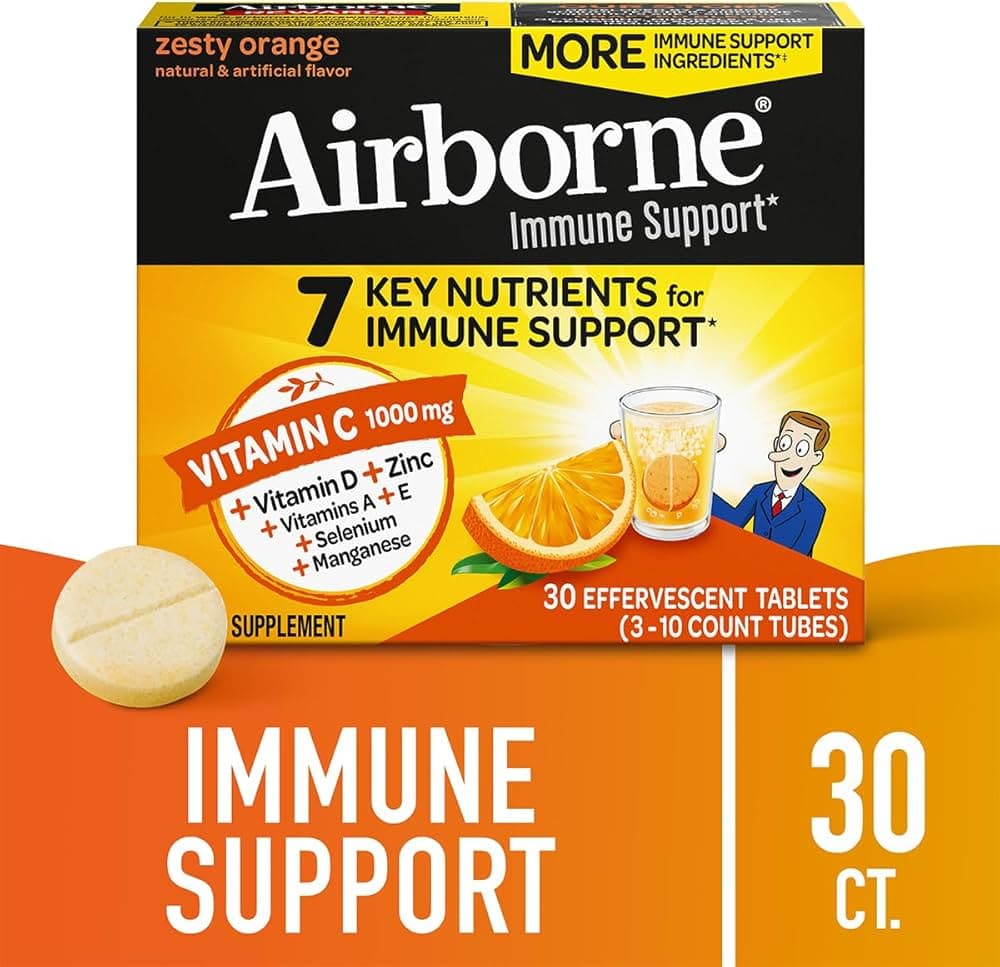
It is an effervescent tablet, so it arrives fully dissolved in the water you drink it with, which suits a hydration serving.
Put an earned verification on your own product page.
These statements have not been evaluated by the Food and Drug Administration. This product is not intended to diagnose, treat, cure, or prevent any disease. This record is not medical advice. Always consult your healthcare provider before starting any supplement regimen.