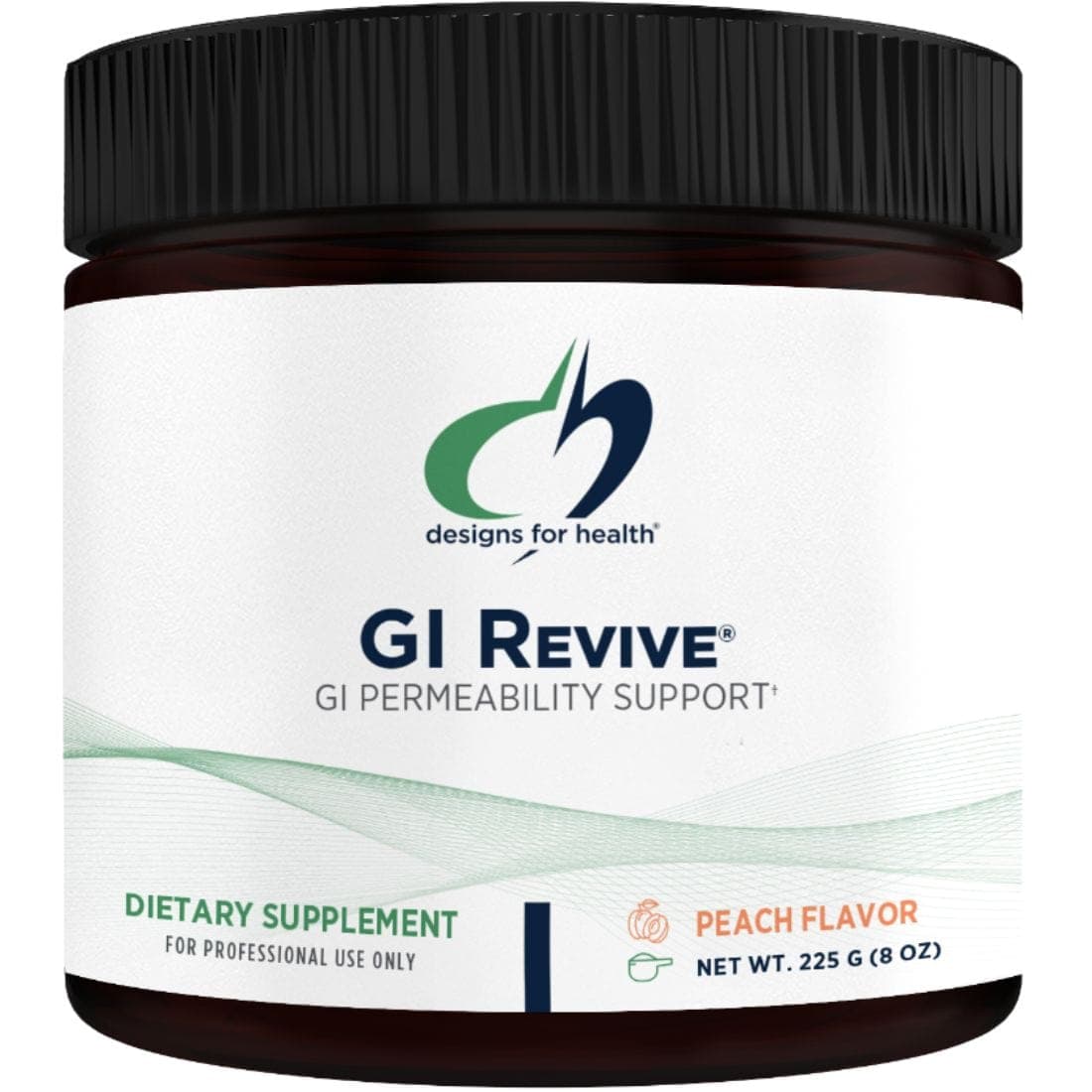
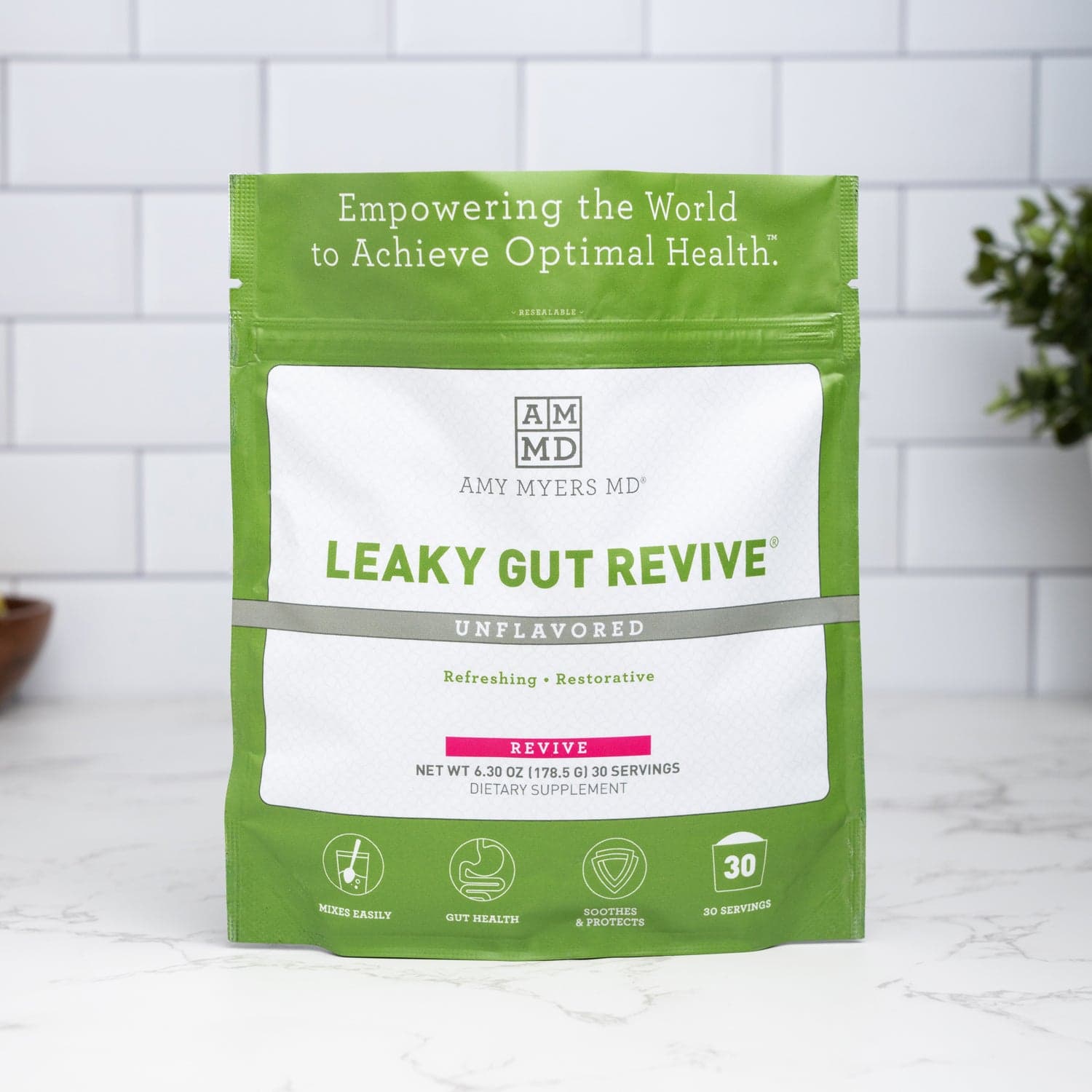
DGL (Deglycyrrhizinated Licorice).
Licorice without the blood pressure issues.
Reviewed March 2026
- Category
- Herbal
What DGL (Deglycyrrhizinated Licorice) is, and what it does.
- Does it work
- Suits people who want licorice's flavonoid fraction for after-meal comfort without the sweet compound that shifts sodium and potassium. The residual figure is worth checking.
- How much to take
- Start with 380mg to 760mg a day, chewed before meals. That band is the daily maintenance amount, and the 1,500mg used in trials is a research condition.
- Time to feel it
- Chewed before a meal, the dispersed extract meets the upper digestive lining within minutes. Day to day comfort tends to settle over two to four weeks of regular use.
- The first dose
- Chewed before a meal, the extract disperses and meets the upper digestive lining within minutes. Day to day comfort is something that settles over the weeks after.
- With regular use
- Over two to four weeks of chewing it before meals, after-meal comfort tends to steady. The flavonoid fraction does that work, not the sweet compound taken out in processing.
- How well tolerated
- Much safer than regular licorice. Still avoid excess.
- How it feels
- Sweet and slightly woody to chew. What people describe is mostly an absence: less heaviness and less burn after a rich or late meal.
- The overlooked benefit
- The chewable format is not a flavour decision. Saliva disperses the extract so it contacts the upper digestive lining, which a capsule swallowed whole passes straight by.
380 to 760mg a day is where DGL (Deglycyrrhizinated Licorice) works.
Source: Armanini D et al. Exp Clin Endocrinol Diabetes. 2002;110(6):257-261
The proof, claim by claim.
These words describe the research, not the molecule's worth. Research strength is how much work stands behind one claim, and it is never a product score.
- Upper digestive comfortRandomised trial
- Gastric mucosal defenceAnimal study
- Comfort after mealsRandomised trial
- Flavonoid antioxidant activityIn vitro study
- Absence of the glycyrrhizin-driven sodium and potassium shiftNarrative review
Questions people ask about DGL (Deglycyrrhizinated Licorice).
- When should I take it?
- Timing matters less than consistency. Pick a time that works for you and take it daily.
- Can I take it with other supplements?
- Usually fine. The main thing to watch is not doubling up on the same ingredient from different products. If you're on prescription meds, check with your pharmacist first.
- Any side effects to watch for?
- Most people tolerate it well at recommended doses. GI upset is the most common complaint with any supplement. Start with a lower dose and work up. If something feels off, stop and reassess.
Why these belong in the same formula. Each row says what the basis is, from settled biochemistry through to a trial that measured the pair.
DGL raises mucin output and prostaglandin-mediated mucosal defence, while zinc carnosine adheres to the mucosal surface and supports epithelial repair signalling. The two work on the same tissue by separate routes.
Slippery elm mucilage forms a physical hydrocolloid layer over the mucosa while DGL acts on the secretory side by increasing the tissue's own mucus and bicarbonate output. Gut-lining formulas have paired physical and secretory demulcency for a century.
Marshmallow polysaccharides swell into a viscous coating that buffers the mucosal surface, complementing DGL's stimulation of endogenous mucus. The two demulcent modes are additive rather than redundant.
Inner leaf acemannan is a soothing polysaccharide with its own effect on epithelial turnover, while DGL works through prostaglandin-mediated mucus secretion. Gut formulas routinely carry both.
Glutamine is the preferred fuel for enterocytes and supports tight junction protein expression, supplying the building side while DGL supports the protective mucus layer above it. Structure and defence are handled separately.
DGL exists because glycyrrhizin is stripped out, removing the 11-beta-HSD2 inhibition that drives sodium retention and potassium loss. Stacking a glycyrrhizin-containing licorice on top puts that mineralocorticoid load straight back into the formula.
Betaine HCl is taken to lower gastric pH, while DGL is used to support the mucus and bicarbonate barrier that buffers that acidity. The two pull on the same variable in opposite directions and are rarely dosed together.
Chamomile apigenin and bisabolol act on smooth muscle tone and local signalling in the gut wall, a different layer from DGL's mucosal secretion. The pair is standard in digestive soothing blends.
Lactic acid bacteria support barrier integrity through short chain fatty acid production and competitive colonisation, while DGL works on the mucus layer those organisms inhabit. A thicker mucus layer is the habitat colonising strains need.
Gingerols speed gastric emptying and settle upper gut motility, a motor effect distinct from DGL's mucosal one. Digestive formulas commonly carry the motility and the barrier arms together.
Mastic gum resin from Pistacia lentiscus is the other botanical most often placed alongside DGL in upper digestive formulas. The two act by unrelated chemistry, one a resin and one a flavonoid-bearing root extract. Co-formulation practice, not a tested combination.
Pectin hydrates into a viscous layer that holds a botanical extract against the mucosal surface for longer. DGL is chewed so that saliva mixes it before swallowing, and a viscous carrier extends that contact. The effect is physical residence time rather than a shared pharmacology.
Psyllium's arabinoxylan mucilage forms a gel that coats the gut lining. Placed with DGL it contributes a demulcent layer while the licorice flavonoids provide the extract's own activity. Neither depends on the other chemically.
Calcium carbonate neutralises gastric acid directly by an acid-base reaction, which is a different mechanism from anything DGL does. Chewable products often combine them so one buffers while the other contributes a botanical demulcent. Raising gastric pH also changes the absorption of any medicine that needs an acid stomach, so timing around other products matters.
Bicarbonate neutralises stomach acid and releases carbon dioxide in the process, which some people find distending. DGL contributes nothing to buffering. The pairing adds a chemical buffer to a botanical, and the sodium load is worth counting for anyone tracking it.
Glycyrrhizin is hydrolysed by gut bacteria to glycyrrhetinic acid, which inhibits 11-beta-hydroxysteroid dehydrogenase type 2 and lets cortisol act at the mineralocorticoid receptor, driving sodium retention and potassium loss. Deglycyrrhizinated licorice is processed to remove that constituent, so this concern tracks glycyrrhizin content rather than the DGL label. Anyone taking a licorice product should confirm which one they have, and the published case report describes the whole-licorice version.
Retinoic acid signalling governs differentiation of mucus-secreting epithelium throughout the gut, and mucin output depends on it. DGL is taken for mucosal comfort but supplies no retinoid. Vitamin A adequacy is background to the tissue, not an effect of the licorice.
Ascorbate is the required cofactor for prolyl and lysyl hydroxylase, so collagen cross-linking in any repairing tissue depends on it. That places vitamin C upstream of mucosal maintenance generally. It is a cofactor statement, not a claim about DGL's own action.
Quercetin restrains mast cell mediator release, and licorice's own flavonoids including liquiritin and isoliquiritigenin sit in the same chemical family. Both are commonly placed in gut comfort formulas. Their combined effect has not been measured together, so this is a mechanistic overlap rather than a tested pairing.
Glycyrrhizin is activated to glycyrrhetinic acid by bacterial beta-glucuronidase, so gut flora composition determines how much mineralocorticoid-like activity any residual glycyrrhizin produces. Saccharomyces boulardii is a yeast that shifts the surrounding bacterial community. The direction of that shift in a given person is not predictable.
Lactic acid bacteria hydrolyse plant glycosides to their aglycones, which is the same class of reaction that releases licorice flavonoid aglycones. A fermented DGL preparation exploits that chemistry deliberately before the product is swallowed. Which aglycones a given strain produces is strain-specific.
Bifidobacteria ferment carbohydrate to acetate and lactate, which cross-feeding bacteria convert onward to butyrate, the main energy substrate of colonocytes. That supports the lining by a route entirely separate from a licorice extract. The pairing is convergent rather than mechanistically joined.
Artichoke cynarin increases bile flow, which changes upper digestive dynamics in a different direction from a demulcent botanical. Some people find a choleretic uncomfortable when the complaint is upper gastric rather than biliary. Combining them mixes two distinct digestive strategies and the response is individual.
Peppermint oil relaxes gastrointestinal smooth muscle through calcium channel blockade, including the lower oesophageal sphincter, which is why uncoated peppermint can worsen reflux symptoms for some people. That runs counter to what DGL is usually taken for. Enteric-coated peppermint is formulated specifically to release below the stomach.
Curcumin acts on NF-kappa-B-linked signalling and licorice flavonoids are described as acting on overlapping pathways in preclinical work. Both appear together in digestive formulas. The overlap is mechanistic and preclinical, and human combination data is not available.
Protease, amylase and lipase blends reduce the residence time of undigested food, addressing a mechanical contributor to upper digestive discomfort. DGL contributes nothing enzymatic. The two sit in the same product for different reasons.
Bromelain is a cysteine protease active over a broad pH range, and proteolytic activity in the stomach is not always welcome where mucosal comfort is the goal. Its use alongside DGL therefore depends on the reason for taking either. Flagged as a pairing to consider rather than a recommended one.
Bile salts are detergents, and refluxed bile is one recognised irritant of upper gut mucosa. Supplemental ox bile is intended to aid fat digestion further down. Where it is combined with a demulcent botanical the two purposes are pulling in different directions and timing matters.
Nothing specific on file for DGL (Deglycyrrhizinated Licorice). Match the label to the daily amount above, and tell your doctor what you take.
Not medical advice. Show the label to your pharmacist.What DGL (Deglycyrrhizinated Licorice) actually does.
The sweet compound in ordinary licorice is converted by gut bacteria into a molecule that blocks the enzyme protecting the kidney from cortisol, which pushes the body to hold sodium and lose potassium.
DGL is licorice with the sweet compound taken out, which is why it does not carry the sodium-retention and potassium-loss activity that whole licorice does.
What is left after deglycyrrhizination is the root's flavonoids plus its plant carbohydrate, and those are what the product actually delivers.
You chew DGL rather than swallow it whole so that it spreads over the surfaces it is meant to reach.
Where DGL (Deglycyrrhizinated Licorice) comes from.
Licorice root is extracted like a tea, then the sweet compound responsible for sodium retention and potassium loss is separated out. What remains is DGL, and the number that matters is how much of that sweet compound is left.
Made from a plant. What ends up in the capsule tracks the harvest, so batch testing and a stated marker matter more here than with a made molecule.
Dried roots and stolons of Glycyrrhiza glabra, and in some supply chains Glycyrrhiza uralensis or Glycyrrhiza inflata. The three species carry different flavonoid profiles, so the botanical source is part of the identity of the finished extract.
Milled root is extracted with water or an ethanol-water mixture, which pulls out glycyrrhizin, the flavonoid fraction and root polysaccharide together. The crude extract at this stage is ordinary licorice extract, not DGL.
Glycyrrhizin is stripped from the extract, industrially by solvent partition, by adsorption onto a resin, or by ion exchange that separates the acidic saponin from the neutral flavonoids. Each route removes the same constituent by different physical chemistry, and which one a supplier uses determines what else is removed alongside it.
Residual solvent is stripped and the concentrate is spray-dried or vacuum-dried, usually onto a carrier so the hygroscopic extract stays free-flowing.
The defining specification is an upper limit on residual glycyrrhizin, measured by HPLC. Some suppliers additionally assay total flavonoids or glabridin. Without a stated residual glycyrrhizin figure the deglycyrrhizinated designation is unverified.
The dried extract is blended with excipients and either compressed into a chewable with a sweetener and disintegrant, or filled into capsules. Fermented versions add a microbial incubation step before this point.
Most labels state neither the residual glycyrrhizin figure nor which removal method was used, and species is often given only as licorice.
The forms it comes in.
The essence, in one line each.
- A randomised double-blind placebo-controlled trial of a fermented deglycyrrhizinated licorice preparation. The design is placebo-controlled and the published report is the source for its endpoints.Randomised trial. Massoud et al., 2026 (Endocrine). PMID 41627541 ↗
- A single case in which licorice intake was followed by mineralocorticoid-like effects. The report concerns glycyrrhizin-containing licorice, which is the constituent a deglycyrrhizinated preparation is processed to remove.Case report. Je et al., 2025 (Clinical Case Reports). PMID 39807221 ↗
- A review cataloguing Glycyrrhiza glabra constituents, glycyrrhizin along with flavonoids such as liquiritin, isoliquiritigenin and glabridin, and the biological activities reported for each.Narrative review. Wahab et al., 2021 (Plants). PMID 34961221 ↗
- A clinical review of naturopathic approaches to digestive complaints in a neurological population that names DGL among the agents discussed. Naming an agent in a review is not a measurement of it.Narrative review. Neiworth-Petshow et al., 2018 (Integrative Medicine). PMID 31043910 ↗
- A review of complementary strategies used for mucosal and digestive discomfort during radiotherapy, with DGL among the agents named. A catalogue of practice rather than evidence of effect.Narrative review. Stubbe et al., 2013 (Journal of the Advanced Practitioner in Oncology). PMID 25032003 ↗
These are the studies our verdict leans on, chosen from the 5 we read for DGL (Deglycyrrhizinated Licorice). The full linked list is below.
FDA Disclaimer: These statements have not been evaluated by the Food and Drug Administration. This information is for educational purposes only and is not intended to diagnose, treat, cure, or prevent any disease. Consult your healthcare provider before starting any supplement regimen.