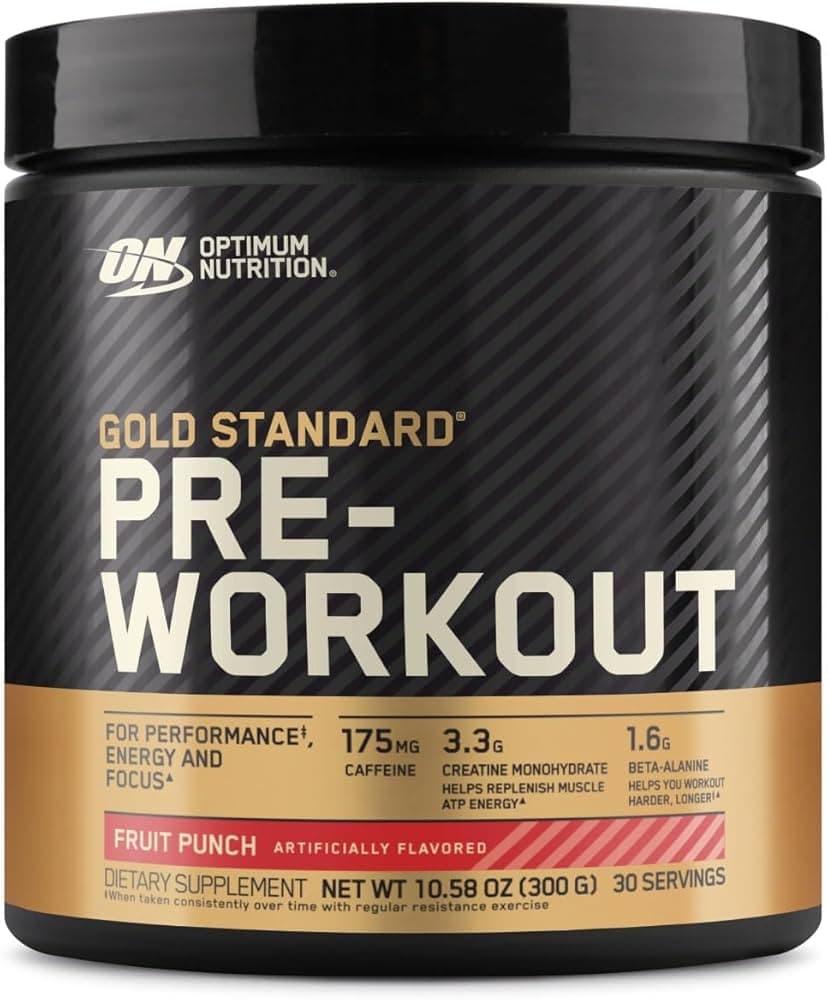
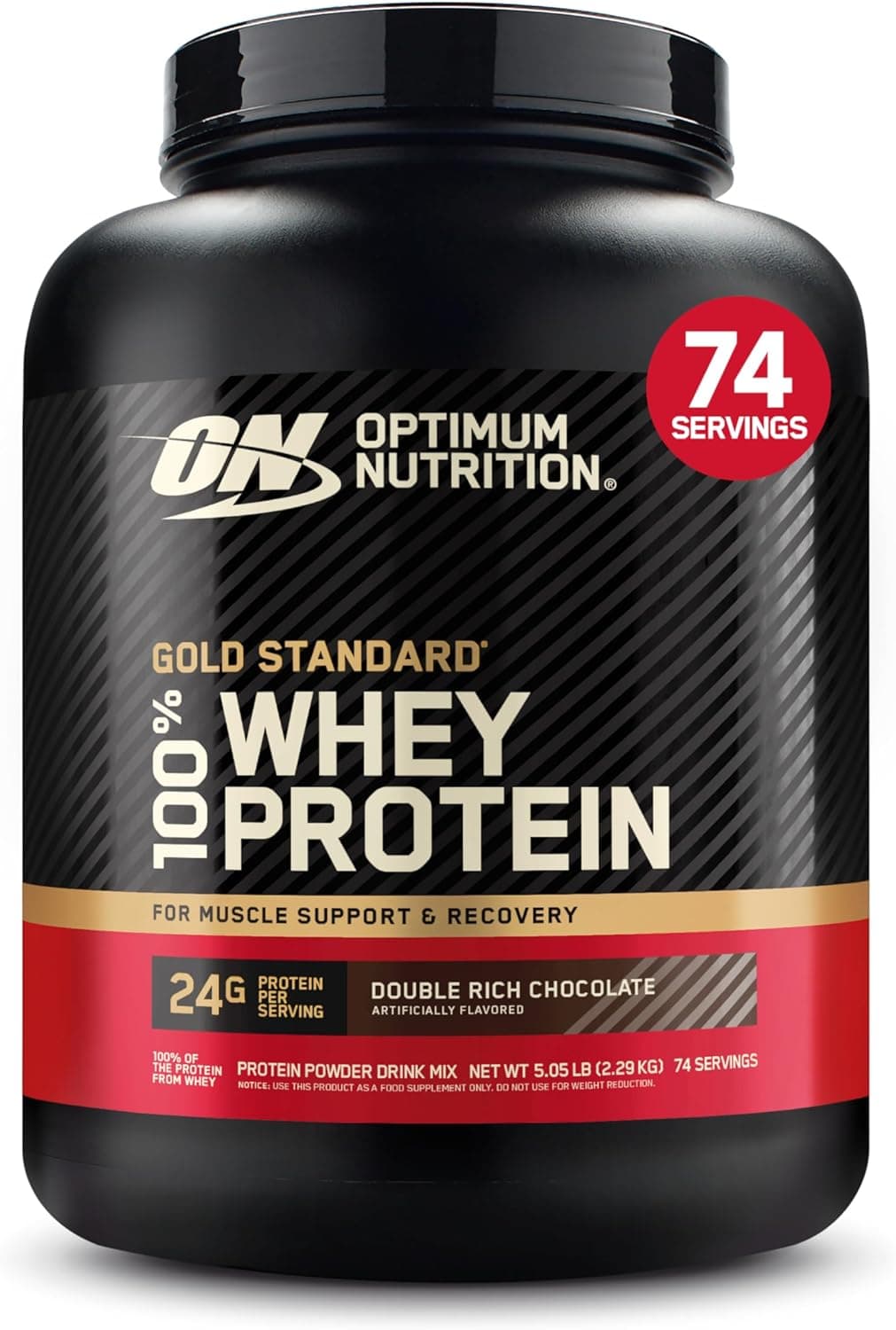
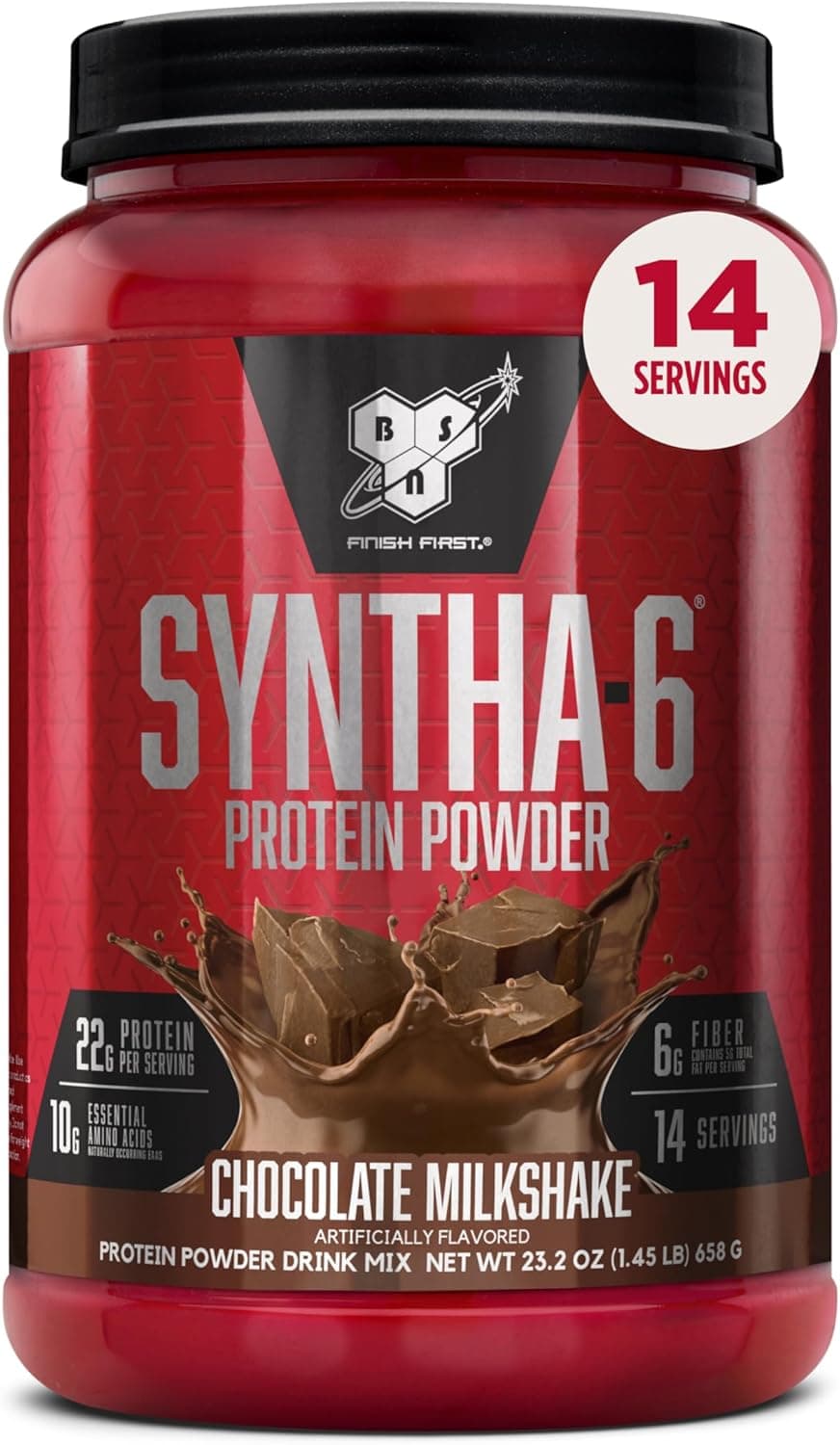
Gum Blend.
A mix of plant gums used to thicken and stabilize supplement formulations. Just texture ingredients. Thickens and stabilizes supplement formulas so they don't separate or clump.
Reviewed March 2026
- Category
- General
- Also filed under
- Thickener and stabilizerGummy texture agent
What Gum Blend is, and what it does.
- Does it work
- It's a texture ingredient. You're not taking it for health benefits.
- How much to take
- Not applicable. You don't dose gum blend. It comes along for the ride.
- Time to feel it
- It hydrates and thickens the second the powder meets water, which is its job in the product. It's a texture ingredient, not an active, so it has no onset of its own.
- The first dose
- Day one brings no sensation of its own. The gums hydrate the moment powder meets water, which is what keeps a drink smooth and stops a formula separating.
- With regular use
- No long-term effects. It passes through your system uneventfully.
- How well tolerated
- Generally recognized as safe (GRAS). Some people with sensitive guts notice bloating from certain gums, but supplement amounts are tiny.
- How it feels
- You don't feel it. That's the whole point of a good excipient.
- The overlooked benefit
- Gums are soluble fibre by definition. In a thick drink mix the gum fraction contributes to the fibre on the panel as well as to the mouthfeel.
The proof, claim by claim.
These words describe the research, not the molecule's worth. Research strength is how much work stands behind one claim, and it is never a product score.
- Well tolerated food additive
Questions people ask about Gum Blend.
- Do gum blends have any health benefits?
- No. They're texture ingredients. They keep your supplement from separating or clumping, and that's it.
- Can gum blends cause stomach issues?
- In large food amounts, some people notice bloating. Supplement amounts are so small it's basically a non-issue.
- Are gum blends natural?
- Most are plant-derived (guar bean, acacia tree). Xanthan gum is made by bacterial fermentation, which is still considered natural.
- Should I avoid supplements with gum blends?
- No reason to. They're there to make the product work properly. Think of them like the bottle the supplement comes in.
- What's the difference between different gums?
- Mainly texture properties. Xanthan is great for thickening, guar for binding, acacia for emulsifying. Brands pick based on what the formula needs.
- Are gum blends vegan?
- Yes. All common supplement gums are plant-derived or bacteria-produced.
Why these belong in the same formula. Each row says what the basis is, from settled biochemistry through to a trial that measured the pair.
Kappa-carrageenan forms brittle gels on its own but binds to galactomannan and glucomannan chains in a blend, giving an elastic gel at lower total gum. This mixed-gel behaviour is a core reason gums are blended rather than used alone.
Konjac glucomannan associates with carrageenan and xanthan-type chains to form a network stronger than either component alone. The interaction lets a blend hit target viscosity at a lower use level.
Guar hydrates cold and builds viscosity quickly, so it is blended with slower or more brittle gums to control how a system thickens over time. The combination shapes the viscosity curve rather than just the endpoint.
Gellan sets into a firm gel in the presence of cations and holds particles in suspension, while softer gums supply flow and mouthfeel. Blends pair the two to get suspension without a rigid texture.
Calcium ions bridge the carboxyl groups on low-methoxyl pectin and gellan, which is what sets those gels. The mineral is a structural part of the network, so its level changes gel firmness directly.
Kappa-carrageenan needs potassium ions to lock its helices into a gel, and the gel strength tracks the potassium level. Formulators adjust the salt as a gelling lever, not just an electrolyte.
Psyllium and blended gums both raise the viscosity of gut contents, which slows gastric emptying and the rate at which glucose reaches the wall. The viscosity effects add up when they are taken together.
Pectin is a uronic-acid hydrocolloid that gels under acid and sugar or, for low-methoxyl grades, with calcium, so it covers conditions where neutral galactomannans do not set. Blending it with gums extends the pH and ion range across which a product holds structure. The pairing is standard food-system practice rather than a nutritional interaction.
Hydrolysed guar gum keeps the galactomannan backbone that gut bacteria ferment while losing most of the viscosity that intact gums bring. Adding it to a gum blend raises fermentable substrate without thickening the product further. The two therefore do different jobs from the same starting polymer.
Resistant starch and gum polysaccharides are both fermented in the colon but by partly different bacterial groups and at different points along the bowel. Combining substrate types spreads fermentation rather than concentrating it in the proximal colon. Gas and bloating are the practical limit on how much of either can be stacked.
Inulin is a rapidly fermented fructan while most gums ferment more slowly and further along the tract, so the two together give a broader fermentation profile than either alone. Inulin adds almost no viscosity, which keeps a beverage's mouthfeel governed by the gums. Rapid fermentation of inulin is also the usual source of gas complaints when the total dose climbs.
Oat beta-glucan and gums both raise the viscosity of intestinal contents, which slows gastric emptying and the diffusion of nutrients toward the mucosa. Because the effect tracks total viscosity rather than the identity of the polymer, the two add. The trade-off is a thicker, harder-to-drink product at any given fibre dose.
Bifidobacteria carry the glycoside hydrolases needed to break down several gum polysaccharides into fermentable sugars. Supplying the organism and the substrate in one product is the synbiotic argument. Whether a given gum blend actually reaches a given strain in the colon depends on the polymer, and few blends have been tested that way.
Colonic bacteria ferment gum polysaccharides to short-chain fatty acids including butyrate, which colonocytes use as their preferred fuel. A butyrate supplement delivers the end product directly while a fermentable gum feeds its production in situ. The two arrive at the same molecule by different routes and different timings along the bowel.
Gums that carry carboxylate groups, carrageenan and gellan among them, bind cationic minerals and can carry them through the small intestine unabsorbed. The viscous matrix itself also slows diffusion of dissolved iron toward the mucosal surface. Taking an iron supplement away from a high-gum beverage is the practical response.
Zinc is bound by the same anionic groups on gum polysaccharides that bind iron and calcium, and viscosity slows its diffusion to the absorptive surface. The interaction matters most when a mineral supplement and a fibre-thickened drink are taken in the same sitting. It is a timing question rather than a reason to avoid either.
Divalent magnesium interacts with the carboxylate groups on acidic gums, and in the case of gellan and low-methoxyl pectin those cations also participate in setting the gel. That means magnesium can be sequestered into the gel network rather than remaining free in solution. The effect on magnesium status has not been measured in the studies cited here.
Lecithin lowers interfacial tension and gets an emulsion formed. Gums raise continuous-phase viscosity and stop the droplets from creaming afterwards. Emulsifier and stabiliser are separate jobs and a stable beverage usually needs both. Neither substitutes for the other.
Gums and whey protein either associate or separate depending on pH and ionic strength, which is why a protein drink can gel, thin out or throw a layer as it ages. Anionic gums used near the isoelectric point of whey are a common cause of that instability. Blend selection here is a stability decision, not a nutritional one.
A viscous gum matrix slows the rate at which enzymes and their substrates meet in the small intestine, which is part of why soluble fibre blunts the rise in glucose after a meal. Supplemental digestive enzymes taken alongside face the same diffusion limit. The direction is established from viscosity physiology. The size of the effect for any specific blend has not been quantified here.
Fermentable gums provide carbohydrate substrate for live cultures once both reach the colon, and they also add physical protection to a powder by lowering water activity around the cells. Which organisms benefit depends on which glycoside hydrolases they carry. A synbiotic pairing is a design intent, not a demonstrated outcome for any particular blend.
Talk to a doctor before taking Gum Blend if any of these apply to you: May cause mild GI discomfort in sensitive individuals, Composition varies by brand. These are flags to check first, not effects Gum Blend is known to cause.
Not medical advice. Show the label to your pharmacist.What Gum Blend actually does.
Gums are large polysaccharide molecules that swell in water and thicken it by tangling their chains together, and since our digestive enzymes can't break down their backbones, they pass through the small intestine intact and count as soluble fiber.
A blend of gums is used because different ones behave differently. Some just thicken without gelling, some need specific minerals to gel, and others give a particular texture, so combining them gives more control than any single gum alone.
Certain gum pairs genuinely work better together than either alone, forming a firmer gel than you'd expect from just adding the two up, because parts of one gum's structure bind directly to parts of the other's.
Once these gums reach the colon, resident bacteria ferment them into short-chain fatty acids plus some gas, and that gas is why ramping up intake quickly can cause bloating.
Where Gum Blend comes from.
Different gums come from very different places: some from seeds, one from tree sap, one from seaweed, and a couple grown by bacteria in a tank. Each is cleaned and dried into a powder, then several are mixed together in a set ratio because no single gum gives the texture a product needs on its own.
The same molecule is reached more than one way. Which route a given product used is a manufacturing choice, and the finished compound is the same either way.
A gum blend rarely has one origin: guar and locust bean gum come from legume seed endosperm, acacia gum is a tapped tree exudate, carrageenan is extracted from red seaweed, and xanthan and gellan are microbial fermentation products.
Xanthan and gellan are produced by feeding a defined sugar medium to Xanthomonas campestris or Sphingomonas elodea in stirred tanks, then killing the culture at the end of the run.
Seed gums are separated mechanically: the hull and germ are cracked away and the endosperm splits are milled. Seaweed gums are extracted hot, usually under alkaline conditions that also modify the polymer.
Microbial and seaweed gums are precipitated with isopropanol or ethanol, washed, pressed and dried, which removes cells, salts and residual medium.
Each gum is specified on viscosity at a stated concentration and shear rate, particle size, moisture, ash and microbial counts, because texture and not chemistry is what the buyer is purchasing.
The individual gums are dry-blended in fixed ratio, often agglomerated or dusted with a carrier such as maltodextrin or dextrose so the powder disperses in water instead of forming lumps.
Getting Gum Blend from food.
The whole-food sources on file. A supplement closes the gap, it does not replace dinner.
A gram-for-gram figure (how much of each you would eat to match a dose) will appear here once it is sourced and reviewed. This page will not print a number it cannot cite.
The forms it comes in.
The essence, in one line each.
- A randomised trial of a multi-ingredient product containing a polyphenol-rich extract blend, probiotics and hydrolysed fibre reported changes in quality of life and gut health markers. Because the fibre was one component among several, the trial does not isolate the contribution of any gum or fibre on its own.Randomised trial. Wierzbicka et al., 2025 (Frontiers in Nutrition). PMID 40693198 ↗
These are the studies our verdict leans on, chosen from the 1 we read for Gum Blend. The full linked list is below.
FDA Disclaimer: These statements have not been evaluated by the Food and Drug Administration. This information is for educational purposes only and is not intended to diagnose, treat, cure, or prevent any disease. Consult your healthcare provider before starting any supplement regimen.