
Vitamin ANHANES 2005 to 2016
About 45% of US adults
take in less vitamin A than the estimated average requirement.
Peer-reviewed analysisRiboflavin is the lead active here, studied most for filling everyday nutrient gaps. 10 human studies on Riboflavin back this formula, each one cited. Each serving carries 900 mcg of Vitamin A, inside the range the published research used. Who it fits: made for men, adults.
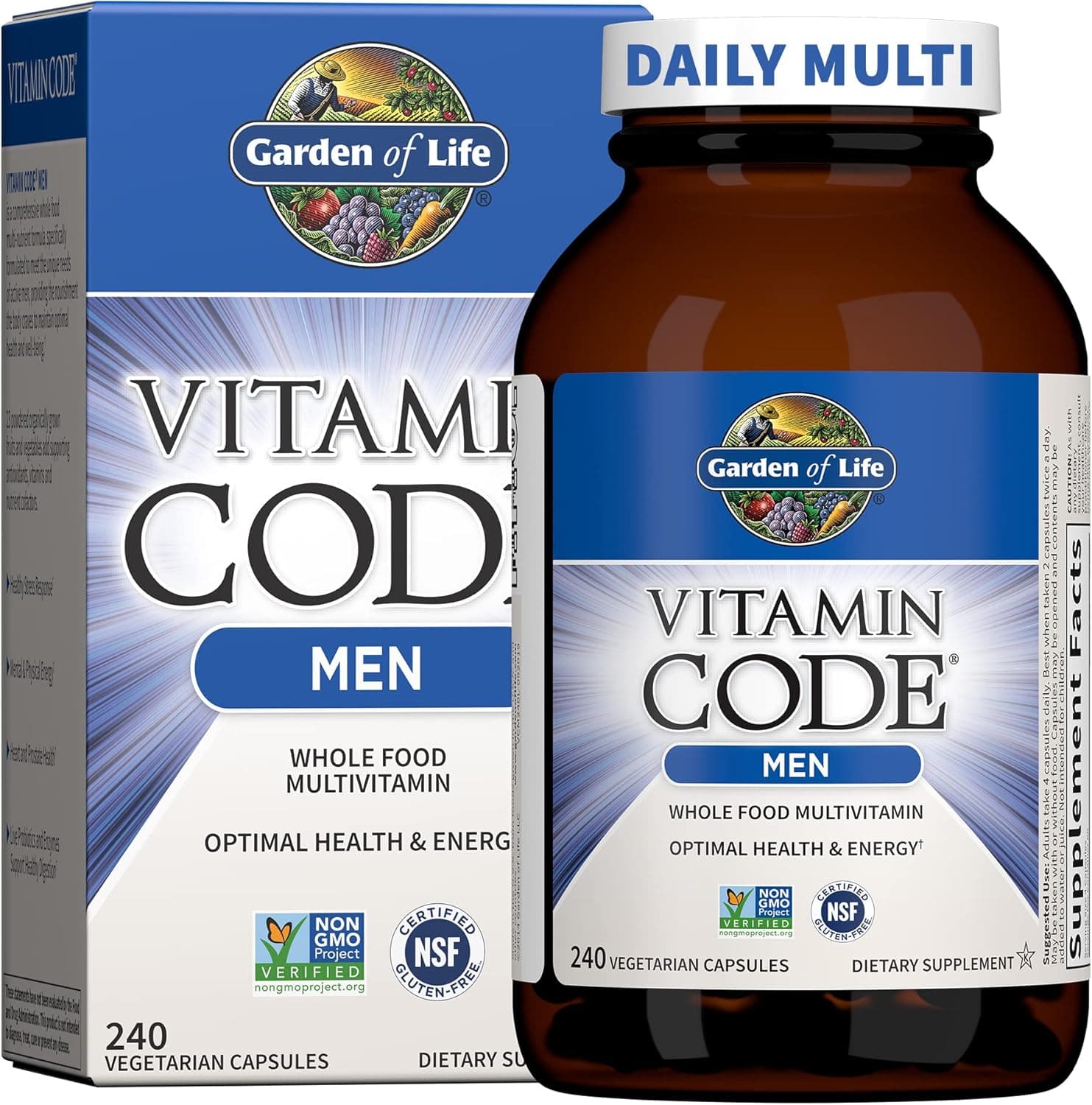 Verified by IngredientMD
The panel on the left is the one we evaluated, line by line.
All 58 actives checked against the clinical evidence: dose, form, and what the research actually shows.
Doses, ratios, and how the ingredients work together. That assessment is the verdict above: "Stronger in a pair".
The verdict is public and identical whether or not a brand pays. A formula that does not clear the bar gets nothing.
Read by the engine against 2.1 million data points from clinical trials, PubMed and more than a hundred vetted sources. No individual reviewer is named or implied.
Cross-checked against 5,540 documented interactions for these actives.
Public health figures the engine matched to this formula's ingredients. Reported by their source, cited and dated, never written by the brand.
About 45% of US adults
take in less vitamin A than the estimated average requirement.
Peer-reviewed analysisAbout 46% of US adults
take in less vitamin C than the estimated average requirement.
Peer-reviewed analysisAbout 41% of US adults
have blood vitamin D below the level considered sufficient.
Peer-reviewed analysisAbout 84% of US adults
take in less vitamin E than the estimated average requirement.
Peer-reviewed analysisAbout 8% of US men aged 19 and over
take in less folate from food and drink than the estimated average requirement.
NHANESFewer than 3% of US men aged 19 and over
take in less iron from food and drink than the estimated average requirement.
NHANESAbout 15% of US adults
take in less zinc than the estimated average requirement.
Peer-reviewed analysisAbout 50% of US men aged 19 and over
take in less vitamin A from food and drink than the estimated average requirement.
NHANESAbout 57% of US men aged 19 to 30
take in less vitamin C from food and drink than the estimated average requirement.
NHANESAbout 92% of US men aged 19 and over
take in less vitamin D from food and drink than the estimated average requirement.
NHANESAbout 72% of US men aged 19 and over
take in less vitamin E from food and drink than the estimated average requirement.
NHANESAbout 53% of US men aged 19 to 30
take in less vitamin A from food and drink than the estimated average requirement.
NHANESAbout 52% of US men aged 19 and over
take in less vitamin C from food and drink than the estimated average requirement.
NHANESRandomised trial, 2014
Pantethine, a vitamin B5 derivative, lowered LDL cholesterol by about 11 percent from baseline versus placebo over 16 weeks in adults at low to moderate cardiovascular risk.
Vascular Health and Risk ManagementSystematic review and meta-analysis, 2021
Across 22 trials in 41,633 people, folic acid supplements lowered the top blood pressure number by about 1.1 points and the bottom by about 0.2 points.
Critical Reviews in Food Science and NutritionRandomised trial, 2015
Pantethine lowered blood triglycerides by about 17 percent from baseline over 8 weeks in adults with moderate dyslipidemia, while a related compound, coenzyme A, lowered them further.
Journal of Clinical LipidologySystematic review, 2025
Pooled the human trials of celery and reported favourable shifts in blood pressure, blood sugar and blood lipid measures, with the number of trials small.
Frontiers in nutritionMeta-analysis, 2025
Pooling five trials, spinach-derived thylakoid supplements lowered reported hunger by 2.415 mm on a rating scale and raised fullness after eating, with the effect scaling with dose.
Nutrition reviewsRandomised trial, 2013
Adults with long-standing digestive complaints who took 20 ml of papaya daily for 40 days reported less constipation and bloating than placebo, but the effect faded once stopped.
Neuro Endocrinology LettersRandomised trial, 2025
In healthy adults, polyphenols from raspberry leaf tea lowered the post-meal glucose and insulin rise compared with control.
NutrientsRandomised trial, 2025
Vitamin D3 supplementation changed the inflammatory protein CHI3L1 and oxidative stress markers in adults with a chronic demyelinating condition. These are markers, not clinical outcomes.
Neuropsychopharmacology ReportsSystematic review, 2013
In human iron and zinc studies, phytase from Aspergillus niger raised iron and zinc absorption from phytate-rich foods, with 20 to 320 units per 100 g flour enough to help.
Food and Nutrition BulletinRandomised trial, 1994
Over two years, older postmenopausal women taking calcium plus trace minerals including manganese gained about 1.5% spinal bone density, while the placebo group lost about 3.5%.
Journal of NutritionMeta-analysis, 2021
Across 14 trials, tart cherry eased muscle soreness and improved strength recovery after hard exercise, with no clear effect on muscle damage.
International Journal of Sport Nutrition and Exercise MetabolismRandomised trial, 2014
Twelve months of phylloquinone (vitamin K1) supplementation improved markers of vitamin K status, including a higher share of carboxylated osteocalcin, with no clear difference detected in bone density measures.
The British journal of nutritionRandomised trial, 2023
In 160 postmenopausal women with long-standing sleep difficulty, one month of vitamin E brought the median sleep questionnaire score to 6, versus 9 on placebo, where lower means better sleep.
NutrientsClinical trial, 1990
In people with weak, splitting nails, oral biotin increased nail thickness by about 25 percent under scanning electron microscopy and the nail surface became more regular.
Journal of the American Academy of DermatologyMeta-analysis, 2025
In a network meta-analysis of 19 trials with 1,658 participants, biotin-containing preparations were among the supplements linked to greater hair density, though most individual trials were small.
Frontiers in nutritionAbout 23 percent lower plasma homocysteine at 0.8 mg daily, with 0.2 mg and 0.4 mg reaching roughly 60 and 90 percent of that
Lowers homocysteine, a blood marker tied to heart risk. Measured in adults, standardised to a pretreatment homocysteine of 12 micromol per litre (95% CI 21 to 26 percent).
Meta-analysisRandomised trial, 2026
A controlled comparison of fermented against unfermented red cabbage measuring self-reported symptoms alongside immune response, inflammatory markers and gut microbiota composition. The biological measures are markers rather than clinical outcomes.
BMJ OpenMeta-analysis, 2016
Across 20 trials in 970 people, garlic supplements lowered systolic blood pressure by about 5 mmHg on average and by close to 9 mmHg among those with raised readings at baseline.
The Journal of NutritionSystematic review, 2024
Across the reviewed human studies, higher dietary carotenoid intake tracked with more favourable cardiovascular risk markers, an association rather than a demonstrated cause.
NutrientsRandomised trial, 2025
Broccoli supplementation combined with exercise was tested against exercise alone on metabolic and lipoprotein blood markers in adults.
NutrientsMeta-analysis, 2026
Pooled trials of tomato and tomato products reported improvements in cardiometabolic markers such as blood lipids and blood pressure in adults.
Food & functionMeta-analysis, 2019
Across combined trials, strawberries improved several heart-related blood markers in adults, including lower LDL cholesterol and a blood marker of inflammation.
Food & functionMeta-analysis, 2015
Across 12 trials, vitamin E lowered a blood marker of inflammation by about 0.62 mg/l compared with not taking it.
European Journal of Clinical NutritionRandomised trial, 1999
In 14 adults on a controlled low-flavone diet, a week of daily parsley raised two antioxidant enzyme activities in blood cells versus diet alone, while other markers showed no change.
British Journal of NutritionMeta-analysis, 2014
Across 25 trials in adults with high blood sugar, chromium lowered HbA1c, a marker of average blood sugar, by about 0.55 percentage points and fasting glucose by about 1.15.
Journal of Clinical Pharmacy and TherapeuticsRandomised trial, 2015
An acute crossover trial of a multi-ingredient product reporting changes in substrate utilisation and perceived hunger markers. Pepper-derived constituents appear as one component of the blend, so the result cannot be assigned to green bell pepper.
Journal of the International Society of Sports NutritionSystematic review, 2025
Pooling human trials of apple cider vinegar, the review found small reductions in body weight and waist measures in adults with raised blood sugar or excess body weight, and described the evidence base as limited.
NutrientsSystematic review, 2012
Reviewed human reports on cruciferous plants and found ordinary dietary amounts were well tolerated, with the few adverse reports tied to very high or unusual intakes.
Journal of biomedicine & biotechnologyRandomised trial, 2026
In healthy adults, an oral multienzyme supplement including lipase changed the pattern of nutrients appearing in the blood after a mixed meal compared with placebo.
The Journal of nutritionMeta-analysis, 2018
Pooling 21 trials, vitamin A on its own raised haemoglobin and cut the share of people with low haemoglobin by about 26 percent in those with low vitamin A status.
Critical Reviews in Food Science and NutritionMeta-analysis, 2012
In trials directly comparing the two forms, vitamin D3 raised blood 25-hydroxyvitamin D more than vitamin D2 did (P = 0.001).
American Journal of Clinical NutritionRandomised trial, 2024
A daily freeze-dried kale bar improved several blood sugar and metabolic markers in adults with high blood sugar compared with placebo.
NutrientsMeta-analysis, 2024
Pooled trials found dietary nitrate supplementation improved high intensity cycling sprint performance in recreationally active people by a small margin.
NutrientsMeta-analysis, 2025
Across trials, blueberries produced small improvements in memory and executive function measures.
BiogerontologySystematic review, 2024
Pooling randomised trials in middle-aged and older adults, vitamin K supplementation was linked with small differences in bone mineral density at some skeletal sites and with changes in markers of bone turnover.
Bone & joint researchMeta-analysis, 2024
In a dose-response meta-analysis of randomised trials, riboflavin was associated with about 1.3 fewer severe recurring headache attacks per month compared with control.
Neurological SciencesMeta-analysis, 2023
Across a review of 54 clinical reports with 39 pooled, oral bromelain lowered pain scores slightly more than control, by about 0.27 points on the pain scale, and topical bromelain shortened time to complete wound debridement by about 6.9 days.
Nutrition and HealthRandomised trial, 2017
In healthy older adults, an amalaki preparation taken for 45 days was associated with higher telomerase activity in blood mononuclear cells, a laboratory marker, while measured telomere length did not differ detectably from control.
Journal of Ayurveda and integrative medicineRandomised trial, 2019
Thiamin supplementation did not improve left ventricular ejection fraction in the participants studied. This is a failure to detect a difference in an imaging marker, not evidence that no difference exists.
The American Journal of Clinical NutritionMeta-analysis, 2024
Pooled trials of L. plantarum supplementation reported changes in glucose and lipid laboratory measures in adults with high blood sugar, with the authors noting heterogeneity between studies.
Clinical Nutrition ESPENMeta-analysis, 2022
Across 19 trials of about 1.2 million children in vitamin A deficient settings, supplementation lowered all-cause mortality by 12 percent (risk ratio 0.88), rated high-certainty evidence.
Cochrane Database of Systematic ReviewsSystematic review, 2023
Across 18 studies, pyridoxine on its own and in combinations improved nausea scores in pregnancy on both the Rhode and PUQE scales, a use with a long clinical track record.
Archives of Gynecology and ObstetricsMeta-analysis, 2020
Ginger eased nausea severity during pregnancy versus placebo (standardized mean difference 0.82), pooling 13 trials in 1,174 women, with no clear effect on vomiting.
J Matern Fetal Neonatal MedRandomised trial, 2026
Thiamin supplementation improved the thiamin pyrophosphate effect, a blood marker of thiamin adequacy, in children whose levels were low.
Scientific reportsMeta-analysis, 2024
Pooling randomised trials of lactase drops in unsettled infants, the reviewers did not detect a clear reduction in crying time, and the trials were small and varied in method.
Journal of pediatric gastroenterology and nutMeta-analysis, 2021
Pooling nine controlled trials in 673 people, vitamin B2 at 400 mg per day for three months lowered the frequency, days, duration and pain score of severe recurring headache attacks.
Nutritional NeuroscienceMetabolic balance study (crossover), 2006
In 43 healthy young women eating normal diets, over 90 percent of dietary molybdenum was absorbed and mostly excreted in urine, staying balanced across intakes of about 150 to 318 micrograms a day.
Journal of Trace Elements in Medicine and BiologyPopulation figures from public health data. Context for the category, not a statement about any individual and not a claim about this product.
Each line below was derived from this formula's own record at the time of verification. Nothing here was written by the brand, and nothing can be added that the evidence does not carry.
Three pairings in this formula have been studied as combinations in human trials. Each finding below is what a named study measured, cited and dated, never written by the brand.
In a controlled radioiron study in 63 men, adding ascorbic acid to a non-heme iron meal increased iron absorption in proportion to the dose, from about 1.6 times the meal alone at 25 mg to about 9 times at 1000 mg.
In a two-year trial in older adults, zinc taken together with selenium improved the antibody response to influenza vaccination.
In a 2025 network meta-analysis of 16 randomized trials in healthy adults, folic acid taken together with vitamins B6 and B12 lowered blood homocysteine more than any single supplement, with the 1 mg folic acid plus 7.2 mg B6 plus 20 micrograms B12 arm ranked most effective versus placebo (mean difference -1.03 micromol/L, 95% CI -1.71 to -0.36).
Research strength. Research strength says how much work stands behind the combination. It is never a product score.
Fail closed. Where actives were studied on their own rather than together, each shows on its own evidence, never a combined effect no trial measured.
Independent record. Every finding is cited to a named trial, dated, and never written by the brand.
Findings from trials that studied these actives as a combination. Context for how the actives were tested together, not a statement about any individual and not a claim about this product.
Time-to-effect windows the engine read from the trial record. Each is a window a named study measured, cited and dated, never written by the brand.
In a randomised crossover trial, 12 healthy adults consumed 101.7 mg of vitamin C as a powder, as raw fruits and vegetables, or as juice, and plasma vitamin C rose after every intake form, with plasma and urinary levels tracked over the 24 hours following the single dose.
In the trial record, blood vitamin D rises for about 3 months of daily vitamin D3 and then holds at a plateau, near 69 nmol/L at 1,000 IU a day, from a starting level near 41 nmol/L.
In a 3-phase crossover using two deuterium-labelled forms of alpha-tocopherol, healthy women absorbed about 55 percent of an oral dose taken with a 40 percent fat meal and about 64 percent with a fat-free meal, with samples tracked over 72 hours. The authors conclude absorption is not limited by absent fat or fasting, and that vitamin E leaves the intestine by a prolonged process.
In a stable-isotope study, 10 healthy adults aged 22 to 31 took labelled vitamin K1 for six days and then an intravenous dose to resolve its disposal kinetics. Plasma vitamin K1 cleared with half-times of about 0.22 and 2.66 hours, and absorption of an oral dose was about 13 percent.
In the controlled depletion study the EFSA reference opinion reviews, restricting thiamin intake to 0.009 to 0.015 mg/MJ for 30 days brought urinary free thiamin excretion from a mean of 0.283 mg/24 h down to undetectable levels by day 18 of the depletion period.
In the same depletion and repletion record the EFSA reference opinion reviews, erythrocyte transketolase activity fell progressively to about 75% of baseline during the 30-day depletion period and returned to its baseline value after 1 week of thiamin repletion.
In an intervention the EFSA reference opinion reviews, adults whose baseline riboflavin intake and status were unknown received 5 mg/day of riboflavin for 8 weeks, and haemoglobin concentration, haematocrit and erythrocyte count all rose significantly over that period.
An expert consensus on vitamin B6 use, developed by a six-member Delphi panel with a structured evidence-quality assessment, calculated from pharmacokinetic parameters that complete clearance of vitamin B6 from the body takes a washout period of about 20 to 40 days after intake stops.
A systematic review and Bayesian meta-analysis drew on 108 articles from 14,002 screened records and modelled blood folate against folic acid intake using one-compartment pharmacokinetic models. Red blood cell folate rose 1.78 fold from baseline to steady state at 375 to 570 ug folic acid per day, and reaching that steady state took a median of 36 weeks, 95% credible interval 27 to 52 weeks. Serum or plasma folate rose 11.6% for every 100 ug per day of folic acid intake, 95% credible interval 8.4 to 14.9.
A kinetic study in six healthy men aged 22 to 31 gave 3.6 umol per day, 1.6 mg, of deuterium-labelled folic acid for four weeks, with folate tracked in serum, erythrocytes and urine by microbiological assay and gas chromatography mass spectrometry. Serum folate reached its maximum concentration in about 18 days, while isotopic labelling of erythrocyte folate kept rising across the whole four weeks. After supplementation stopped, red blood cell folate and urinary folate excretion declined linearly, and serum folate fell with a slow-phase half-life of 18.7 days. One study, six men, no control group.
A randomised, double-blind, parallel-group dose-finding trial in 120 older people with mild vitamin B12 deficiency, defined as serum B12 of 100 to 300 pmol/L with methylmalonic acid at or above 0.26 umol/L, gave daily oral cyanocobalamin at 2.5, 100, 250, 500 or 1000 ug for 16 weeks. Mean plasma methylmalonic acid fell 16%, 16%, 23%, 33% and 33% across those doses. Daily doses of 647 to 1032 ug accounted for 80% to 90% of the estimated maximum reduction. The window was measured on a blood marker of B12 status, not on a symptom.
An open-label randomised single-dose pharmacokinetic study in 20 healthy men aged 20 to 45, conducted and authored by staff of Emisphere Technologies, the developer of the SNAC carrier under test, measured serum vitamin B12 after one 5 mg cyanocobalamin tablet, with six men on the marketed tablet. Time to peak serum B12 was 6.83 hours for the marketed tablet and 0.5 hours for the carrier coformulation. Absolute bioavailability was 2.16% and 5.09% respectively. One trial, six men per arm. Serum concentration was measured, not any symptom.
In an open trial with no placebo arm, 71 patients with brittle or splitting fingernails took 2.5 mg of biotin a day. Of the 45 cases that could be evaluated, 41 were rated as having firmer and harder nails after an average of 5.5 months of treatment, standard deviation 2.3 months. The rating was clinical judgement rather than an instrument reading, and there was no control group, so the window describes when the raters recorded change, not a placebo adjusted effect.
A randomised crossover study in 54 nonanemic young women with plasma ferritin at or below 20 ug/L gave labelled iron sulfate as single fasting morning doses of 40, 60, 80, 160 and 240 mg. Twenty four hours after doses of 60 mg or more, serum hepcidin was raised and fractional iron absorption from the following dose was 35% to 45% lower. Across the dose range a sixfold rise in dose, 40 to 240 mg, produced a threefold rise in iron absorbed, 6.7 to 18.1 mg. Total iron absorbed from three doses inside 24 hours was not significantly greater than from two morning doses. The measure was iron absorption and serum hepcidin, not a symptom.
Across three randomised placebo-controlled trials pooled as individual patient data (199 adults with naturally acquired colds, 80 to 92 mg of elemental zinc a day as acetate lozenges), 70 percent of the zinc group had recovered by day 5 against 27 percent on placebo, and colds ran 2.73 days shorter against a 7 day average duration. A separate meta-analysis of seven lozenge trials (575 participants, doses above 75 mg a day, zinc acetate or zinc gluconate) measured cold duration 33 percent shorter, with no significant difference between the two salts.
In a controlled feeding study in nine healthy men, six weeks of restricted zinc intake raised DNA strand breaks in peripheral blood cells, and four weeks of repletion at 11 mg a day, with 20 mg of supplemental zinc for the first seven days, reversed the rise. In a separate randomised placebo-controlled trial in 40 Ethiopian women eating a high-phytate diet, 20 mg a day of zinc sulfate for 17 days lowered mean comet tail moment from 39.7 to 30.0 while plasma zinc did not change significantly. Both windows were measured on a DNA damage marker in blood cells, not on a symptom.
In a 12 week randomised double-blind placebo-controlled trial in 119 healthy UK adults aged 50 to 64, mean plasma selenium rose from 95.7 ng/mL at baseline to steady state by week 10, reaching 118.3, 152.0 and 177.4 ng/mL on 50, 100 and 200 micrograms a day of selenium-enriched yeast. Plasma selenoprotein P rose in every selenium arm. Platelet glutathione peroxidase activity did not change significantly at any dose or form.
In a randomised trial, 48 participants were allocated to tart cherry or placebo as juice or as powdered capsules, once or twice daily over 48 hours, with serum uric acid, high sensitivity C reactive protein and plasma oxygen radical absorbance capacity tracked. Serum uric acid fell by an average of 8 percent, declining for up to 24 hours after a single capsule dose, up to 8 hours after two capsules and up to 2 hours after a single juice dose, and the authors describe the fall as transient and not maintained with continued supplementation. Neither hsCRP nor oxidative capacity changed. A later crossover in 25 adults with mildly raised uric acid found no effect on the uric acid response to a high purine meal.
In a randomised, double blind, placebo controlled trial, 20 physically active women took 30 mL of Montmorency tart cherry concentrate twice daily for eight days, four of them before a repeated sprint protocol, with soreness, pressure pain threshold, muscle function and inflammation measured to 72 hours after. Recovery of countermovement jump height was improved compared with placebo, while soreness and pressure pain threshold showed trends only and high sensitivity C reactive protein did not move. A 10 day powdered protocol in 27 endurance runners reported inflammatory markers 47 percent lower than placebo across 48 hours of recovery. A 5 day protocol around professional rugby league matches in 11 players found no difference from placebo in interleukin response, soreness or jump height.
In a small preliminary study, nine older adults with early age-related memory changes drank wild blueberry juice daily for 12 weeks and improved on paired-associate learning and word-list recall, with scores compared against a demographically matched group given a berry placebo drink. One study of nine people, juice rather than a capsule.
Two double blind, placebo controlled, randomised experiments with 34 and 40 volunteers gave 2 g of raw or heat treated ginger daily for 11 consecutive days, then induced muscle pain with 18 eccentric elbow flexor actions. Pain 24 hours after the exercise was 25 percent lower with raw ginger and 23 percent lower with heat treated ginger than with placebo, a modest difference, and effects on arm volume, range of motion and strength were smaller. A separate 5 day protocol in 32 recreational distance runners at 1.425 g a day reported a smaller rise in soreness while jogging after a downhill run, with unclear effects on most other outcomes.
In a randomised, double blind, crossover study, 24 healthy volunteers were studied twice. After an eight hour fast they swallowed three ginger capsules totalling 1200 mg or placebo, then 500 mL of low nutrient soup one hour later, with ultrasound measurement over the following 90 minutes. Gastric half emptying time was 13.1 minutes after ginger against 26.7 minutes after placebo, and antral contractions were more frequent. What was measured was stomach motor function rather than a symptom, and no significant difference in reported gut sensations or appetite was found.
In a randomized, double blind crossover trial in 47 adults with confirmed lactose maldigestion, a single oral lactase dose taken with a lactose load lowered breath hydrogen measured every 30 minutes across a 180 minute test, reflecting support for normal lactose digestion within hours of a dose.
In a double blind trial in 16 recreational runners, 4 weeks of daily Lactobacillus plantarum PS128 capsules taken before a half marathon preserved knee extensor torque and electromyographic measures of muscle function across the 96 hours after the race compared with placebo.
Windows measured in the cited trials. Context for how the active behaves over time, not a statement about any individual and not a claim about this product.
12 ingredients, from each one's own page.
Weeks to months. Liver stores buffer intake, so vitamin A status moves slowly and shows up on a blood panel rather than as a sensation.
Blood levels rise within hours and tissue pools fill over days. Collagen-linked changes in skin and gums build over weeks and show as tissue quality, not as a sensation.
25-hydroxyvitamin D climbs over roughly six to twelve weeks of daily dosing before it plateaus. It's a blood level you watch rather than a feeling.
Plasma alpha-tocopherol climbs within days of daily intake, and anything you'd notice in skin condition is a slow change across a couple of months.
Clotting factor carboxylation responds within days, and circulating phylloquinone tracks what you ate this week. It reads on a lab measure rather than as a feeling.
There is no onset to time in the usual sense. Status markers such as erythrocyte transketolase activity move across weeks, and that is where the change is read.
Urine turns bright yellow within hours of the first dose. Status itself, read as red cell glutathione reductase activity, shifts across two to eight weeks.
Nothing to wait for at everyday amounts. Niacin status shows up on blood work rather than as a sensation. The flush from the nicotinic acid form arrives within 30 minutes.
Nothing quick. Conversion to the active coenzyme happens within hours, but plasma pyridoxal 5-phosphate takes a couple of weeks to settle at a new level.
Red cell folate climbs over roughly four to eight weeks. It's a blood panel change rather than a sensation.
Markers move first. Methylmalonic acid and homocysteine start shifting within a week or two, while anything you would notice takes several weeks of daily use.
Fingernails grow around 3mm a month, so it takes roughly 8 to 12 weeks before enough new plate has grown out to judge the difference by eye.
How each ingredient usually behaves over time, from its own page on IngredientMD. General timing for the ingredient, not a measurement of this product.
What each form is, and where it fits in a formula. Measured findings carry the study that reported them.
The animal-sourced form of vitamin D, made in skin under UVB light and produced commercially from lanolin. Fat-soluble, so it travels with dietary fat and is stored in body fat.
In a 12-week double-blind randomised controlled trial in 108 young women in urban Bangalore, most of whom began vitamin D-deficient, daily vitamin D3 at 400, 600 or 800 IU in a fortified wafer raised serum 25-hydroxyvitamin D, parathyroid hormone fell over time, and effects on bone-turnover markers were modest and not dose specific. The 800 IU dose brought 65 percent of participants to sufficiency.
The free vitamin B2 molecule, an isoalloxazine ring joined to a ribitol sugar chain, supplied as the unmodified crystalline compound with no added salt or phosphate group.
The free-acid form of vitamin B3, pyridine-3-carboxylic acid. It is the reference form of niacin, a small water-soluble molecule carrying a bare carboxylic acid group on the pyridine ring.
The free acid form of vitamin B5, an amide of pantoic acid and beta-alanine, supplied as a viscous hygroscopic oil or a stabilised liquid rather than a dry salt.
Descriptions of the form itself, read from the cited studies. Not a comparison between products and not a statement about any individual.
It is a capsule, so the amount per serving is fixed and travels without measuring.
Where two of this brand's products carry actives the literature has read together, the pairing and its basis are below. The evidence word is the corpus row's own confidence, never a score.
Vitamin C increases iron absorption up to 6x by keeping it in ferrous form.
Hallberg L, Brune M, Rossander L. Int J Vitam Nutr Res Suppl. 1989;30:103-108.
Put an earned verification on your own product page.
These statements have not been evaluated by the Food and Drug Administration. This product is not intended to diagnose, treat, cure, or prevent any disease. This record is not medical advice. Always consult your healthcare provider before starting any supplement regimen.