
CalciumWWEIA NHANES 2009 to 2010
About 42% of Americans
take in less calcium than the estimated average requirement.
NHANESL-Citrulline DL-Malate is the lead active here, studied most for oxygen delivery to working muscle. 16 human studies on L-Citrulline DL-Malate back this formula, each one cited. Each serving carries 8 g of L-Citrulline DL-Malate, inside the range the published research used. Who it fits: for everyone, adults.
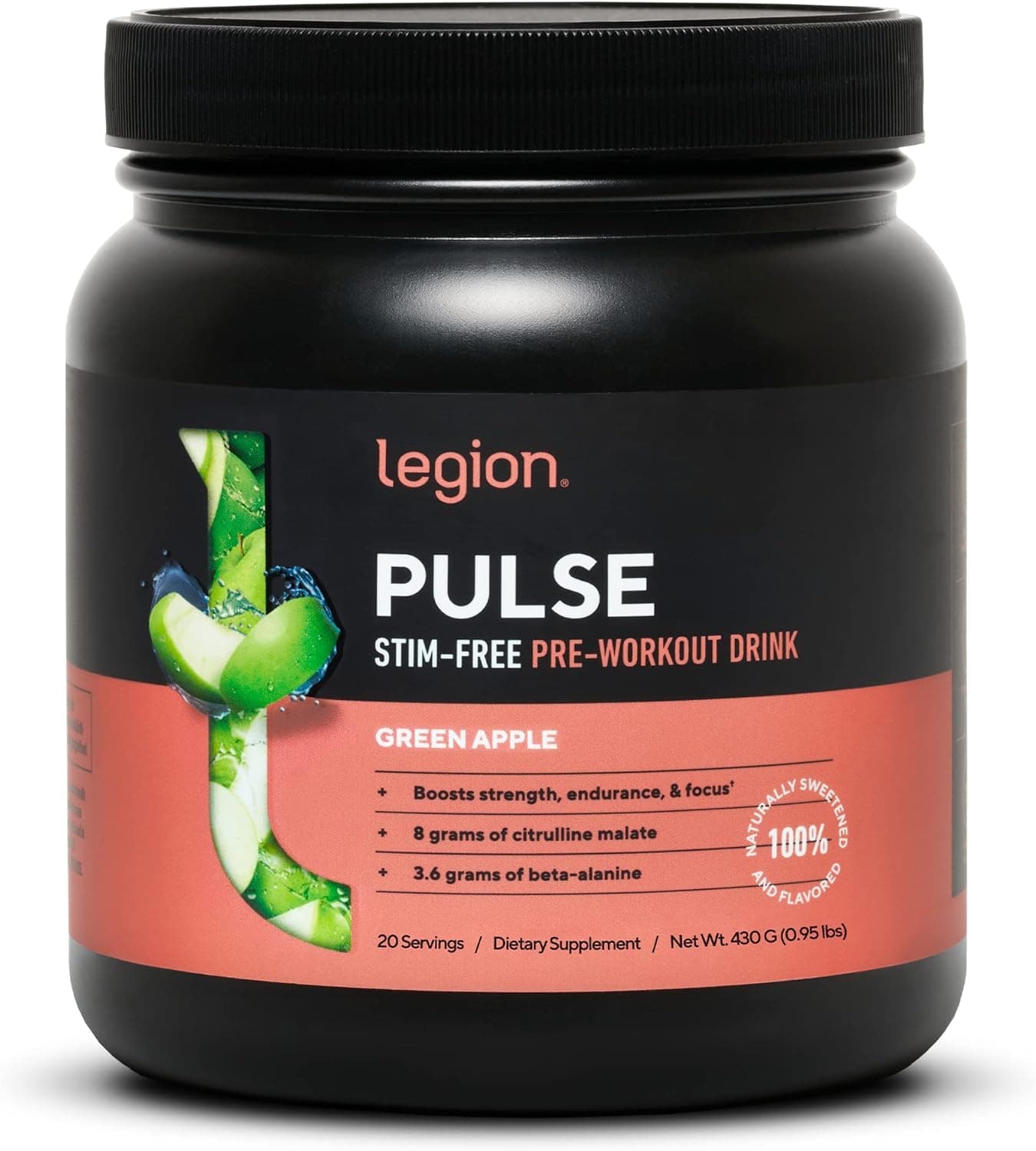 Verified by IngredientMD
The panel on the left is the one we evaluated, line by line.
All 9 actives checked against the clinical evidence: dose, form, and what the research actually shows.
Doses, ratios, and how the ingredients work together. That assessment is the verdict above: "Strong evidence, strong dose".
The verdict is public and identical whether or not a brand pays. A formula that does not clear the bar gets nothing.
Read by the engine against 2.1 million data points from clinical trials, PubMed and more than a hundred vetted sources. No individual reviewer is named or implied.
Cross-checked against 2,354 documented interactions for these actives.
Public health figures the engine matched to this formula's ingredients. Reported by their source, cited and dated, never written by the brand.
About 42% of Americans
take in less calcium than the estimated average requirement.
NHANESFewer than 1 in 10 Americans
take in enough choline to meet the adequate intake.
Peer-reviewed analysis24.2% of US adults
aged 18 and over met both the aerobic and muscle strengthening activity guidelines in 2020, in the National Health Interview Survey.
CDC National Center for Health Statistics, 202231% of US adults
said they were taking protein supplements such as powders, drinks, or bars, in a Pew Research Center survey fielded in July 2026.
Pew Research Center, 202621.1% of the US population
aged 15 and over took part in sports, exercise, or recreation on an average day in 2023, in the American Time Use Survey.
US Bureau of Labor Statistics, 202457.6%
During 2017 to 2018, 57.6% of US adults aged 20 and over reported using a dietary supplement in the past 30 days.
CDC National Center for Health Statistics41.3% of US men aged 18 to 34
met both the aerobic and muscle strengthening activity guidelines in 2020, the highest rate of any age and sex group, in the National Health Interview Survey.
CDC National Center for Health Statistics, 202237% of US adults aged 18 to 29
said they were taking protein supplements such as powders, drinks, or bars, roughly double the rate among adults aged 65 and over, in a Pew Research Center survey fielded in July 2026.
Pew Research Center, 202659 to 66 days
was the median time it took adults to make a new daily health habit automatic across the studies a 2024 review pooled, with individuals ranging from 4 to 335 days.
Systematic review and meta-analysis, 202461% to 74%
About 61 to 74 percent of adults refilling a long-term medicine on their own stopped within a year, versus 33 to 44 percent on one set pickup day.
Cohort study, 2015Systematic review and meta-analysis, 2021
Across 8 studies, taking 6 to 8 grams of citrulline malate 40 to 60 minutes before strength training raised repetitions completed before muscular failure by about 6.4 percent.
International Journal of Sport Nutrition and Exercise MetabolismMeta-analysis, 2018
Pooling ten trials each, caffeine produced a small increase in maximal muscle strength (SMD 0.20) and in muscle power measured by vertical jump (SMD 0.17) compared with placebo.
Journal of the International Society of Sports NutritionRandomised trial, 2026
In 38 active men, caffeine before a 10 km run or 40 km cycling improved completion time by 1.8 percent, though a gene difference in caffeine levels didn't affect performance.
European Journal of Sport ScienceSystematic review and meta-analysis, 2020
Combining individual data across trials, about 99 percent of people taking beta-alanine raised their muscle carnosine, though modelling suggests typical doses don't fully saturate muscle stores.
Frontiers in PhysiologyRandomised trial, 2024
Over 28 days, 15 healthy adults with moderate stress taking a branded L-theanine ingredient had perceived-stress scores fall 17.98%, alongside routine safety monitoring.
Neurology and TherapyRandomised trial, 2025
Over five days, 15 young women with menstrual discomfort drinking a chamomile and theanine beverage had self-reported pain ratings fall 57.17%, with mood and sleep ratings also changing.
Journal of Food and Drug AnalysisMeta-analysis, 2025
Pooling 8 trials in 176 middle-aged and older adults, l-citrulline improved how well blood vessels widen by about 1.8 percentage points, with no clear change in artery stiffness.
Frontiers in NutritionMeta-analysis, 2024
Pooling 17 trials in 317 healthy adults, at least 7 days of betaine raised maximal strength with a standardized effect of 0.47, most clearly in the lower body.
Journal of Sports SciencesMeta-analysis, 2026
Across 11 trials in 312 women, beta-alanine improved time to exhaustion, though several other performance measures were too imprecise to call, with very low certainty.
Front NutrSystematic review, 2019
Across 10 studies at matched doses, caffeine gave similar aerobic and fatigue benefits to men and women, while 4 of 7 studies found bigger strength and sprint gains in men.
NutrientsSystematic review, 2020
Across 9 trials, 200 to 400 mg a day of L-theanine may help lower stress and anxious feelings in people facing stressful situations.
Plant Foods for Human NutritionMeta-analysis, 2022
Across 21 trials at 3 to 9 mg per kg, caffeine lengthened time to exhaustion in running and shortened race completion time compared with placebo.
NutrientsSystematic review, 2021
Across 37 blinded crossover studies, caffeinated drinks improved several aspects of sports performance once the drink supplied at least 3 mg of caffeine per kg of body mass.
NutrientsRandomised trial, 2024
In 20 male volleyball players given 4.8 g of beta-alanine daily for 8 weeks of sprint training, vertical and horizontal jump gains were larger than with training alone.
Scientific ReportsRandomised trial, 2026
In 22 resistance-trained adults given 6.4 g of beta-alanine daily for 4 weeks, repetitions completed during drop-set and bi-set training increased, with no detected change in psychological responses.
Journal of Strength and Conditioning ResearchRandomised trial, 2015
Six days of 600 mg alpha-GPC increased lower-body peak force on an isometric mid-thigh pull versus placebo in college-aged men (about +99 N versus -39 N).
Journal of the International Society of Sports NutritionRandomised trial, 2017
Over seven days, alpha-GPC produced a group difference in countermovement jump peak power and velocity in healthy college-aged men, with the 250 mg dose showing the largest improvement.
Journal of the International Society of Sports NutritionRandomised trial, 2026
Compared combined beta-alanine plus sodium bicarbonate against each alone on physical capacity measures in trained participants. The design is what makes the comparison informative for stacking decisions.
International Journal of Sports Physiology and PerformanceMeta-analysis, 2025
In healthy adults, across trials, L-theanine with caffeine modestly improved accuracy on an attention-switching task, and L-theanine alone modestly sped up choice reaction time.
Nutrition ReviewsRandomised trial, 2018
Over 8 weeks of resistance training in untrained young women, betaine lowered fat mass by about 2.0 kg versus 0.8 kg on placebo, while strength gains were similar between groups.
Journal of the International Society of Sports NutritionRandomised trial, 2019
In a 4-week trial in 30 healthy adults, 200 mg a day of L-theanine improved sleep quality scores, with faster sleep onset and less disturbance.
NutrientsSystematic review and meta-analysis, 2019
Across 8 trials, L-citrulline lowered the top blood pressure number by about 4 points, with a drop in the bottom number only at doses of 6 grams a day or more.
Avicenna Journal of PhytomedicineMeta-analysis, 2025
Across 15 trials in middle-aged and older adults, l-citrulline or watermelon intake lowered blood pressure by about 4 points on the top number and about 2.5 points on the bottom number.
Clinical Nutrition ESPENSystematic review and meta-analysis, 2017
Across 40 placebo-controlled studies in 1,461 people, beta-alanine produced a small but significant overall gain in exercise outcomes (effect size 0.18), with the clearest benefit for high-intensity efforts lasting roughly 0.5 to 10 minutes.
British Journal of Sports MedicineSystematic review, 2010
In a Cochrane review of 13 randomized trials in shift workers, caffeine improved orientation and attention (SMD -0.55) and reduced the number of errors made during simulated night or shifted work versus placebo.
Cochrane Database of Systematic ReviewsSystematic review, 2026
The review of citrulline supplementation in postmenopausal women reports vascular measures as the most consistently affected domain, with muscular and metabolic findings less consistent across the included studies.
BMC Women's HealthMeta-analysis, 2021
Across randomized trials, betaine supplementation lowered plasma homocysteine by about 1.3 micromol/L, and at doses under 4 g a day it did so without the rise in total and LDL cholesterol seen at higher doses.
Critical Reviews in Food Science and NutritionMeta-analysis, 2025
Pooling the randomised trials, L-theanine was linked to small improvements in self-reported sleep quality, while objective sleep measures showed no detectable difference.
Meta-analysisRandomised trial, 2020
In a controlled dietary intervention in adults, changing sodium and potassium intake shifted how the body handled calcium and phosphate, indicating that sodium intake affects normal mineral balance.
The Journal of Clinical Endocrinology and MetabolismRandomised trial, 2026
Microencapsulated sodium butyrate was tested against abdominal symptom scores and carbohydrate metabolism markers in adults with high blood sugar. Again a butyrate trial in which sodium is the carrier salt.
Scientific ReportsSystematic review, 2026
A systematic review catalogued gastrointestinal symptoms reported across sodium bicarbonate dosing protocols and described how symptom burden varies with dose, timing and whether the dose is split or given with food.
European Journal of Sport ScienceMeta-analysis, 2025
Across 21 randomised trials, l-citrulline showed no overall effect on body weight, fat mass or fat-free mass, with reductions in fat mass only in exploratory subgroups over age 40 or above 6 g a day.
NutrientsCohort study, 2024
A genetic-instrument analysis of serum metabolites and a dermatological outcome that names glycerophosphocholine among the metabolites examined. This is an association between a circulating measure and an outcome, not evidence that supplementation changes anything.
Frontiers in ImmunologyRandomised trial, 2026
A randomised trial tested an algorithm-driven sodium supplementation protocol against usual care and measured growth in infants born preterm.
Pediatrics Open ScienceRandomised trial, 2026
Comparing four choline forms in preterm infants, the study measured blood choline levels only, a marker of delivery rather than a health outcome.
European Journal of NutritionRandomised trial, 2024
A single 630 mg dose of alpha-GPC improved attention and processing speed on the Stroop test in healthy resistance-trained men, with a score change of 13.0 versus 5.2 for placebo.
NutrientsRandomised trial, 2022
In 18 recreationally trained men, 14 days of 6 g a day betaine anhydrous did not change the number of one-leg press repetitions completed, though the post-exercise rise in the marker IGF-1 was greater than with placebo.
NutrientsRandomised trial, 2025
In a trial of 104 very preterm infants, oral sodium supplementation raised daily weight gain by 3.6 grams per kilogram compared with placebo.
BMJ Paediatrics OpenPopulation figures from public health data. Context for the category, not a statement about any individual and not a claim about this product.
Each line below was derived from this formula's own record at the time of verification. Nothing here was written by the brand, and nothing can be added that the evidence does not carry.
Where a trial measured an actual number, we show it next to the claim. It is the average across the trials, never a promise about one person.
A median improvement of about 2.85 percent in exercise measures.
Read at the source. The magnitude sits beside the same trial the claim already cites. It describes what the trials measured, never what any one person will feel.
Time-to-effect windows the engine read from the trial record. Each is a window a named study measured, cited and dated, never written by the brand.
A randomised cross-over trial in ten women of mean age 69 gave a single 500 mg dose of calcium as citrate fasting, citrate with a meal, fortified juice or a dairy product meal, with blood drawn before and at 1, 2, 4 and 6 hours. Serum ionised and total calcium increased significantly from baseline over six hours, with the rise similar after fortified juice, delayed when citrate was taken with a meal and smaller after the dairy meal. A separate double-blind cross-over trial in 25 postmenopausal women measured parathyroid hormone and a bone resorption marker 12 hours after a single calcium dose. Ten participants is a small sample, and what moved was blood chemistry, not a sensation.
In the excretion studies the EFSA reference opinion reviews, urinary output closely tracked dietary sodium once intake was held steady: 98% of dietary sodium appeared in 24-hour urine in a 3-day study, and 86% of sodium ingested over 4 weeks was recovered in 24-hour urine collected during the same period.
In the controlled metabolic study the EFSA reference opinion reviews, young men held at constant sodium intakes for 29 days per level showed rising average daily urinary aldosterone excretion as intake was stepped down from 4.9 g/day to 2.5 g/day.
In a randomised double-blind crossover trial in 19 recreationally active women, a single 8 g dose of citrulline malate taken 60 minutes before testing raised total work in a 5-repetition isokinetic leg extension protocol compared with placebo, with no difference in peak torque and no difference in the 50-repetition protocol. A separate crossover trial in 10 well-trained men using 12 g 60 minutes before high-intensity cycling found no change in time to exhaustion or power.
In the trial record, muscle carnosine rises about 59% over 4 weeks of daily beta-alanine, with further gains, about 80%, by 10 weeks.
In a randomised double-blind crossover trial in 12 resistance-trained men, 14 days of betaine at 1.25 g twice daily raised bench throw power and isometric bench press force compared with placebo, with no change in jump squat power or repetitions completed. A meta-analysis of 17 trials in 317 participants reported a modest pooled effect on maximal strength of 0.47 standardised mean difference for regimens of at least 7 days.
In a double-blind placebo-controlled crossover trial, 15 resistance-trained women took 4 mg per kg body mass of caffeine 60 minutes before a strength and power battery. Squat one-repetition maximum rose 4.5 percent and countermovement jump height 7.6 percent against placebo. A separate crossover trial in 11 active adults began its cycling tests 45 minutes after a 3 mg per kg capsule and recorded a peak-power increase of about 4 percent on the first day of ingestion.
One crossover trial mapped the day-to-day time course in 11 healthy active adults taking 3 mg per kg per day for 20 consecutive days. Peak cycling power in the incremental test stayed about 4.0 percent above placebo for the first 15 days and the difference then lessened. Wingate peak power was still raised on days 1, 4, 15 and 18 by about 4.9 percent. The authors describe the shrinking margin as progressive tolerance. This is one trial with 11 participants.
Two double-blind placebo-controlled crossover trials measured attention at a fixed interval after one oral dose. In 24 overnight sleep-deprived adults aged 20 to 25, a 200 mg dose tested 45 minutes post-dose reduced false alarms on a traffic-scene recognition task and raised target-distractor discriminability. In 27 healthy young adults tested 50 minutes post-dose, 400 mg shortened the parietal P3b event-related potential latency against placebo, with no significant change at 100 or 200 mg. Both trials measured task and electrophysiological markers, not a subjective feeling.
Windows measured in the cited trials. Context for how the active behaves over time, not a statement about any individual and not a claim about this product.
9 ingredients, from each one's own page.
No acute sensation. Parathyroid hormone responds within hours, while bone density shifts over a year or more of steady intake, so this reads on a panel and a scan.
Fast. Sodium shifts fluid within an hour or two, which is why an electrolyte drink lands quickly when you have been sweating.
Cramp steadiness and hydration can shift within a day or two of raising intake. The blood pressure side, within the normal range, reads out over four to six weeks.
Plasma arginine peaks around an hour after a dose, which is when the fuller feeling in working muscle turns up. Performance changes build across one to two weeks.
Before the extra buffering turns up in hard sets, and muscle carnosine keeps climbing for a couple of months after that.
Homocysteine shifts on a blood panel by around four weeks, and training changes gather over a couple of months.
Fifteen to forty five minutes for most people, peaking around the hour. How long it lasts depends on liver enzyme activity and varies several fold between people.
For most people, with blood levels peaking inside the first hour. Nothing accumulates, so each dose stands on its own.
Focus effects land within one to two hours of a dose. The power output work measured on that same acute timescale, so this is a same-day ingredient rather than a slow build.
How each ingredient usually behaves over time, from its own page on IngredientMD. General timing for the ingredient, not a measurement of this product.
What each form is, and where it fits in a formula. Measured findings carry the study that reported them.
L-citrulline combined with malic acid, sold most often as a 2:1 or 1:1 blend by weight of citrulline to malate. The malate is the salt of the same acid found in tart fruit.
In a randomized double-blind placebo-controlled crossover trial, 41 men took a single 8 g dose of citrulline malate before resistance training. Bench-press repetitions to fatigue rose across the later sets and reported muscle soreness at 24 and 48 hours was lower than placebo.
The free beta amino acid, freely water soluble, supplied as a crystalline powder
Trimethylglycine, the amino acid glycine carrying three methyl groups on its nitrogen, supplied as a dry zwitterion with no bound water and no counter-ion.
In a double-blind randomised controlled trial, 23 untrained young women who took 2.5 g/day betaine anhydrous during 8 weeks of resistance training showed a greater reduction in fat mass and body fat percentage than a placebo group.
Dry crystalline free base with no water of crystallisation, close to a hundred percent caffeine by weight
The single L-enantiomer as a free amino acid, the form found in tea leaf and the form used in essentially all human trials.
Descriptions of the form itself, read from the cited studies. Not a comparison between products and not a statement about any individual.
It is a powder, so the serving scales to the amount you want and mixes into something you already drink.
Where two of this brand's products carry actives the literature has read together, the pairing and its basis are below. The evidence word is the corpus row's own confidence, never a score.
Caffeine modestly raises the amount of calcium passed in urine and slightly lowers how much the gut takes up, so keeping calcium intake adequate helps hold normal calcium balance. The effect per serving is small and easily offset by sufficient intake.
Established mineral pharmacology. No combination trial has tested this exact pairing.
Put an earned verification on your own product page.
These statements have not been evaluated by the Food and Drug Administration. This product is not intended to diagnose, treat, cure, or prevent any disease. This record is not medical advice. Always consult your healthcare provider before starting any supplement regimen.