
IronNHANES 2007 to 2010
About 10% of US women of reproductive age
are iron deficient.
Peer-reviewed analysisCholine is the lead active here, studied most for choline status. 10 human studies on Choline back this formula, each one cited. Each serving carries 800 mcg of Folate, inside the range the published research used. Who it fits: made for women, adults.
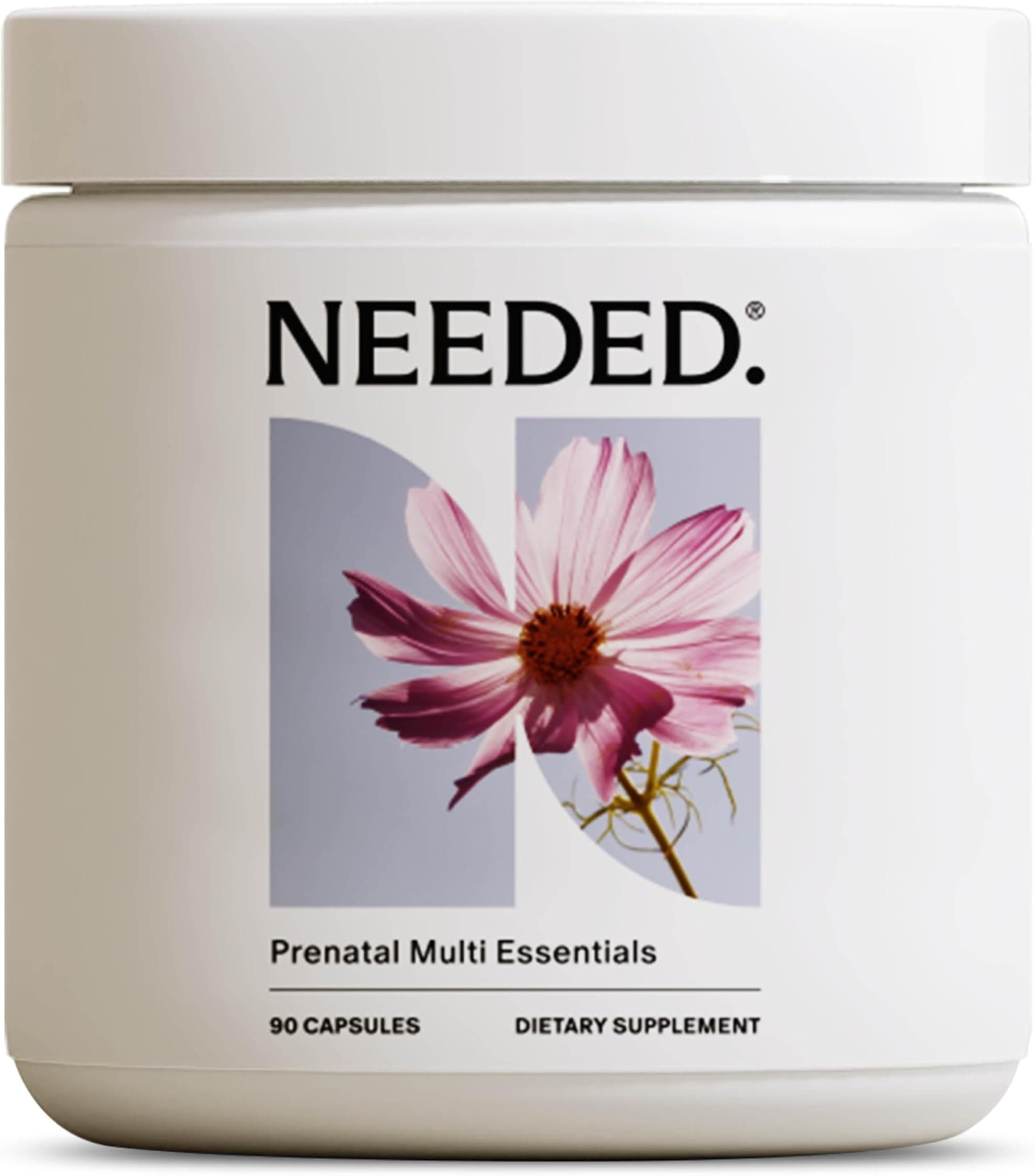 Verified by IngredientMD
The panel on the left is the one we evaluated, line by line.
All 10 actives checked against the clinical evidence: dose, form, and what the research actually shows.
Doses, ratios, and how the ingredients work together. That assessment is the verdict above: "Strong evidence, strong dose".
The verdict is public and identical whether or not a brand pays. A formula that does not clear the bar gets nothing.
Read by the engine against 2.1 million data points from clinical trials, PubMed and more than a hundred vetted sources. No individual reviewer is named or implied.
Cross-checked against 1,787 documented interactions for these actives.
Public health figures the engine matched to this formula's ingredients. Reported by their source, cited and dated, never written by the brand.
About 10% of US women of reproductive age
are iron deficient.
Peer-reviewed analysisFewer than 1 in 10 Americans
take in enough choline to meet the adequate intake.
Peer-reviewed analysisAbout 15% of US adults
take in less zinc than the estimated average requirement.
Peer-reviewed analysisAbout 8% of US women aged 19 and over
take in less vitamin B12 from food and drink than the estimated average requirement.
NHANESAbout 48% of Americans
take in less magnesium than recommended from food and drink.
NIH Office of Dietary SupplementsAbout 18% of US women aged 19 to 50
take in less folate from food and drink than the estimated average requirement.
NHANESAbout 20% of US women aged 19 to 30
take in less iron from food and drink than the estimated average requirement.
NHANESAbout 18% of US women aged 19 and over
take in less zinc from food and drink than the estimated average requirement.
NHANESMore than 1 in 3 US adults
regularly sleep less than the recommended seven hours a night.
Peer-reviewed analysisAbout 19% of US women aged 31 to 50
take in less iron from food and drink than the estimated average requirement.
NHANESAbout 54% of US women aged 19 to 30
take in less magnesium from food and drink than the estimated average requirement.
NHANESAbout 50% of US women aged 51 to 70
take in less magnesium from food and drink than the estimated average requirement.
NHANESAbout 51% of US women aged 19 and over
take in less magnesium from food and drink than the estimated average requirement.
NHANESUS pregnant women, median 129 micrograms per litre
Between 2005 and 2010, US pregnant women had a median urine iodine level of 129 micrograms per liter, below the range considered adequate in pregnancy.
Peer-reviewed analysisSystematic review, 2026
Across 22 studies, starting folic acid near conception linked most consistently to better later cognitive and language development in children, an association, not a cause, too varied to pool.
Frontiers in NeuroscienceMeta-analysis, 2025
Across 77 trials, zinc alone in healthy pregnancy raised blood zinc and was linked to better birth measures, though adding it to iron and folate added nothing extra.
Journal of Evidence-Based MedicineMeta-analysis, 2025
In children of pregnancies with heavy alcohol exposure, choline in pregnancy was linked to higher memory scores (moderate confidence), and after birth to better overall thinking (lower confidence).
Pediatrics and NeonatologyMeta-analysis, 2024
Across six trials in 739 women, zinc lowered menstrual discomfort scores, with bigger drops after eight weeks or more, even at doses as low as 7 mg daily.
NutrientsRandomised trial, 2007
In 818 adults aged 50 to 70 with raised homocysteine, 3 years of daily folic acid at 800 micrograms improved memory and information-processing speed scores compared with placebo.
The LancetCohort study, 2025
Habitual natto intake was associated with higher serum MK-7, greater osteocalcin carboxylation and higher measured bone density.
Frontiers in NutritionRandomised trial, 1997
In iodine-deficient adults, 0.2 mg of iodide daily reduced thyroid gland volume by about 38% over 12 months compared with placebo.
Journal of Clinical Endocrinology and MetabolismMeta-analysis, 2025
Across pooled trials, taking selenium was linked to lower thyroid antibody levels in the blood, though results varied across trials and forms of selenium.
MedicineRandomised trial, 2024
No coagulation activation was detected after MK-7 supplementation in the population studied.
J Ren NutrRandomised trial, 2025
Selenomethionine-enriched yeast was assessed in adults with underactive thyroid function, with the authors reporting changes in thyroid-related laboratory measures.
Archives of Razi InstituteMeta-analysis, 2016
Zinc acetate lozenges cut cold symptom length by about 2.7 days, versus a roughly seven day average, across three pooled trials.
British Journal of Clinical PharmacologySystematic review and meta-analysis, 2021
Across 22 trials in 41,633 people, folic acid supplements lowered the top blood pressure number by about 1.1 points and the bottom by about 0.2 points.
Critical Reviews in Food Science and NutritionSystematic review and meta-analysis, 2023
Across 21 trials in 2,025 adults, folic acid improved flow-mediated dilation, a measure of how well arteries widen, by about 2.6 percentage points.
Nutrition JournalSystematic review and meta-analysis, 2020
In pregnant women with mild to moderate iodine deficiency, iodine lowered a thyroid marker and curbed the usual pregnancy rise in thyroid size. Infant cognitive, language and motor scores showed no change across trials.
American Journal of Clinical NutritionMeta-analysis, 2026
Across 11 trials in 992 women of reproductive age, vitamin D produced no detectable change in a blood hormone marker of ovarian reserve.
Frontiers in EndocrinologyMeta-analysis, 2023
200 micrograms of iodine a day raised iodine levels and shifted thyroid hormones in pregnancy across 11 studies.
Journal of Trace Elements in Medicine and BiologyMeta-analysis, 2026
In pregnant women with low iodine status, iodine was linked to lower TSH and thyroglobulin in the blood, both markers rather than health outcomes.
Frontiers in Public HealthMeta-analysis, 2026
A review of vitamin D supplementation and semen quality measures in men found effects on sperm markers, not proven reproductive outcomes.
PeerJRandomised trial, 2026
Two oral B12 doses were compared for nerve-related outcomes, but the report only describes the difference between them, not which dose is better.
The Journal of nutritionSystematic review, 2025
Across 16 studies in 6,098 people, vitamin B12 raised blood B12 levels by about 403 pg/mL, with oral or under-the-tongue doses working about as well as injections.
Frontiers in pharmacologyMeta-analysis, 2021
Across trials in older adults, vitamin D alone showed no detectable change in fall risk, while vitamin D with calcium was linked to fewer falls, mainly in those starting with low vitamin D levels.
Clinical NutritionMeta-analysis, 2012
In head to head randomised trials, vitamin D3 raised blood 25-hydroxyvitamin D more than vitamin D2, with the gap clearest after a single large dose and less apparent with daily dosing.
The American Journal of Clinical NutritionSystematic review, 2026
A Cochrane review found vitamin B12 supplementation improves vitamin B12 status, while effects on blood counts were less certain.
The Cochrane database of systematic reviewsMeta-analysis, 2023
Across 17 randomised trials, at least 4 weeks of ferrous bisglycinate raised haemoglobin in pregnant women more than other iron supplements (standardised mean difference 0.54) and was linked to fewer reported stomach and gut complaints (incidence rate ratio 0.36), while no difference was detected in children.
Nutrition ReviewsRandomised trial, 2018
In a small pilot randomised comparison in children with low iron stores, iron bisglycinate chelate raised haemoglobin and ferritin at a lower elemental iron dose than iron polymaltose, with the pilot too small to establish that the two are equivalent.
Current pediatric reviewsControlled trial, 2017
A controlled trial in women found improved aerobic exercise performance with a combination of three mineral chelates, including chelated iron, plus two conditionally essential nutrients, tested as a combination rather than iron alone.
Journal of the International Society of Sports NutritionAbout 23 percent lower plasma homocysteine at 0.8 mg daily, with 0.2 mg and 0.4 mg reaching roughly 60 and 90 percent of that
Lowers homocysteine, a blood marker tied to heart risk. Measured in adults, standardised to a pretreatment homocysteine of 12 micromol per litre (95% CI 21 to 26 percent).
Meta-analysisRandomised trial, 2026
Selenium-enriched yeast, whose main selenium species is selenomethionine, shifted gut microbial and mucosal measures.
Journal of Animal ScienceMeta-analysis, 2025
Pooled trials of MK-7 supplementation examined body measurements, blood sugar indices and blood lipids, with effects that were small and inconsistent across studies.
Prostaglandins Other Lipid MediatRandomised trial, 2024
Adults taking methylfolate, pyridoxal-5'-phosphate and methylcobalamin together lowered circulating homocysteine compared with placebo.
NutrientsRandomised trial, 2026
Reported that effects of MK-7 supplementation on body composition and adiposity markers differed between men and women.
NutrientsSystematic review, 2025
A review summarizes reported immune-related changes when B12 levels are restored in adults with impaired absorption, noting the evidence base is small and doesn't test this specific form on its own.
Oxidative medicine and cellular longevityRandomised trial, 2019
In a trial, selenomethionine changed thyroid antibody levels in the blood over time, though the researchers called the clinical relevance limited.
Journal of Clinical Pharmacy and TherapeuticsRandomised trial, 2025
In a head to head absorption comparison, a glycoprotein matrix bound iron produced a larger rise in serum iron than ferrous bisglycinate chelate or ferrous fumarate.
CureusRandomised trial, 2018
Infants whose mothers took 930 mg of choline daily in the third trimester had significantly faster reaction times on processing tasks over the first year than the lower-dose group.
FASEB JournalRandomised trial, 2022
In a seven-year follow-up, children whose mothers took 930 mg of choline daily in the third trimester scored higher on a sustained-attention task than the lower-dose group.
FASEB JournalMeta-analysis, 2011
Across 36 studies in children under five, zinc modestly increased height growth, adding roughly 0.37 cm at about 10 mg a day for 24 weeks.
BMC Public HealthSystematic review, 2026
A Cochrane review of eight trials in children and adolescents found iodine supplements gave a slight rise in cognitive test scores over placebo, a standardised difference of 0.19 in one trial of 166 participants.
The Cochrane database of systematic reviewsCohort study, 2026
Described longitudinal height growth patterns in children receiving menaquinone-7 supplementation.
NutrientsSystematic review, 2025
Across eight studies, about 40 to 50 mg per kg daily of oral choline kept blood choline in preterm infants near cord blood level, while IV dosing remains unsettled.
Revista Paulista de PediatriaSystematic review and meta-analysis, 2016
In children older than six months, zinc may shorten a bout of diarrhea by about half a day across nine trials, on low certainty evidence.
Cochrane Database of Systematic ReviewsRandomised trial, 2022
In young children, iron chelate absorption from oat cereal was about 7.4%, similar to iron salt, lower than other cereals.
The Journal of NutritionMeta-analysis, 2026
Pooling trials in adult men, vitamin D supplementation showed no consistent change in total testosterone or androgen availability markers.
NutrientsRandomised trial, 2005
Two weeks of choline taken as phosphatidylcholine (about 2.6 g choline a day) lowered fasting plasma homocysteine by 18 percent, roughly 3.0 micromol/L, versus placebo in healthy men with mildly raised levels.
American Journal of Clinical NutritionPopulation figures from public health data. Context for the category, not a statement about any individual and not a claim about this product.
Each line below was derived from this formula's own record at the time of verification. Nothing here was written by the brand, and nothing can be added that the evidence does not carry.
One pairing in this formula has been studied as a combination in human trials. Each finding below is what a named study measured, cited and dated, never written by the brand.
In a meta-analysis of eight randomized trials, vitamin K2 taken together with vitamin D raised total bone mineral density and lowered undercarboxylated osteocalcin, a marker of vitamin K status.
Research strength. Research strength says how much work stands behind the combination. It is never a product score.
Fail closed. Where actives were studied on their own rather than together, each shows on its own evidence, never a combined effect no trial measured.
Independent record. Every finding is cited to a named trial, dated, and never written by the brand.
Findings from trials that studied these actives as a combination. Context for how the actives were tested together, not a statement about any individual and not a claim about this product.
Time-to-effect windows the engine read from the trial record. Each is a window a named study measured, cited and dated, never written by the brand.
A systematic review and Bayesian meta-analysis drew on 108 articles from 14,002 screened records and modelled blood folate against folic acid intake using one-compartment pharmacokinetic models. Red blood cell folate rose 1.78 fold from baseline to steady state at 375 to 570 ug folic acid per day, and reaching that steady state took a median of 36 weeks, 95% credible interval 27 to 52 weeks. Serum or plasma folate rose 11.6% for every 100 ug per day of folic acid intake, 95% credible interval 8.4 to 14.9.
A kinetic study in six healthy men aged 22 to 31 gave 3.6 umol per day, 1.6 mg, of deuterium-labelled folic acid for four weeks, with folate tracked in serum, erythrocytes and urine by microbiological assay and gas chromatography mass spectrometry. Serum folate reached its maximum concentration in about 18 days, while isotopic labelling of erythrocyte folate kept rising across the whole four weeks. After supplementation stopped, red blood cell folate and urinary folate excretion declined linearly, and serum folate fell with a slow-phase half-life of 18.7 days. One study, six men, no control group.
A randomised crossover study in 54 nonanemic young women with plasma ferritin at or below 20 ug/L gave labelled iron sulfate as single fasting morning doses of 40, 60, 80, 160 and 240 mg. Twenty four hours after doses of 60 mg or more, serum hepcidin was raised and fractional iron absorption from the following dose was 35% to 45% lower. Across the dose range a sixfold rise in dose, 40 to 240 mg, produced a threefold rise in iron absorbed, 6.7 to 18.1 mg. Total iron absorbed from three doses inside 24 hours was not significantly greater than from two morning doses. The measure was iron absorption and serum hepcidin, not a symptom.
In a controlled feeding study, lactating women randomised to 480 or 930 mg choline per day for 10 to 12 weeks showed that the higher intake increased breast milk choline content by raising output of endogenously synthesised choline metabolites.
In the trial record, blood vitamin D rises for about 3 months of daily vitamin D3 and then holds at a plateau, near 69 nmol/L at 1,000 IU a day, from a starting level near 41 nmol/L.
A double-blind randomised dose-finding trial gave 60 postmenopausal women aged 50 to 69 either 0, 50, 100 or 200 micrograms of menaquinone-7 daily for four weeks on a controlled diet. The ratio of carboxylated to undercarboxylated osteocalcin rose dose dependently, with significant differences from the 0 microgram group at 100 and 200 micrograms. A companion 12-week trial in 120 people aged 20 to 69 confirmed the change at 100 micrograms daily. Both studies were run by authors affiliated with the R and D division of J-Oil Mills. An independent 8-week double-blind trial in 55 healthy prepubertal children found the same direction at 45 micrograms daily. What was measured is a blood marker of vitamin K status, not bone density and not a sensation.
A double-blind randomised trial gave 244 healthy postmenopausal women either placebo or 180 micrograms of menaquinone-7 daily for three years, with bone mineral density measured by DXA at baseline and after each year. Menaquinone-7 decreased the age-related decline in bone mineral content and bone mineral density at the lumbar spine and femoral neck, but not at the total hip. The effect is a slowed decline rather than a gain, and the trial ran three years rather than weeks.
Across three randomised placebo-controlled trials pooled as individual patient data (199 adults with naturally acquired colds, 80 to 92 mg of elemental zinc a day as acetate lozenges), 70 percent of the zinc group had recovered by day 5 against 27 percent on placebo, and colds ran 2.73 days shorter against a 7 day average duration. A separate meta-analysis of seven lozenge trials (575 participants, doses above 75 mg a day, zinc acetate or zinc gluconate) measured cold duration 33 percent shorter, with no significant difference between the two salts.
In a controlled feeding study in nine healthy men, six weeks of restricted zinc intake raised DNA strand breaks in peripheral blood cells, and four weeks of repletion at 11 mg a day, with 20 mg of supplemental zinc for the first seven days, reversed the rise. In a separate randomised placebo-controlled trial in 40 Ethiopian women eating a high-phytate diet, 20 mg a day of zinc sulfate for 17 days lowered mean comet tail moment from 39.7 to 30.0 while plasma zinc did not change significantly. Both windows were measured on a DNA damage marker in blood cells, not on a symptom.
Windows measured in the cited trials. Context for how the active behaves over time, not a statement about any individual and not a claim about this product.
10 ingredients, from each one's own page.
Red cell folate climbs over roughly four to eight weeks. It's a blood panel change rather than a sensation.
Before haemoglobin and ferritin start shifting on a blood panel, and everyday stamina tends to follow the markers rather than lead them.
Nothing sharp. Membrane and neurotransmitter pools refill over weeks, and choline status shows up in a blood reading well before it shows up in how you think.
Blood 25-hydroxyvitamin D climbs over six to twelve weeks on a steady daily dose. It is a panel change first, and anything subjective trails behind it.
Blood levels move within days. Carboxylation of the vitamin K dependent proteins shifts over roughly four to twelve weeks, and that shows on a lab panel rather than in how you feel.
Absorption takes hours, but the hormone pool it feeds turns over slowly, so the change reads on a urinary iodine measure and a thyroid panel first.
Blood zinc moves within days. The parts you would notice, skin behaviour and immune resilience, take four to twelve weeks of steady daily intake.
Serum B12 rises within days of daily use. Methylmalonic acid, the marker of supply inside cells, settles across four to twelve weeks, and anything noticeable follows that.
Many people notice an easier wind-down within the first few nights. Magnesium status itself takes about four weeks and shows up on a red cell reading.
Selenoprotein activity climbs gradually and shows up on a plasma selenium or glutathione peroxidase reading rather than in how you feel.
How each ingredient usually behaves over time, from its own page on IngredientMD. General timing for the ingredient, not a measurement of this product.
What each form is, and where it fits in a formula. Measured findings carry the study that reported them.
Iron chelated to two molecules of the amino acid glycine, rather than carried as a simple salt.
The potassium salt of hydroiodic acid, a white crystalline solid that is roughly three-quarters iodide by weight and dissolves readily in water.
Zinc chelated to two glycine molecules through a nitrogen and an oxygen bond, the smallest amino acid available for chelation, giving a low molecular weight chelate of about 26 percent zinc by weight. It is a neutral-tasting dry powder with mild solubility and is stable across the pH range a capsule or tablet passes through.
In a six-week placebo-controlled pilot intervention in young adult women (10 per arm, 30 in total) at 60 mg zinc daily, a dose above the 40 mg tolerable upper intake level for adults, plasma zinc, described by the authors as the traditional assessment of zinc status, increased in all subjects given zinc glycinate, while no significant change was seen overall for zinc gluconate or placebo. Erythrocyte superoxide dismutase activity, used in that study as a marker of zinc-induced copper deficiency, was unchanged in all three groups over the six weeks. A 2024 narrative review of the chemical forms of zinc, written by authors employed by a supplement manufacturer, states that little information is available comparing the absorption and bioavailability of the different chemical forms. No stable-isotope absorption study in humans has measured this form.
Cobalamin carrying a methyl group on the cobalt centre, the same species used directly by methionine synthase.
Magnesium chelated to two molecules of the amino acid glycine, rather than carried as a mineral salt.
Descriptions of the form itself, read from the cited studies. Not a comparison between products and not a statement about any individual.
It is a capsule, so the amount per serving is fixed and travels without measuring.
Because the effect builds and holds only with continued daily use, a steady recurring supply is the practical way to keep it going.
Put an earned verification on your own product page.
These statements have not been evaluated by the Food and Drug Administration. This product is not intended to diagnose, treat, cure, or prevent any disease. This record is not medical advice. Always consult your healthcare provider before starting any supplement regimen.