Honey.
Nature's sweetener that doubles as a throat soother and mild antimicrobial in cough and immune supplements. Soothes sore throats, suppresses coughs, and provides antimicrobial activity through hydrogen peroxide and enzymes
Reviewed March 2026
- Category
- General
- Also filed under
- Clinically proven cough suppressantAntimicrobial propertiesWound healing supportNatural sweetener
What Honey is, and what it does.
- Does it work
- For throat and cough products, absolutely. As a supplement sweetener, it's just sugar.
- How much to take
- 1-2 teaspoons (2.5-10 mL) for cough relief. That's about 7-28 grams.
- Time to feel it
- The coating on the throat is immediate, within a minute or two of swallowing, and the soothing lasts about as long as that film stays put, often half an hour.
- The first dose
- Throat coating and cough relief within 30 minutes.
- With regular use
- Continued use during illness keeps symptoms manageable. Not a long-term supplement.
- How well tolerated
- Well tolerated in adults and children over 1 year. NEVER give to babies under 12 months (botulism risk).
- How it feels
- Warm, soothing, sweet. Your throat feels coated and calm. Coughing decreases noticeably.
- The overlooked benefit
- It carries small amounts of non-digestible oligosaccharides that slip past the small intestine and become fermentable material for colonic bacteria. Plain sugar syrup does not.
2.5 to 10ml a day is where Honey works.
Source: Goldman (2014) CMAJ; Oduwole et al. (2018) Cochrane Review
The proof, claim by claim.
These words describe the research, not the molecule's worth. Research strength is how much work stands behind one claim, and it is never a product score.
Honey has emerging evidence, with 10 cited human studies on this page.
- Effective cough suppressant in children and adultsOduwole et al. (2018) Cochrane Review
- Antimicrobial against wound infectionsMultiple wound care trials with Medihoney
- Outperforms OTC cough medicineGoldman (2014) CMAJ; Paul et al. (2007) Arch Pediatr
Questions people ask about Honey.
- Is Manuka honey really better?
- For antimicrobial purposes, yes. Manuka has methylglyoxal that other honeys don't. For cough relief, regular raw honey works just as well.
- Why can't babies have honey?
- Their gut bacteria can't yet handle Clostridium botulinum spores that honey sometimes contains. After age 1, the gut is mature enough to deal with them.
- Does cooking honey destroy the benefits?
- Heating above 140F kills the enzymes that produce hydrogen peroxide. For therapeutic use, don't cook it. Warm tea is fine.
- How does honey compare to cough syrup?
- Multiple studies show it works as well or better than dextromethorphan (the active ingredient in most cough syrups) for nighttime cough.
- Is honey just sugar?
- It IS mostly sugar (about 80%), but it also contains enzymes, hydrogen peroxide, flavonoids, and trace minerals that sugar doesn't have.
- Can diabetics use honey for cough?
- In small therapeutic doses (1-2 teaspoons), the blood sugar impact is manageable. But check with your doctor first.
Why these belong in the same formula. Each row says what the basis is, from settled biochemistry through to a trial that measured the pair.
Honey's very low water activity and high sugar content make it a stable carrier for the resinous flavonoids in propolis, which are otherwise sticky and hard to dose. The pairing predates modern formulation by centuries.
Royal jelly is a perishable protein and fatty acid rich material, and blending it into honey lowers water activity around it, which is the traditional way it has been kept and dosed.
Pollen granules are dry and hard to swallow on their own, and honey suspends them evenly while keeping moisture low enough that the blend stays stable.
Both work by physically coating the throat lining, honey through its viscosity and marshmallow root through its mucilage polysaccharides. Layered together they hold a soothing film in place longer than either does alone.
Slippery elm mucilage swells into a gel and honey adds viscosity and sweetness that keeps the preparation in contact with the mucosa. Traditional lozenges combine them for exactly this reason.
Honey dissolves and carries the pungent gingerols while its sweetness offsets their sharp bite, which is why warm honey and ginger preparations are made this way rather than with water alone.
Honey carries small amounts of oligosaccharides that pass undigested to the colon and are fermented preferentially by bifidobacteria. The sugar matrix also protects some strains during storage by holding water activity low.
Honey is mostly glucose and fructose, and glucose crossing the enterocyte on SGLT1 carries sodium and water with it. That coupling is the reason sugar and salt appear together in oral rehydration formulas rather than separately. The relationship is about fluid uptake, not about honey acting on anything. Very concentrated sugar raises osmolality and slows gastric emptying, so dilution matters in practice.
Used as the carbohydrate in a mixed mineral drink, honey supplies the glucose that drives sodium-linked water absorption. Potassium, magnesium and calcium in such a blend are absorbed by their own routes and are untouched by that coupling. This is a formulation relationship, not a claim about honey as an active ingredient.
Honey carries small amounts of non-digestible oligosaccharides that reach the colon intact, which is the same general behaviour as inulin. Fermentation of either yields short-chain fatty acids and lowers luminal pH. A randomised trial in preterm infants used medically graded honey specifically as a prebiotic and reported shifts in stool bacterial counts, which is a microbiological marker rather than a clinical outcome.
The fructo-oligosaccharide fraction of honey is chemically similar to supplemental FOS, so the two feed overlapping bacterial populations. Combining them raises total fermentable load, which is why gas and bloating are the usual dose-limiting complaint. Nothing here says the combination outperforms either alone.
GOS and honey oligosaccharides are fermented by different but overlapping genera, so a blend broadens the substrate range reaching the colon. The pairing is used in infant and adult prebiotic formulation work. Evidence for the specific combination is thin and mostly comes from in vitro fermentation models.
Bifidobacteria carry the transporters and glycoside hydrolases to use honey oligosaccharides as a carbon source. In a randomised trial of medically graded honey given to preterm infants, stool bifidobacteria counts were the measured endpoint, a microbiological marker and not a health outcome. Pairing a live strain with a substrate it can ferment is the standard synbiotic logic.
B. lactis ferments a range of oligosaccharides, including the fructo-oligosaccharides present in small amounts in honey. The combination is a synbiotic design choice rather than a tested clinical pairing. Substrate availability is only one of several things that determines whether a strain persists.
Creatine transport into muscle by CreaT is stimulated by insulin, which is why creatine is commonly taken with a carbohydrate source. Honey is a simple, rapidly absorbed carbohydrate and serves that role. The effect belongs to the carbohydrate, not to any property unique to honey.
Carbohydrate restores muscle glycogen and protein supplies amino acids for repair, and the two are routinely taken together after training. Honey works as the carbohydrate half of that pair. Neither component changes the other's absorption in any meaningful way.
Carbohydrate and caffeine are combined in endurance fuelling because they act through separate routes, substrate supply and adenosine receptor blockade. Honey can serve as the carbohydrate in that pairing. The combination is a practice rather than a tested honey-specific finding.
Honey and cinnamon are one of the older kitchen and folk pairings, usually in warm drinks. Both carry polyphenols, and honey supplies the sweetness and viscosity that make a powder palatable. No controlled work supports a specific combined effect.
Curcumin powder is difficult to disperse and honey is a long-standing carrier for it in paste preparations. Honey is sugar and water, so it does not dissolve curcumin the way a lipid or an emulsifier does. The pairing is about palatability and tradition, not measured absorption.
Thyme extract and honey appear together in traditional syrups, where honey provides viscosity that coats the throat and masks a bitter botanical. The demulcent effect comes from the sugar concentration itself. Combination trials are sparse.
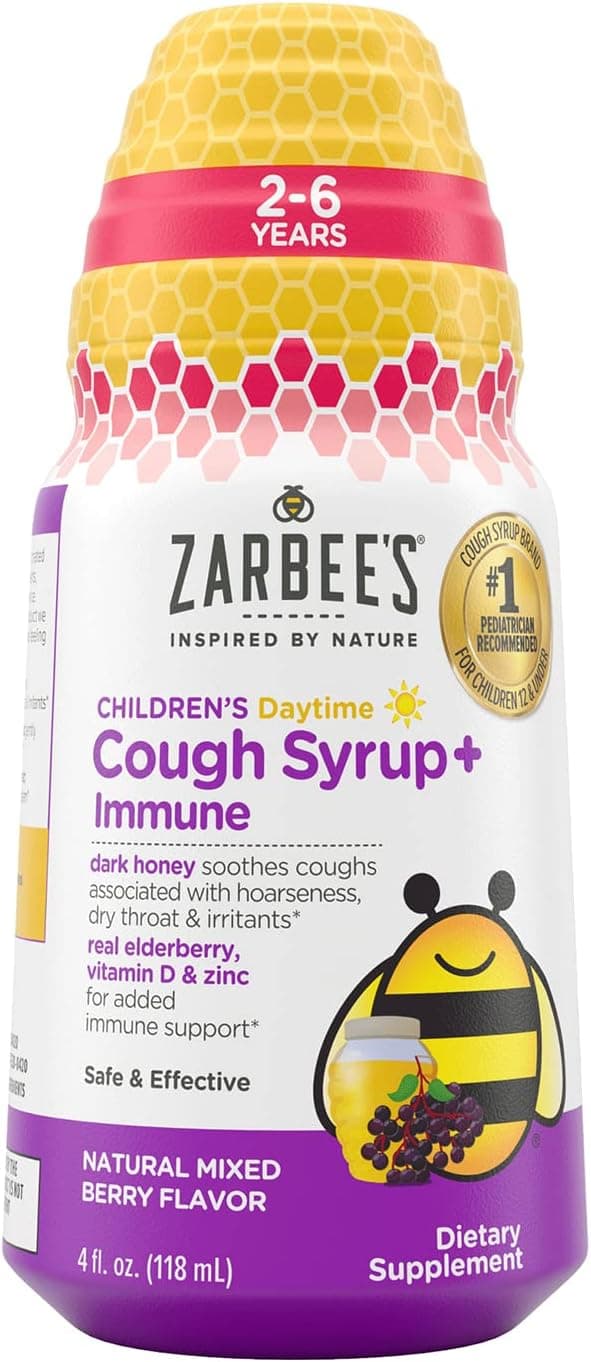
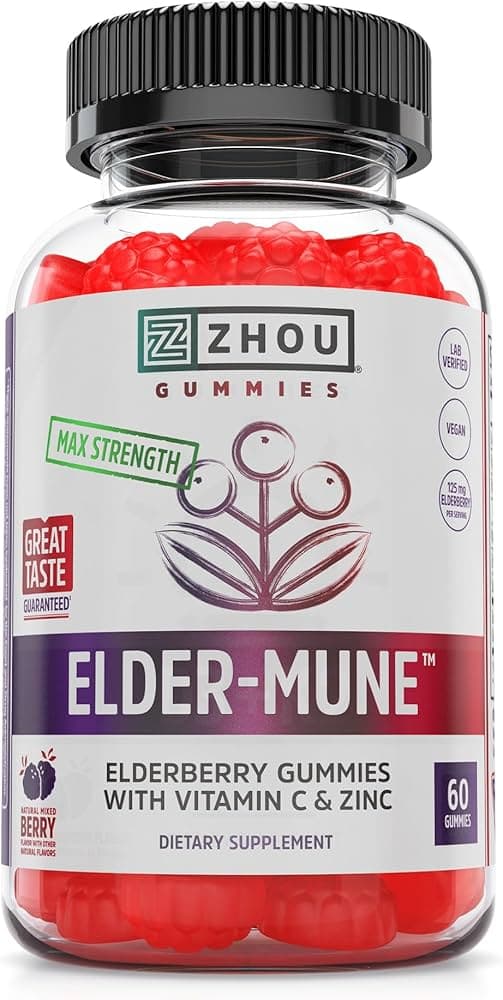
Elderberry syrups are commonly sweetened and preserved with honey, which supplies both palatability and a low water activity that limits microbial growth in the finished syrup. That preservation effect is a property of concentrated sugar. Nothing here speaks to a combined physiological effect.
Both honey and licorice are used for their coating, soothing texture in throat preparations. Licorice brings glycyrrhizin, which has its own considerations at higher intakes including sodium and potassium handling. The pairing is traditional and should be described as such.
Chamomile infusion sweetened with honey is a long-standing evening preparation. Honey contributes carbohydrate and mouthfeel and nothing sedating of its own. Any calm attributed to the drink belongs to the ritual and to chamomile's apigenin content.
Lemon balm tea with honey is a traditional preparation where honey softens a grassy, slightly bitter infusion. The relationship is culinary. No combination study is available.
Menthol gives a cooling sensation and honey gives a coating one, which is why the two show up together in lozenges. The sensations are separate and additive in perception. This is formulation practice rather than measured physiology.
Honey contains small quantities of flavonoids and phenolic acids, with the profile varying widely by floral source. Those compounds donate electrons in laboratory antioxidant assays, which is a chemical measurement and not a body outcome. Supplemental quercetin supplies far more of that class than honey does at ordinary intakes.
Honey with lemon is the familiar version of this pairing, where the citrus supplies ascorbate and the honey the sweetness and viscosity. Ascorbate is heat sensitive, so a very hot drink degrades some of it. The pairing is culinary rather than pharmacological.
Zinc salts taste metallic and astringent, and honey is one of the carriers used to make a lozenge palatable. Honey does not change zinc dissociation in the mouth in any documented way. Consider it a taste and texture pairing.
Pectin thickens and gels, honey is already viscous, and together they build the texture of a syrup or pastille. Both coat mucosal surfaces mechanically. The property is physical, and no metabolic interaction is implied.
Non-heme iron absorption depends on keeping the mineral soluble in the upper gut, and sugars plus organic acids can help slightly. Honey supplies both fructose and gluconic acid. The effect is small next to ascorbate and has not been isolated for honey specifically.
Talk to a doctor before taking Honey if any of these apply to you: High sugar content, Not safe for children under 1 year (botulism risk), Allergic reactions possible. These are flags to check first, not effects Honey is known to cause.
Not medical advice. Show the label to your pharmacist.What Honey actually does.
Honey is mostly fructose and glucose already in their simplest form, so no digestion is needed. Each sugar rides its own transporter straight into the body.
Bees add their own enzymes: one splits nectar sucrose into glucose and fructose, another turns glucose into gluconic acid and hydrogen peroxide once the honey gets diluted.
Honey is so packed with sugar that microbes can't find free water to grow in, which is why a jar keeps at room temperature without spoiling.
That gluconic acid keeps honey on the acidic side, roughly the same range as fruit preserves.
Where Honey comes from.
Bees turn flower nectar into honey inside the hive by adding their own enzymes and drying it out. The beekeeper spins it out of the comb and strains it. Whether it is then heated and filtered is what separates raw honey from the clear jar on a supermarket shelf.
The same molecule is reached more than one way. Which route a given product used is a manufacturing choice, and the finished compound is the same either way.
Foraging bees collect nectar from flowers, or in some honeys the sugary exudate left on foliage by sap-feeding insects. Floral source sets colour, flavour and the flavonoid profile.
Invertase from the bee's hypopharyngeal glands hydrolyses sucrose into glucose and fructose, and glucose oxidase is added at the same time. Both enzymes stay in the finished honey unless heat removes them.
Bees deposit the nectar in cells and fan it, evaporating water until the sugar concentration is high enough to be stable, then cap the cell with wax.
Wax cappings are cut away and the frames are spun so honey leaves the comb by centrifugal force. Pressed and comb honey skip the spinning step.
Coarse straining removes wax and bee parts. Warming and fine or pressure filtration are optional steps that produce a clearer, slower-crystallising product and reduce the pollen and enzyme fraction.
Moisture is checked by refractometer, pollen analysis or isotope testing can confirm floral and geographic origin, and some monofloral honeys are graded on a measured marker such as methylglyoxal.
Filled into jars, tubes, squeeze bottles or single-serve sachets, or spray-dried onto a carrier for powder and capsule use. Medical-grade material is gamma-irradiated and packed sterile.
Getting Honey from food.
The whole-food sources on file. A supplement closes the gap, it does not replace dinner.
A gram-for-gram figure (how much of each you would eat to match a dose) will appear here once it is sourced and reviewed. This page will not print a number it cannot cite.
The forms it comes in.
The essence, in one line each.
- Reviewing the human trials of honey taken around exercise, the authors reported it can serve as a carbohydrate source for fuelling and recovery, with study sizes small and protocols varied.Systematic review. Hills et al., 2019 (Nutrients). PMID 31336992 ↗
- An overview of pooled trials mapped how honey intake relates to blood sugar and blood lipid measures across different daily amounts.Meta-analysis. Norouzzadeh et al., 2025 (Nutrition & diabetes). PMID 41261111 ↗
- Daily honey-sweetened yogurt was compared with control in adults for effects on low-grade inflammation markers and gut microbial metabolites.Randomised trial. Chen et al., 2026 (Nutrients). PMID 41683344 ↗
- A honey powder supplement combining carbohydrate and protein did not show an improvement in endurance performance compared with control, which is a failure to detect a difference rather than evidence of none.Randomised trial. Toniazzo et al., 2025 (International journal of sport nutrition and exercise metabolism). PMID 40812383 ↗
- Medically graded honey added to formula was studied as a prebiotic, with stool bacterial counts as the measured endpoint.Randomised trial. Aly et al., 2017 (Journal of Pediatric Gastroenterology and Nutrition). PMID 28379925 ↗
- Honey supplementation was assessed against circulating inflammatory markers, which are laboratory measures and not clinical outcomes.Randomised trial. Ghazali et al., 2017 (BMC Complementary and Alternative Medicine). PMID 28351393 ↗
- Honey supplementation was examined for its effect on muscle-related inflammatory markers after a period of intensive physical training.Randomised trial. Karami et al., 2025 (Health Science Reports). PMID 39957976 ↗
- Aerobic dance with honey supplementation was tracked against bone turnover markers, including after both were stopped. Markers are not the same as bone structure.Randomised trial. Tavafzadeh et al., 2023 (Malaysian Journal of Medical Sciences). PMID 37425377 ↗
- Three months of honey supplementation was followed with heart rate variability and baroreflex sensitivity as the measured autonomic markers.Open-label trial. Sirisha et al., 2025 (Cureus). PMID 40842738 ↗
- Three months of honey supplementation was assessed with quality-of-life questionnaires and nerve-related symptom scores as reported endpoints.Open-label trial. Sirisha et al., 2021 (Alternative Therapies in Health and Medicine). PMID 33789248 ↗
- Tualang honey was tested against pain behaviour and thalamic oxidative stress markers after sleep deprivation in an animal model.Animal study. Anis Syahirah et al., 2022 (Malaysian Journal of Medical Sciences). PMID 35528807 ↗
- A review that gathers preclinical and early clinical reports on stingless bee honey and cognitive measures, describing the evidence as preliminary.Narrative review. Ja'afar et al., 2024 (Malaysian Journal of Medical Sciences). PMID 38984252 ↗
- A review of nutritional and supplemental interventions used in paediatric supportive care that names honey among the agents covered.Narrative review. Horhat et al., 2025 (Nutrients). PMID 41305573 ↗
These are the studies our verdict leans on, chosen from the 5,914 we read for Honey. The full linked list is below.
The studies, linked.
9 sources behind our Honey verdict: peer-reviewed studies and registered clinical trials. Every one links straight to PubMed, the journal, or ClinicalTrials.gov. Read them yourself.
- Clinical trialHoney and a Mixture of Honey, Beeswax and Olive Oil-propolis Extract in Treatment of Chemotherapy-induced Oral Mucositis: a Randomized Controlled Pilot StudyClinicalTrials.gov ↗90 participants, Completed
- Clinical trialEffects of Honey and Propolis on Head and Neck Cancer Patients With Oral Mucositis: a Randomized Controlled TrialClinicalTrials.gov ↗75 participants, Completed
- Clinical trialEffectiveness of Thyme Honey in Management of Xerostomia in Geriatric Patients With ESRD: Longitudinal Prospective Clinical Biochemical StudyClinicalTrials.gov ↗40 participants, Completed
- Clinical trialBeneficial Effects of Specific Natural Products on Management of Xerostomia: A Randomized Controlled Clinical TrialClinicalTrials.gov ↗28 participants, Completed
- Clinical trialMetabolic Effects of Honey in Type 1 Diabetes Mellitus: a Cross Over Randomised Controlled Pilot StudyClinicalTrials.gov ↗Phase 2, 20 participants, Completed
- Clinical trialDetermination of the Glycemic Index and Glycemic Load of Six Greek Honey GradesClinicalTrials.gov ↗11 participants, Completed
- Clinical trialThe Efficacy of Natural Honey in Patients Infected With Novel Coronavirus (COVID-19) : A Randomized, Controlled ,Single Masked , Investigator Initiated, Multi-center TrialClinicalTrials.gov ↗Phase 3, 1,000 participants, Unknown
- Clinical trialWound Dressing Patch with Kelulut Honey-Infused Alginate (Tri-Gnate Alginate) for Effective Wound Care ManagementClinicalTrials.gov ↗Early phase 1, 110 participants, Not yet recruiting
- Clinical trialProtein Quality of Fava Bean Meat Analogue and Honey Chlorella Ingested as Mixed Meals in Healthy VolunteersClinicalTrials.gov ↗16 participants, Recruiting
Evidence surfaced via Semantic Scholar (Allen Institute for AI) and ClinicalTrials.gov. Ranked by study type and citation weight, not cherry-picked.
Problems people have reported.
Read this carefully. These are 23,130 voluntary, unverified reactions reported to the FDA (openFDA). The number mostly reflects how popular Honey is, not how risky it is. A report is not proof Honey caused anything. It is a signal of what to watch for, nothing more.
Source: openFDA adverse-event reports. Voluntary reporting, not an incidence rate.
FDA Disclaimer: These statements have not been evaluated by the Food and Drug Administration. This information is for educational purposes only and is not intended to diagnose, treat, cure, or prevent any disease. Consult your healthcare provider before starting any supplement regimen.