Selenate, Sodium.
Research-backed compound with potential health benefits. Supports thyroid function, acts as an antioxidant, and helps your immune system. It's essential for making key enzymes your body relies on.
Reviewed March 2026
- Category
- Compound
What Selenate, Sodium is, and what it does.
- Does it work
- Maybe. Only if you're confirmed deficient or live in a selenium-poor region. Most people in the US get enough from their diet. Brazil nuts are a better first step.
- How much to take
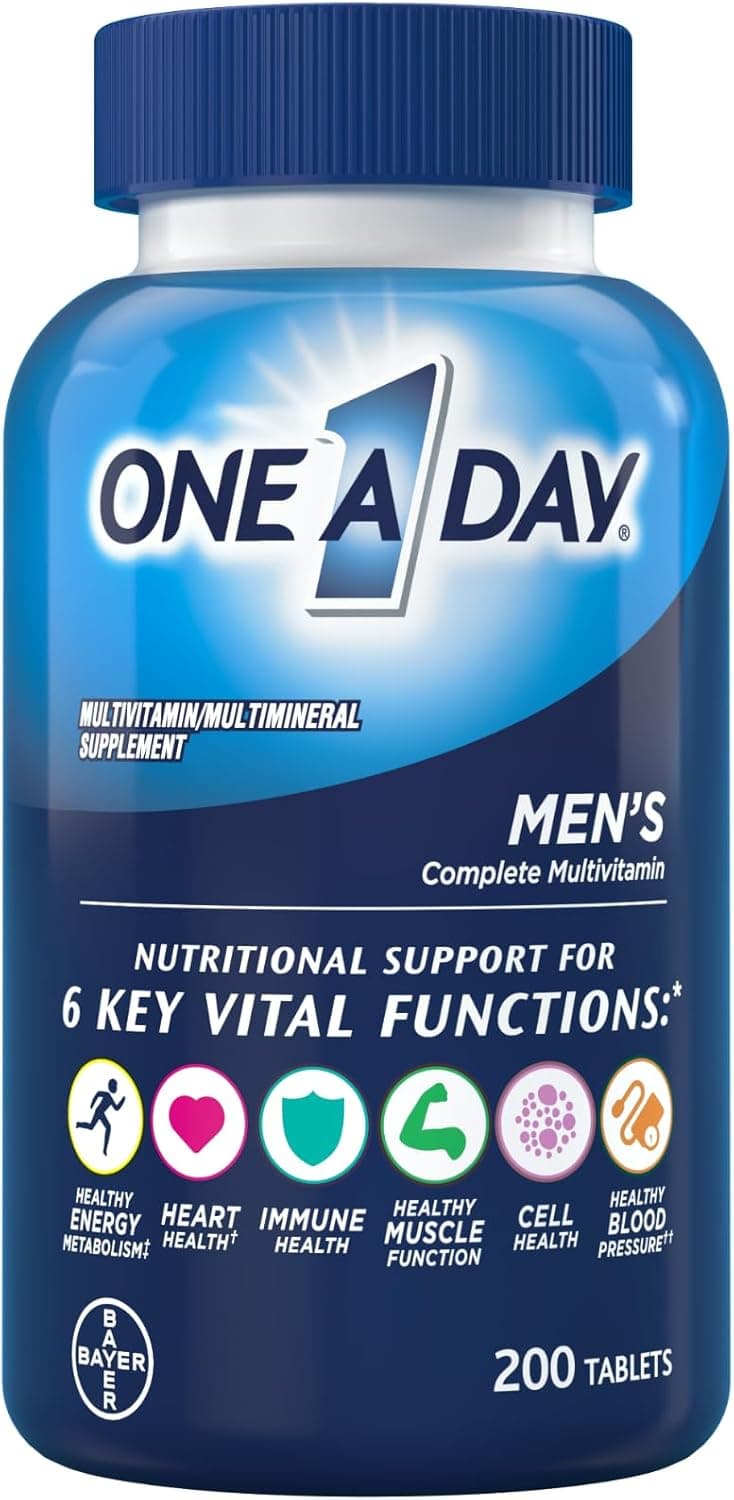
- 55 micrograms (mcg) daily is the RDA. Do not exceed 400 mcg from all sources. Check your multivitamin – it's probably already in there.
- Time to feel it
- Nothing to time by feel. Plasma selenium and glutathione peroxidase activity climb over roughly two to four weeks of daily intake, then settle at a plateau.
- The first dose
- Nothing. This is not a stimulant. It's a trace mineral that supports long-term function.
- With regular use
- If you were deficient, you might notice better thyroid function or general well-being over months. Otherwise, no noticeable change.
- How well tolerated
- Be careful here. The safe upper limit is 400 mcg/day for adults. Too much causes selenosis (hair loss, nail issues, nerve damage). This isn't one to eyeball.
- How it feels
- You don't feel it. It works quietly in the background to keep your cellular machinery running smoothly.
- The overlooked benefit
- Selenate rides sulfate transporters, so uptake isn't turned down when your stores are already full. Intake tracks straight through, which is why the daily band matters here.
50 to 100mcg a day is where Selenate, Sodium works.
Source: IOM Dietary Reference Intakes for Selenium, 2000; Rayman, Lancet, 2012
The proof, claim by claim.
These words describe the research, not the molecule's worth. Research strength is how much work stands behind one claim, and it is never a product score.
Selenate, Sodium is documented in the library. The clinical read is in the queue. Nothing about the strength of the research prints until the read is done.
- Selenium status markersRandomised trial
- Glutathione peroxidase activityRandomised trial
- Normal thyroid hormone conversionNarrative review
- Antioxidant defenceRandomised trial
Questions people ask about Selenate, Sodium.
- Do I actually need to supplement with selenium?
- Probably not. Most diets in North America provide enough. Get a blood test if you're concerned about thyroid issues.
- Can I just eat Brazil nuts instead?
- Yes. One or two Brazil nuts can cover your daily needs. But their selenium content varies wildly, so don't eat a handful every day.
- What are the signs of taking too much?
- Garlic breath, a metallic taste in your mouth, hair loss, brittle nails, and fatigue. Stop taking it and call your doctor if you notice these.
- Is sodium selenate the same as selenium?
- It's a form of selenium. Think of it as the delivery vehicle for the mineral. Your body uses the selenium part.
- Is this safe to take with my thyroid medication?
- Talk to your doctor. Selenium is crucial for thyroid health, but you need professional guidance if you're already on medication.
Why these belong in the same formula. Each row says what the basis is, from settled biochemistry through to a trial that measured the pair.
The deiodinase enzymes that convert T4 to T3 are selenoproteins, and iodine is the element built into the hormone itself. Normal thyroid hormone metabolism needs both, and correcting one without the other leaves the pathway unbalanced.
Kelp supplies iodine for hormone synthesis while selenium supplies the selenocysteine in deiodinase and in the glutathione peroxidase that handles peroxide generated during iodination. The two elements are usually formulated together for that reason.
Each peroxide reduced by glutathione peroxidase oxidises two molecules of glutathione. Selenium supplies the selenocysteine in that enzyme and glutathione supplies the reducing equivalents it spends.
Alpha-tocopherol stops lipid radical chains inside membranes while selenium-dependent glutathione peroxidase removes the peroxides that form. The classic sparing relationship means a shortfall in one raises the requirement for the other.
Selenate is a close chemical analogue of sulfate and moves on sulfate transport systems in the gut and kidney. A large sulfate load competes for that carrier and lowers selenate uptake and retention.
Selenate feeds the regulated selenide pool used to build selenoproteins, while selenomethionine is also incorporated non-specifically into body protein in place of methionine. The two forms produce different retention patterns rather than substituting for one another.
Methylselenocysteine is cleaved to methylselenol, whereas selenate is reduced to selenide before it can be used. Both converge on the same downstream selenium pool by different routes, so their doses are additive.
Glutathione reductase is an FAD enzyme that regenerates reduced glutathione after glutathione peroxidase spends it. Riboflavin status therefore sets how fast the selenoenzyme can turn over.
Thioredoxin reductase is a selenoprotein and is one of the enzymes that reduces lipoic acid to dihydrolipoic acid. Selenium status affects how readily that regeneration happens.
Selenium-dependent thioredoxin reductase contributes to reducing ubiquinone back to ubiquinol. Low selenium status leaves less of the coenzyme in its active reduced form.
Zinc is needed for the receptor and signalling side of thyroid hormone action while selenium drives the deiodinase conversion step. Formulas aimed at normal thyroid function usually carry both.
Selenate, sulfate and molybdate are structurally similar tetrahedral oxyanions and are handled by overlapping anion transport systems. A high load of one can reduce the uptake of another across those carriers. The competition is well described in plants and in ruminant nutrition. The quantitative picture in people taking supplement-level doses is not established here.
Cysteine is both the rate-limiting precursor for glutathione and the amino acid scaffold onto which selenium is placed when selenocysteine is made on its transfer RNA. The reduction of selenate and the assembly of selenocysteine both depend on cysteine supply. This is settled biochemistry, not a combination trial finding.
Pyridoxal 5-phosphate is the cofactor for cystathionine beta-synthase and cystathionine gamma-lyase, the transsulfuration enzymes that generate cysteine from methionine, and for selenocysteine lyase, which recycles selenium out of selenocysteine. Both sides of selenium handling therefore lean on B6 status. The relationship is enzymatic and established.
Selenium above what the selenoproteins need is disposed of by successive methylation to methylselenol, dimethylselenide exhaled in breath and trimethylselenonium excreted in urine. Those methyl groups come from S-adenosylmethionine, which folate and B12 regenerate. Methyl donor status therefore shapes how quickly a selenium load clears.
Methionine synthase needs B12 to move a methyl group from folate back onto homocysteine and regenerate methionine, and from there S-adenosylmethionine. That pool supplies the methyl groups used to methylate and excrete surplus selenium. The link is a shared dependence on one-carbon metabolism rather than a direct chemical interaction.
S-adenosylmethionine is the direct methyl donor for the selenium methyltransferase steps that convert selenide toward excretable forms. Supplying it addresses the same pathway that folate and B12 support upstream. Read this as a shared pathway rather than as evidence that the pairing changes selenium status in people.
Betaine donates a methyl group to homocysteine through betaine-homocysteine methyltransferase, an alternative to the folate route for regenerating methionine. That feeds the same S-adenosylmethionine pool that selenium methylation draws on. It is a parallel supply line to the same chemistry.
Selenomethionine is handled by the body as if it were methionine and is deposited non-specifically into general body protein, which is why organic selenium raises tissue stores. Selenate does not enter that pool. It goes only down the reduction route toward selenoprotein synthesis or excretion. Methionine intake therefore changes what happens to selenomethionine, not to selenate.
Ascorbate reduces inorganic selenium species, and with selenite in solution the reaction can go as far as elemental selenium, which precipitates and is poorly absorbed. The effect is documented most clearly for selenite rather than selenate, since selenate is the more oxidised and more stable of the two. Where a formula puts high-dose vitamin C in the same liquid as an inorganic selenium salt, that chemistry is worth checking rather than assuming.
Isothiocyanates and selenium compounds are both metabolised through thiol conjugation and methylation, and they draw on overlapping glutathione and methyl donor pools. Whether that overlap matters at supplement doses has not been measured here. The row is mechanistic and should be read that way.
Garlic supplies organosulfur compounds that are handled by the same methylation and thiol pathways selenium uses, and selenium-enriched garlic is a distinct raw material studied on its own terms. Ordinary garlic and a separate selenium salt are not that material. No combination measurement is cited here.
Nothing specific on file for Selenate, Sodium. Match the label to the daily amount above, and tell your doctor what you take.
Not medical advice. Show the label to your pharmacist.What Selenate, Sodium actually does.
Sodium selenate delivers selenium in its most oxidized common inorganic form, as a water-soluble ion.
Because selenate looks structurally similar to sulfate, the body absorbs it mostly intact using sulfate transport pathways, and how much gets absorbed isn't regulated by how much selenium you already have on board.
Before the body can use it, selenate gets converted step by step down to a more reactive form, and that process uses up glutathione and other sulfur-containing molecules.
An enzyme then converts that reactive selenium form plus cellular energy into a donor molecule used to build a special selenium-containing amino acid on its own carrier RNA.
Where Selenate, Sodium comes from.
Selenium is collected as a by-product of refining copper, then run through a few chemical steps to end up as a water-soluble sodium salt. Since a daily dose is measured in millionths of a gram, the salt is mixed into a carrier powder first. Getting that mix even is the hard part of making the finished product.
Chemically synthesised. The molecule is identical to the one a plant or an animal makes, and building it deliberately means a known purity, a fixed dose and no crop contaminants. For several nutrients this is the only route that reaches a usable amount.
Most commercial selenium is a by-product of electrolytic copper refining, recovered from anode slimes. It is not mined as a primary ore
Crude selenium is roasted or oxidised to selenium dioxide, the common intermediate for all downstream selenium chemistry
The dioxide dissolves in water as selenious acid and is neutralised with sodium hydroxide to selenite, then oxidised to the plus six selenate state. This oxidation step is what distinguishes selenate from selenite production
The salt is crystallised from solution and washed. Whether the anhydrous or decahydrate form results depends on the drying conditions
Selenium content is assigned by elemental analysis, then the salt is diluted into a carrier premix because the per-dose amount is in micrograms
The premix is blended into a finished tablet, capsule, food fortificant or feed
Getting Selenate, Sodium from food.
The whole-food sources on file. A supplement closes the gap, it does not replace dinner.
A gram-for-gram figure (how much of each you would eat to match a dose) will appear here once it is sourced and reviewed. This page will not print a number it cannot cite.
The forms it comes in.
The essence, in one line each.
- Pooled randomised trials found selenium supplementation lowered thyroid peroxidase antibody levels in adults with raised antibodies, with unclear effects on thyroid hormone levels.Meta-analysis. Huwiler et al., 2024 (Thyroid). PMID 38243784 ↗
- Brazil nut butter and a selenium supplement both raised selenium status markers in vegans and omnivores.Randomised trial. Simon et al., 2025 (European journal of nutrition). PMID 39891729 ↗
- Pooled trials reported small reductions in insulin resistance markers with selenium supplementation in adults carrying cardiometabolic risk factors.Meta-analysis. Ouyang et al., 2022 (Nutrients). PMID 36432623 ↗
- Sulfate transporter gene family expression in tomato responded to selenium exposure, consistent with selenate entering cells on the sulfate carrier system rather than a dedicated selenium transporter.In vitro study. Yi et al., 2026 (BMC Plant Biology). PMID 41992115 ↗
These are the studies our verdict leans on, chosen from the 2,207 we read for Selenate, Sodium. The full linked list is below.
FDA Disclaimer: These statements have not been evaluated by the Food and Drug Administration. This information is for educational purposes only and is not intended to diagnose, treat, cure, or prevent any disease. Consult your healthcare provider before starting any supplement regimen.