Stevia Leaf.
A natural zero-calorie sweetener that may also have mild blood sugar and blood pressure benefits. At supplement flavoring doses: adds sweetness without calories. At therapeutic doses (750mg+): may modestly lower blood pressure and improve blood sugar control.
Reviewed March 2026
- Category
- Herb
- Also filed under
- Natural sweetenerZero caloriesMild blood sugar supportBlood pressure support
What Stevia Leaf is, and what it does.
- Does it work
- As a sweetener in supplements, it's a smart choice over sugar. As a therapeutic ingredient, the evidence is real but you'd need way more than what most supplements provide.
- How much to take
- As sweetener: 5-50mg (what most supplements contain). For blood pressure: 750-1500mg of stevioside daily. For blood sugar: 250-1000mg. Most people never reach therapeutic doses from supplements.
- Time to feel it
- Sweetness lands the moment it hits your tongue. The marker changes reported in trials came after weeks of daily gram-level intake and read on a measurement.
- The first dose
- Nothing beyond the sweet taste. Therapeutic blood pressure effects aren't measurable after a single dose at normal supplement levels.
- With regular use
- At therapeutic doses over 8-12 weeks, Chan et al. 2000 showed significant blood pressure reductions. At flavoring doses in supplements? Just a pleasant taste.
- How well tolerated
- Well tolerated. FDA GRAS status since 2008. No credible evidence of harm at normal doses. Historical concerns about fertility effects in rats were at massive doses and haven't been replicated.
- How it feels
- Sweet taste, possibly with a slightly bitter or licorice-like aftertaste depending on the extract purity. No physiological sensations at flavoring doses.
- The overlooked benefit
- It survives baking and pasteurisation, and because colonic bacteria do the sugar-cleaving rather than your small intestine, it contributes no digestible energy.
750 to 1,500mg a day is where Stevia Leaf works.
Source: Chan et al. 2000 blood pressure trial; Gregersen et al. 2004 glucose trial
The proof, claim by claim.
These words describe the research, not the molecule's worth. Research strength is how much work stands behind one claim, and it is never a product score.
- Well tolerated zero-calorie sweetener
- Lowers blood pressure
- Improves blood sugar control
Questions people ask about Stevia Leaf.
- Is stevia safe long-term?
- Yes. It's been consumed in Japan since the 1970s and in South America for centuries. Modern safety studies are extensive and reassuring at normal doses.
- Why does some stevia taste bitter?
- Different steviol glycosides have different taste profiles. Reb A tastes cleanest. Stevioside (the original extract) has more bitterness. Higher purity products taste better.
- Does stevia affect my gut bacteria?
- Some in vitro studies suggest it might alter gut bacteria composition, but the evidence is mixed and the clinical significance is unclear. At sweetener doses, any effect would be minimal.
- Is it really in my supplement for health benefits?
- Almost certainly not. It's there as a sweetener to make the supplement taste better. The health benefits require doses 10-50 times higher than what's used for flavoring.
- Does stevia spike insulin?
- No. Multiple studies confirm stevia doesn't raise insulin or blood sugar. That's the whole point. Some research suggests it may actually help insulin sensitivity at therapeutic doses.
Why these belong in the same formula. Each row says what the basis is, from settled biochemistry through to a trial that measured the pair.
Whole stevia leaf brings steviol glycosides alongside plant bitters, giving a sweetness that arrives late and lingers. Mogrosides from monk fruit contribute early sweetness and round the profile, so the two are routinely combined rather than used alone.
Stevia leaf sweetens at a very low inclusion rate and adds no bulk to a blend. Inulin supplies the volume and mouthfeel a sugar-free powder otherwise lacks, which is why it appears next to stevia in most dry formats.
Gymnemic acids occupy the T1R2 and T1R3 sweet receptor that steviol glycosides activate, so sweetness perception drops when the two are taken close together. The competition is at the receptor, not in metabolism.
Glycyrrhizin is itself a sweet triterpene glycoside with a slower onset and longer finish than steviol glycosides. Blending the two smooths the sweetness profile, which is long-standing flavour practice.
Glycine has an intrinsically sweet taste and is used to cover the bitter tail some people notice from stevia leaf. The interaction is at the taste receptor.
Carob's roasted flavour notes and natural sugars mask the licorice-like aftertaste of stevia leaf. It is a formulation pairing rather than a physiological one.
Because stevia leaf sweetens at very low weight, it contributes none of the bulk or viscosity that sugar gave the product. Guar gum is added to rebuild that mouthfeel.
Sodium reduces perceived bitterness and lifts sweetness at the receptor level, which is why a trace of salt is used to clean up a stevia aftertaste.
PHGG adds soluble fibre and a little body to a drink mix without the thickness of intact guar gum. It fills the volume a removed sugar left while the stevia leaf carries the sweetness.
Steviol glycosides are hundreds of times sweeter than sucrose by weight, so a recipe calling for a cup of sugar needs a bulking agent to replace the missing volume and mouthfeel. Erythritol provides that bulk with minimal energy contribution and its cooling effect partly offsets the lingering aftertaste some people perceive from stevia. The pairing is a physical and sensory one rather than a metabolic one.
Xylitol contributes sugar-like bulk and browning behaviour that steviol glycosides cannot provide alone. Its cooling sensation and slower sweetness onset shape the combined profile. Xylitol also carries a dose-dependent laxative threshold and is dangerous to dogs, which is a real household consideration for a blended product.
Steviol glycosides are not absorbed intact in the small intestine. Colonic bacteria hydrolyse the glucose units off to release steviol, which is then absorbed, conjugated in the liver and excreted. The composition of that microbial community is therefore part of how the compound is handled, which is settled pharmacology rather than a synergy claim about a benefit.
Chicory inulin adds body and a mild sweetness to products where stevia carries the intensity, and it is fermented in the colon rather than digested. That fermentation is the same compartment where steviol glycosides are broken down. Dose-dependent gas is the trade-off with any fermentable bulking fibre.
FOS provides mild sweetness and physical bulk in a low-sugar formulation while stevia does the sweetening work. Both end up in the colon rather than being absorbed in the small intestine. Tolerance sets the practical ceiling on how much FOS a formula can carry.
GOS contributes bulk and a low sweetness without contributing much digestible energy. It sits alongside stevia in the same formulation slot as other fermentable fibres. No combination study is cited for the pair.
Glucomannan builds viscosity at very low inclusion rates, which restores the mouthfeel a sugar-free beverage loses. Stevia handles sweetness while glucomannan handles body. High viscosity can also mute perceived sweetness, so the two have to be balanced rather than simply stacked.
Sugar does structural work in jams and gels that a high-intensity sweetener cannot replicate. Low-methoxyl pectin sets without high sugar, which is why it appears in stevia-sweetened preserves. This is a texture pairing with no metabolic component.
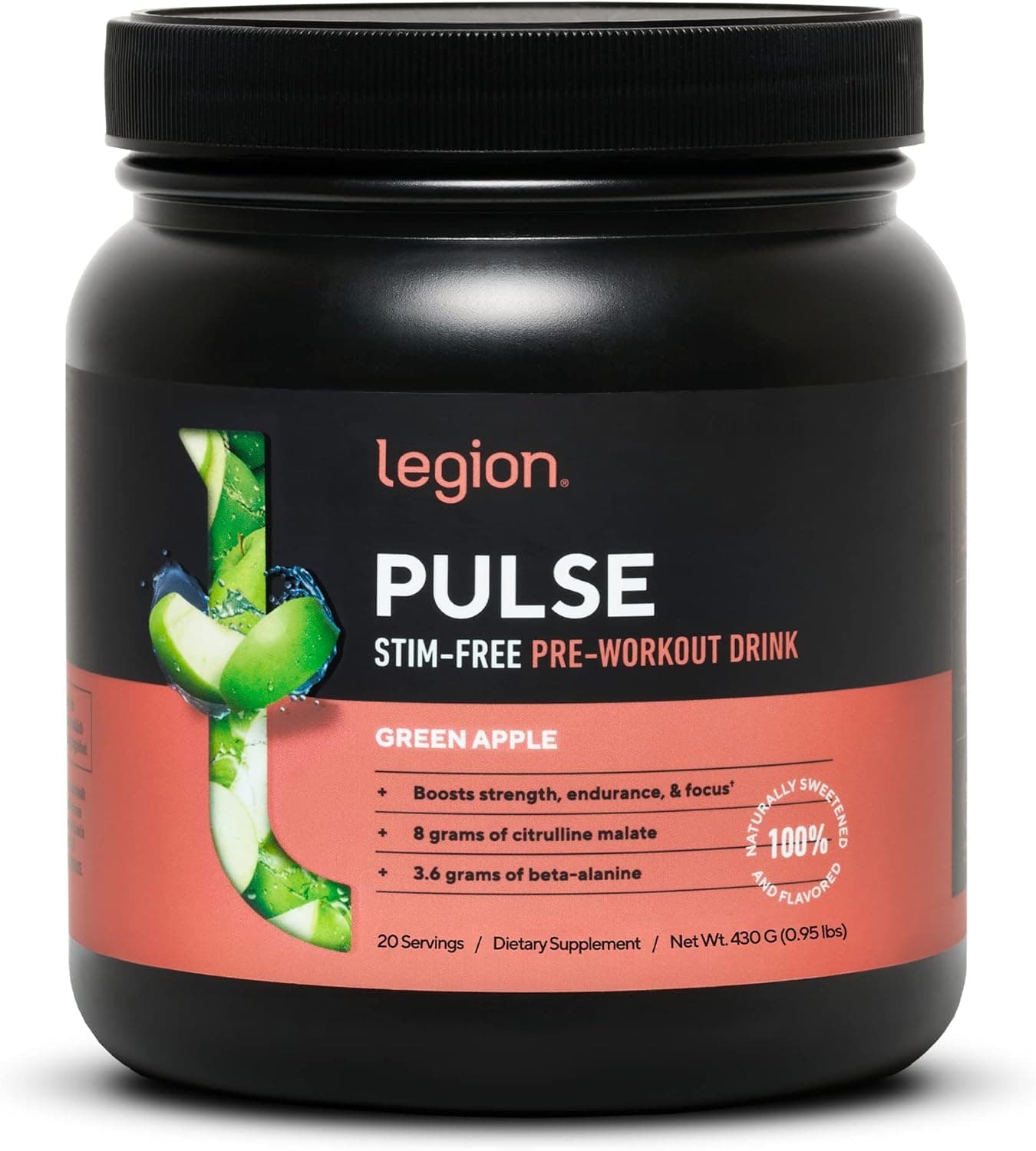
Protein powders carry a bitter and astringent base note that needs masking, and steviol glycosides are the most common sugar-free tool for that job. The interaction runs both ways: protein binds some flavour compounds and shifts how the sweetness reads. Formulators tune the ratio by tasting, not by calculation.
Catechin-rich extracts are bitter and astringent, and stevia is routinely used to make them drinkable. Stevia has its own lingering note that can compound rather than cancel bitterness at high inclusion, so the ratio matters. This is sensory formulation, not a biological interaction.
Caffeine is bitter and stevia is the common sugar-free counterweight in that category. The two coexist in a formulation without a known chemical interaction. Nothing about the pairing changes how either is absorbed.
Psyllium drinks are unpleasant unsweetened and thicken quickly, and stevia is one of the few sweeteners that works at the tiny inclusion rate a fibre powder allows. The gel that psyllium forms also slows how quickly the sweetness is perceived. Practical formulation, no metabolic claim.
Cinnamon supplies a warm aromatic note that reads as sweetness to most people, so it lets a formula use less stevia and avoid the lingering aftertaste. The pairing is culinary in origin. Any metabolic overlap between the two is separate from this and not established by a combination study.
Chromium is discussed in relation to normal insulin signalling and stevia is chosen for these formulas because it contributes no digestible carbohydrate. Those are different arguments and neither depends on the other. The pairing is a formulation choice, not a demonstrated combined effect.
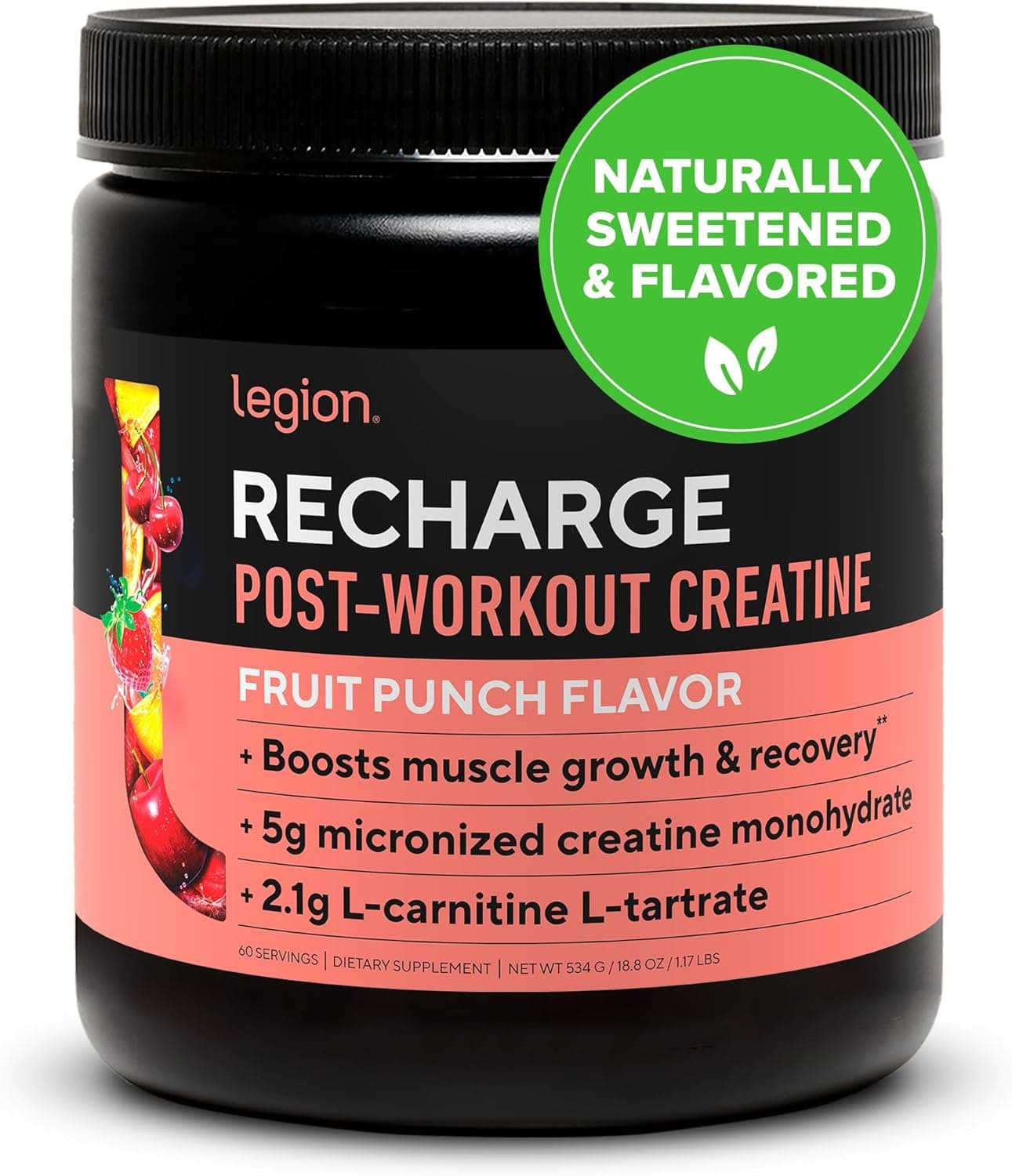
Creatine monohydrate is gritty and flavourless and is almost always sold flavoured, with a high-intensity sweetener doing the work. Stevia adds essentially no mass to the serving, which matters when the active dose is already several grams. Purely a formulation pairing.
Talk to a doctor before taking Stevia Leaf if any of these apply to you: Bitter aftertaste in some extracts, May interact with blood pressure medications. These are flags to check first, not effects Stevia Leaf is known to cause.
Not medical advice. Show the label to your pharmacist.What Stevia Leaf actually does.
Stevia's sweetness comes from specific molecules, steviol glycosides like stevioside and rebaudioside A, not from the leaf as a whole.
Human digestive enzymes can't break down steviol glycosides, so they pass mostly intact until gut bacteria split off the sugar units, and the remaining steviol gets absorbed, processed by the liver and cleared in urine.
Because the sugar parts get removed by bacteria in the colon rather than absorbed higher up, steviol glycosides don't add meaningful calories or raise blood sugar the way an absorbed sugar would.
Steviol glycosides trigger the sweet taste receptors much more strongly per gram than table sugar, which is why only a tiny fraction of a percent is needed in a product.
Getting Stevia Leaf from food.
The whole-food sources on file. A supplement closes the gap, it does not replace dinner.
A gram-for-gram figure (how much of each you would eat to match a dose) will appear here once it is sourced and reviewed. This page will not print a number it cannot cite.
The forms it comes in.
The essence, in one line each.
- Pooling 26 studies in 1,439 adults, stevia intake lowered blood glucose by about 3.8 mg/dL on low-certainty evidence, with no detectable change in insulin or HbA1c.Meta-analysis. Zare et al., 2024 (Diabetes & Metabolic Syndrome). PMID 39098209 ↗
- Across nine randomised trials in 756 adults, steviol glycosides produced small reductions in diastolic blood pressure and fasting blood glucose, while the systolic change of about 3 mmHg was not statistically distinguishable from placebo.Meta-analysis. Onakpoya and Heneghan, 2014 (European Journal of Preventive Cardiology). PMID 25412840 ↗
- In 60 adults with excess body weight, stevia-containing beverage blends drunk before a carbohydrate breakfast cut the two-hour insulin response versus an 8 percent sucrose drink, one stevia blend also lowered the glucose response, and no difference in energy intake over the following 24 hours was detected.Randomised trial. Almiron-Roig et al., 2023 (Appetite). PMID 36849009 ↗
- A review of stevia chemistry, absorption and distribution, describing how steviol glycosides are handled by colonic bacteria before absorption and summarising the pharmacological literature to date.Narrative review. Peng Z et al., 2026 (Frontiers in Nutrition). PMID 41777858 ↗
- Biscuits formulated with stevia extract plus oat and fenugreek fibre were characterised for composition and sensory properties, showing that the sweetener works in a baked matrix when bulk is supplied by fibre.In vitro study. Hassan MA et al., 2026 (npj Science of Food). PMID 41872196 ↗
- A review describing stevia plant material as a fermentable feed component in aquaculture, which speaks to its fermentability rather than to any effect in people.Narrative review. Shehata AI et al., 2025 (Aquaculture Nutrition). PMID 40919451 ↗
- Feeding stevia straw to sheep changed rumen microbial composition and meat nutrient measures. A livestock feeding study, not human evidence.Animal study. Xu C et al., 2025 (Veterinary Sciences). PMID 41150158 ↗
- An agronomic study of stevia cultivation in a high-mountain region, reporting how growing conditions affect plant yield and leaf composition, which is what determines the raw material a supplement starts from.In vitro study. Guterrez-Gonzalez CI et al., 2025 (Scientific Reports). PMID 40796582 ↗
- A narrative review of combined natural compounds that names stevia among the ingredients discussed. It summarises other authors rather than reporting new measurements.Narrative review. Panda R et al., 2026 (Cureus). PMID 41777984 ↗
These are the studies our verdict leans on, chosen from the 1,866 we read for Stevia Leaf. The full linked list is below.
FDA Disclaimer: These statements have not been evaluated by the Food and Drug Administration. This information is for educational purposes only and is not intended to diagnose, treat, cure, or prevent any disease. Consult your healthcare provider before starting any supplement regimen.